Shopping Center Roofing in Garland, TX

Shopping Center Roofing in Garland, TX

Shopping Center Roofing

Property Types We Roof

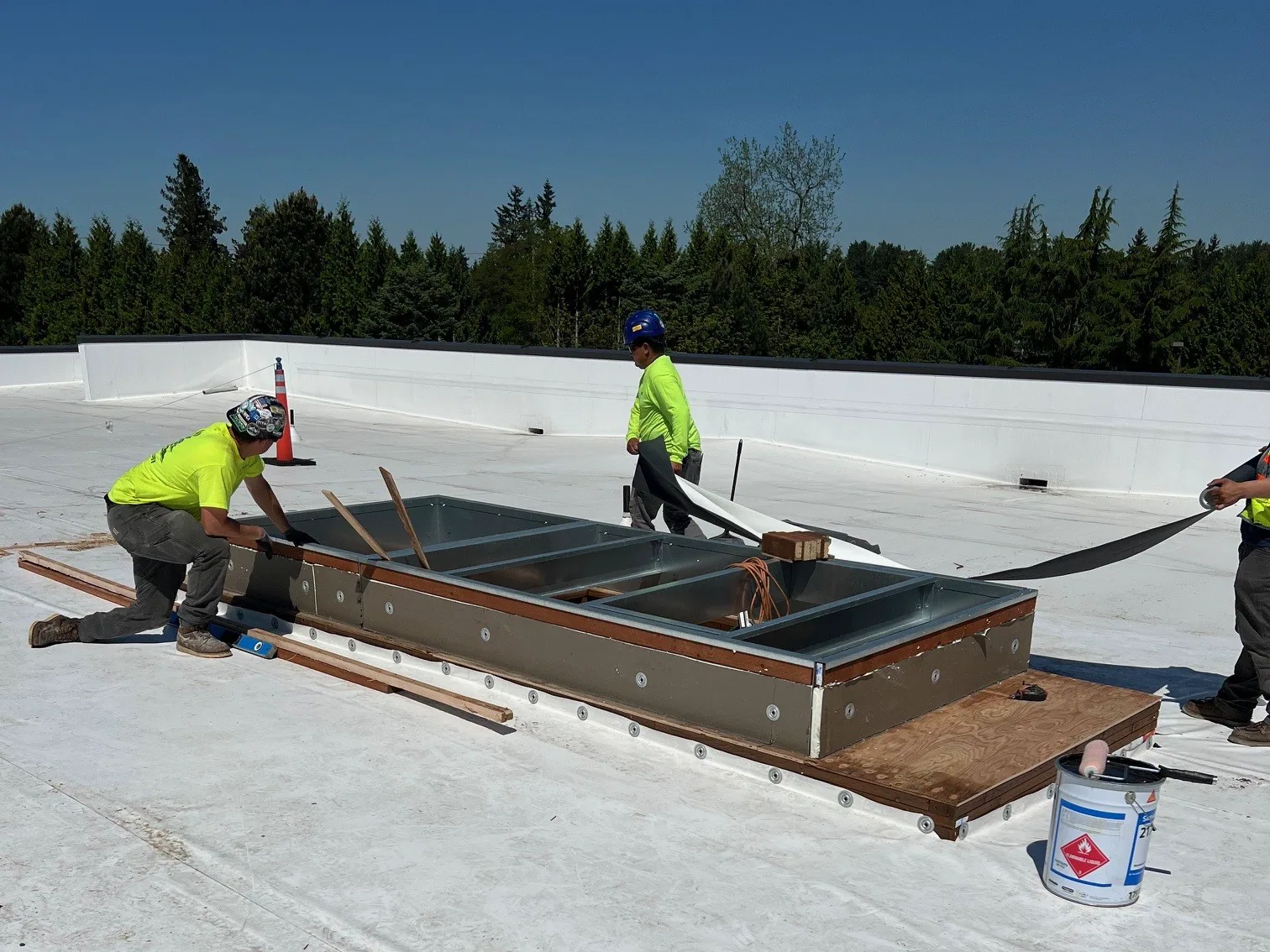
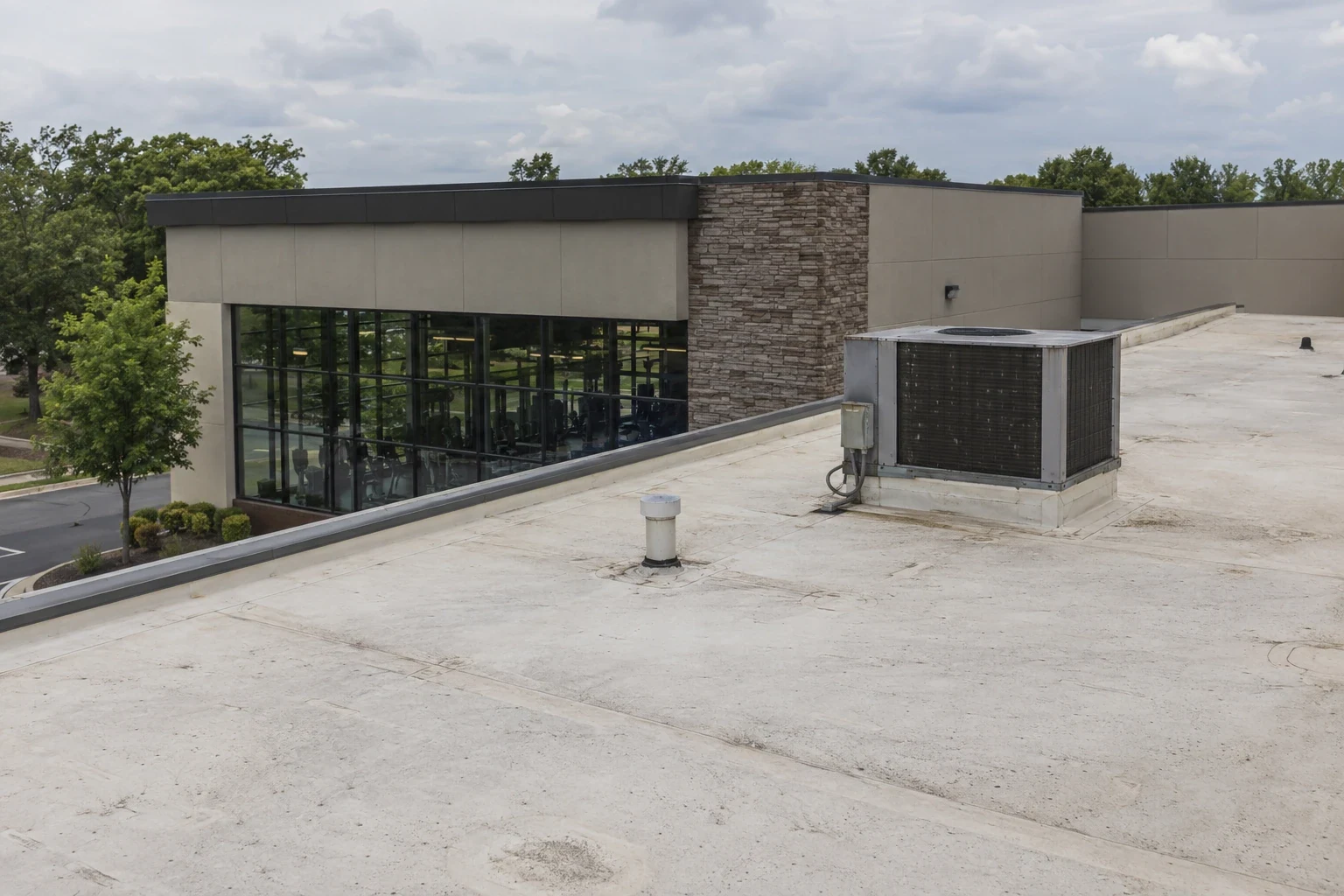
A shopping-center roof repair has to isolate the affected section without losing sight of how water travels across adjoining roof areas. We inspect the reported leak, membrane or metal detail, drains, edge conditions and transitions before defining the repair boundary. That gives the owner a practical basis for deciding whether a local correction is sufficient or whether connected deterioration changes the work.

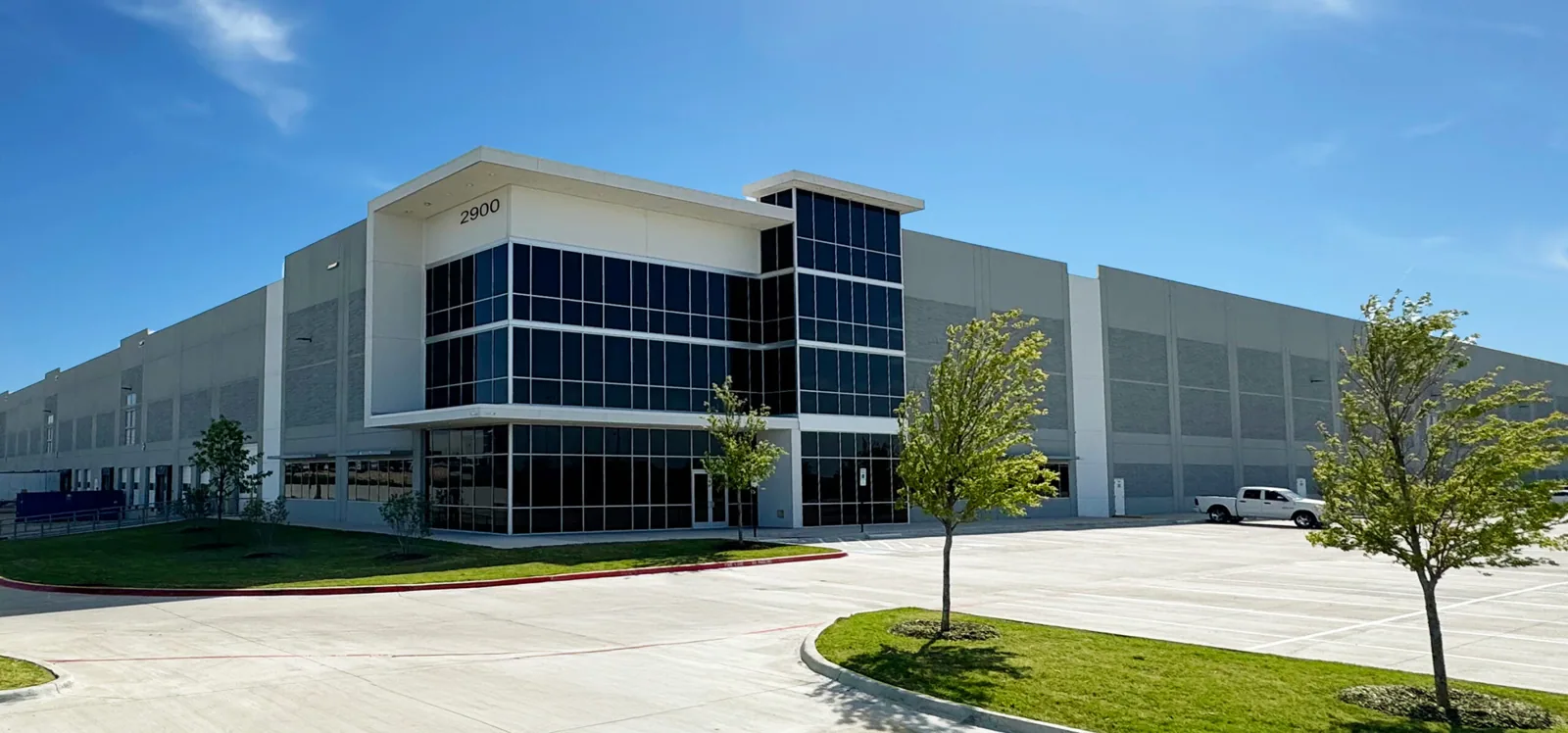
The South Garland area has established retail blocks with shared loading and roof-access concerns. The State Highway 66 Triangle is a coordinated development area where driveway and tenant activity may shift as projects proceed. At a shopping center in either setting, confirm delivery courts, access windows and roof-zone labels with the property manager before choosing the work sequence.

The State Highway 66 Triangle is a planned area for coordinated development, and destination retail is part of Garland's business mix. A shopping-center roof plan should map each building, tenant access point, and drainage zone separately.

Which roof area is connected to the reported leak?

A stain inside one tenant suite does not by itself identify the roof opening above it. Water may enter at a penetration, curb, seam, parapet transition or drain area, then move along insulation, deck flutes or framing before it appears indoors. We compare the interior report with the exterior assembly and look for a traceable path instead of assigning the repair to the nearest visible roof feature.

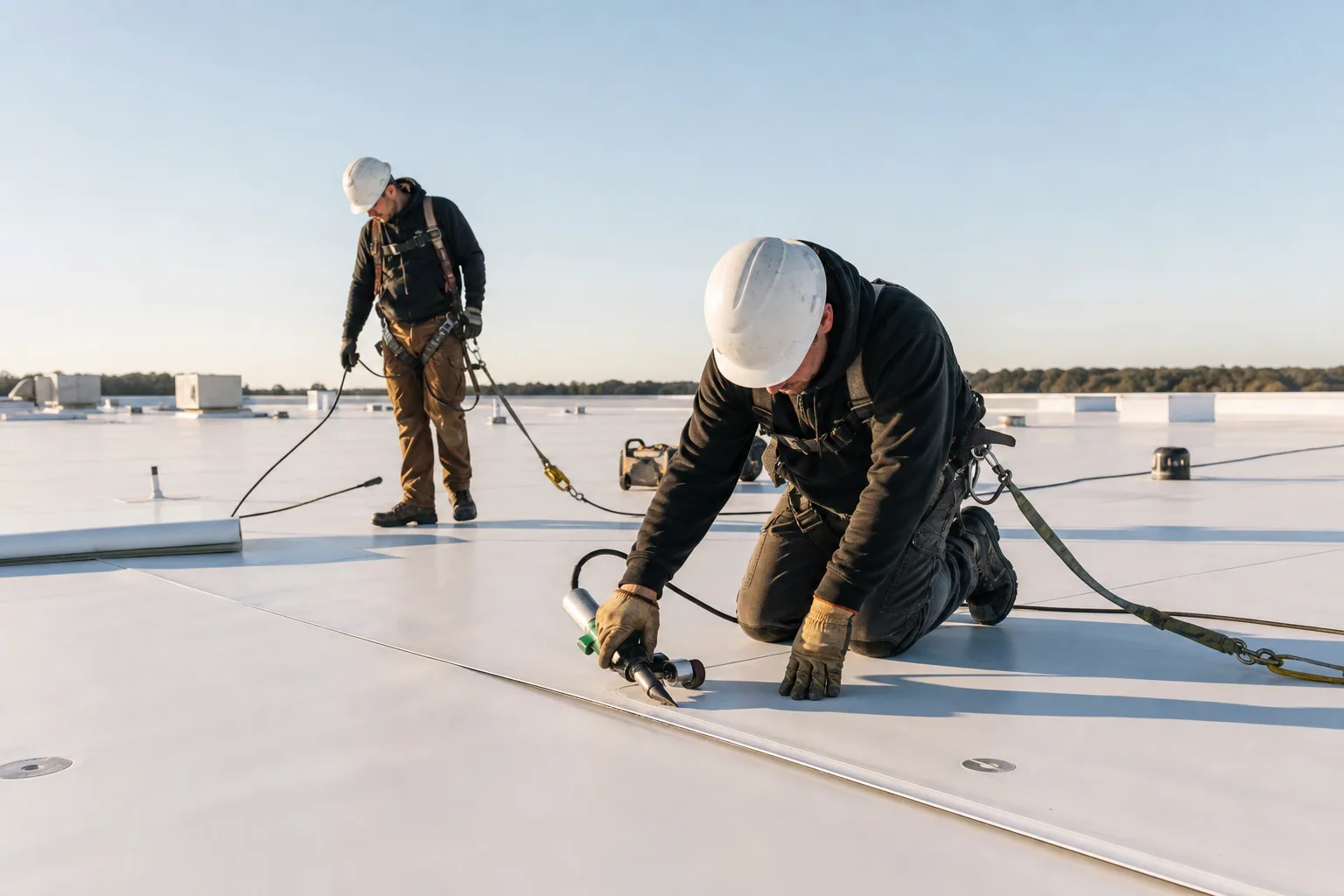
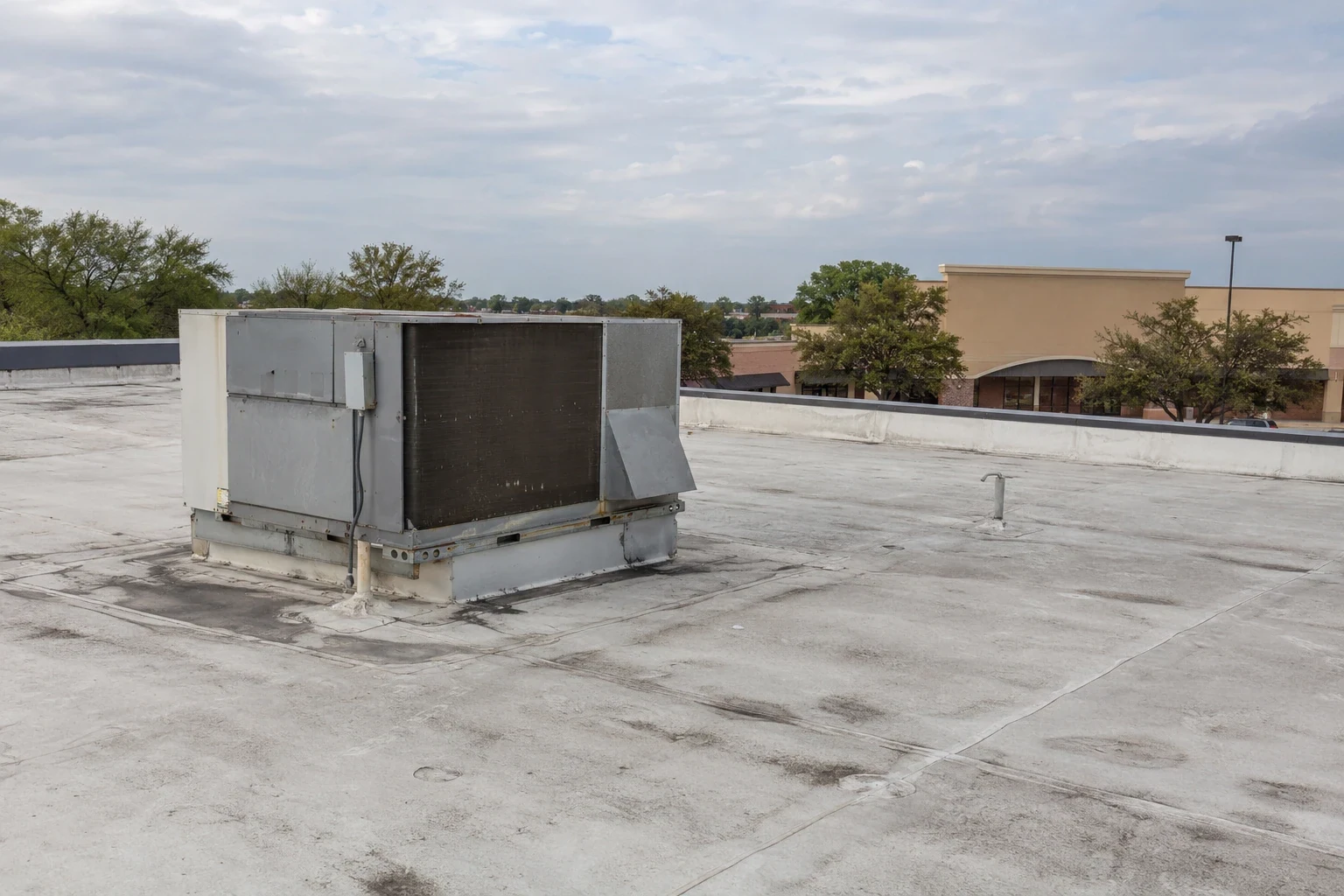
At a center with several adjoining roof sections, we also map changes in membrane, metal, elevation and prior patching. A repair needs to tie into material that can accept the proposed attachment or weld. If the surface is wet, brittle, loose or contaminated, that condition affects how far sound material must be exposed. The inspection should record the boundary and explain what evidence would expand it.

Garland’s hot summers, variable winter temperatures and wetter spring and fall periods make seasonal drainage and perimeter checks useful for shopping centers. After heavy rain, inspect outlets, low areas and transitions and document the roof zone before deciding whether a reported leak needs localized repair or broader opening.
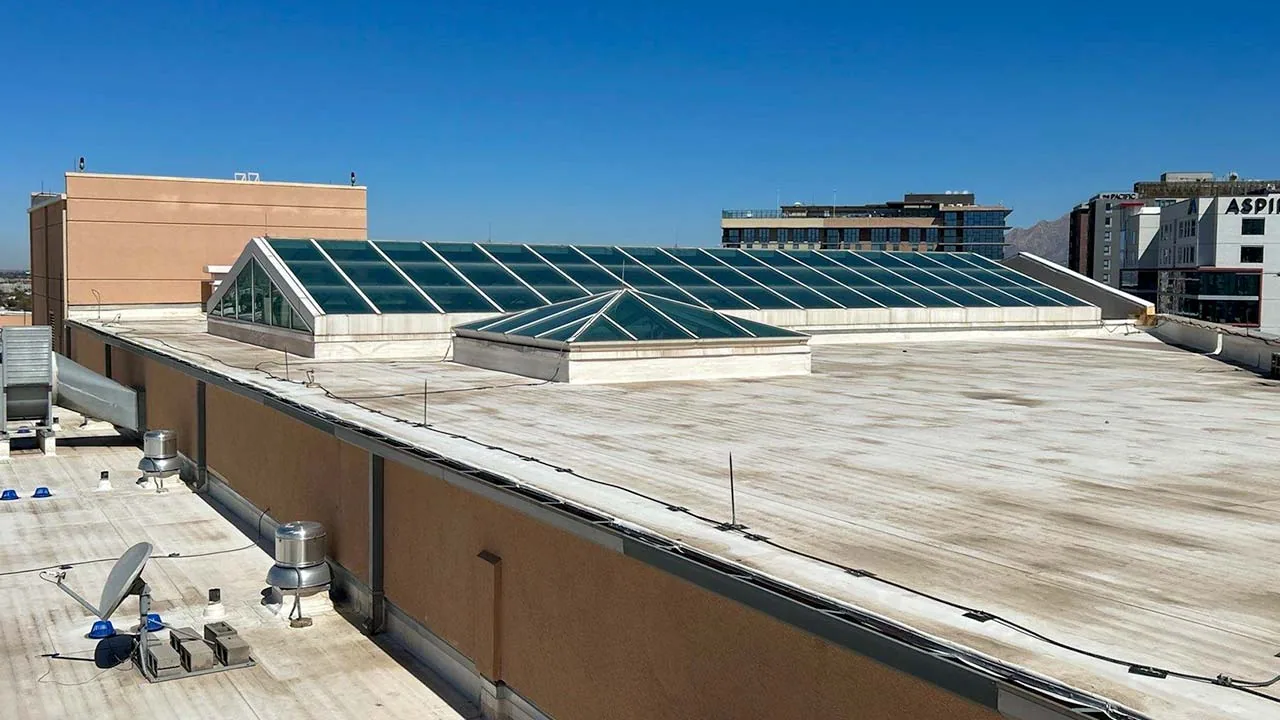
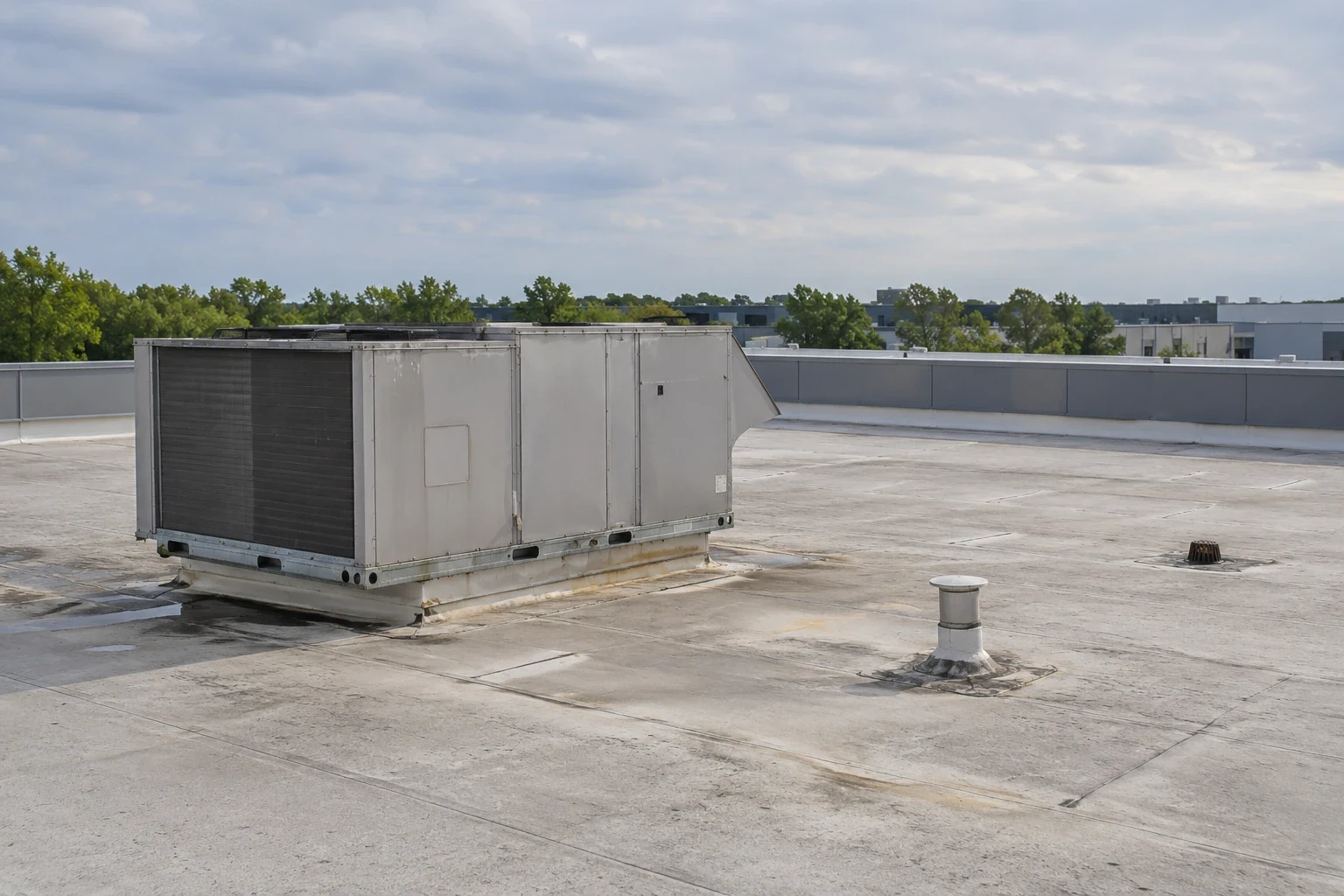
Shopping Center Roofing in Garland, TX

How should the repair boundary protect adjoining suites?

A roof opening above a multi-tenant building can affect spaces with different occupants and interior finishes. Before removal, identify the suite or common area beneath the proposed work, move vulnerable contents where practical and agree on who can report a new drip. The roofing scope should describe the opening location, temporary protection approach and the conditions that require a pause or a revised boundary.

Storefronts and party walls can make the visible interior stain a poor guide to the roof’s actual division. We trace the assembly across parapets, expansion joints and drainage transitions, then explain whether the correction can stop at one roof section. If water or damaged insulation continues past the first boundary, a narrow patch could leave the underlying path unresolved.

Building representatives should know what will be removed and what must be restored before the roof is opened. If ceiling materials, electrical components or tenant property need separate handling, those responsibilities belong in the access plan. The roofing crew can then keep its removal and close-in work tied to the approved construction instead of treating every space as a generic work zone.

Shopping Center Roofing in Garland, TX

What drainage and edge details belong in the scope?

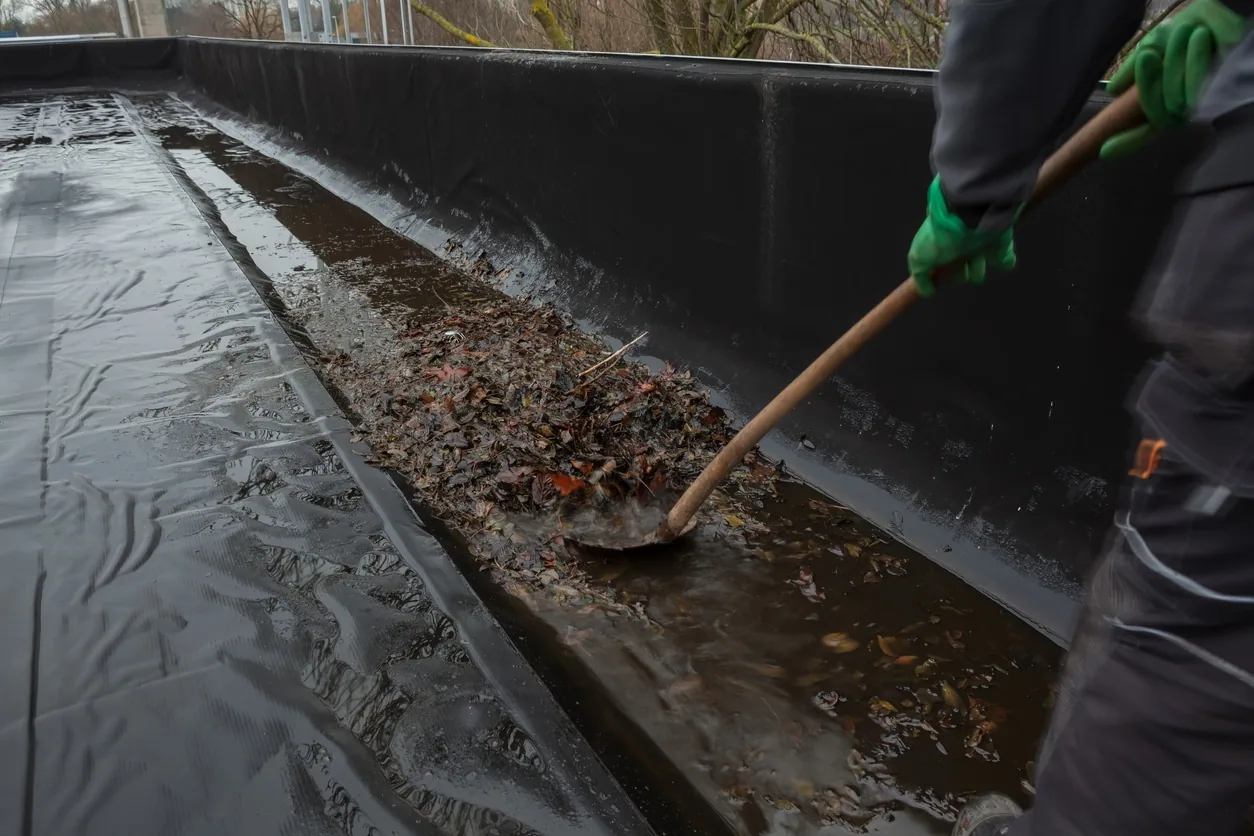
Flat or low-slope shopping-center roofs depend on drains, scuppers, gutters and shaped surfaces to move water toward an outlet. We check for blocked openings, loose strainers, damaged bowls, failing clamping rings, open seams and details where water remains after rainfall. A roofing repair cannot correct a downstream plumbing restriction, so the report should distinguish roof-side conditions from drain-line questions that need another trade.

Where the problem involves an outlet or surface retention, compare the work with commercial roof drain and scupper repair and ponding-water roof repair. These terms point to related roof conditions; they do not presume that either is present at your property. An inspection should document the actual outlet, surrounding membrane and visible flow path.

Edges also deserve attention because coping, fascia, counterflashing and gutter transitions can admit water or release under movement. A seam of sealant over loose metal may conceal rather than correct the connection. Specify which components are removed, which are retained and how the finished termination will meet the existing assembly. That description helps the owner compare a roof repair with separate sheet-metal replacement if needed.

What should be coordinated before occupied work begins?

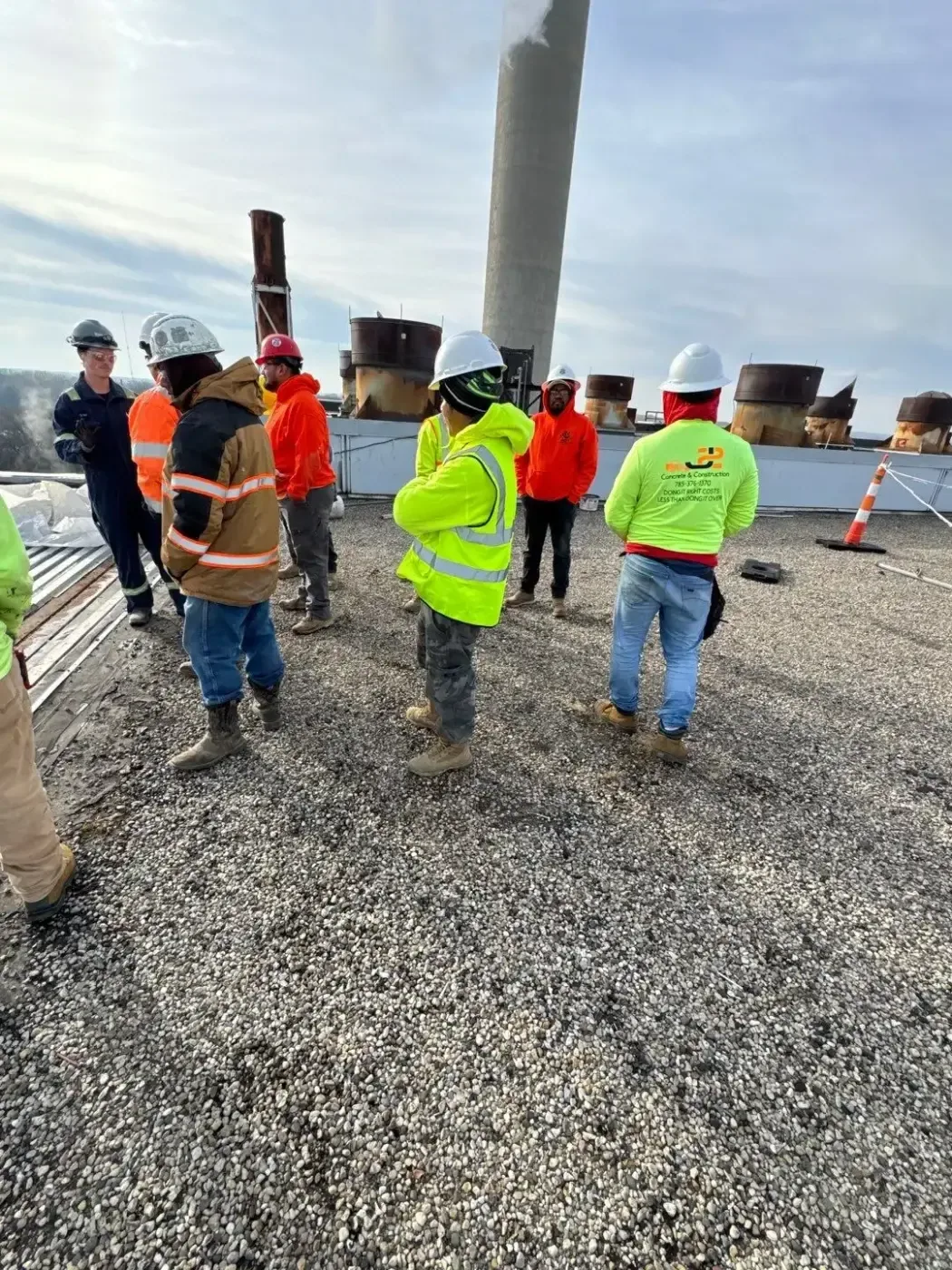
The access plan should account for roof entry, tenant notices, sensitive rooms below, rooftop equipment and the receiving path for materials. Those are building-specific decisions, not assumptions a contractor should make from a property type. The owner or manager can identify restricted areas and timing windows; the roof inspection can identify where removal and temporary protection would affect those areas.

A repair may require another party to disconnect or protect equipment, move interior contents or inspect a ceiling cavity. Agreeing on that responsibility before mobilization makes the work boundary clearer. If the roof opening exposes wet insulation or damaged deck, the crew needs an agreed method for documenting the finding and obtaining a scope decision before extending removal.

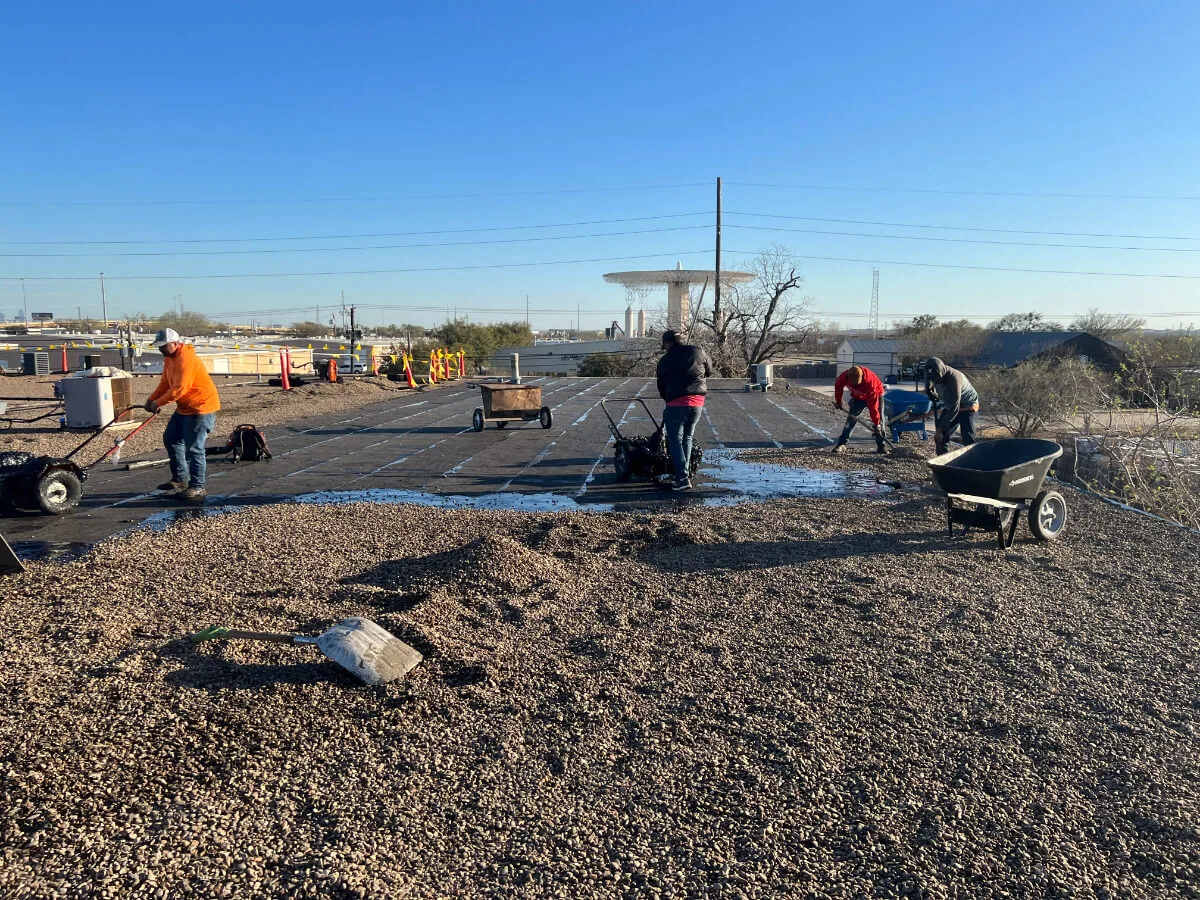
Use the work description to define the close-in standard for each shift: what can remain open, what temporary cover is used, who checks it, and what must be completed before the crew leaves. The exact method depends on weather, opening size, roof geometry and available materials. The owner should receive a plain explanation of what remains temporary and which permanent details are still due.

Shopping Center Roofing in Garland, TX

When does a local repair stop being the useful choice?

A localized repair is most defensible when the defect is bounded, surrounding materials remain serviceable and the new detail can connect to sound construction. Broader replacement may be worth evaluating when deterioration is distributed across seams or field membrane, insulation is wet in several areas, or previous repairs have created incompatible layers. The inspection should show the evidence behind either option rather than use age or building type alone.

The City’s code index pairs September 19, 2016 with the effective date of its 2015 building and energy-conservation editions. That historical entry cannot settle today’s reroof requirements. The owner should verify permits and applicable provisions with Garland and the project design professionals. See commercial roof replacement when the inspected scope may extend beyond localized repair.

If replacement is considered, compare material compatibility and attachment approach with TPO roofing and occupied-building reroofing. Those links describe separate topics, not a promise that one membrane or method suits every center. The existing deck, slope, moisture, edge details, insulation and owner objectives determine what a project team can responsibly specify.

For building-type comparisons, a food retailer’s roof may place more emphasis on refrigeration penetrations, while a dining property may involve exhaust curbs; compare grocery-store roof conditions with restaurant roof systems only when those assemblies match the property being evaluated.

Shopping Center Roofing in Garland, TX

Common Questions

Can one tenant’s leak identify the roof section to repair?

Not by itself. Water can travel within the assembly before appearing inside. We compare the interior report with roof details, drainage, seams and penetrations, then define a repair boundary that matches the observed path.

Does Garland weather prove that a shopping center has storm damage?

No. National Weather Service climate information describes regional conditions, not a specific building event. A property-specific inspection and records are needed to identify damage and its cause.

Can roofing work proceed while stores remain open?

That depends on the opening, access route, weather, interior exposure and agreed tenant protections. The owner and building contact should resolve the work area and temporary protection before removal begins.

When should an owner consider broader roof replacement?

Consider a broader evaluation when inspection finds distributed deterioration, wet insulation beyond a bounded repair, or details that cannot be tied into sound material. The evidence and alternatives should be documented.

Shopping Center Roofing in Garland, TX

Discuss the roof condition at your Garland center

Provide the property address, reported leak or roof concern and the building contact who can arrange access. We can examine the affected assembly and explain the repair boundary or broader scope supported by the findings.

Call 555-555-5555 or request a roof assessment.

Questions About Your Roof?

ServicesRoof SystemsProperty TypesIndustriesService AreasDamage RepairCapabilitiesManufacturersAboutRequest a Roof Assessment555-555-5555
Call us today555-555-5555