Commercial Roofing in Garland Medical District, Garland, TX

Commercial Roofing in Garland Medical District, Garland, TX

Garland Medical District

Service Areas

A planned medical district needs roof decisions that can adapt as individual properties are occupied, improved, or prepared for future use. Garland adopted a plan for the Garland Medical District, and its capital plan includes phased streetscape work on Clara Barton Boulevard and a future hospital site. Coordinate roof visits with each building contact as streetscape work and future development progress. We inspect the requested property, trace the reported concern and record roof zones that need repair, protection or additional investigation.

For active water entry, emergency roof repair can limit exposure while the permanent correction is scoped. A commercial roof inspection documents accessible seams, edges, penetrations, drains, and previous patches so the owner can decide what work is justified. The Medical District shares Garland’s hot summers, variable winter temperatures, wetter spring and fall periods, and regional exposure to hail, damaging winds and tornadoes. Inspect drains, seams and perimeter details seasonally, then document any roof damage found at the property.

What district planning changes for a roof decision

A streetscape project does not tell us where a roof leak begins. Before dispatch, we confirm the building contact, approved roof access, occupied areas below the reported condition, and any work happening at the same time. If a property is preparing for a future use, the roof review should separate visible repair needs from questions that depend on final equipment layouts, penetrations, or interior construction.

The future hospital site named in Garland’s capital plan should be treated as a planning fact, not as proof of a completed facility or a particular roof system. For an existing medical, office, civic, or other commercial building in the district, we start with that property’s own roof records and accessible construction. Our notes identify the membrane or panel only when observed or supported by the owner’s documents. That keeps a repair proposal tied to the building under review, rather than to a use suggested by nearby planning activity.
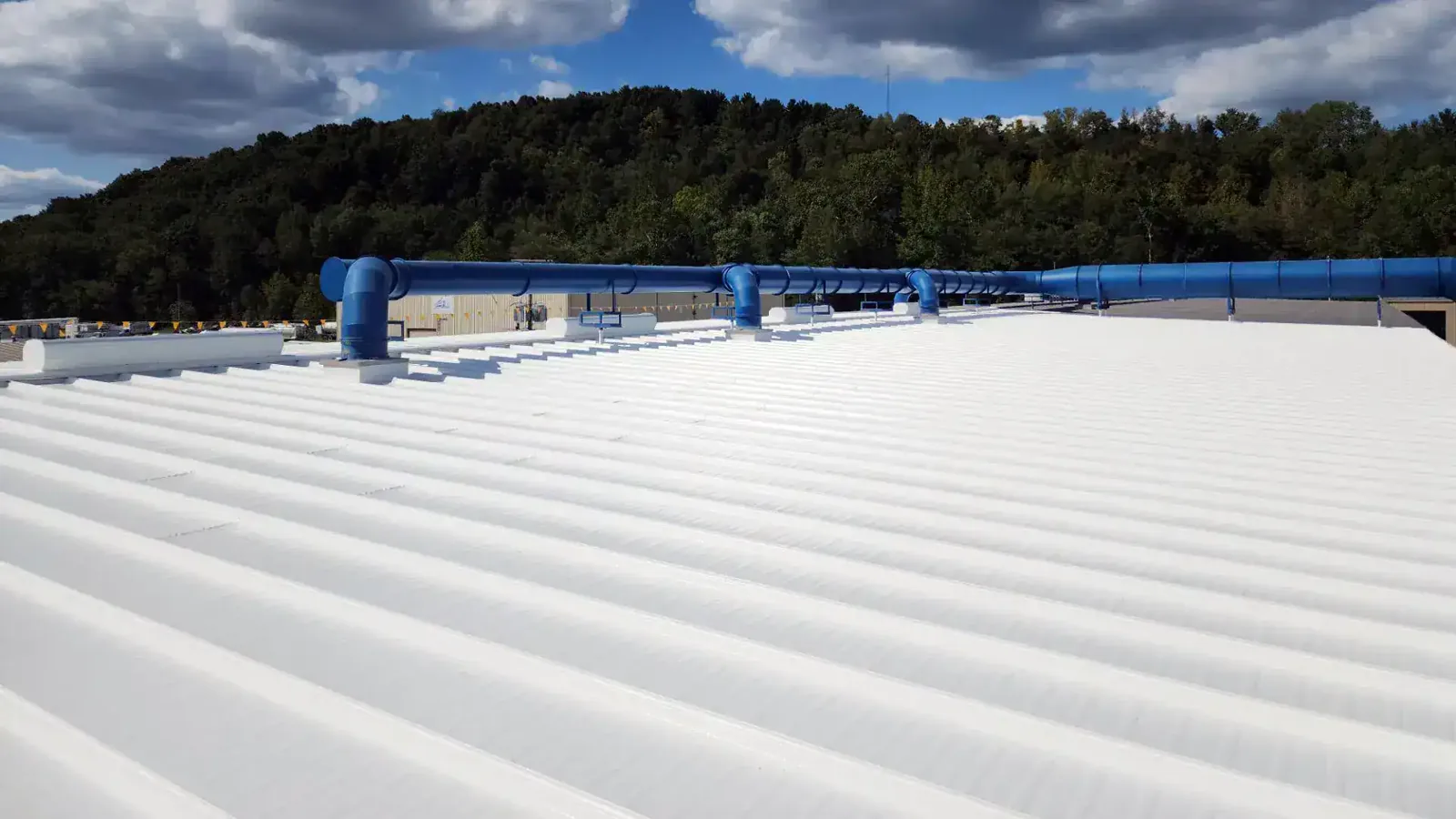
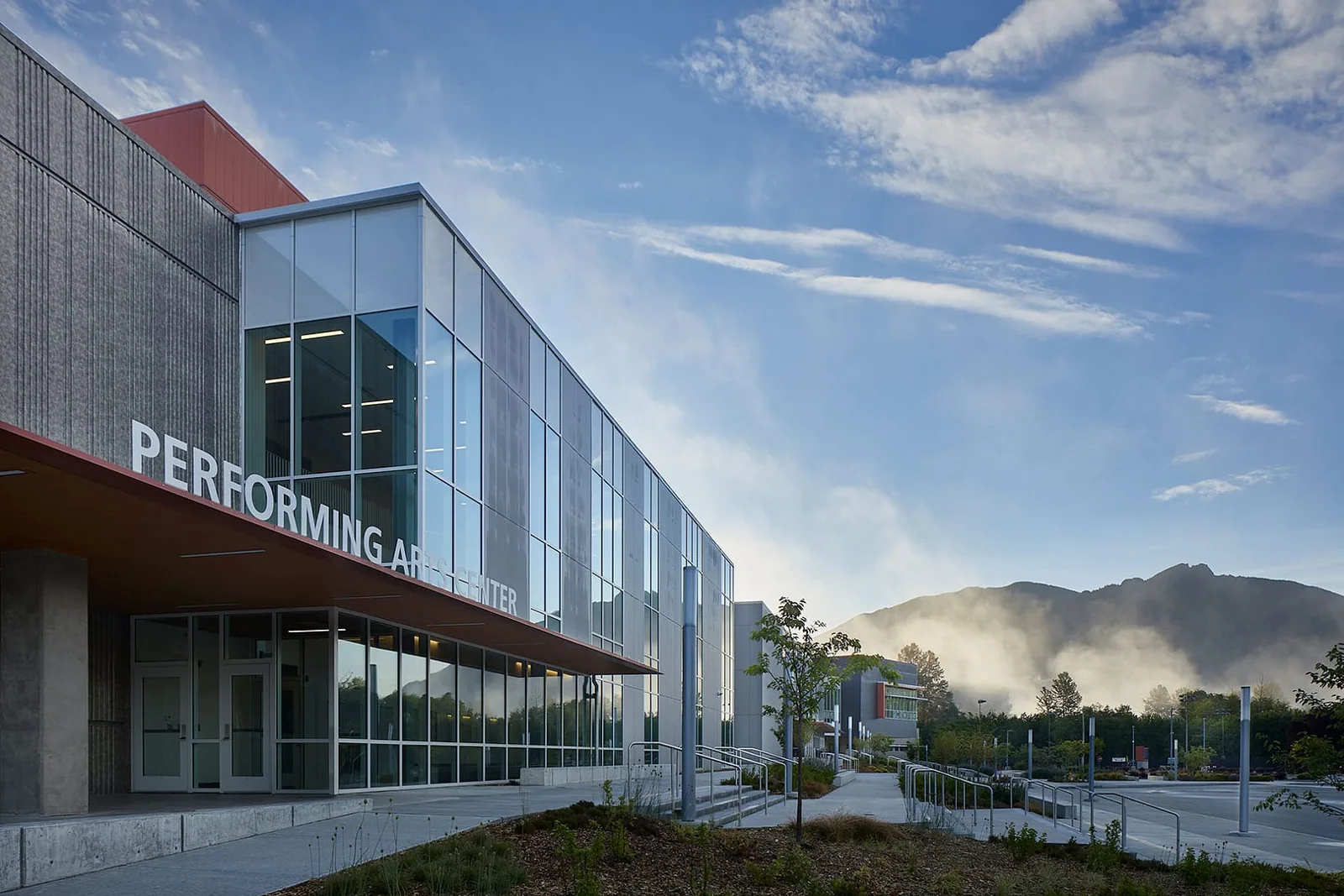
Commercial Roofing in Garland Medical District, Garland, TX

How we trace a leak across a medical property

A ceiling mark, equipment alarm, or wet finish gives us a location to investigate, but water may travel before it reaches the interior. We compare the reported room and timing with roof details above it, nearby wall transitions, curbs, skylights, piping, seams, and drainage paths. The first visit should distinguish active entry from old staining, condensation, plumbing, or moisture that has moved along the deck.

On the roof, we map the concern to a numbered zone or a recognizable feature. Photographs need enough surrounding context to locate the seam, penetration, drain, or edge again. We inspect the material interface, not merely the surface around it: a patched membrane can hide an open lap, a curb corner can separate beneath metal counterflashing, and a drain bowl can be clear while the adjoining membrane is split. A written condition report connects each observation to a recommended next step. Roof condition reports can help an owner compare an immediate repair with monitoring or a broader investigation.

Commercial Roofing in Garland Medical District, Garland, TX

Protecting occupied rooms before opening the roof

When water is active over a room that must remain usable, temporary protection is a separate decision from the permanent repair. We identify the affected interior area, move or protect vulnerable contents where the owner authorizes it, and select a dry-in approach suited to the observed opening. The plan should state what the temporary measure addresses and which return visit is needed to complete the durable detail.

Medical and office uses may involve sensitive equipment, controlled rooms, patient or staff schedules, and building contacts who must approve access. We coordinate roof entry and any ceiling access with the owner’s representative. If a controlled opening is needed to check concealed layers, the work boundary and interior protection are agreed before cutting. The exposed assembly is photographed in sequence, moisture or damage is recorded where found, and the roof is made watertight before the crew leaves. A separate mechanical or electrical task may need to happen before the final flashing is installed.

Which drainage and flashing details deserve attention

Regional spring and fall thunderstorms can bring heavy rainfall to the Dallas-Fort Worth area, while hot summers place repeated stress on exposed roof materials. We inspect whether the roof has a positive path toward its drains or scuppers, whether strainers and bowls are clear, and whether water is trapped by a local depression, a raised patch, or an altered equipment support.

At parapets and wall transitions, we examine the membrane turn-up, termination, coping, and any sealant joint that helps keep water outside. At equipment curbs, we look at corners, vertical flashing, counterflashing, fasteners, and nearby conduits that may have changed since the last repair. A detail can fail at the interface even if the field membrane looks serviceable. If the district’s street work changes access around a building, the roof plan still needs its own marked work zones, material staging location, and protected path for occupants. Drain and scupper repairs address the outlet assembly when inspection confirms the problem is there.

Commercial Roofing in Garland Medical District, Garland, TX

Choosing between a local repair and broader work

A repair boundary should follow evidence. If one seam, curb, or edge termination is the source and the adjacent material remains sound, a localized correction may be reasonable. If moisture is present under a wider area, repeated patches have failed, or the membrane has lost reliable attachment, we may recommend more investigation or a larger replacement section. We explain what was observed, what remains concealed, and which condition would change the scope before the owner authorizes removal.

Price and timing depend on roof height, access, assembly layers, disposal, equipment conflicts, protection needs, and the extent of wet or damaged material. When the owner needs a comparison, we can describe a repair, a targeted recover where suitable, or replacement of the affected section without treating a future district project as a reason to replace a serviceable roof. A recover option is considered only after confirming that the existing roof can support it and that moisture or attachment problems will not be buried.

Commercial Roofing in Garland Medical District, Garland, TX

What the owner should receive after the visit

The closeout should give the building contact a usable record of the work, not just a statement that a leak was repaired. We identify the roof zone, show the detail before and after correction, note materials installed, and list any nearby condition that was observed but not included in the approved scope. If a return visit depends on another trade, the record names the open task and the roof detail that remains incomplete.

For the district’s public-facing setting, the owner can also use a roof map to direct future maintenance without putting occupant names or sensitive room details on a public-facing plan. Use durable zone labels tied to roof features, keep access records with the building contact, and update the map when equipment or drainage changes. Garland-wide commercial roofing and work in Downtown Garland can be planned from the same evidence-first process, while each property’s scope remains specific to its own construction.

Commercial Roofing in Garland Medical District, Garland, TX

Common Questions

How do you coordinate roof work in the Medical District?

Confirm the building entrance, construction activity, occupied areas and roof access with the property contact. Then set the inspection or repair boundary around the requested structure.

Can a repair proceed while medical or office rooms remain occupied?

Often the work can be staged by roof zone, but access, noise, interior protection, and any equipment shutdown need approval from the building contact.

What should we send before scheduling an inspection?

Share the building location, reported leak area, timing, prior repairs if known, and the person who can authorize roof and interior access.

How do you price a roof opening when concealed damage is possible?

We identify the visible scope and explain what a controlled opening may reveal. Any added work is documented for approval before it expands.

What should follow a reported storm concern?

Inspect the requested roof for visible impact, opened seams, displaced edge details and water entry. Keep the owner’s event report separate from the conditions observed during the visit.

Commercial Roofing in Garland Medical District, Garland, TX

Arrange a Garland Medical District roof review

Send the property location, roof concern, and building contact. We can inspect the affected area, document what we find, and outline temporary or permanent work for approval.

Call 555-555-5555 or request a roof assessment.

Questions About Your Roof?

ServicesRoof SystemsProperty TypesIndustriesService AreasDamage RepairCapabilitiesManufacturersAboutRequest a Roof Assessment555-555-5555
Call us today555-555-5555