Commercial Roofing in Downtown Garland, Garland, TX

Commercial Roofing in Downtown Garland, Garland, TX

Downtown Garland

Service Areas

Downtown Garland includes the DART rail station at Walnut and Fifth streets, a useful orientation point for a commercial roofing visit. Downtown Garland is a reinvestment area with mixed-use activity and planned public improvements. Coordinate roof access and material staging with each building contact. Those facts help locate the district, while a repair still begins with the individual building, its roof records, and the symptom reported by the owner. We confirm the property contact and access route, then inspect the specific roof section before defining any work.

For water entering now, emergency roof repair can reduce exposure while the permanent detail is prepared. A commercial roof inspection documents seams, transitions, drains, curbs, and previous repairs. Downtown Garland shares the Dallas-Fort Worth region’s hot summers, variable winters, wetter spring and fall seasons, and regional storm hazards. Those conditions do not prove that a specific building has damage. The actual roof and its water path determine the next step.

Which address is under review?

Identify the building, roof elevation or section, and the person who can confirm the request. The district label alone may not identify the structure or roof section on a work order. If an interior report is available, record the room or ceiling location as a clue, then compare it with the corresponding roof area. A photograph should include a nearby feature or marked plan reference so a second reviewer can find the same detail.

A commercial roof inspection should answer a defined question, such as whether a seam is open or the roof-to-wall termination has separated. Separate a visible condition from a suspected cause. If the available view does not reach a sound stopping point, identify what additional observation would resolve the boundary instead of assigning an unsupported quantity.
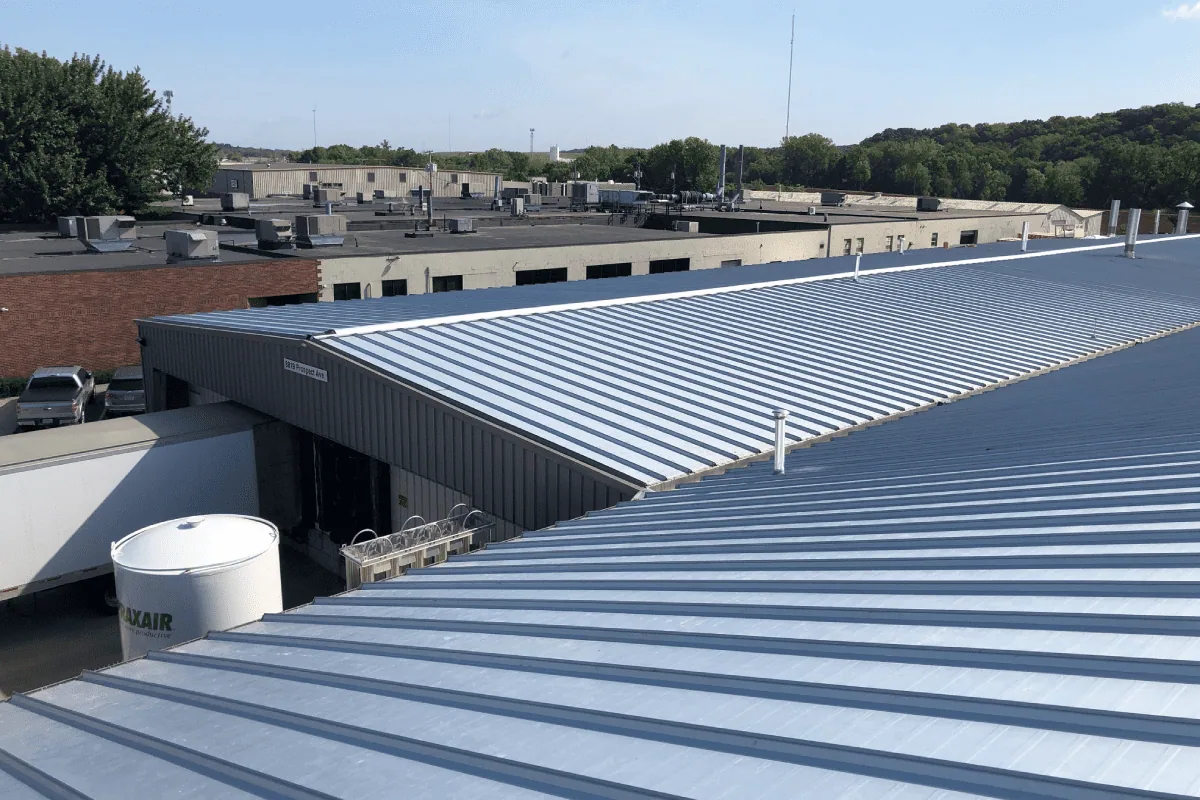
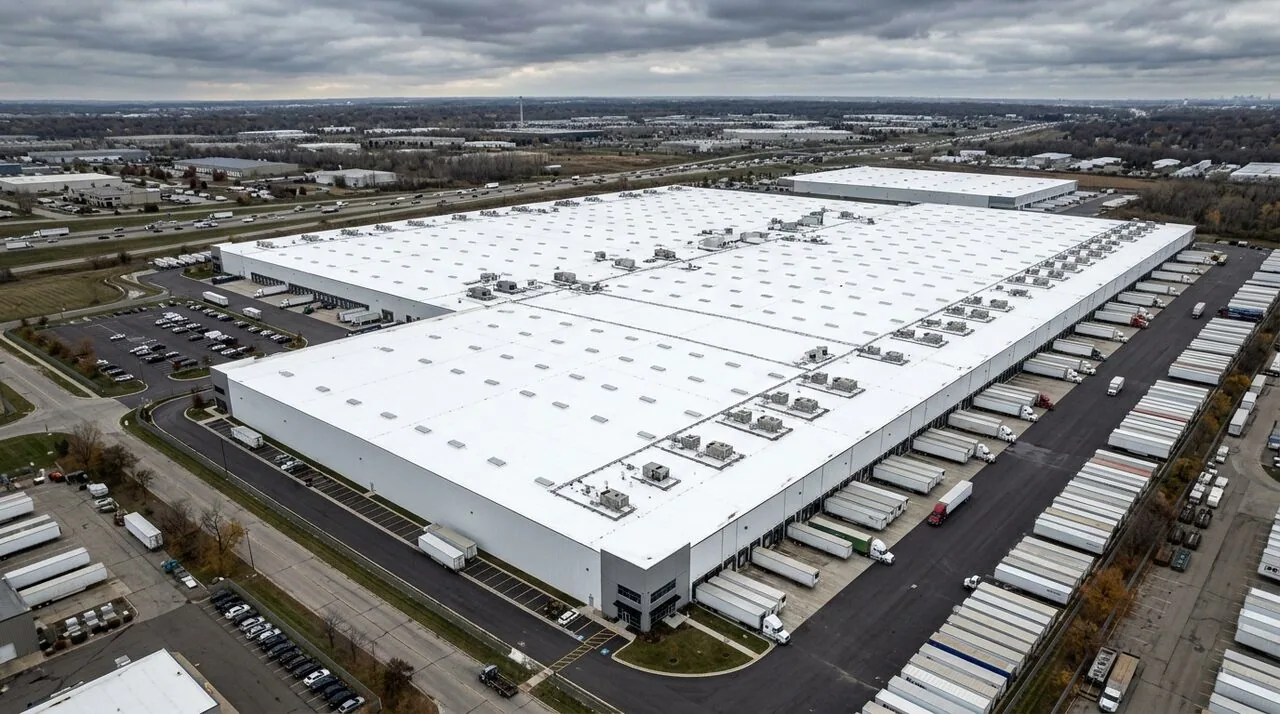
Commercial Roofing in Downtown Garland, Garland, TX

How does the station help locate the district?

The rail station at Walnut and Fifth streets helps orient the Downtown Garland service area. The district also has a city reinvestment plan and planned public improvements. These are geographic and planning references, not a roof inspection. A building contact should identify the property, roof section, and any addition that may have a separate assembly or repair history.

For a multi-building property, label every structure and elevation on the roof drawing. A city block or station name is too broad to define the work limit. Mark the roof zone that corresponds to the reported room, then photograph the detail and enough surrounding roof to return to it. Commercial roof repair should name the confirmed seam, curb, drain, or edge connection and show what remains outside the approved scope.

When an owner compares a repair proposal, keep quantities connected to the marked roof section. If another building or addition is discussed, create a separate line item and record rather than treating all roofs within the district as one system. This gives a manager a clear approval choice and protects the service record from carrying findings to the wrong structure.

Commercial Roofing in Downtown Garland, Garland, TX

How should the area be protected before repair?

If water is entering or a roof opening is exposed, describe the immediate condition and the surface that temporary protection must cover. Record the material at the perimeter and what remains uncovered. Temporary protection should have a stated limit and should not be described as a permanent repair when the underlying assembly has not been checked. Ask the building contact which areas need interior protection or a notice before work begins, rather than assuming a building’s operating arrangements.

For a time-sensitive condition, compare the stabilization step with the permanent task through emergency roof repair. The record should say what must be rechecked before permanent closure. This gives the owner a clear handoff if weather, access, or a separate trade prevents the full detail from being finished during the first visit.

How should a drain issue be separated from membrane work?

At a reported low area, inspect the outlet, surrounding flashing, and visible path to discharge. Inspect the outlet, surrounding membrane and roof low point as separate components, then scope each confirmed defect. Photograph the bowl, field, and nearby transitions. If the outlet or scupper itself needs correction, identify it as a component task and connect the membrane scope only where the roof-to-drain detail requires it.

The roof drain and scupper scope should state which portion is roofing and which part needs separate review. For a system comparison, TPO roofing must be evaluated against the existing deck, insulation, attachment, and drainage design rather than selected from the district name.

Commercial Roofing in Downtown Garland, Garland, TX

When should a larger scope be considered?

Compare the repair boundary with the material that remains around it. If the defect is localized and the adjacent assembly can receive a compatible tie-in, a repair may be a reasonable path. If removal reveals deterioration beyond that point, explain what changed and let the owner review the revised area before proceeding. A measured boundary makes the comparison useful; a broad allowance without a field trigger does not show why more work is needed.

A commercial roof replacement evaluation should identify removal, retained components, insulation, edges, and drainage in the proposed scope. Once completed, a preventive roof maintenance record can preserve the locations of repairs and open items. Both decisions should be tied to the identified property and its evidence.

Commercial Roofing in Downtown Garland, Garland, TX

What does a return visit need?

Write down the condition that prevented final closure, the material needed to continue, and the contact or trade whose action is outstanding. Include a photograph of the temporary boundary and the exact roof location. If the receiving surface needs preparation or drying, make that requirement explicit before the next visit is scheduled. This avoids treating an unfinished condition as a completed repair.

When follow-up is required, keep the first finding and the new observation in the same record. The owner can then see whether the original limit remains appropriate or whether new evidence supports a different scope. The station address remains a district reference; the property address and roof detail govern the work record.

For the building contact, a return note should also say whether the next visit is inspection, preparation, or installation. These steps have different endpoints. Identify the one needed, the detail it reaches, and the record that will show completion. This makes the decision understandable even when the person approving the next step did not attend the first examination.

Keep repair records tied to one Downtown building

Downtown reinvestment and public improvements may change how people reach a property, but the roof record should remain tied to the structure inspected. Mark the building entrance, approved access point, roof hatch, and work zone on the service record. If construction changes an alley, loading area, or walkway, the property contact can update access instructions without changing the roof diagnosis.

After the repair, preserve the before-and-after photographs, materials installed, repair boundary, and any unresolved trade dependency. If work remains temporary, say what must happen before the permanent connection can be closed. A future technician can then distinguish the finished repair from an open item and compare it with the next inspection. For properties elsewhere in the city, Garland commercial roofing and South Garland serve broader municipal areas, with each building receiving its own review.

Commercial Roofing in Downtown Garland, Garland, TX

Common Questions

What does the Downtown Garland station reference establish?

It places the rail station at Walnut and Fifth streets and helps orient the district. It does not identify a roof assignment.

What information should a Downtown Garland roof request include?

Provide the property, roof section, reported symptom, and any plan or prior repair record that helps locate the concern.

Is a ceiling stain enough to identify the roof defect?

No. It is a location clue. Inspect the corresponding roof detail and likely water path before describing a cause.

How should incomplete repair work be recorded?

State the protected area, permanent work still needed, and any condition that must be met before the return visit.

When should replacement be compared with a repair?

When the inspected assembly or repair boundary changes the available options, describe the evidence that supports that comparison.

Commercial Roofing in Downtown Garland, Garland, TX

Locate the Downtown Garland property

Questions About Your Roof?

ServicesRoof SystemsProperty TypesIndustriesService AreasDamage RepairCapabilitiesManufacturersAboutRequest a Roof Assessment555-555-5555
Call us today555-555-5555