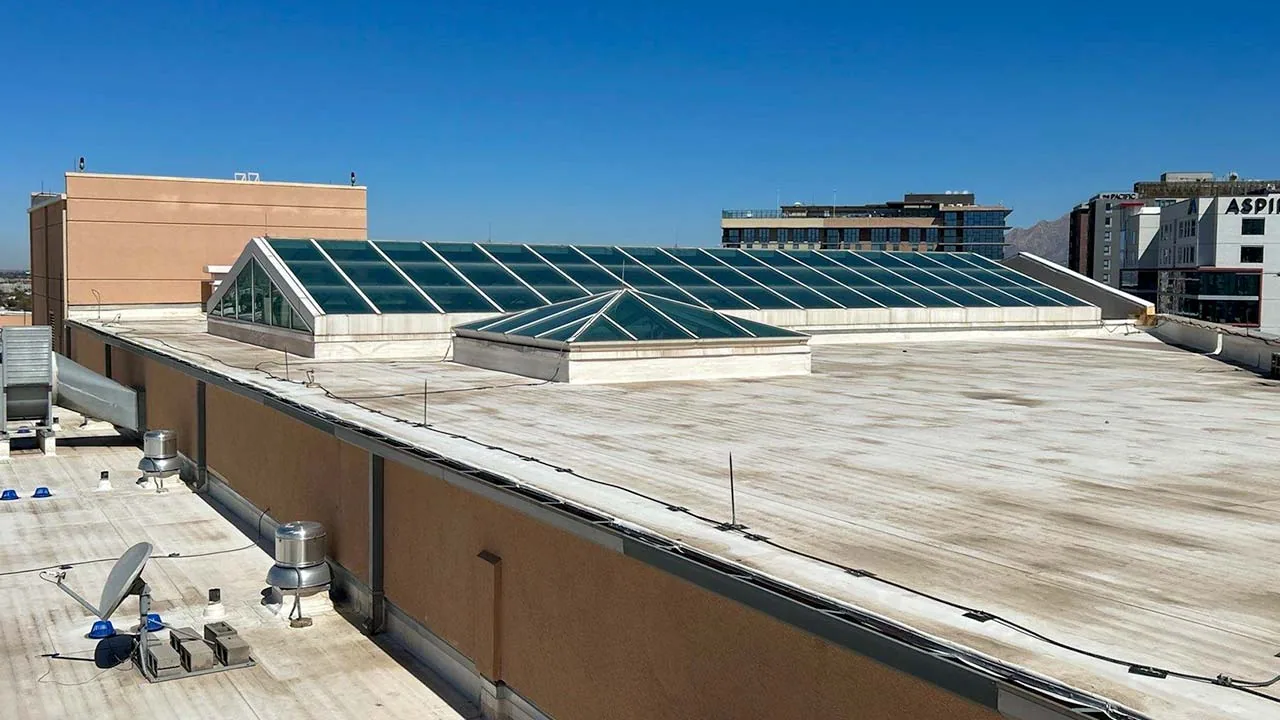
Which roof paths need to be examined?
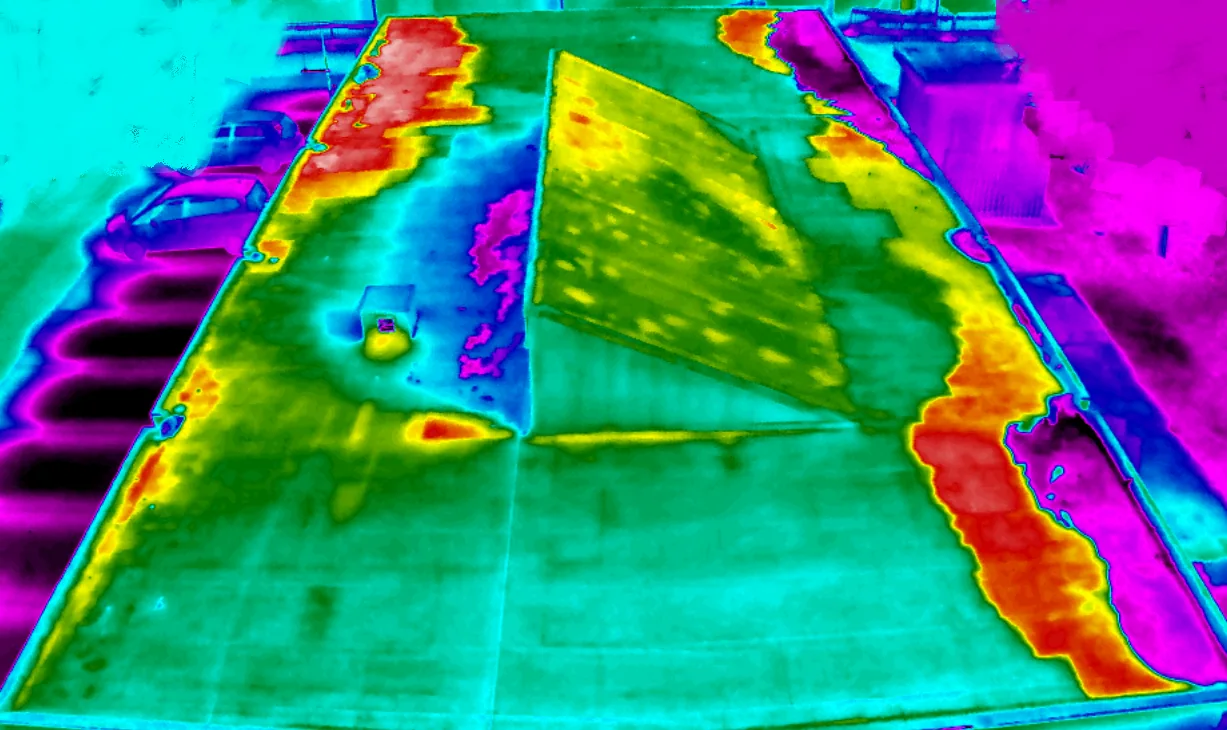
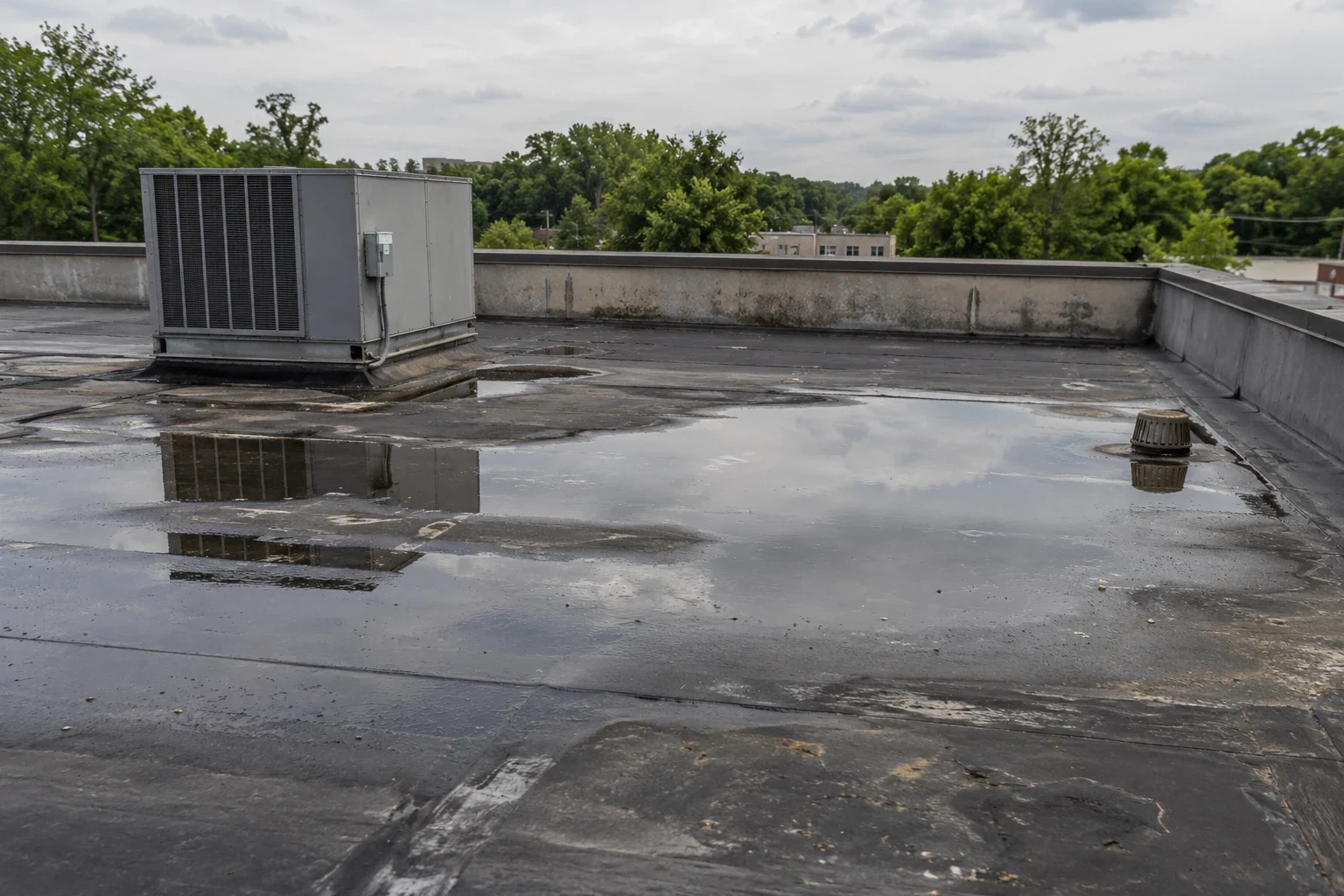
We inspect seams, perimeter transitions, penetrations, drain connections and nearby repairs that could relate to the reported water. The examination follows the assembly toward the likely entry instead of assuming the closest curb or opening is responsible. We check whether water could be crossing a wall termination or moving within a layer before reaching the room. The report records visible evidence and identifies concealed construction that would require permission to expose.
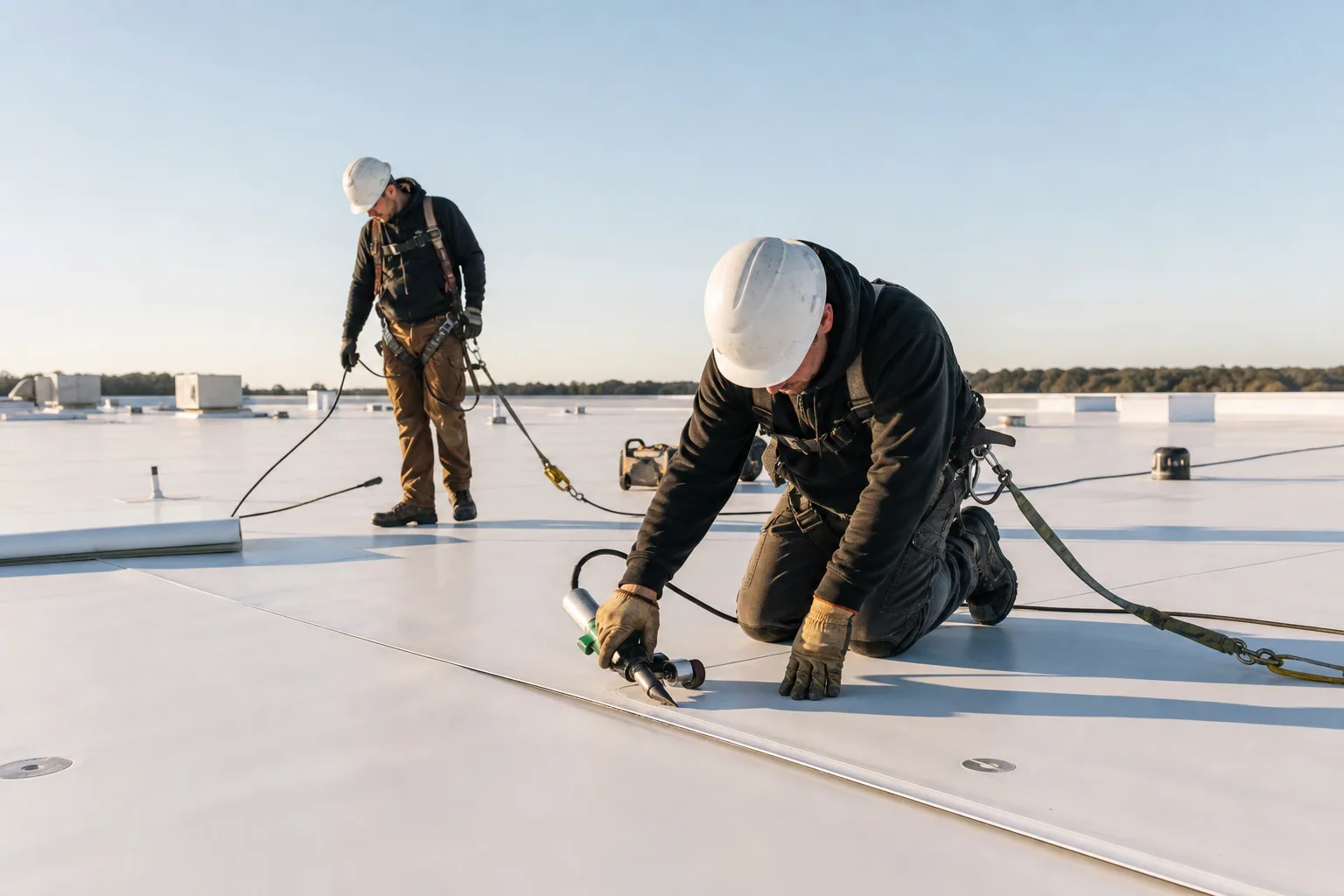
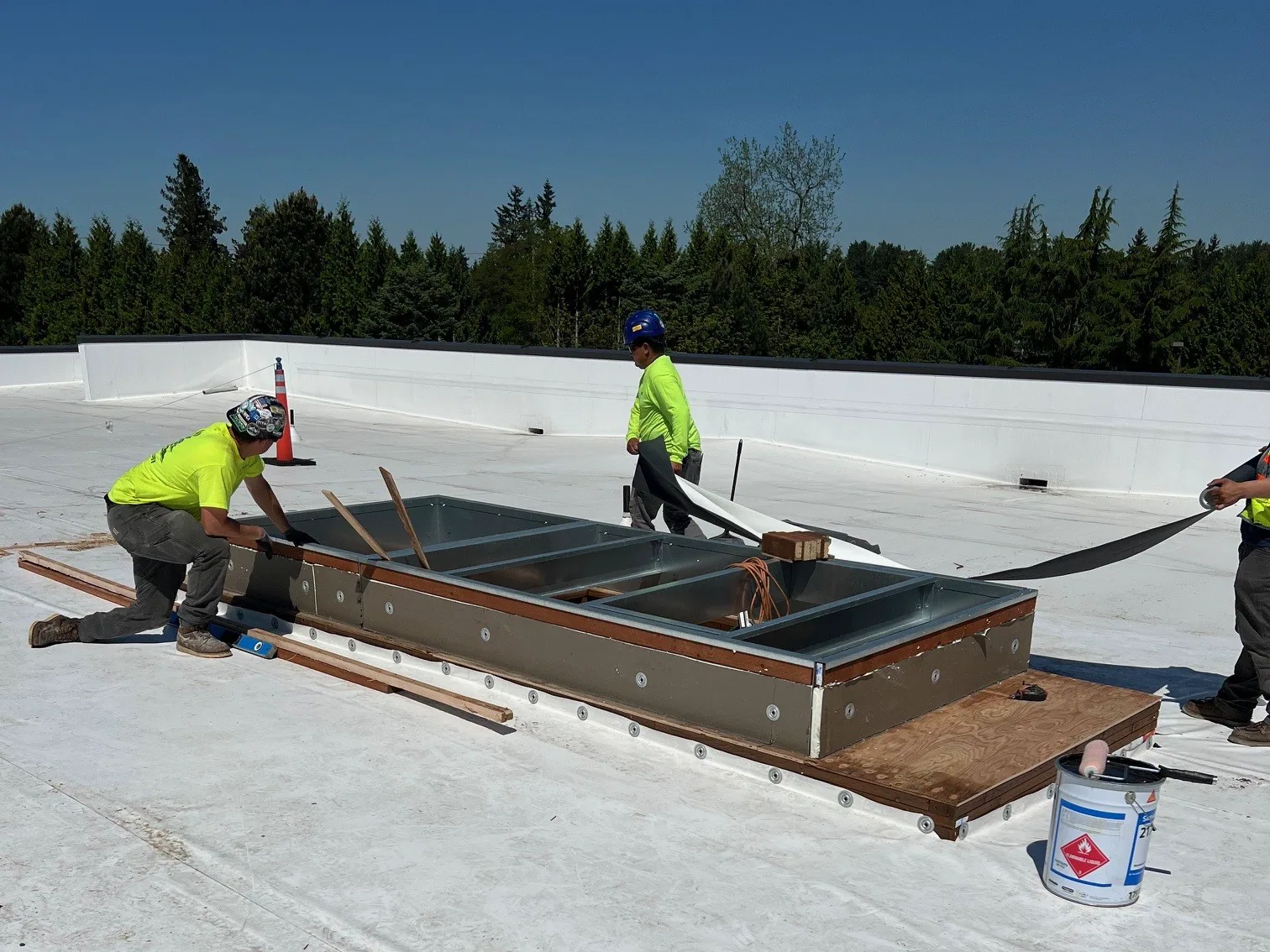
At an open lap, a seam failure repair may be needed if the joining area has separated or cannot receive a new weld or bonded connection. Around equipment or pipe, a flashing failure examination checks the base and termination. If the membrane has a hole, we define a puncture repair boundary rather than covering an uncertain area. Each condition has a different preparation and material decision. We compare the suspected entry with the plane of the roof, not just the nearest opening. A sloped transition can carry water toward a distant joint, and a curb can admit water at its base even while its top appears intact. The owner sees which connection fits the evidence and which nearby detail needs a separate check.