What caused the opening, and what material is affected?
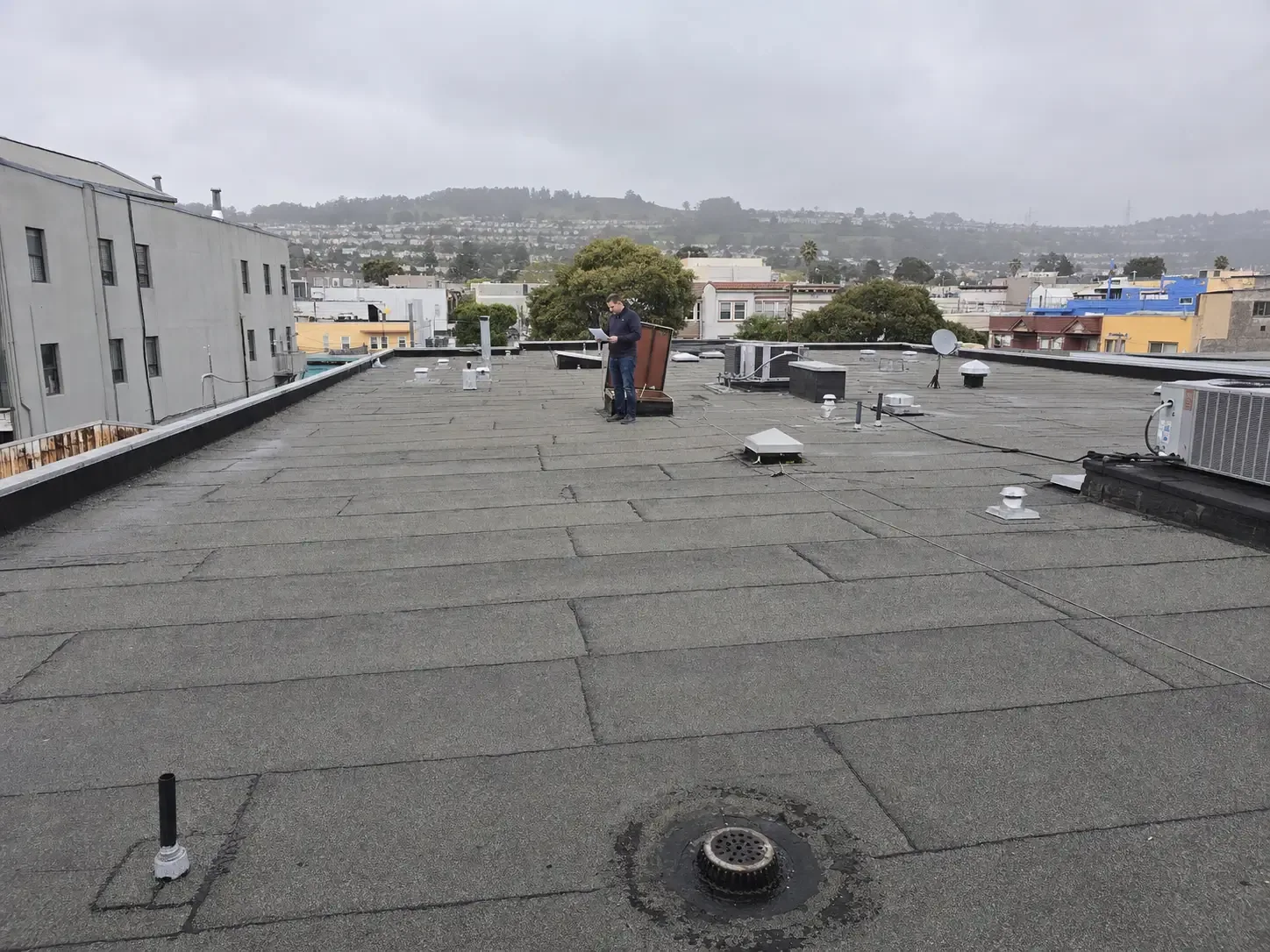
We photograph the puncture with a location view and a close detail, then check for sharp debris, dropped tools, fastener ends, equipment work or a nearby walkway that could explain the contact. The cause should be described as observed or reported, not guessed. A puncture can pass through a cover board or insulation, or stop at the membrane; the surface opening alone cannot establish the depth. If the owner authorizes a test cut, document the layers exposed and the plan to close them. TPO roof membrane identification helps confirm the matching patch stock and preparation process.
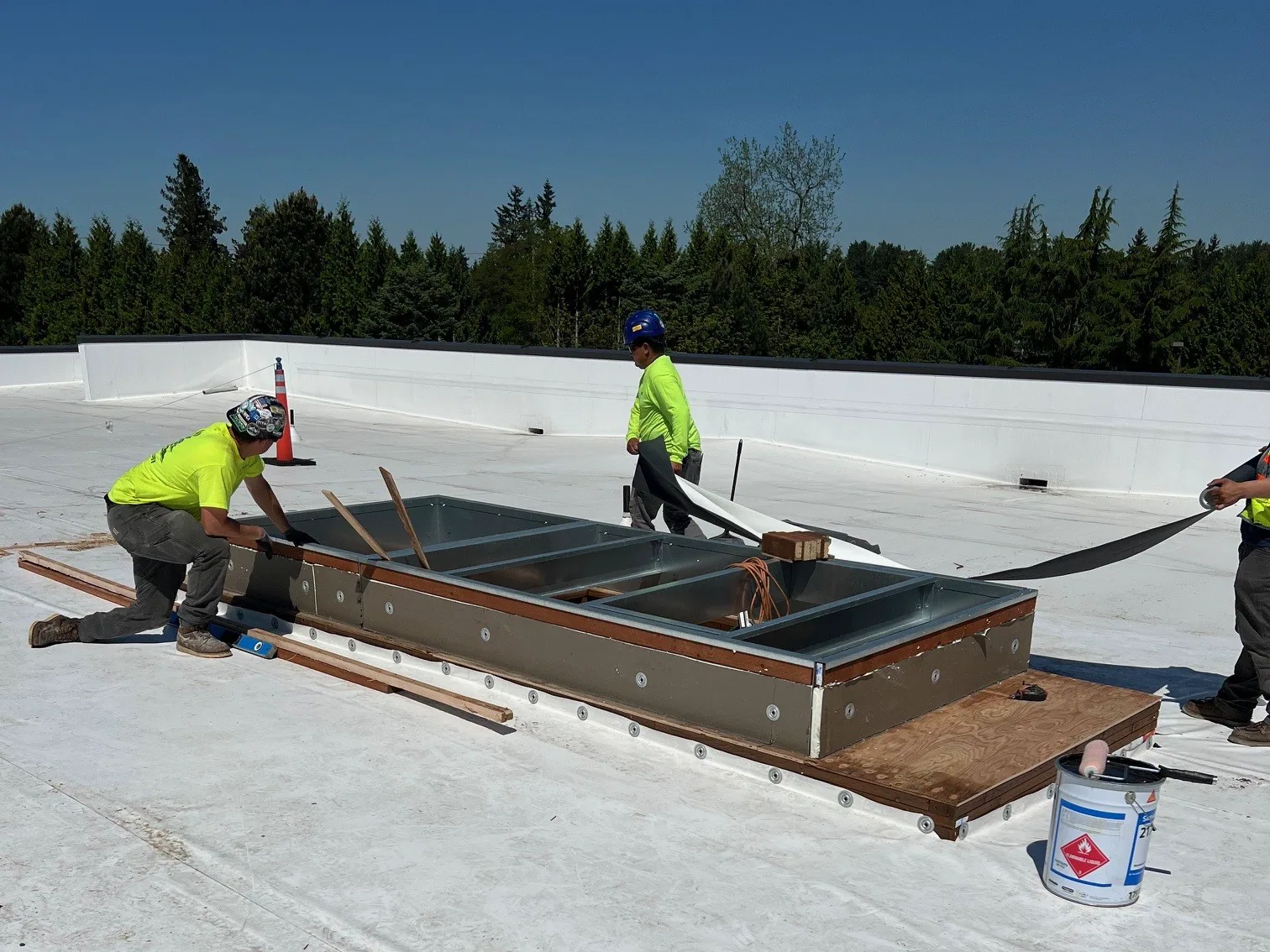
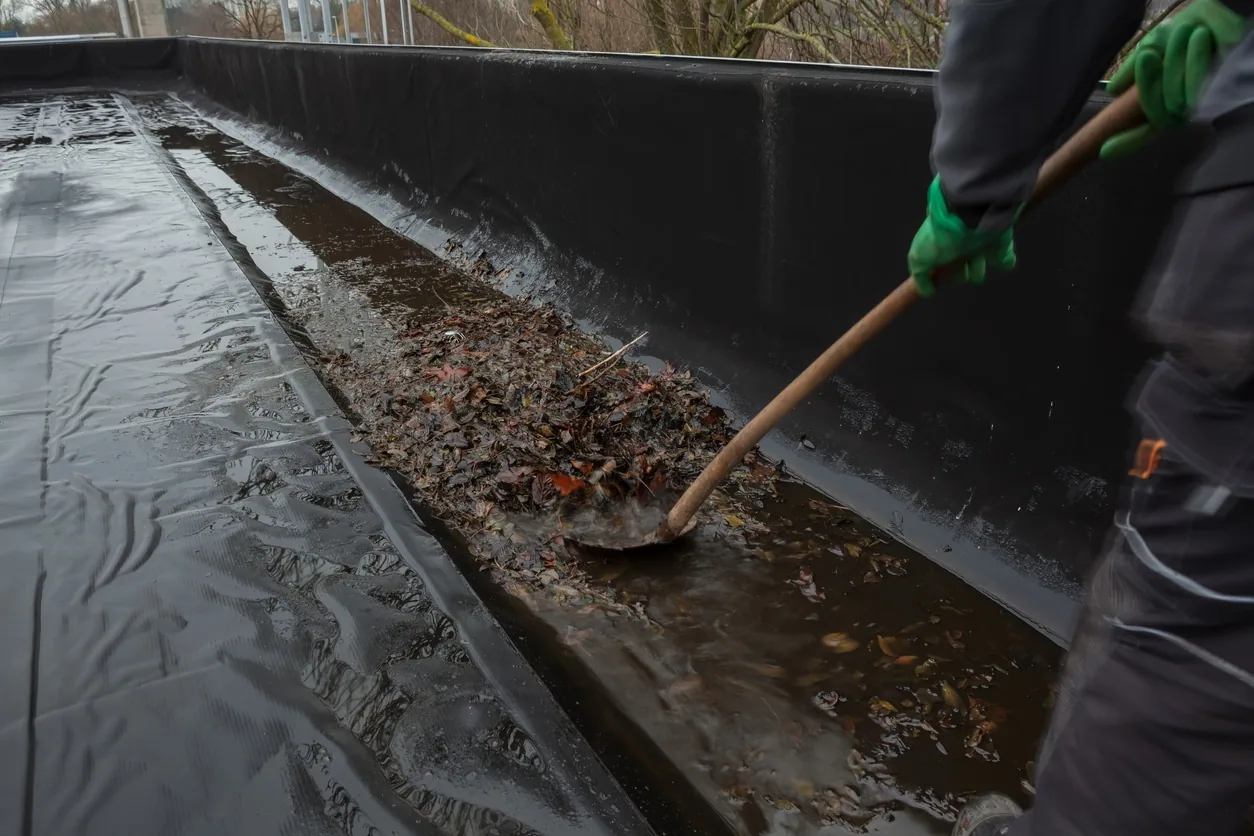
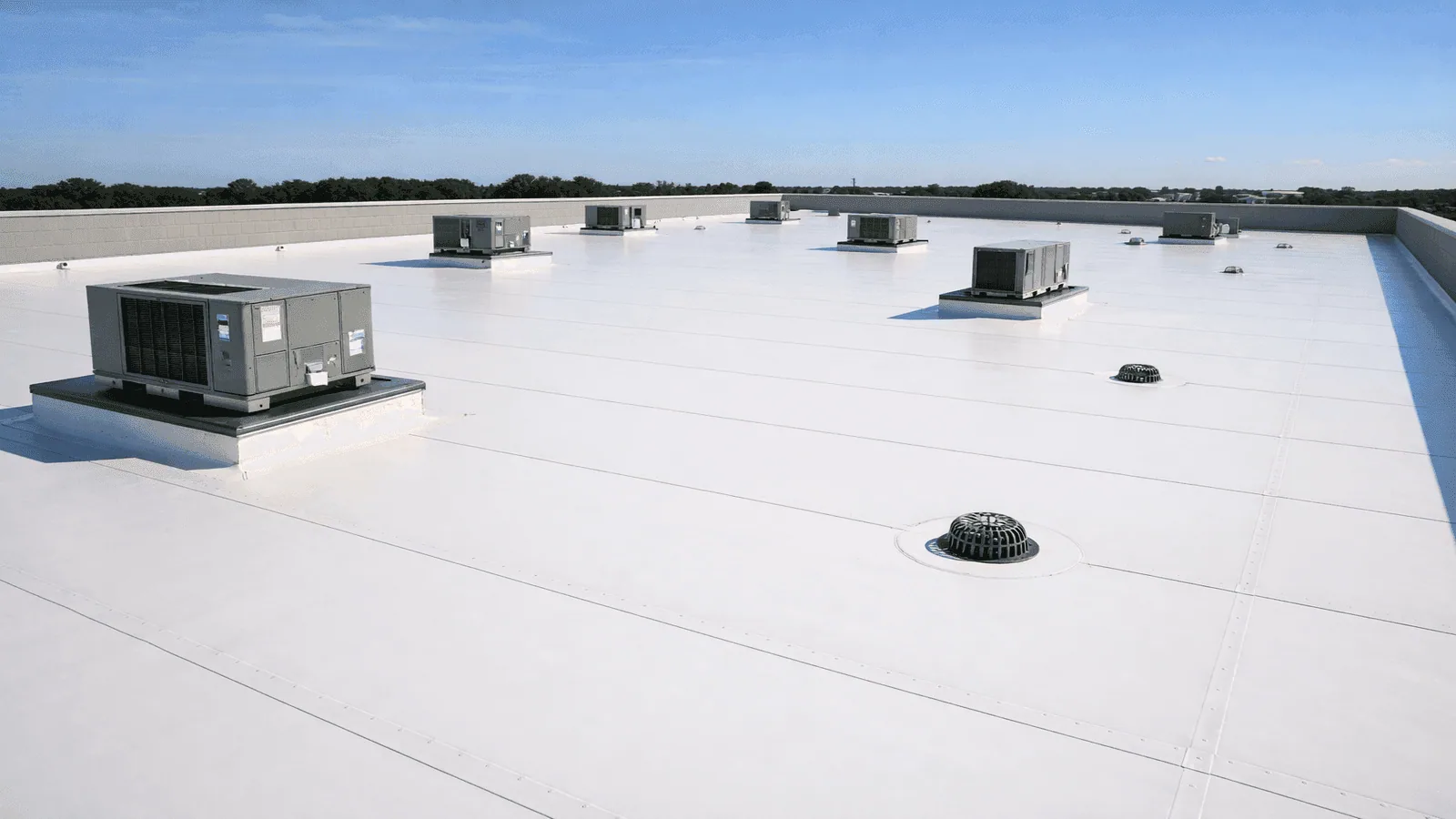
We identify the system where possible from records, labels, visible surface and repair history. Different membrane families use different patch materials and preparation. A thermoplastic sheet may be welded with compatible material; EPDM needs its specified primer and flashing products; an asphaltic roof may require reinforcing plies. A patch that bonds chemically or thermally to one roof may be unsuitable for another. If identification is uncertain, pause material selection until compatibility is confirmed. EPDM roof membrane records can help distinguish the compatible primer and flashing components from a thermoplastic repair kit.