TPO Commercial Roofing in Garland, TX

TPO Commercial Roofing in Garland, TX

TPO Commercial Roofing

Roof Systems

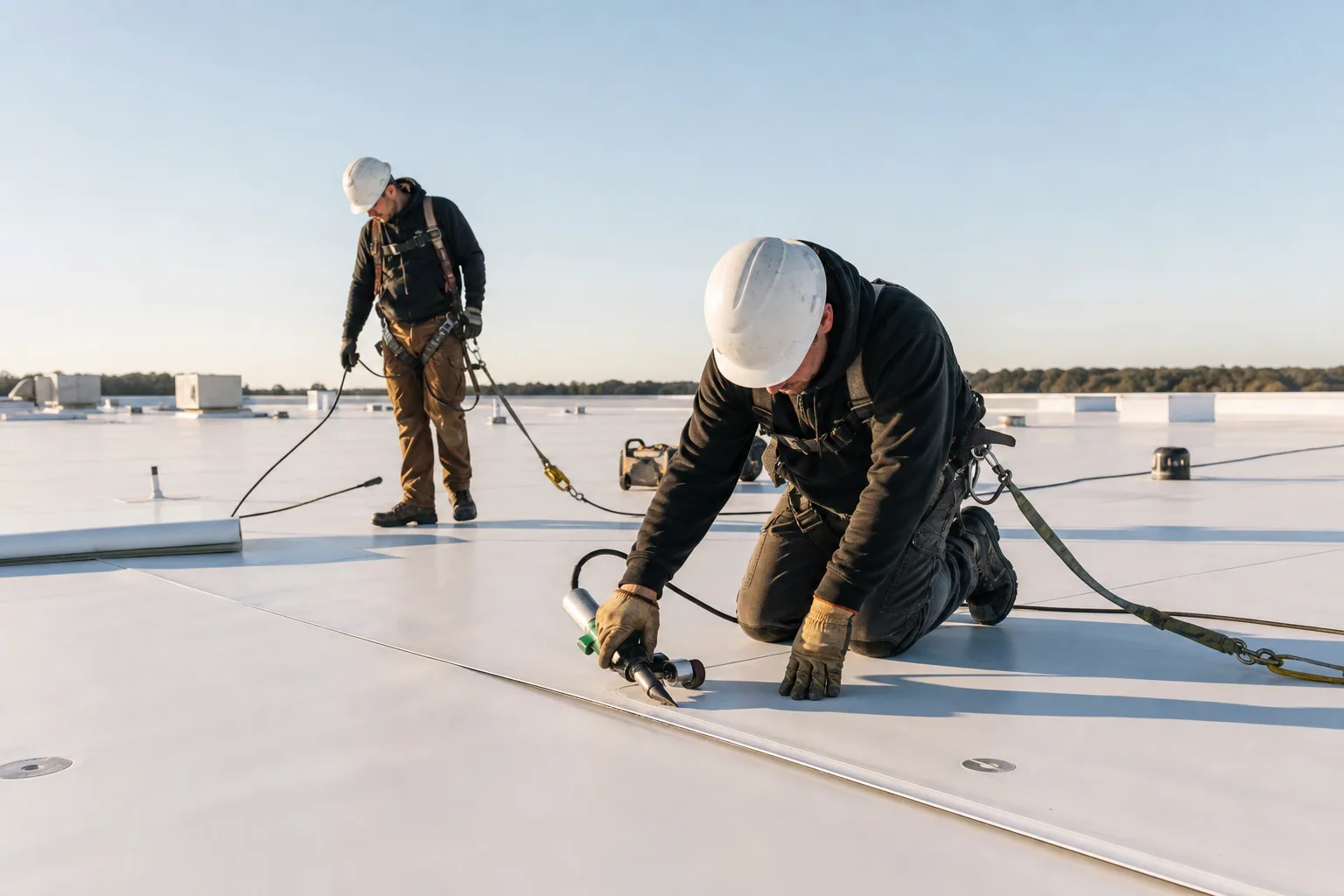
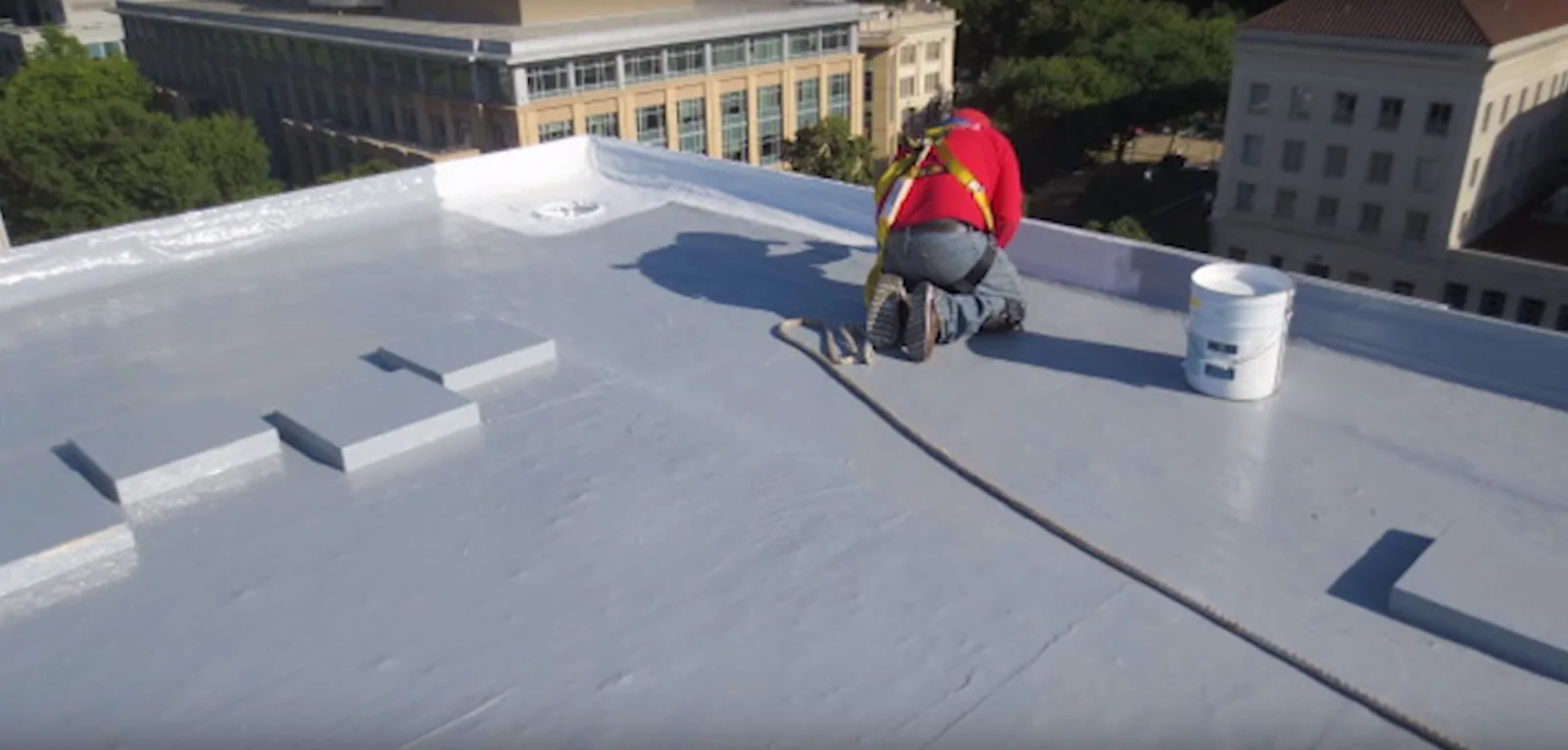
A new TPO roof is not just a white sheet rolled across a deck. The membrane, insulation, attachment, welded laps and flashing details have to work as one assembly over the building’s actual substrate. We first confirm what is there, where the roof needs new material and which attachment and detail conditions the design must resolve. That review helps an owner compare TPO with other systems without treating product color or a generic thickness as the whole specification.

For a property near Downtown Garland or Firewheel Town Center, provide the street address and roof plans so additions and existing layers can be matched to the correct building.

The I-30/Rosehill area is part of Garland's planned catalyst geography and connects to the broader regional corridor. On a TPO roof nearby, confirm membrane thickness, attachment, and seam condition before writing a repair boundary.

What is TPO, and what makes it a distinct system?

TPO means thermoplastic polyolefin. Commercial TPO membranes are commonly reinforced single-ply sheets whose seams are joined with controlled hot air rather than the splice tapes used in many EPDM details. Manufacturers offer more than one formulation, reinforcement, thickness, color and attachment configuration. The product data and approved assembly therefore matter more than a broad statement about “TPO” as if every brand and system were identical.

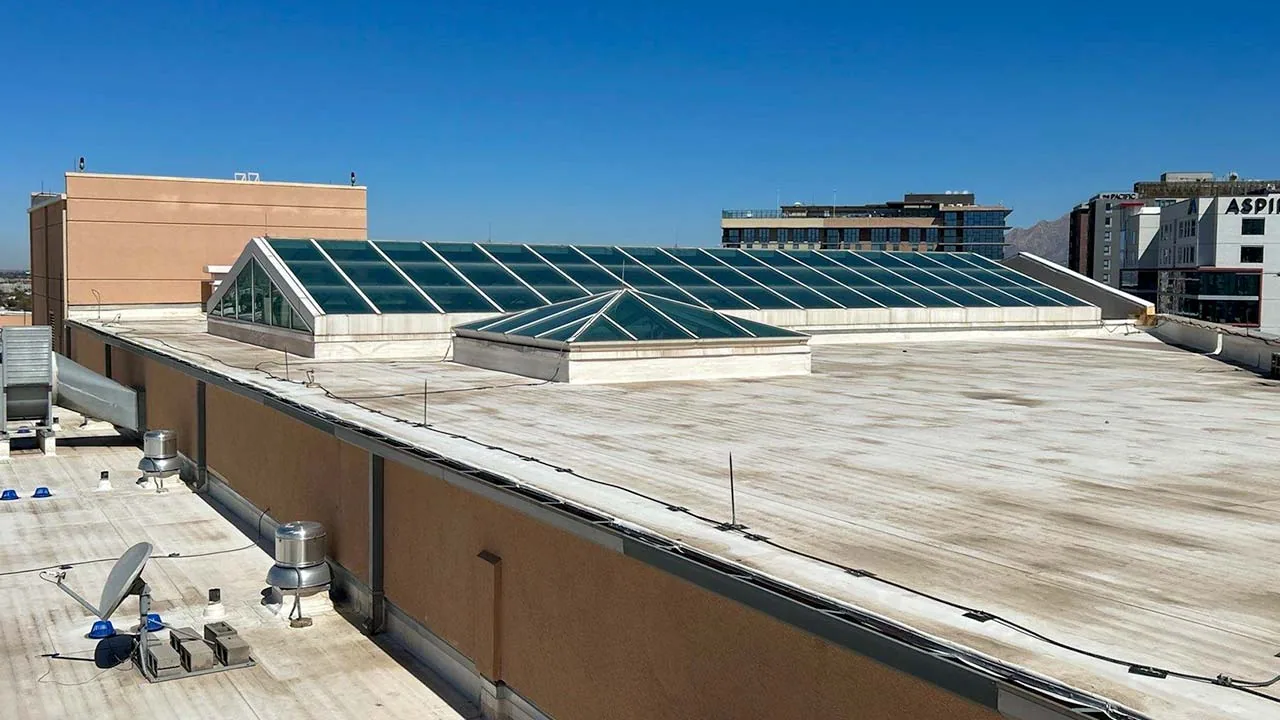
Some white and other reflective TPO products are used in cool-roof designs, but color alone does not establish the installed roof’s reflectance, energy savings or indoor temperature. A material selection should account for exposure, roof geometry, project criteria and current rating information. PVC roofing also uses heat-welded thermoplastic seams, while EPDM roofing is a synthetic rubber family with different seam and flashing materials.

TPO Commercial Roofing in Garland, TX

How should attachment and the deck be selected?

Identify the structural deck, existing insulation and any cover board before choosing mechanically attached, adhered or an approved induction-weld arrangement. Attachment patterns depend on the assembly, roof zones, deck, insulation and design pressures; they cannot be set by membrane name alone. The structure also needs review for the specified loads and applicable project requirements. If the roof has multiple additions or repairs, separate those areas in the drawings and site notes instead of applying one assumed substrate to the whole footprint.

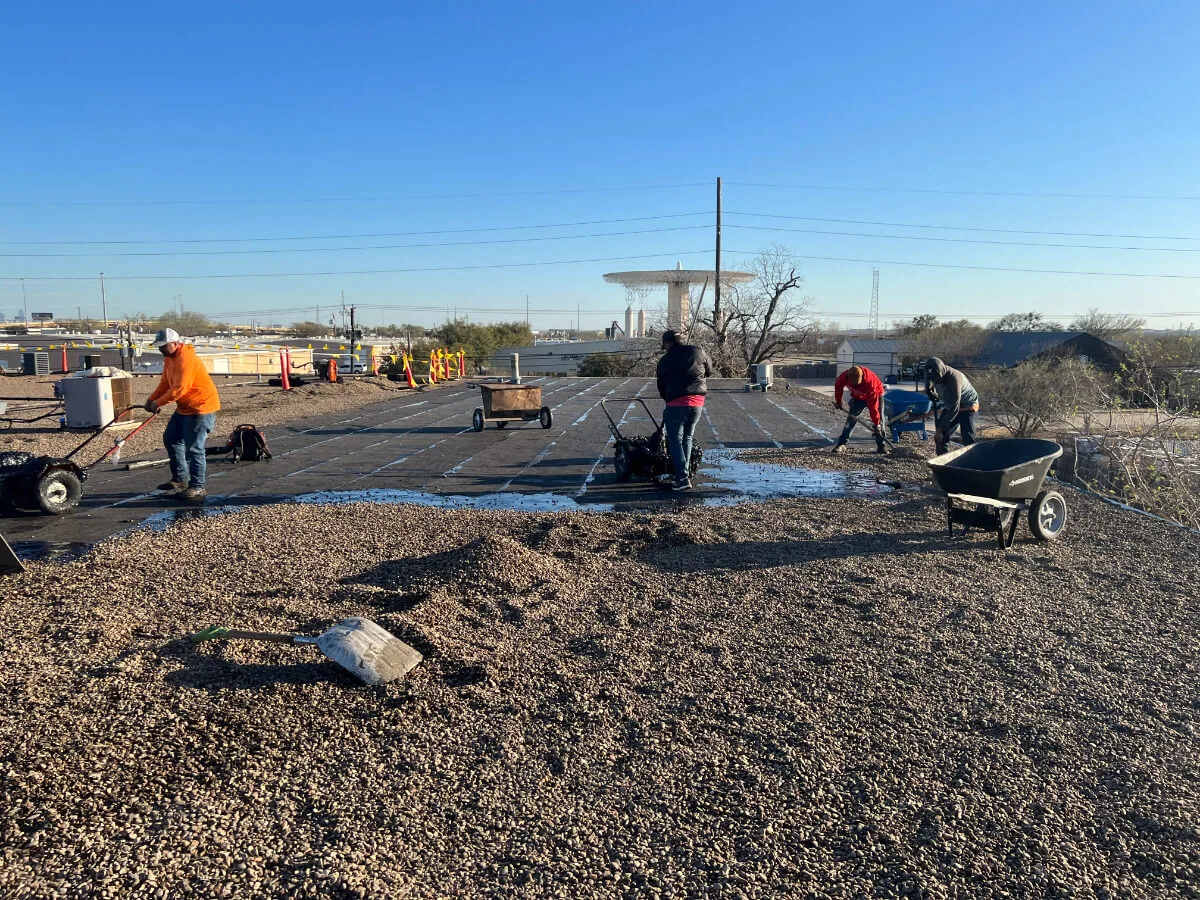
Board joints, surface irregularities and moisture can affect membrane support and weld locations. Correct unsuitable insulation, establish a clean and dry receiving surface, and state how boards are attached before membrane work starts. Product guides govern primer, adhesive and fastener use. For a reroof, compare that assembly with a recover evaluation only after retained layers and attachment suitability have been investigated.

TPO Commercial Roofing in Garland, TX

What controls the seams and perimeter transitions?

Heat-welded laps need correctly prepared surfaces, aligned overlap and equipment set for the particular membrane and field conditions. A seam that looks continuous at a glance still needs the prescribed inspection and any repairs completed. Field seams, hand welds, transitions from machine welding and details around drains or penetrations each create distinct workmanship checks. Do not carry one manufacturer’s temperature or overlap number into another brand’s specification.

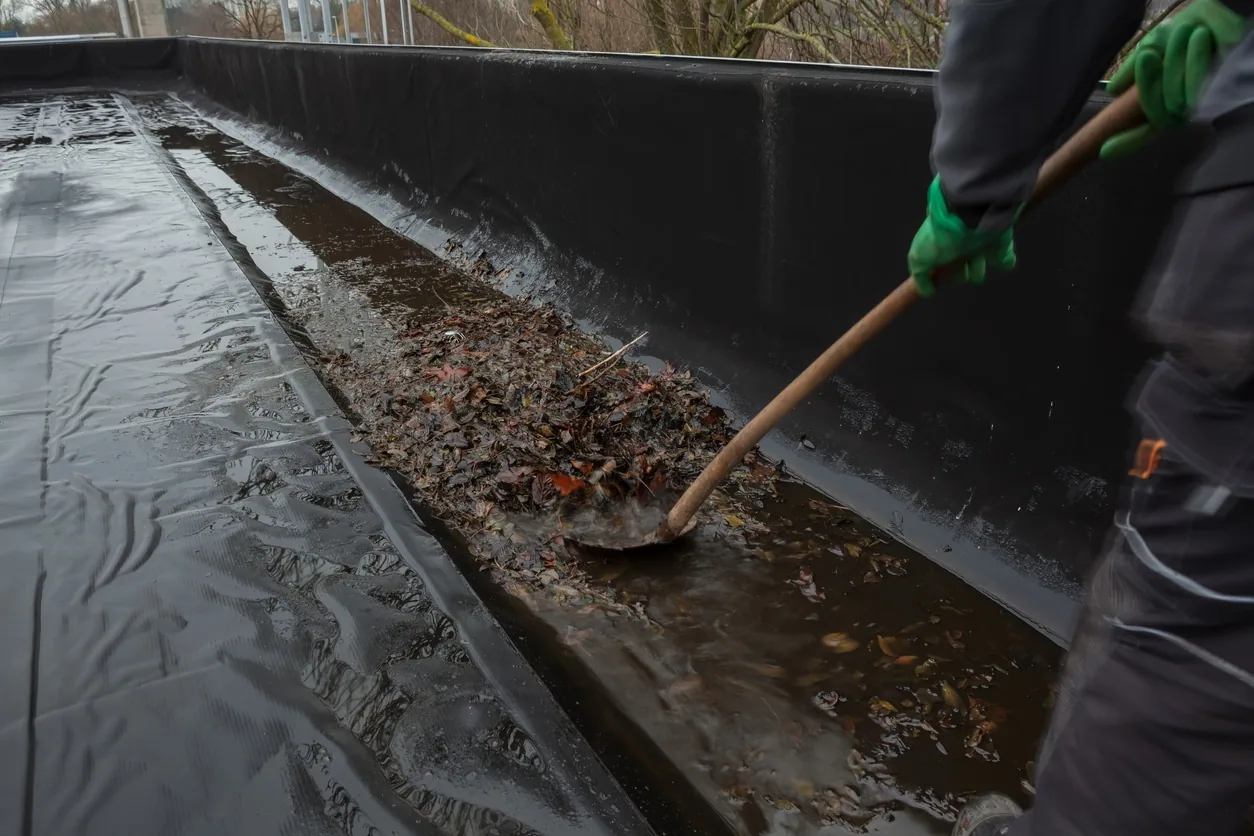
At walls, curbs, pipes, roof edges and expansion joints, the membrane needs a compatible flashing and termination detail. Coated metal or prefabricated accessories may be part of the selected system, but every connection must match the roof construction and written detail. Drain bowls and scuppers must remain clear and tie into the membrane rather than ending at an unsealed cut edge. See roof drains and scuppers when outlets need separate repair or reconstruction.

Field seams and factory details need consistent preparation before hot-air welding. Check that the surfaces are clean and dry, then set the welder using the membrane manufacturer's requirements and verify the result on a sample weld. Probe completed seams after cooling, with corners and changes in plane checked separately from long field laps. Record repairs and test locations on the roof plan. A strong field weld does not correct a loose edge, incompatible patch, or poorly flashed curb, so those transitions need their own review before the system is accepted.

Which building conditions affect the TPO choice?

Review rooftop exhaust, grease or chemical exposure, foot traffic, equipment service paths, ponding areas and interfaces with existing materials. TPO and PVC are both thermoplastics, but their formulations and product-specific exposure ratings differ. If contaminants, heat or service activity reach the roof, describe what contacts the membrane and how often; then check current manufacturer documentation for the candidate product. A generic “chemical resistant” label does not answer whether a particular exposure is acceptable.

Garland has hot summers and variable winter temperatures in the broader DFW climate, which is regional context rather than a roof-design calculation. The actual system still needs to meet project-specific wind, fire, energy, drainage and structural criteria. The City of Garland lists 2015 model-code editions effective September 19, 2016 and advises commercial project contacts to confirm permit applicability with Building Inspection. That listing is not a current determination for a particular property or reroof scope.

TPO Commercial Roofing in Garland, TX

When should the owner compare another roof system?

Compare TPO with PVC when rooftop chemicals, oils, grease or process discharge could matter, and with EPDM when the owner is weighing a rubber membrane and its compatible seam methods. Compare single-ply systems with modified bitumen or built-up roofing when a multi-ply construction or different service strategy is under consideration. The answer depends on the deck, existing assembly, loading, details, exposure, installation constraints and the exact products proposed.

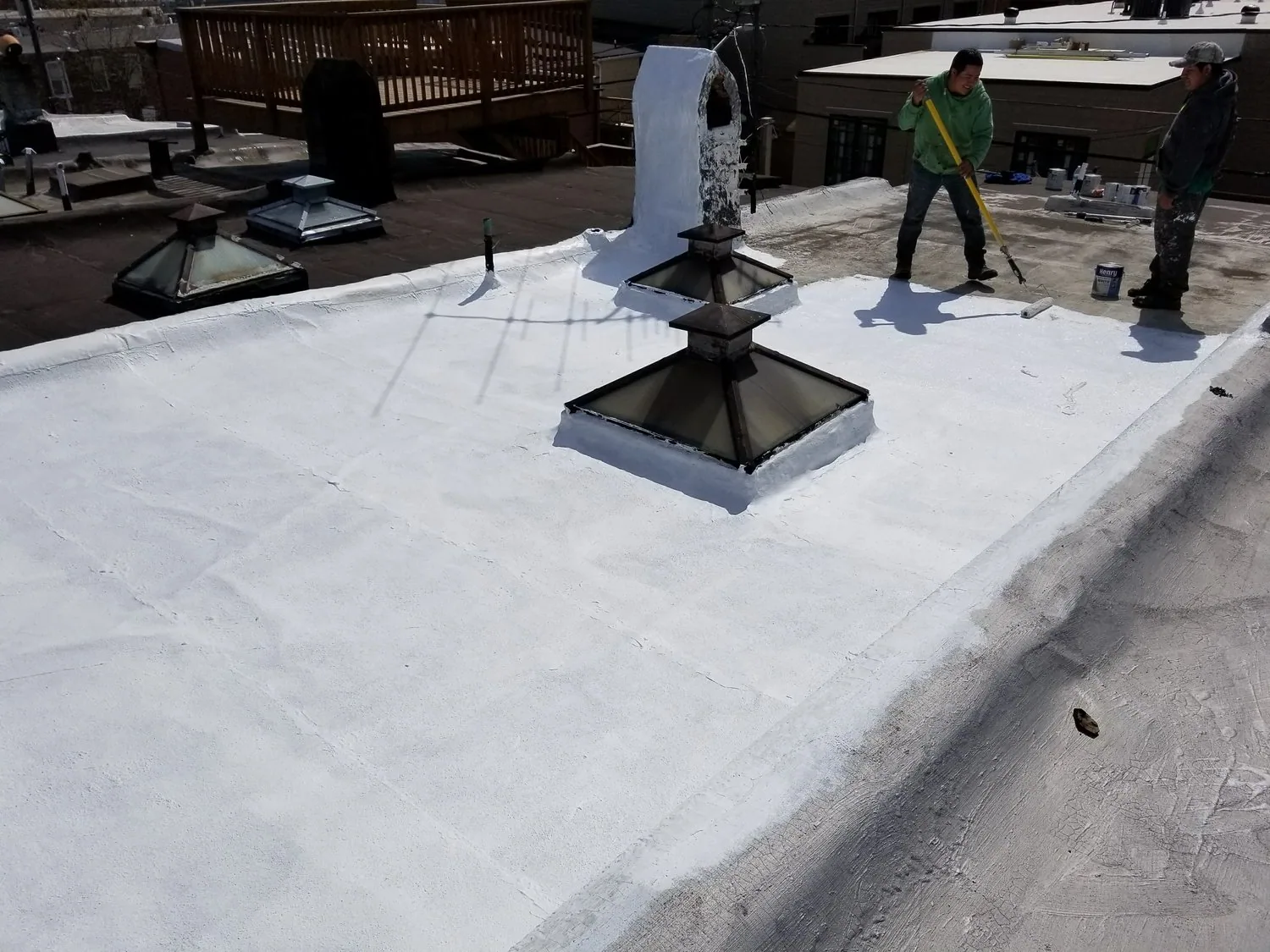
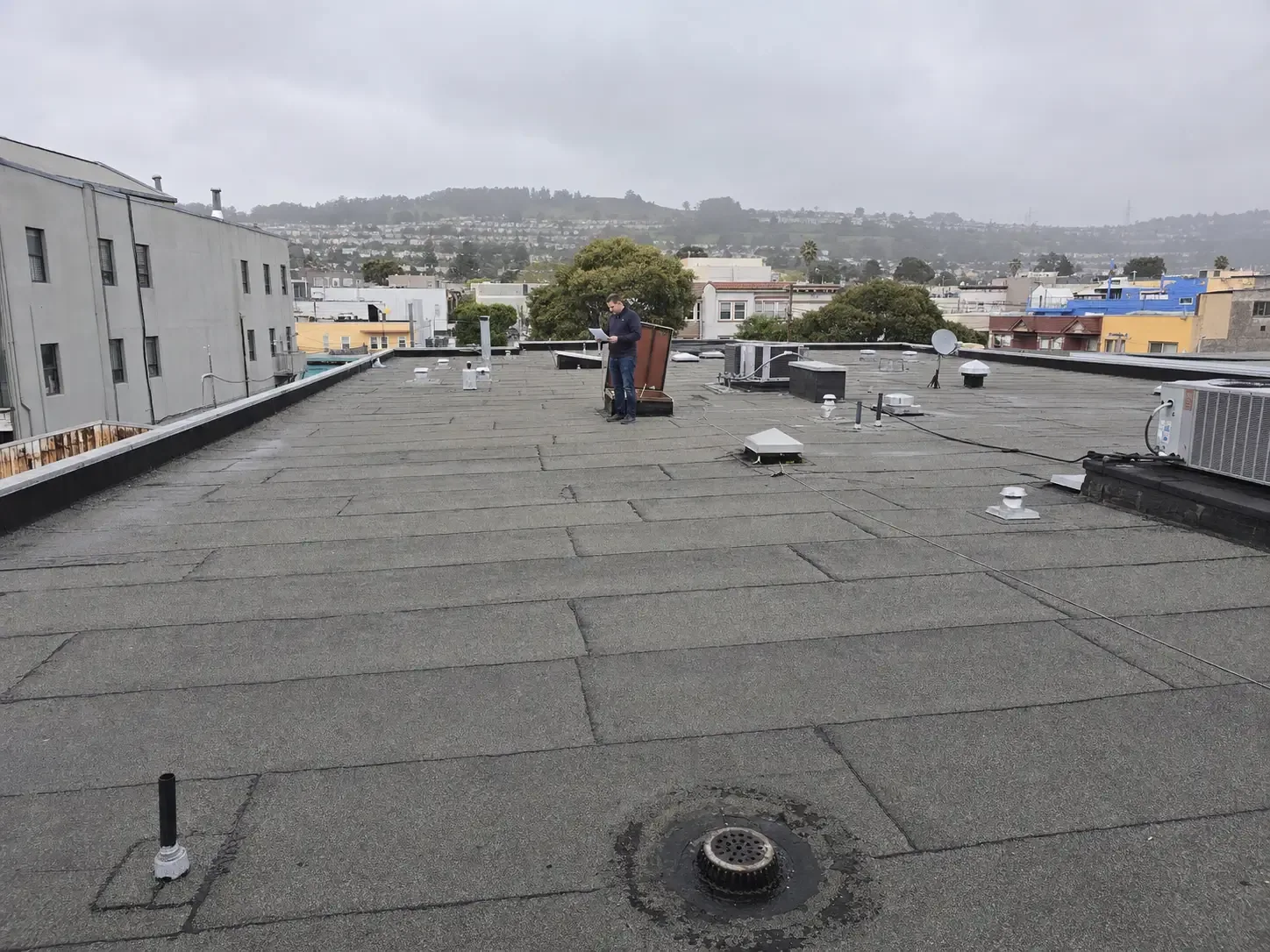
A coating or repair may be appropriate for a sound existing roof with localized needs, but neither should be used to conceal wet insulation or an unresolved opening. A commercial roof inspection can record visible conditions and limits; an owner should authorize test openings where concealed layers affect the decision. Before comparing assemblies, confirm the address, available roof records and the owner’s intended scope.

TPO Commercial Roofing in Garland, TX

What should the TPO scope and closeout identify?

The proposal should name the manufacturer and membrane, reinforcement or fleece configuration, thickness, color, insulation and cover board, attachment method, flashings, edge metal, drainage work, access routes and exclusions. Identify what happens if removal exposes wet material or a different deck and who approves added work. Current system details and project approvals should be attached or referenced by edition so the installer is not left to fill design gaps at the roof edge.

Closeout should map completed roof areas, identify membrane and accessory products, document seam and flashing checks, and photograph drains, edges, penetrations and transitions. Keep warranty terms tied to the actual issued documents; a system name alone does not establish a duration or outcome. Provide the Garland address, available roof records and concern so we can examine the existing assembly and discuss whether TPO fits.

For a roof divided among additions or separate elevations, keep a roof-area key with the bid and closeout. Mark membrane transitions, retained sections, test openings, drains and access paths on the same plan. This gives the owner a way to compare quantities with completed work and helps a future inspector distinguish a documented boundary from a later change. Record any approved substitution by product and location before it is covered.

TPO Commercial Roofing in Garland, TX

Common Questions

Are all TPO membranes installed the same way?

No. Manufacturers offer different membrane constructions, adhesives, fasteners and approved assemblies. Use the current instructions and details for the specific product and deck.

Does a white TPO roof automatically lower energy bills?

No. Reflective properties can be one design consideration, but energy use depends on the whole building and climate. Confirm product ratings and project assumptions instead of promising a savings amount.

Can TPO be installed over an existing roof?

Possibly, after the retained layers, moisture, attachment, structure, drainage and code requirements are checked. Some roofs need selective removal or full replacement.

What should be inspected at TPO closeout?

Review completed seams, hand welds, transitions, drains, penetrations and edge details against the selected system instructions, then record repairs and excluded areas.

TPO Commercial Roofing in Garland, TX

Review TPO against the roof assembly

If TPO is under consideration, share the address, existing assembly records and the decision you need to make; we can review substrate and attachment questions against the roof conditions available for inspection.

Call 555-555-5555 or request a roof assessment.

Questions About Your Roof?

ServicesRoof SystemsProperty TypesIndustriesService AreasDamage RepairCapabilitiesManufacturersAboutRequest a Roof Assessment555-555-5555
Call us today555-555-5555