EPDM Commercial Roofing in Garland, TX

EPDM Commercial Roofing in Garland, TX

EPDM Commercial Roofing

Roof Systems

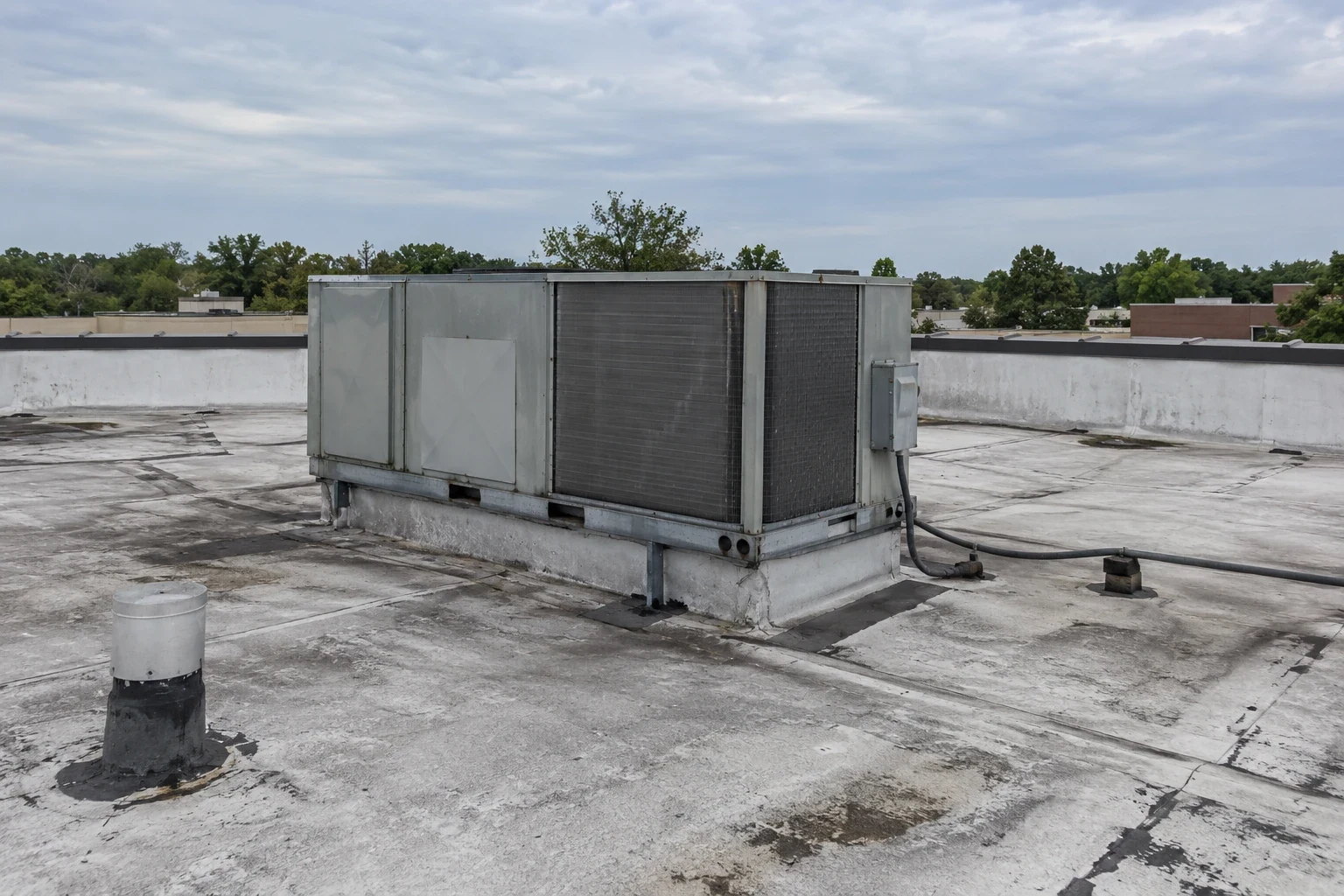
EPDM is a flexible synthetic rubber membrane, and its seams and flashings are made with a different set of materials than heat-welded TPO or PVC. The system needs the right sheet, attachment, seam preparation and compatible details at every drain, curb and wall. We review the deck, existing assembly, service routes and repair history before discussing whether EPDM suits the roof. Confirm the installed sheet, attachment, thickness and issued warranty from records and inspection before selecting a splice or replacement detail.

For a property near Central Library or Harbor Point, available roof plans and repair logs can help distinguish the original EPDM area from later additions before inspection.

Garland's I-30 catalyst area connects regional access with lakefront and commercial opportunities. An EPDM scope near the corridor should still identify the installed membrane, seam type, and attachment at the individual property.

What is different about EPDM membrane?

EPDM is ethylene propylene diene monomer, a synthetic rubber used in low-slope roofing. Manufacturers offer different colors, reinforcements, thicknesses, sheet widths and factory-applied seam products. Black and white options exist in some product families, but a color choice does not settle system performance, thermal effect or building energy use. Review actual product data, reflectance where relevant and project design criteria rather than generalizing from the polymer family.

Unlike TPO and PVC, EPDM field seams commonly depend on primer with splice tape, self-adhered seam products or another specifically approved system detail. A TPO membrane and PVC membrane instead use heat-welded thermoplastic seams. That difference affects preparation, inspection and repair materials. Never use a thermoplastic patch or generic sealant on EPDM unless the membrane manufacturer approves that exact repair method.
EPDM Commercial Roofing in Garland, TX

What substrate and attachment are required?

Confirm the structural deck, insulation, cover board and surface condition before choosing adhered, mechanically attached or ballasted construction. Each method transfers load differently and has deck and assembly limitations. A fleece-backed sheet also changes how adhesive contacts the receiving board. Fastener layout depends on the approved system and project design, while adhered work depends on substrate preparation and product-specific adhesive coverage.

Record existing layers, wet or damaged material, deck changes and prior patches. If the owner is considering an overlay, test and design the retained assembly before relying on it as a base. The assembly should show insulation attachment, membrane securement, perimeter and corner conditions, and any separation layer. Ask the manufacturer or design professional to resolve unlisted substrates before specifying a system.

EPDM Commercial Roofing in Garland, TX

How should EPDM seams be prepared and checked?

A taped splice relies on clean mating surfaces, the specified primer or cleaner, tape placement and firm rolling pressure. Temperature, moisture, dust and aged membrane can affect the preparation and bonding process. Some products arrive with factory-applied seam tape; other configurations have different joint details. Follow the current guide for the exact membrane rather than assuming all EPDM uses identical tape width, lap-sealant treatment or seam intersections.

At a seam intersection, T-joint, end lap or repair, confirm the specified accessory and edge treatment. Probe or inspect completed details using the manufacturer’s procedure and correct deficiencies before covering them. The selected membrane and accessory must match one another and any warranty requirements stated in the approved submittal. Carlisle’s guide specification, for example, gives specific tape and flashing steps for its Sure-Seal assembly; those steps are not universal instructions for another brand.

For taped seams, follow the selected system's primer and splice-tape requirements, and keep the joining surfaces clean while the lap is assembled. Roll the seam with the specified pressure and inspect its edge for fishmouths, gaps, or contamination. A patch should extend onto sound membrane and be rounded where the repair detail calls for it. At a roof with several generations of repair, identify the material already present before combining adhesives or tapes. The closeout map should distinguish a tested repair from adjacent seams that were only viewed.

Where do transitions and service paths matter?

EPDM detailing extends beyond the field laps. Wall bases, curbs, pipes, drains, scuppers, skylights, expansion joints and edge metal each need a compatible flashing connection and termination. Preformed boots and pressure-sensitive flashing may simplify some conditions where the product permits them, but odd shapes or aged surfaces may need a different approved detail. Inspect the receiving surfaces and identify metal work or equipment changes before the membrane is cut to fit around them.

Water should move to functioning outlets without passing behind flashing or ponding at a seam intersection. Place walk pads where the system documents them for recurring equipment access, then keep pathways from blocking drains. For a drainage repair, connect the membrane work to roof drains and scuppers or related edge metal rather than treating each termination as an isolated sealant bead.

EPDM Commercial Roofing in Garland, TX

How does EPDM compare with other system families?

EPDM may be considered where the owner wants a rubber membrane and its selected attachment and seam approach fit the roof. PVC or KEE may be worth examining where product-specific chemical resistance matters; TPO may fit another combination of reflectivity, welding and system options. Modified bitumen and built-up roofing use bituminous multi-ply constructions rather than a single rubber sheet. These are not interchangeable labels for the same repair.

Compare what each specification includes at insulation, attachment, seams, flashings, rooftop traffic and future maintenance. A commercial roof inspection can describe accessible conditions but may not reveal concealed moisture or deck damage. Add authorized testing where it can change the choice. The City’s code page lists 2015 editions effective September 19, 2016, but current permit and code requirements must be confirmed for the actual Garland project.

EPDM Commercial Roofing in Garland, TX

What records make EPDM repairs easier later?

Document membrane manufacturer and product, sheet thickness and reinforcement, attachment, insulation and cover board, seam materials, flashing components and completed roof areas. Photograph splices, corners, T-joints, penetrations, drains and edges. Record repairs, test openings, retained materials and any inaccessible zone. Keep a roof plan that ties photographs and splice repairs to a repeatable location so future crews can distinguish a new defect from an earlier patch or a separate assembly. A later service visit is safer when the owner can distinguish original work from patches or added equipment.

Provide the Garland address, roof history and reported concern. We can examine the assembly, explain how its details are constructed and identify whether an EPDM system is appropriate for the project.

When several membrane types meet on one roof, mark the limits of each area and identify the seam or flashing product used at each repair. A roof plan should show equipment added after the original installation, patches that cross earlier work and any section where the material could not be confirmed. That record prevents an EPDM repair detail from being carried onto an adjacent sheet simply because it looks similar. Attach product labels or submittal pages when available, and note the inspection date so later observations can be compared fairly.

Record whether a repair was made with a pressure-sensitive accessory, splice tape or field-fabricated flashing. Those distinctions matter when a later visit must determine which manufacturer procedure applies. Keep the record with the roof plan, not only in an invoice file.

EPDM Commercial Roofing in Garland, TX

Common Questions

Are EPDM seams heat-welded?

Usually they use compatible primers and splice products or another manufacturer-approved detail. Follow the instructions for the exact EPDM product; do not apply TPO or PVC weld procedures to rubber membrane.

Can EPDM be mechanically attached or adhered?

Many product families have more than one attachment configuration. The deck, insulation, wind design and approved assembly determine which method is acceptable.

Does EPDM always come in black?

No. Product options vary by manufacturer and system. Confirm the offered color, reflectance information and assembly instead of assuming the category is uniform.

Can an EPDM leak be patched with any roofing cement?

No. Repair materials must be compatible with the membrane and follow its current repair detail. Identify the membrane type and condition before selecting a patch.

EPDM Commercial Roofing in Garland, TX

Review the EPDM assembly and seam details

Tell us which seam, flashing or transition is in question and share any roof records; an assessment can trace the EPDM detail into its substrate and show what the repair scope can verify.

Call 555-555-5555 or request a roof assessment.

Questions About Your Roof?

ServicesRoof SystemsProperty TypesIndustriesService AreasDamage RepairCapabilitiesManufacturersAboutRequest a Roof Assessment555-555-5555
Call us today555-555-5555