
About Commercial Roofing Garland
Commercial Roofing Garland
Commercial roof repair, replacement, coatings, inspections and maintenance for Garland, TX buildings
A commercial roof decision affects the rooms, equipment and work happening below it. Commercial Roofing Garland handles low-slope and metal roof repair, replacement, recover, restoration, coatings, inspection and maintenance. We begin by examining the building and its roof construction, then explain what the observed condition supports. For an active opening, temporary protection can be arranged while the permanent repair is defined. For planned work, the owner receives a scope tied to the actual assembly and access needs.
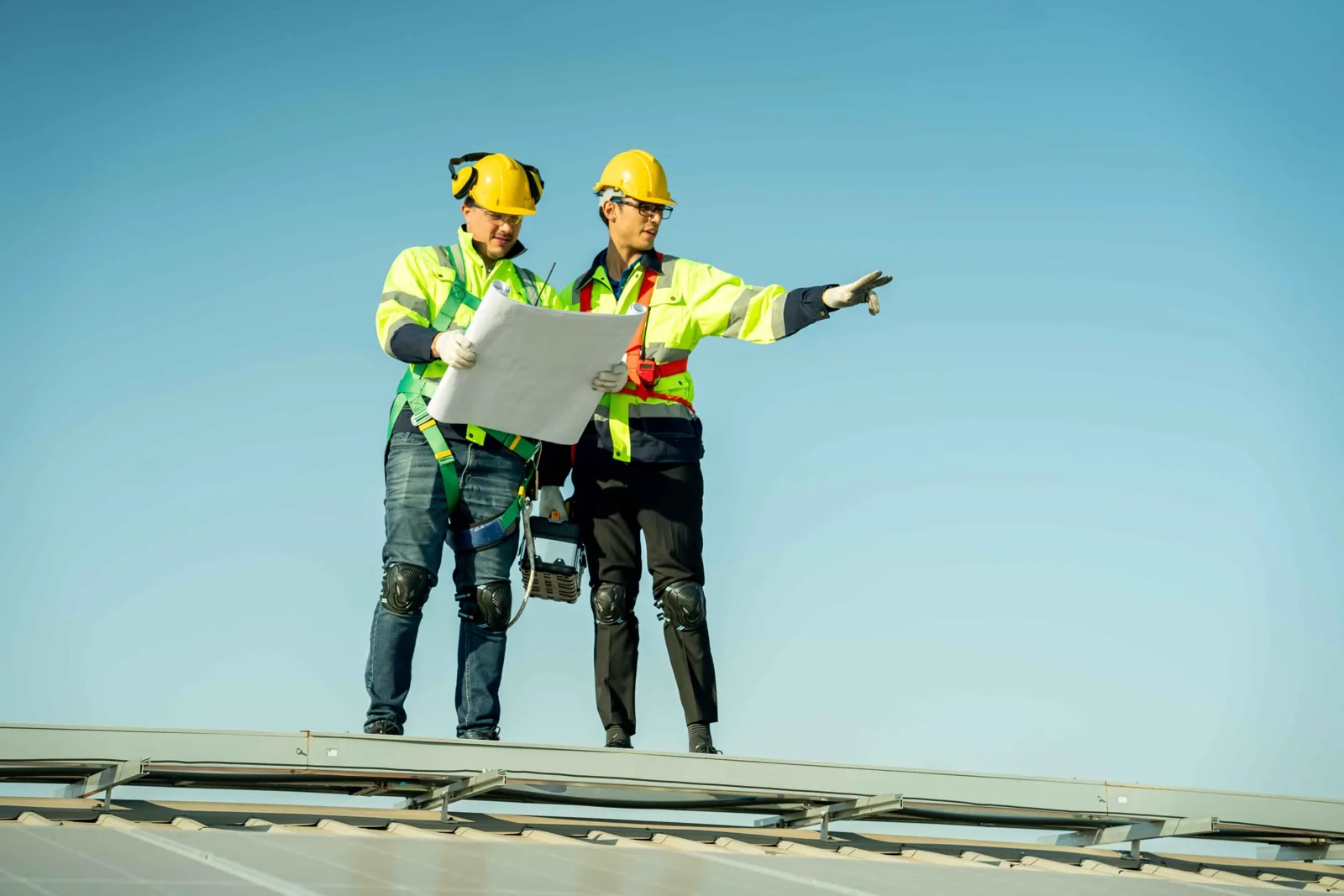
Garland, TX
Commercial Roof Repair, Replacement and Restoration
How do we start at the property?
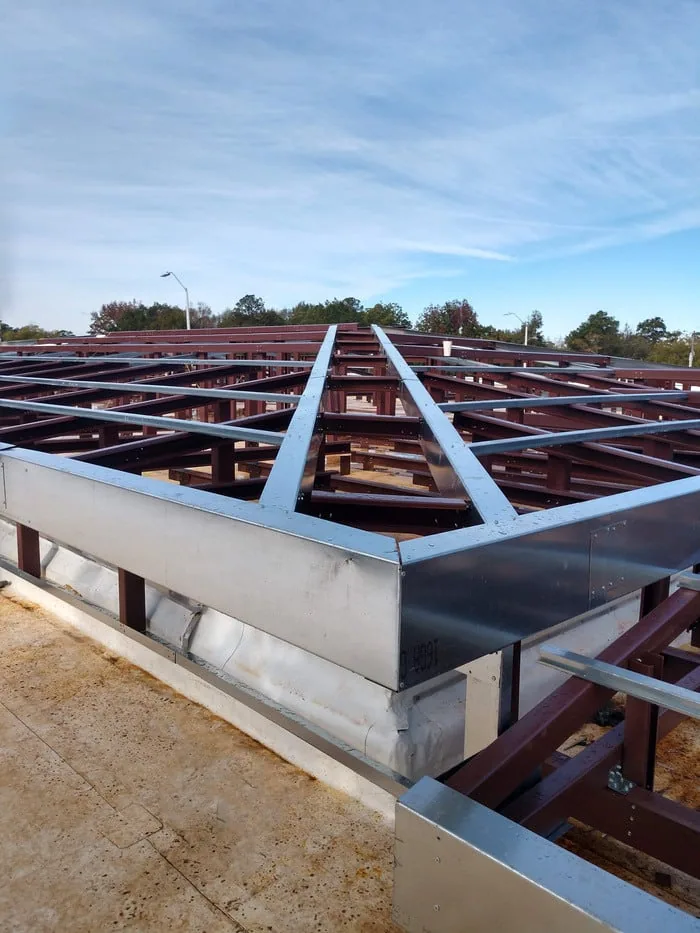
The first visit focuses on the roof that is present: field material, seams, transitions, penetrations, edges, drains and accessible supporting conditions. We compare visible roof evidence with the reported interior issue and note where the water path may enter. A commercial roof inspection records accessible conditions; a drone view can supplement an examination when an overhead view helps. Neither method makes concealed construction visible automatically, and we identify where additional investigation may be needed.
How is a repair separated from replacement?
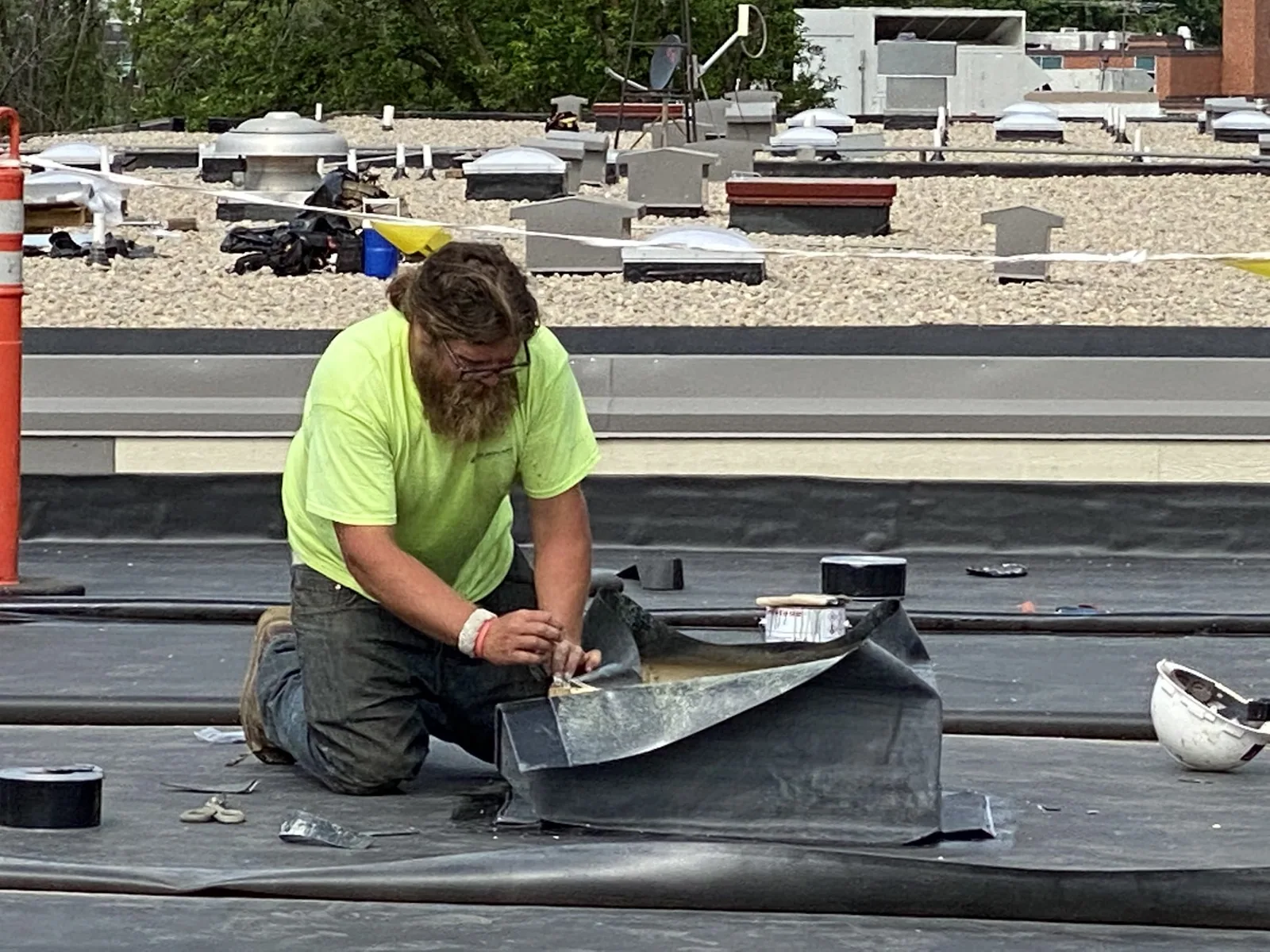
A repair is appropriate when the failed detail can be corrected and the surrounding assembly can receive that work. Broader deterioration, repeated failures, wet insulation or compromised attachment can change the decision. We describe the repair extent, identify temporary measures separately and explain the limits of what can be confirmed before removal. A targeted repair addresses a defined condition; replacement planning addresses the assembly when localized work does not resolve the supported need. The owner can see what is immediate and what remains a longer-term choice.
What happens when a leak needs attention now?
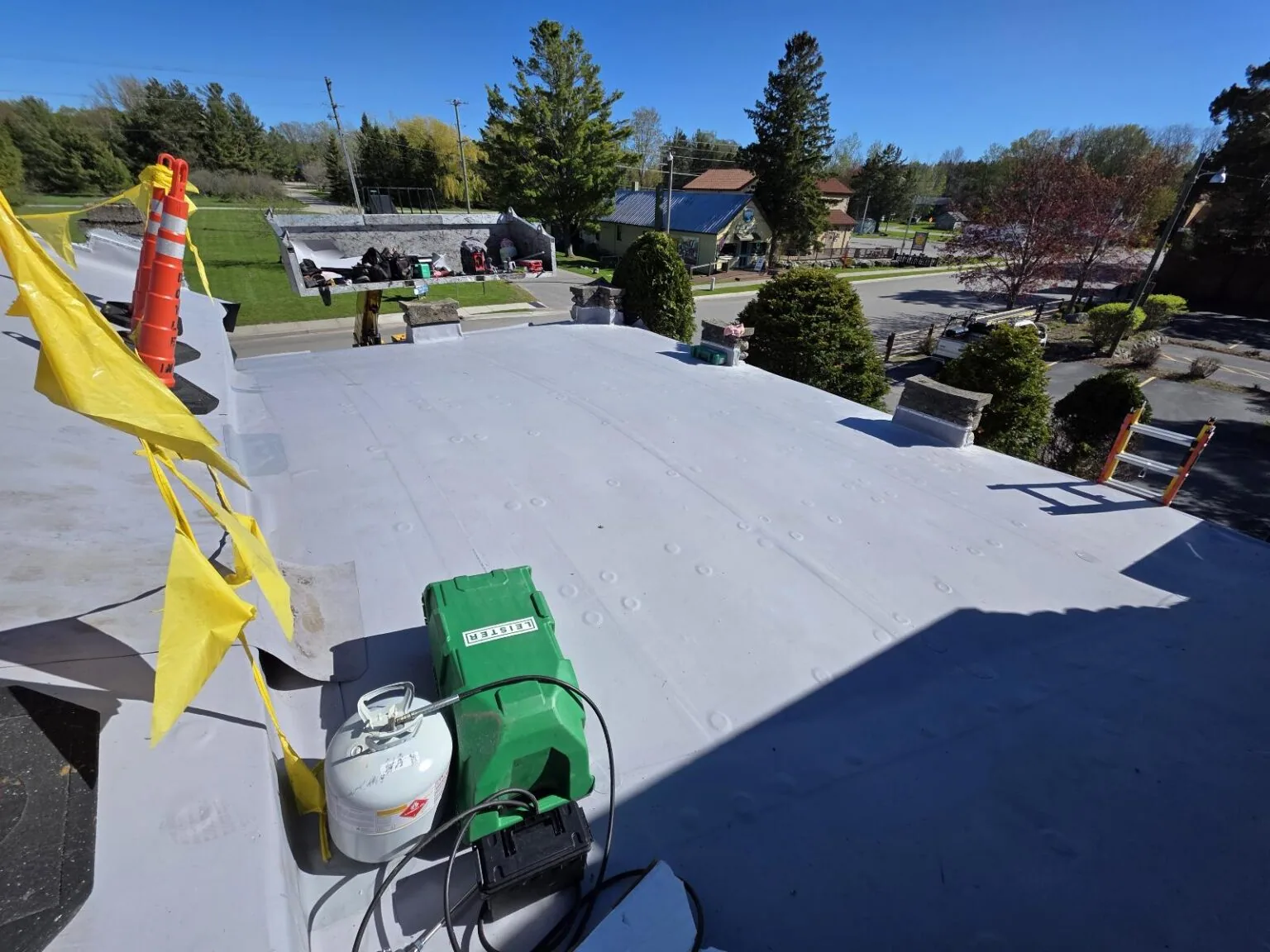
For an active opening, send the property address and current conditions so timing and a possible temporary-protection visit can be confirmed. The first concern is the exposed area and the building below it. A site-specific review can identify the material and connection involved, then separate temporary measures from the permanent repair. Access and affected rooms must be discussed with the responsible building contact. Emergency roof response is not a substitute for a defined permanent scope; it is the prompt step that helps manage active exposure while the lasting correction is arranged.
How do we work around building use?
Commercial properties are often occupied while roofing work proceeds. Work limits, access routes, receiving material, noise-sensitive areas and weather exposure influence the schedule. The building contact helps coordinate those practical needs with the construction sequence. Occupied-building reroofing plans around continued use, while maintenance visits can address recurring roof checks and upkeep. The plan remains specific to the building; a generic calendar cannot account for equipment, tenants or rooms that need protection.
How do inspections become useful records?
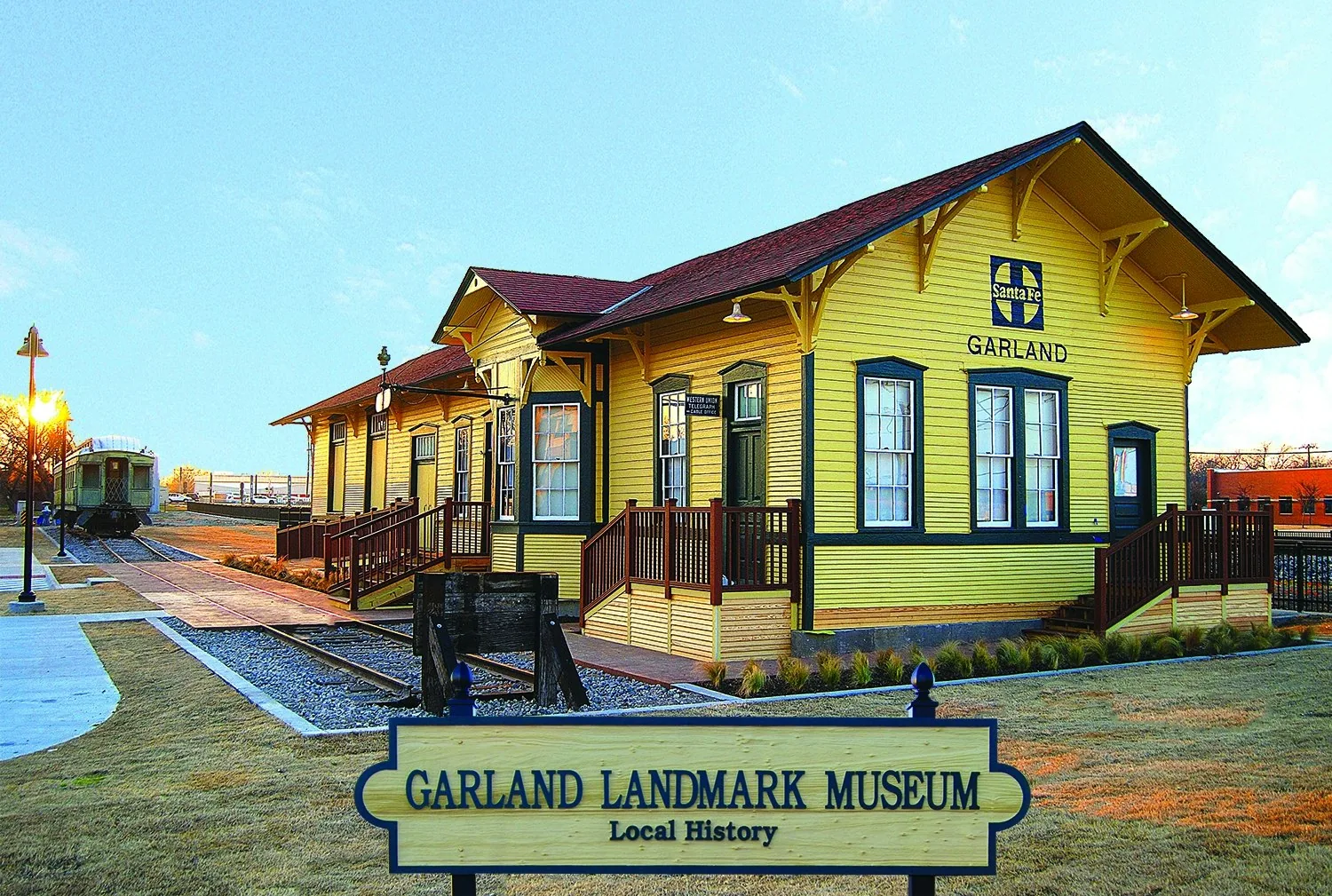
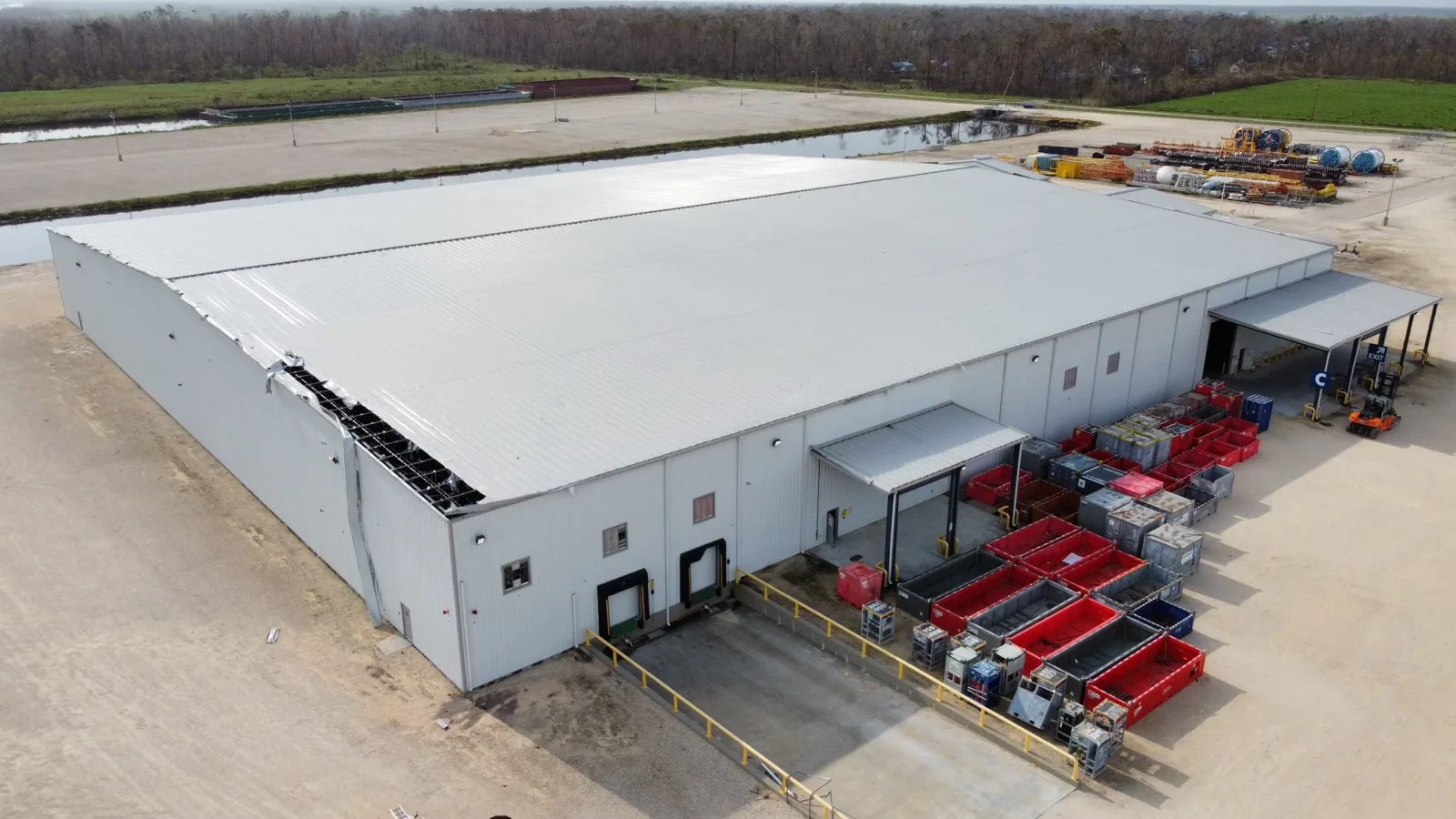
Photos and written observations help an owner review the roof without relying on a verbal summary. A condition record should identify where the inspector looked, what was visible, what work is recommended and what remains uncertain. Roof condition reports support repair review, while capital planning helps carry future items into an approval discussion. Garland's industrial activity is documented around the Forest/Jupiter corridor, but the corridor itself does not identify a building's owner, roof system or operational requirements. The property examination supplies those facts.
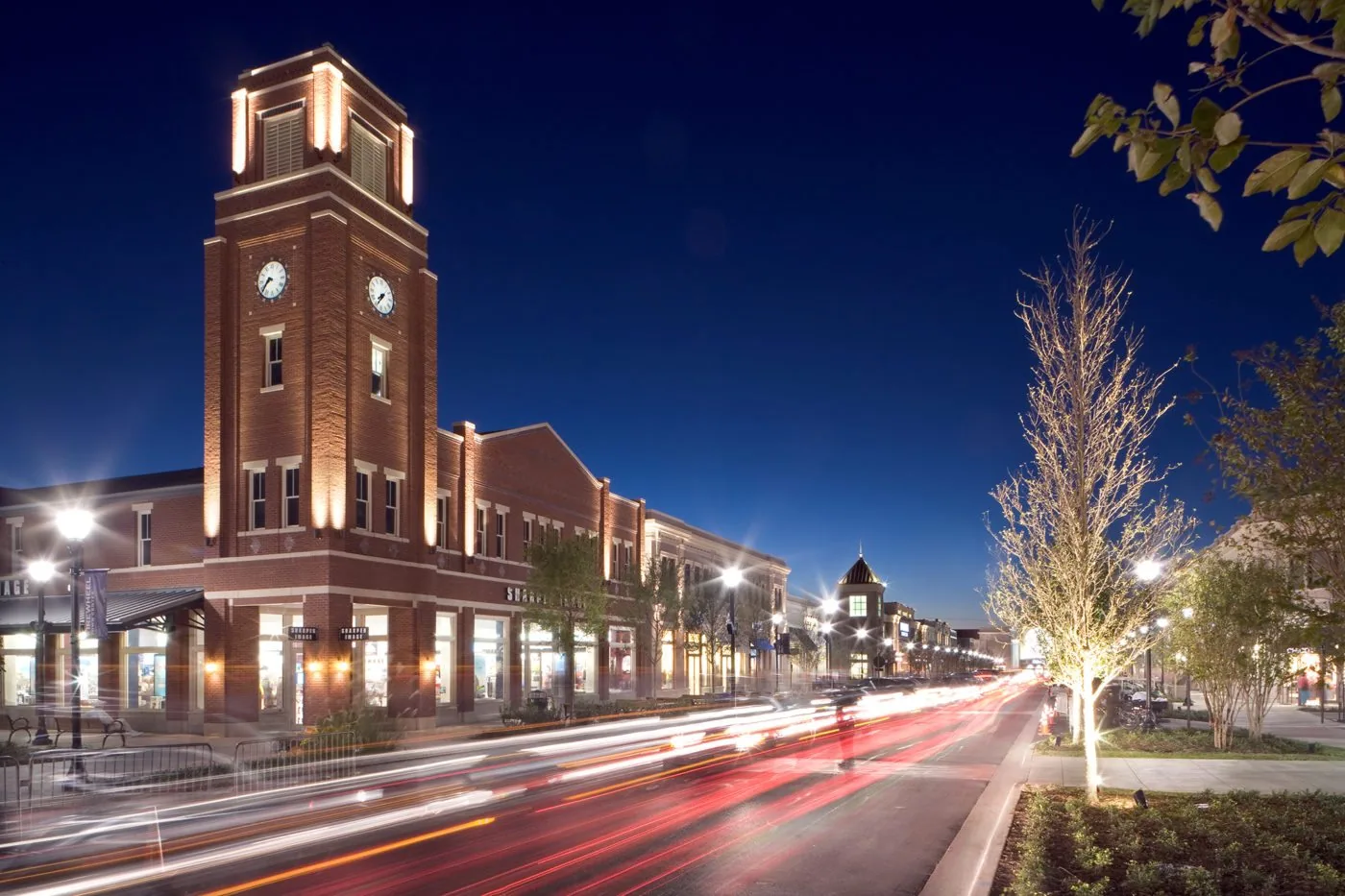
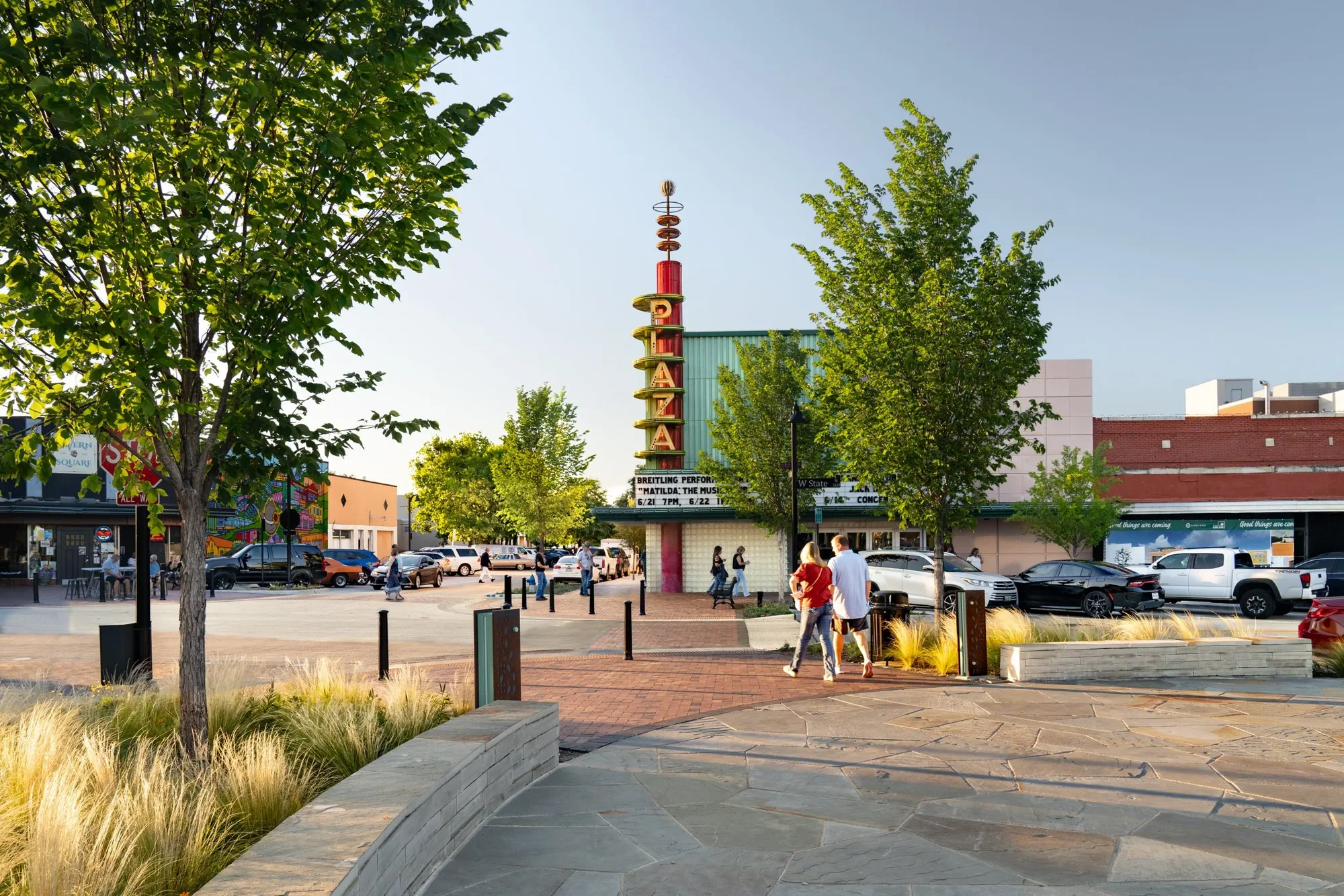
North Texas brings hot summers, variable winter temperatures, and spring storms. On a commercial roof, those conditions make drainage, exposed details, and surface changes useful inspection points; the conditions at the building determine scope. Downtown streets and the Forest/Jupiter corridor place properties in different parts of Garland, while the property's roof records and access contact guide the visit.
Beyond an initial inspection, owners may need a second look after temporary protection, a repair visit or a change in roof use. We keep the work record tied to the property and identify which details were corrected, which remain open and what should be checked during the next review. Maintenance can then focus on recurring conditions rather than restarting from a general description. The owner and building contact can use that history to arrange access and decide whether a further scope is warranted.
During phased work, we identify the boundary for each roof section and confirm who can release it for the next operation. The owner and building contact can see which areas are complete, where temporary protection remains, and what must happen before the crew returns. At the end of a shift, the handoff records work completed, weather protection in place, material or equipment still staged, and the area returned or held pending final closure. This gives the property team a specific status for the building instead of a general project update.
If a warranty applies, confirm required repair approval and closeout documents before work changes the covered assembly.
What can the owner expect from a scope?
A useful proposal connects the observed condition to the recommended work, materials, access and repair limits. It distinguishes a temporary measure from the permanent correction and records open questions that could change the scope after construction begins. The owner can then approve a defined action, request further investigation or carry another item into future planning. If the assembly may suit another layer, recover assessment addresses that possibility; it does not assume every existing roof qualifies. Each decision follows the actual roof, documentation and project requirements.
A clear record also leaves room for a question that has not been answered. If a roof area is inaccessible, if the substrate is concealed or if earlier work cannot be identified, we state the limit and explain what could resolve it. That helps the owner make the next decision with the right evidence instead of treating an assumption as a finding. We can then arrange a return visit or additional review with the building contact when the condition calls for it.
Before work begins, we review how the scope relates to the roof system, the building contact and the receiving of materials. If conditions change after removal exposes another layer, we explain the difference and confirm the next step with the owner. This keeps an approved repair tied to its actual limits and gives the building a clear path back to ordinary use.
Common Questions
Do you work on both low-slope and metal roofs?
Yes. We inspect the installed assembly and use system-appropriate repair or replacement methods. The roof material and detail determine the available correction.
Can you respond after hours?
Share the address and active exposure. Timing and whether a temporary-protection visit can be arranged depend on conditions and availability.
Will you recommend a full replacement during every inspection?
No. Findings may support a repair, maintenance, more investigation or replacement. The recommendation follows the observed condition and the extent of affected construction.
Can you inspect roofs across a property portfolio?
Yes. Each property is examined and reported separately, with shared records available for owner review. The comparison preserves differences among buildings.
What local weather should I plan around?
North Texas has hot summers, variable winter weather and regional spring storm activity. Scheduling still depends on current conditions and the requirements of the specific roof work.
Tell us what the building needs
Share the property address, roof concern and building contact. We will examine the construction, explain the supported repair or planning options, and coordinate a practical next step.