Commercial Roof Recover and Overlay in Garland, TX

Commercial Roof Recover and Overlay in Garland, TX

Commercial Roof Recover and Overlay

Commercial Roofing Services

A recover puts a new roof system over an existing assembly that stays in place. Those retained layers must be dry, stable and compatible, while the finished edges still need room to work. The decision is not simply whether another membrane can be installed. We examine the build-up, attachment, moisture evidence, drainage and flashing heights, then explain whether recover, selective removal or full replacement fits the observed condition.

For Garland owners near Harbor Point or South Garland, provide the exact building address and available roof records. For a roof near a named area, confirm the building location and access with its representative, then inspect the assembly before evaluating a recover.

What does a recover retain?

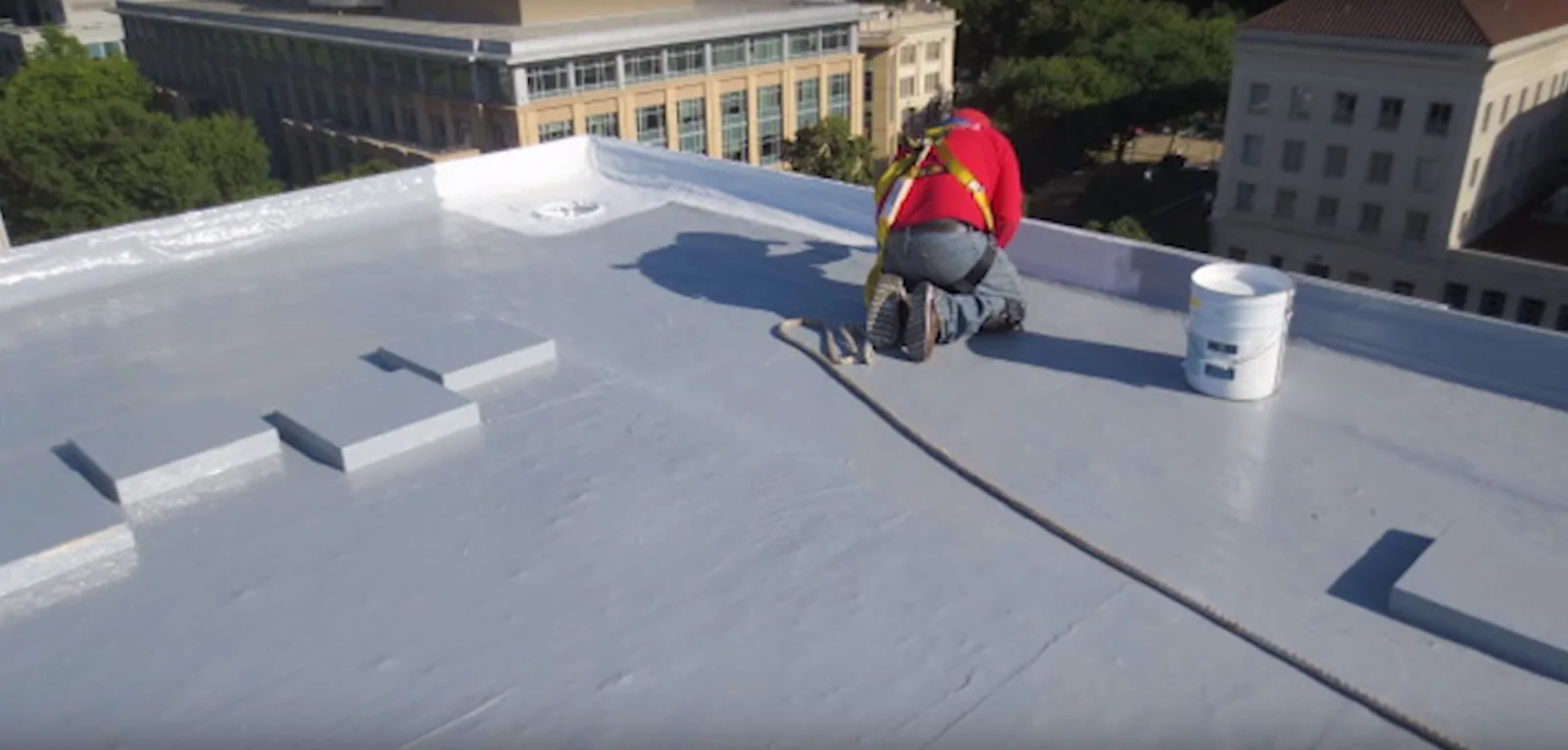
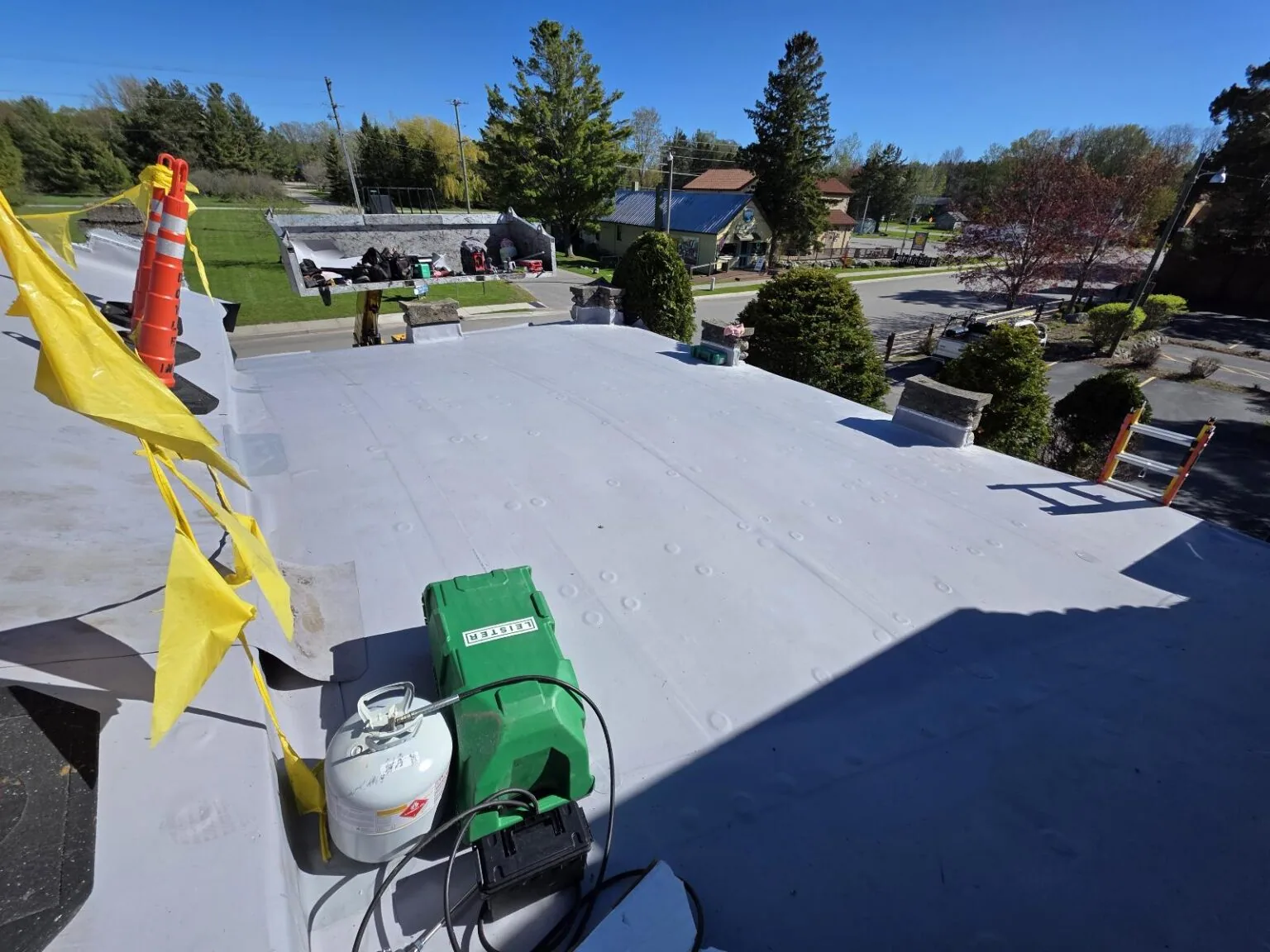
A recover leaves some or all existing roof layers in place and installs a new assembly above them, often with an approved insulation or cover-board layer between old and new materials. The scope should identify what stays, what is removed and how the new system attaches. A coating is a surface restoration on an eligible substrate, not a new recover assembly. Replacement removes the defined existing construction and rebuilds it from the prepared base.

An overlay can preserve concealed wet insulation, loose attachment, failed flashings or incompatible materials if they are not found first. A commercial roof inspection records visible construction and limits; authorized openings can confirm selected layers. Widespread moisture or deterioration may point to commercial roof replacement. Choose among options from evidence, not a preset preference to retain or remove material.
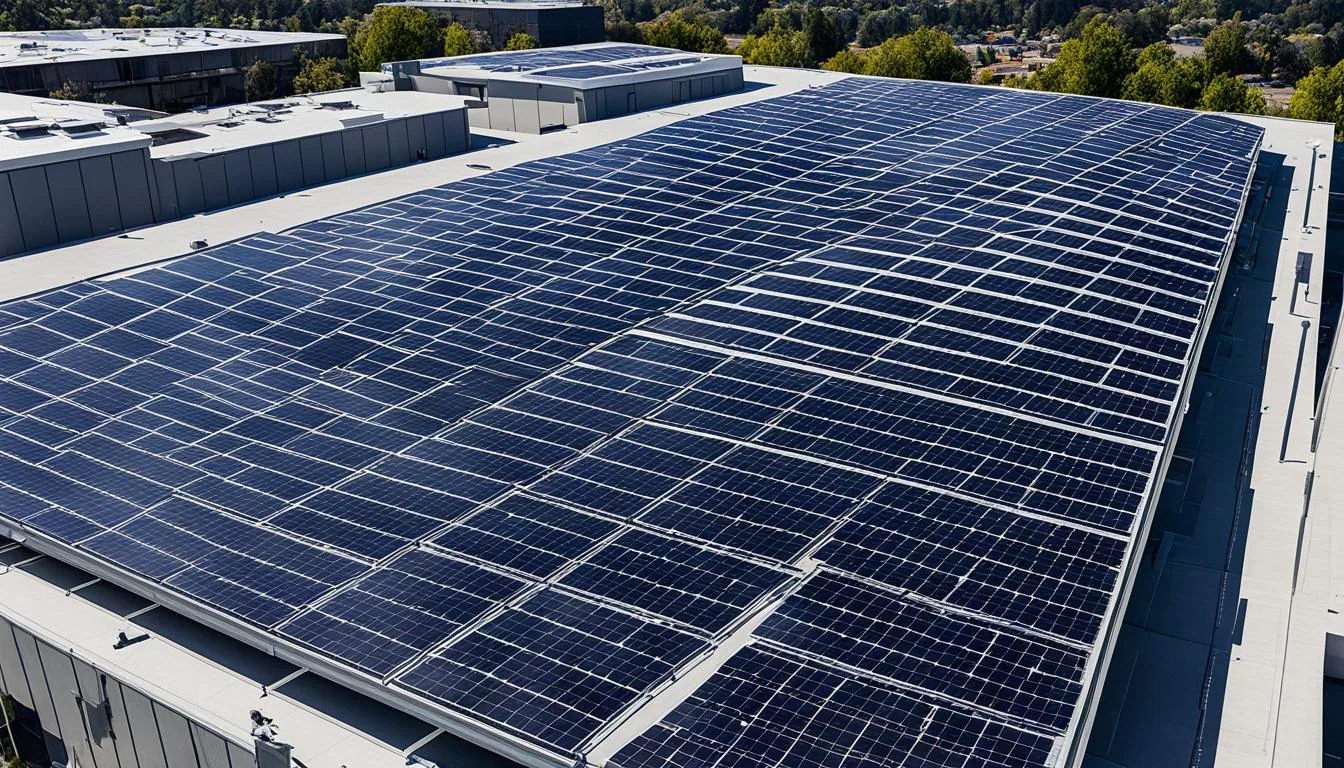
Commercial Roof Recover and Overlay in Garland, TX

What has to be verified before layers stay?

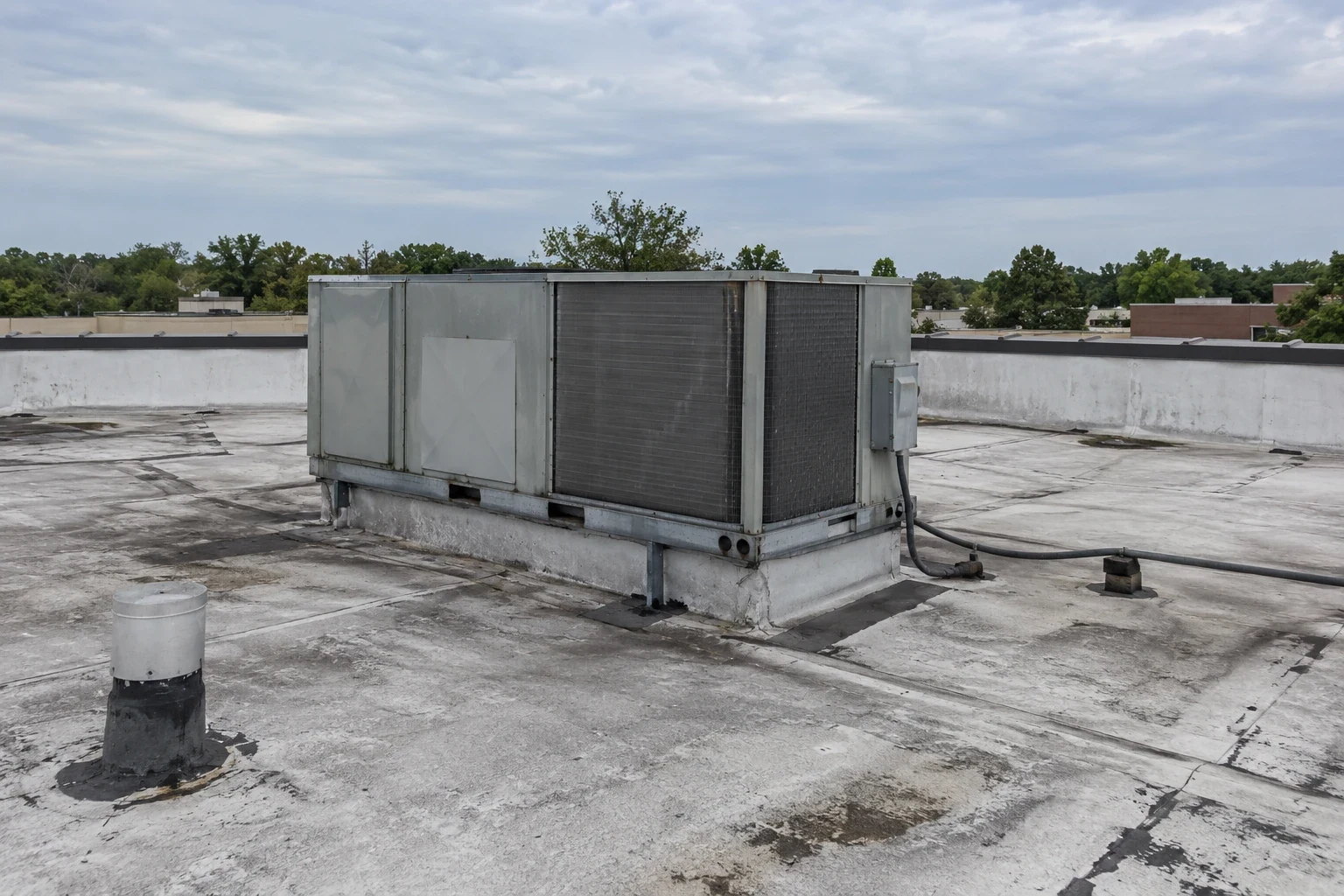
Compare drawings and repair records with the roof actually present. Record membrane type where confirmed, existing layers, insulation, deck if known, attachment, penetrations, past patches and changes between roof areas. Additions can leave several assemblies on one building, so a uniform assumption may hide a wet zone or weak perimeter.

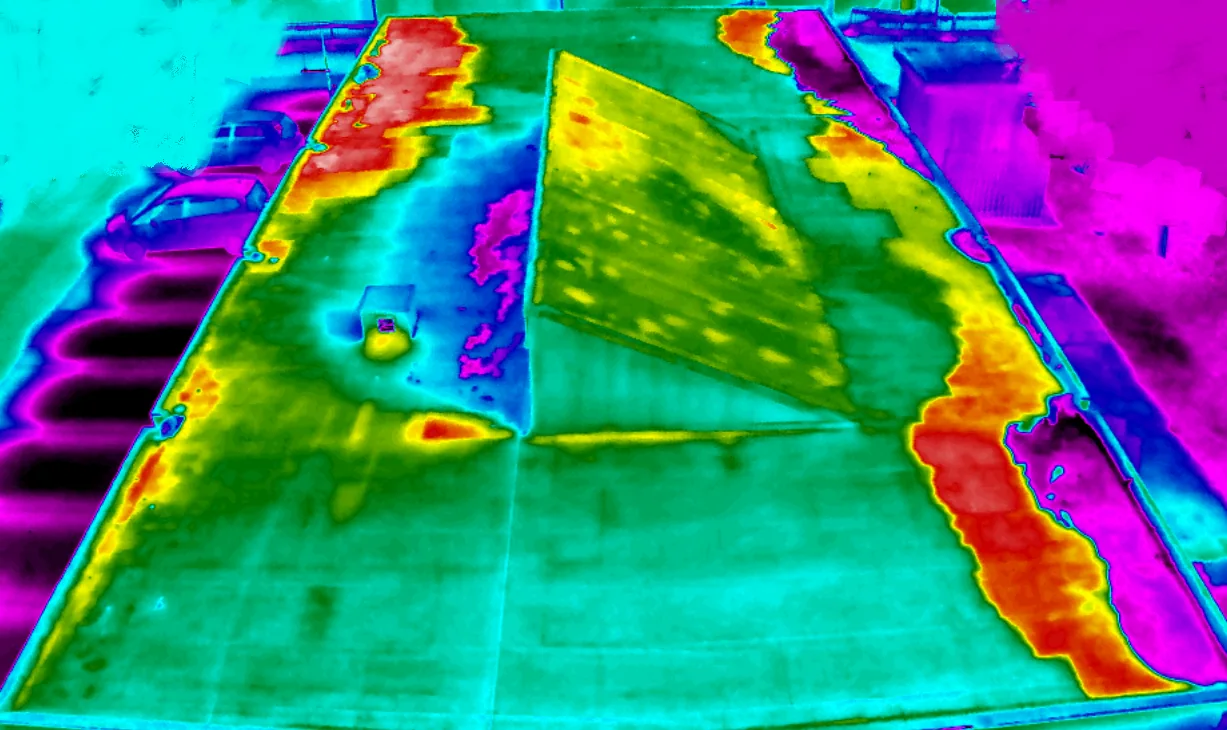
Moisture review should match the decision. Use a nondestructive scan to select investigation points, then confirm layer condition with test cuts or cores where the recover decision depends on concealed construction. An infrared moisture survey can map anomalies for follow-up, which should be interpreted with roof details and confirmed as appropriate. Repair every authorized opening after sampling.

Check structural capacity, moisture control and positive attachment as part of every recover decision. A design professional should evaluate added load when needed, while the system designer confirms compatibility and attachment for the actual substrate. Appearance alone cannot settle those questions.

Moisture readings and test cuts should cover more than the area that looks wet from the roof surface. Choose points near reported leaks, low areas, drains, and places where earlier repairs changed the assembly. A test opening can show the number of layers, attachment, insulation condition, and the deck beneath. Record each location and restore the opening with a compatible detail. If readings vary between roof zones, keep them separate in the scope so a dry area does not hide a wet one. The owner can then compare overlay, selective removal, and full replacement against the same set of findings instead of a single roof-wide assumption.

Commercial Roof Recover and Overlay in Garland, TX

Can the new assembly connect to the old one?

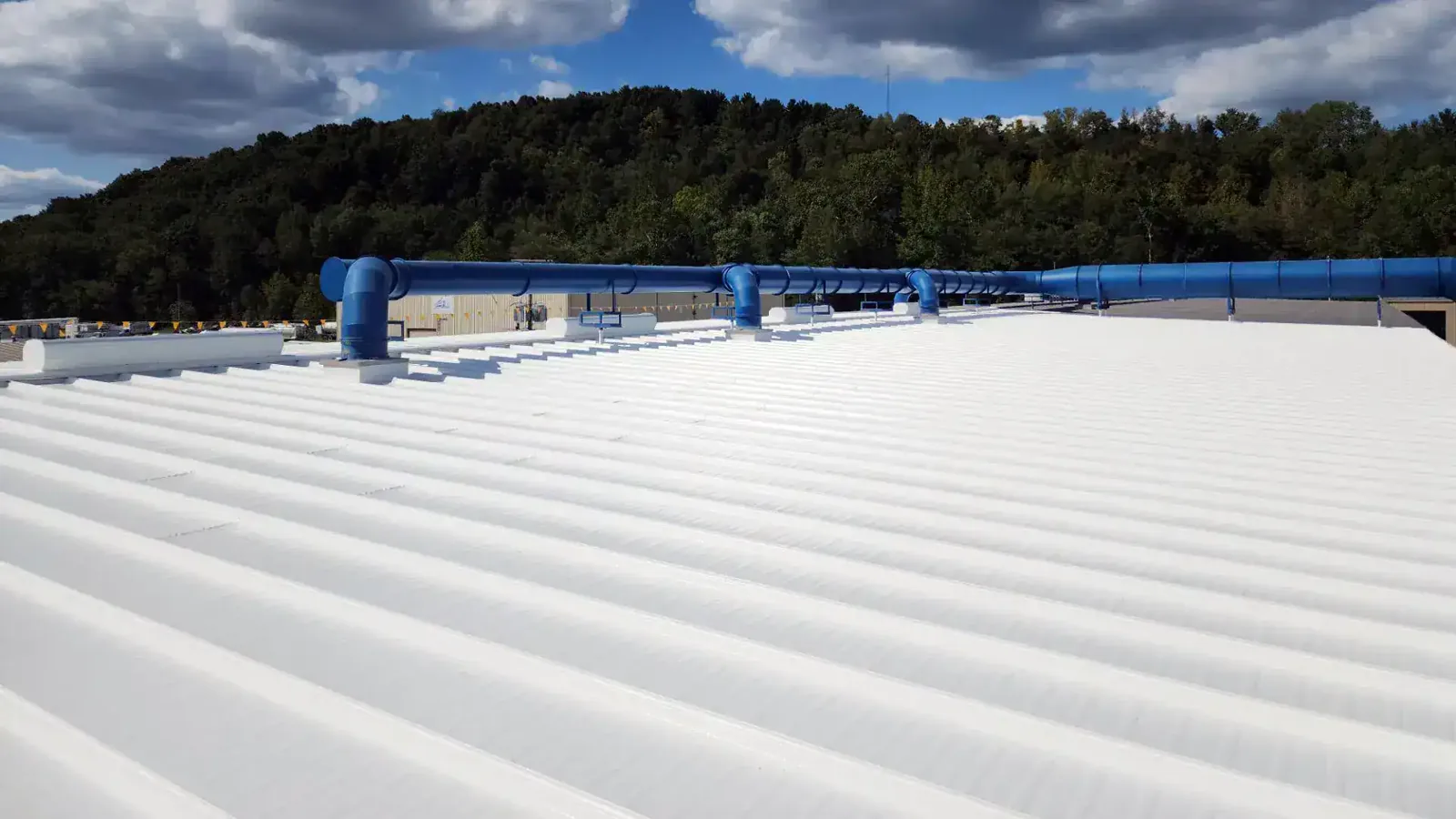
The new roof must connect to construction that can resist its intended loads. The selected system determines whether fasteners, adhesive, a separation layer or cover board is appropriate. Product approvals cover defined assemblies. Versico lists tested recover options for certain asphaltic, standing-seam metal and single-ply substrates; that list does not qualify an unexamined roof or every material combination.

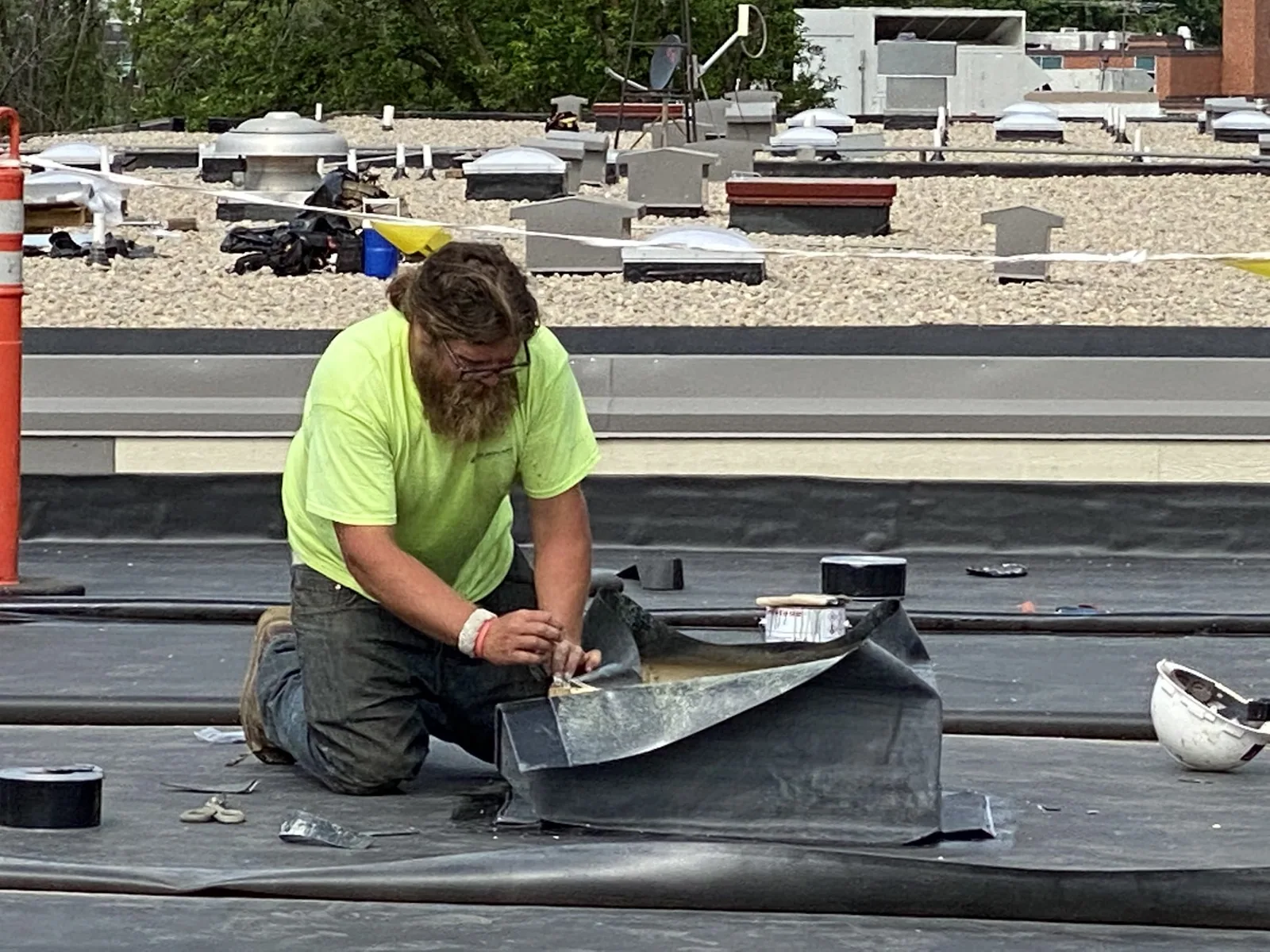
Added height can change perimeter metal, nailers, wall flashings, expansion joints, drains, scuppers, curbs and transitions. Identify any equipment lift, drain reconstruction or curb-height work before the membrane reaches that point. The roof insulation and cover-board scope should state board type, attachment and relationship to the approved assembly.

Review drainage before and after added layers. Confirm the roof’s slopes and low areas; a recover does not correct poor drainage by itself. Any tapered insulation or outlet modification must be designed for the observed geometry.

A new assembly can raise the finished roof at equipment curbs, drains, parapets, and door thresholds. Check those elevations before selecting board thickness or edge metal, since the raised surface can change clearances and the route water follows.

How do Garland requirements affect the decision?

Garland Building Inspection lists 2015 International Building and Energy Conservation Code editions effective September 19, 2016. This published list does not determine which requirements govern a future project. Confirm current code, permit and inspection requirements for the address and proposed scope with the City and design professional. Garland directs commercial project contacts to ask Building Inspection when permit applicability is uncertain.

A request in Downtown Garland or South Garland still follows that property’s review. Do not assume an overlay is permit-exempt or allowed because the old roof remains. Provide the proposed assembly and supporting evidence for address-specific review.

Commercial Roof Recover and Overlay in Garland, TX

When is replacement the stronger choice?

Recover remains a candidate only if retained layers are suitable, dry, stable and capable of receiving the new system. Extensive wet insulation, damaged deck, incompatible layers or flashing heights that cannot be corrected can point toward removal. When records are incomplete, test openings or selective removal can be a decision stage instead of covering uncertainty.

Compare proposals by removal limits, insulation, attachment, flashing, drainage, protection and closeout. A lower initial tear-off quantity does not resolve questionable retained layers; a sound evaluated assembly may support recover. TPO roofing is one system category, but the actual membrane, substrate, attachment and flashing requirements must be selected together.

A roof condition report can tie observations and test results to roof zones while keeping unresolved design questions distinct. That gives the owner a useful comparison among recover, selective removal and replacement.

Commercial Roof Recover and Overlay in Garland, TX

What belongs in a recover scope and closeout?

The scope should list layers to remain, material to remove, testing, attachment, new assembly components, transitions, drains and exclusions. Identify who reviews added structural load, which approvals apply, permit questions and how concealed-condition changes will be documented. Set a safe stopping point if removal uncovers wet material or damaged deck.

Closeout should identify the system by roof area, photograph completed edges and penetrations, and list retained conditions outside the contract. Keep manufacturer documents and project warranty terms without promising coverage before they are issued. Provide the Garland address, roof records and concern so we can assess whether recover is supportable.

Commercial Roof Recover and Overlay in Garland, TX

Common Questions

Can a new roof go over any existing commercial roof?

No. The existing layers, moisture condition, deck support, attachment, compatibility, drainage and local requirements have to be checked. Some roofs need selective removal or full replacement before a new system can be installed.

Does a moisture scan prove the roof is dry?

No. A scan can identify areas for follow-up, but it does not directly show every layer condition. Test cuts or cores may be needed to confirm an anomaly and define what material can remain.

Is a recover the same as a roof coating?

A recover installs a new roof assembly over evaluated existing layers that remain in place. A coating restores an eligible existing roof surface without adding that assembly; both still depend on substrate condition and product-specific requirements.

What if wet insulation is found after work begins?

Stop at a protectable boundary, document the location and exposed material, and obtain direction on removal or replacement before covering it. The added work should be tied to an approved scope change.

Does Garland automatically allow a recover?

The City’s published code list is only a reference point. Confirm the current permit and design requirements for the property and proposed scope with Garland Building Inspection and the project design professional.

Commercial Roof Recover and Overlay in Garland, TX

Check whether the roof can support a recover

Share the address and any survey, core sample or moisture findings; we can identify the remaining assembly questions before comparing a recover with selective removal or replacement.

Call 555-555-5555 or request a roof assessment.

Questions About Your Roof?

ServicesRoof SystemsProperty TypesIndustriesService AreasDamage RepairCapabilitiesManufacturersAboutRequest a Roof Assessment555-555-5555
Call us today555-555-5555