Data Center Roofing in Garland, TX

Data Center Roofing in Garland, TX

Data Center Roofing

Property Types We Roof

Data-center repair planning starts with its work boundary and a clear understanding of the layers that may be opened. We inspect the reported water path, covering, seams, edge conditions, drains and penetrations before recommending removal. The owner needs to know whether the evidence supports a local flashing correction or a broader wet-area repair, what temporary protection can do, and what conditions must be met before a permanent assembly is closed.

Garland has existing data-center operations alongside industrial and employment uses in the Forest/Jupiter area. For a particular site, confirm its uptime, escort and notification requirements with the facility contact before planning access. Technology operations can place a premium on planned access and predictable interruption windows. Tie the roof scope to observed conditions and the access the owner has approved. The building owner provides the address, access contact, notification requirements and any site-specific rules before work is planned. Public location references such as Forest/Jupiter help orient a Garland request, while DART also locates Downtown Garland Station at Walnut and Fifth streets. The facility contact, not a nearby transit stop, determines the entry point and approved work route.

Who defines access and work clearance?

Data-center access is controlled by the property representative. Before a roof visit, confirm the exact entry point, escort or check-in process if applicable, approved work area, permitted tools and the contact who can stop work if site conditions change. Do not infer these instructions from the facility type or a municipal industry listing. A clear roofing proposal identifies the requested area and the coordination needed, while the owner supplies the site rules that govern personnel and material movement.

Inside the building, the contact identifies the rooms or equipment areas beneath the roof concern and determines the appropriate notifications. The roofing examination can document the roof condition and avoid unnecessary removal, but it cannot promise uninterrupted operations. If the roof opening requires another trade, the project representative should identify who can isolate or ready the affected component. This keeps roofing decisions tied to an authorized boundary and an actual readiness signal.
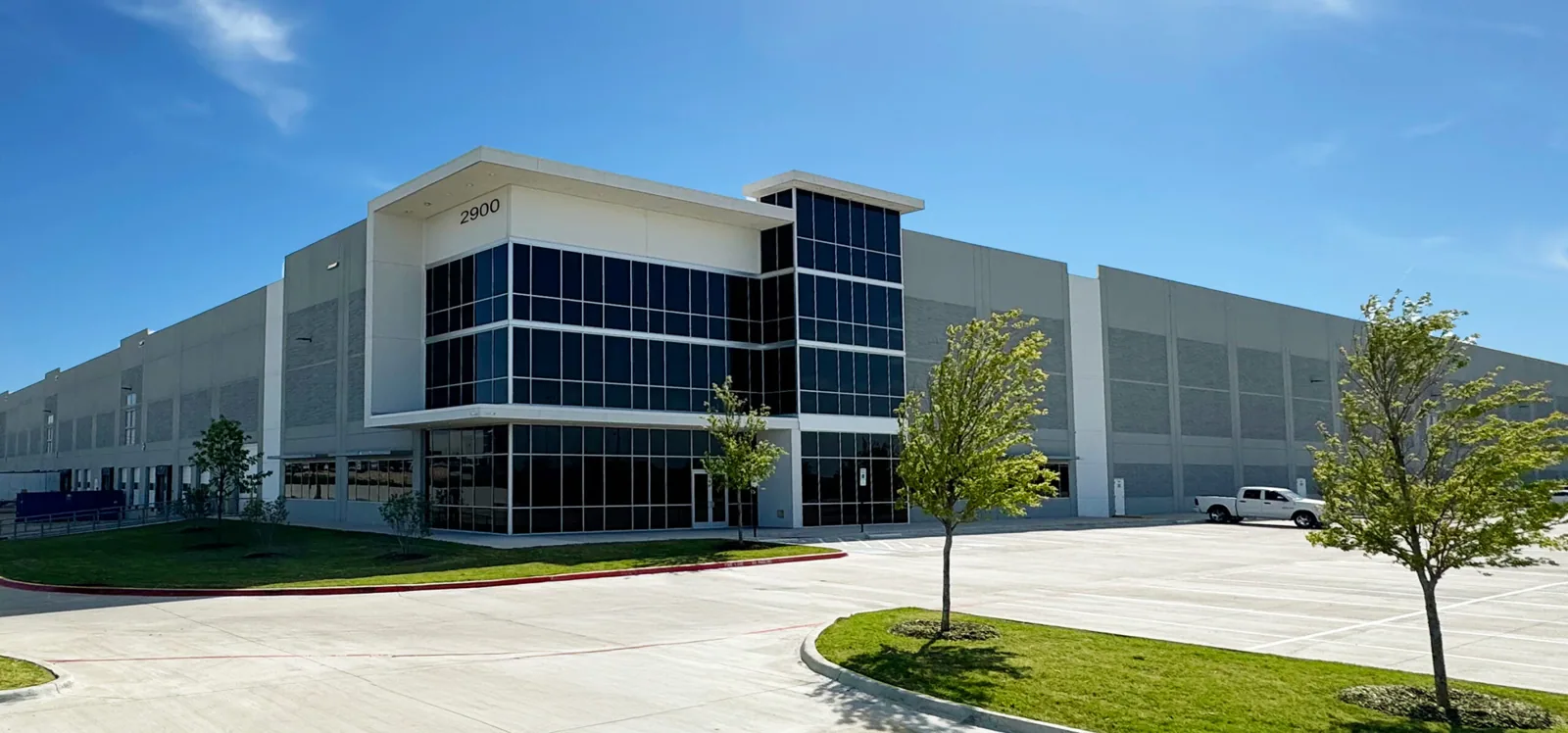
Data Center Roofing in Garland, TX

How do you distinguish roof entry from interior symptoms?

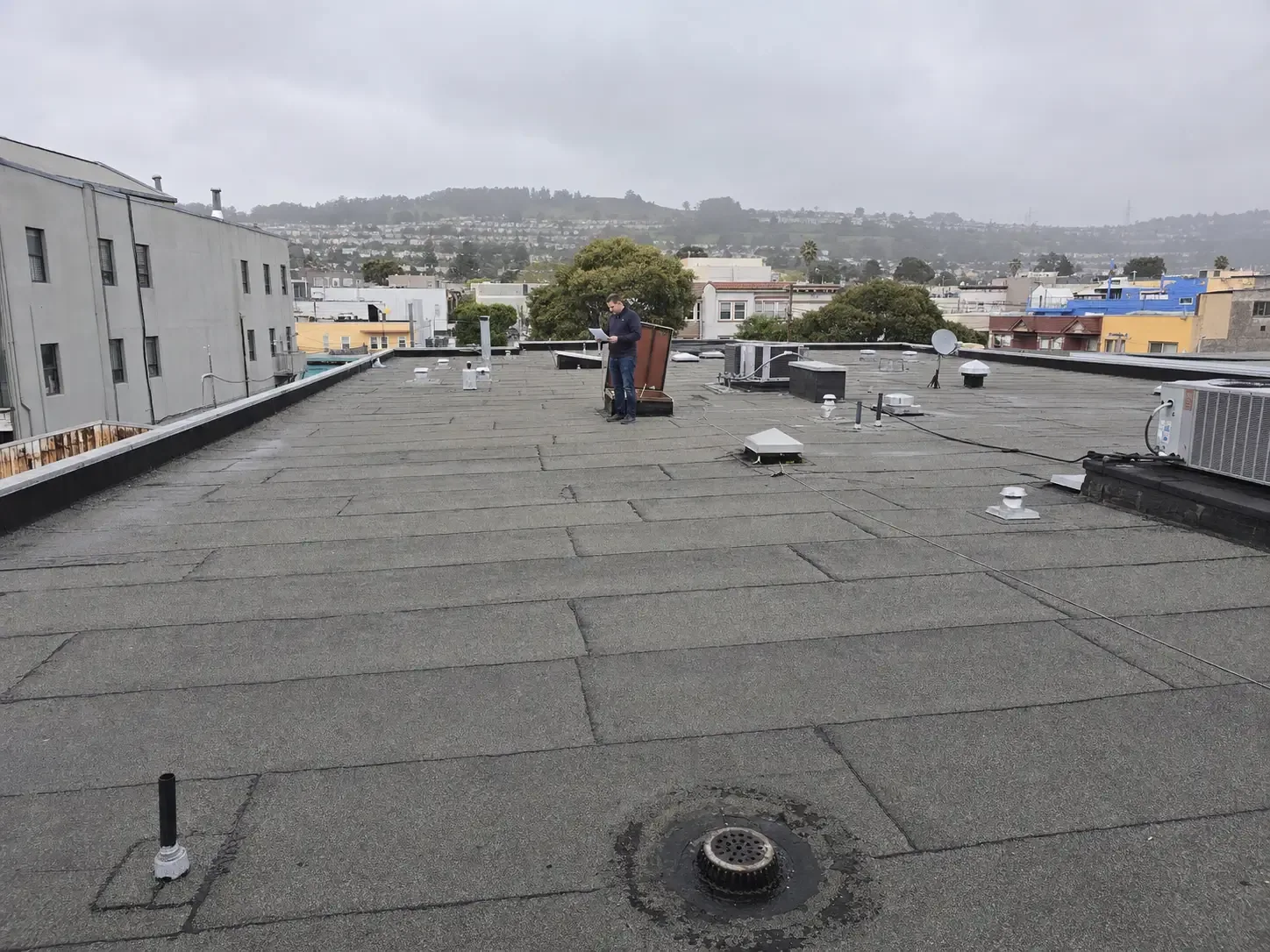
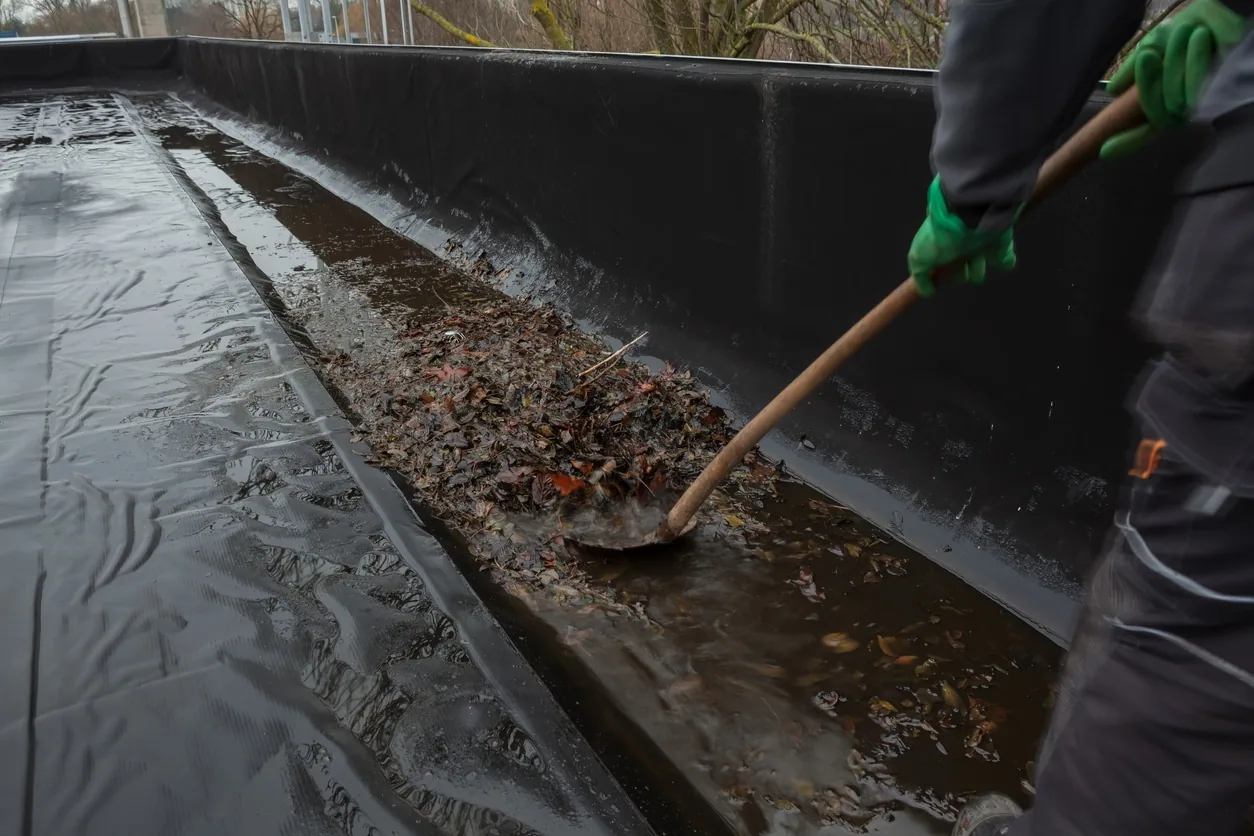
Water appearing at a ceiling or near equipment is a report to investigate, not proof of the roof entry point. Trace visible staining where permitted, inspect roof details above and compare the likely path with seams, terminations, curbs and drain connections. Record what the field examination confirms and what remains uncertain. If moisture extends beyond an initial opening, pause before expanding removal so the owner can review the additional area and its effect on the proposed repair.

Temporary protection can reduce exposure while access or equipment readiness is arranged. It should be described as temporary, with the protected boundary and remaining permanent work stated plainly. A permanent correction should remove deteriorated material as needed, restore sound transitions and close the roof over a compatible substrate. Commercial roof inspection can establish the observable condition. Related examples include manufacturing plant roofing and distribution-center roofing, where roof details around equipment and penetrations also depend on the actual building. Emergency roof repair may be appropriate when immediate protection is needed, after the site and scope are confirmed.

Data Center Roofing in Garland, TX

What needs attention at rooftop equipment?

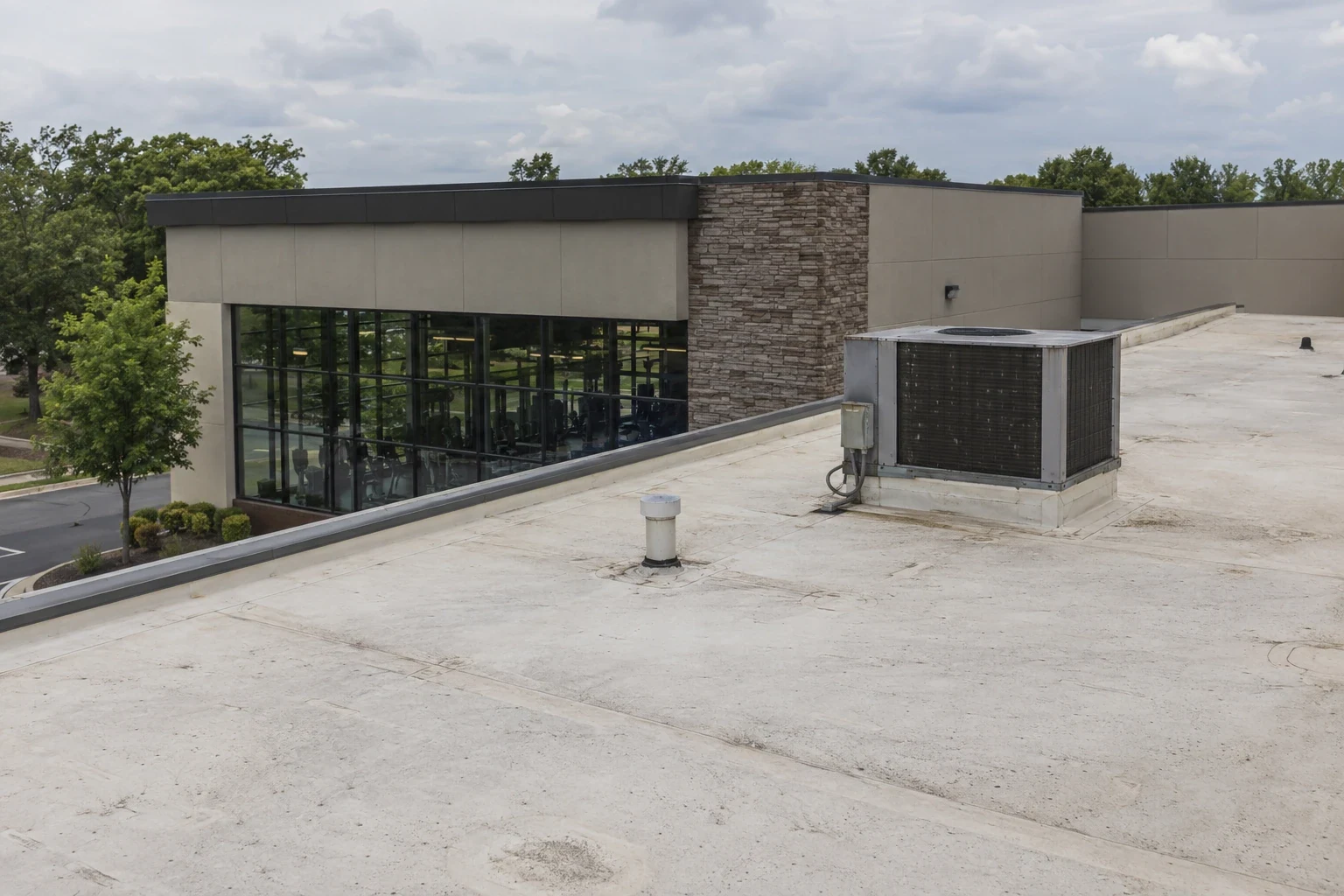
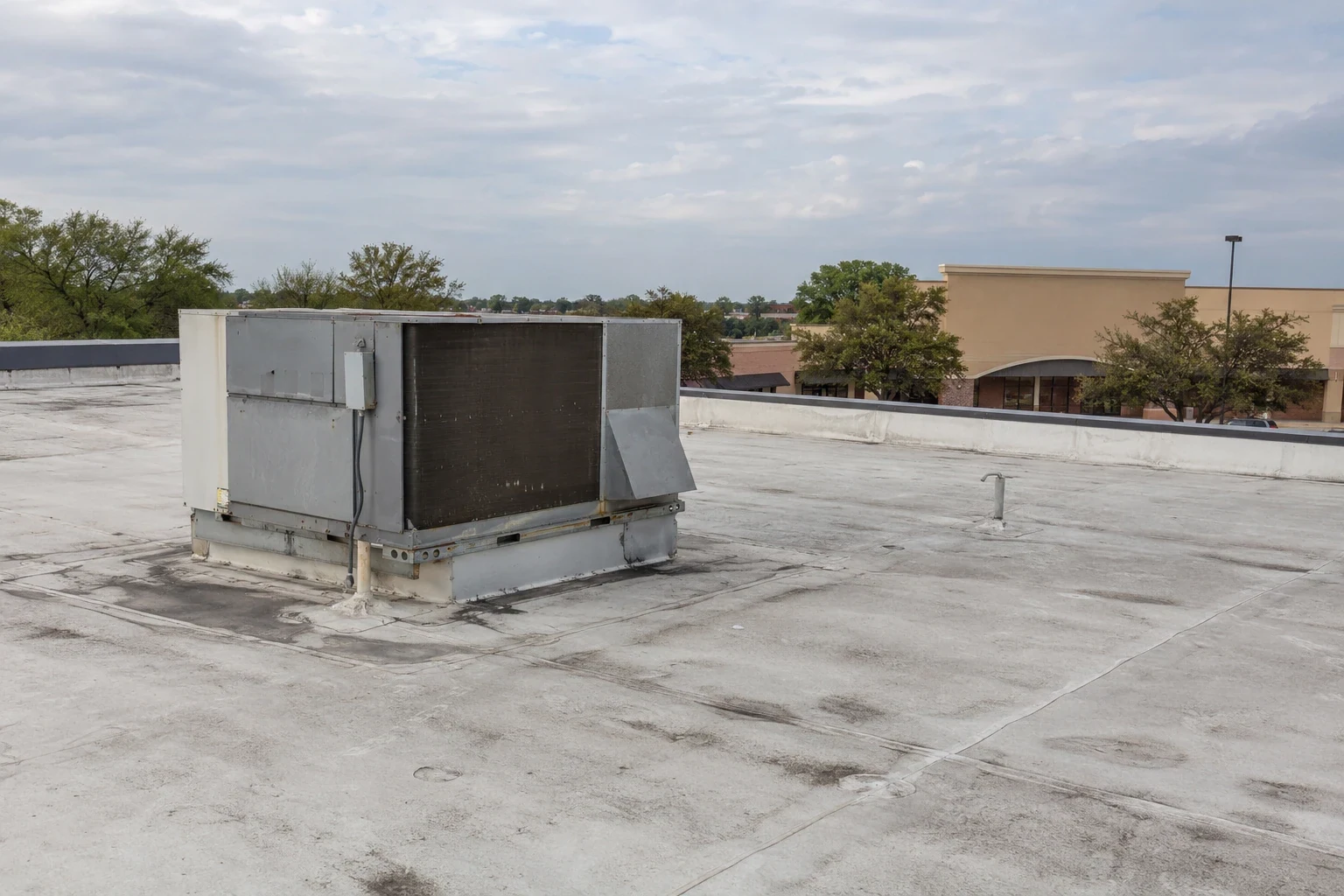
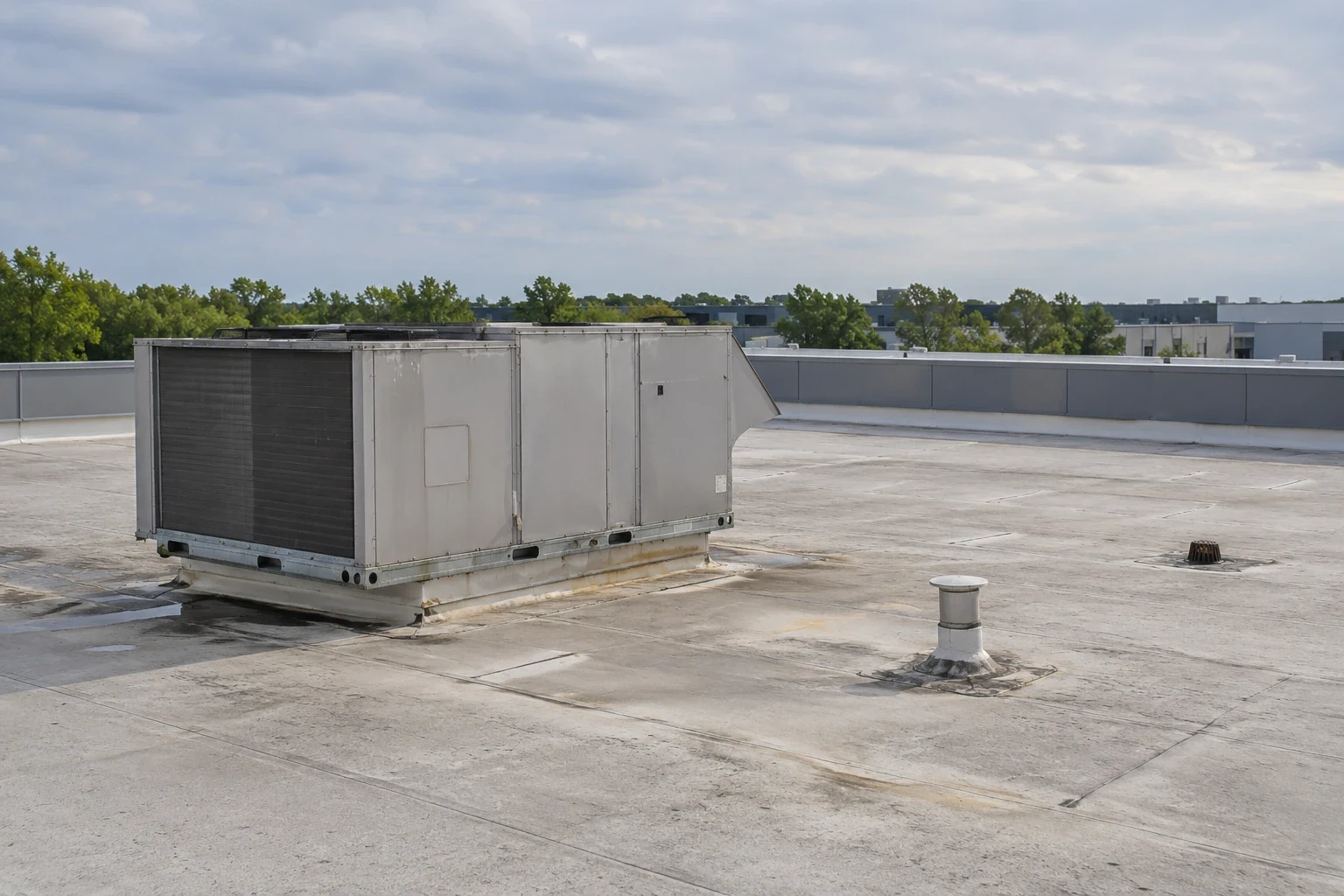
Curbs, supports, cable pathways, conduit and piping create roof interfaces that may require different materials or another trade's preparation. Inspect the connection and its movement, fasteners, counterflashing and adjacent membrane. Identify whether the equipment remains in service and who can authorize movement or isolation. A roofer can restore the roofing interface once the component is ready; the scope should not imply that roofing work changes data equipment, controls or electrical systems.

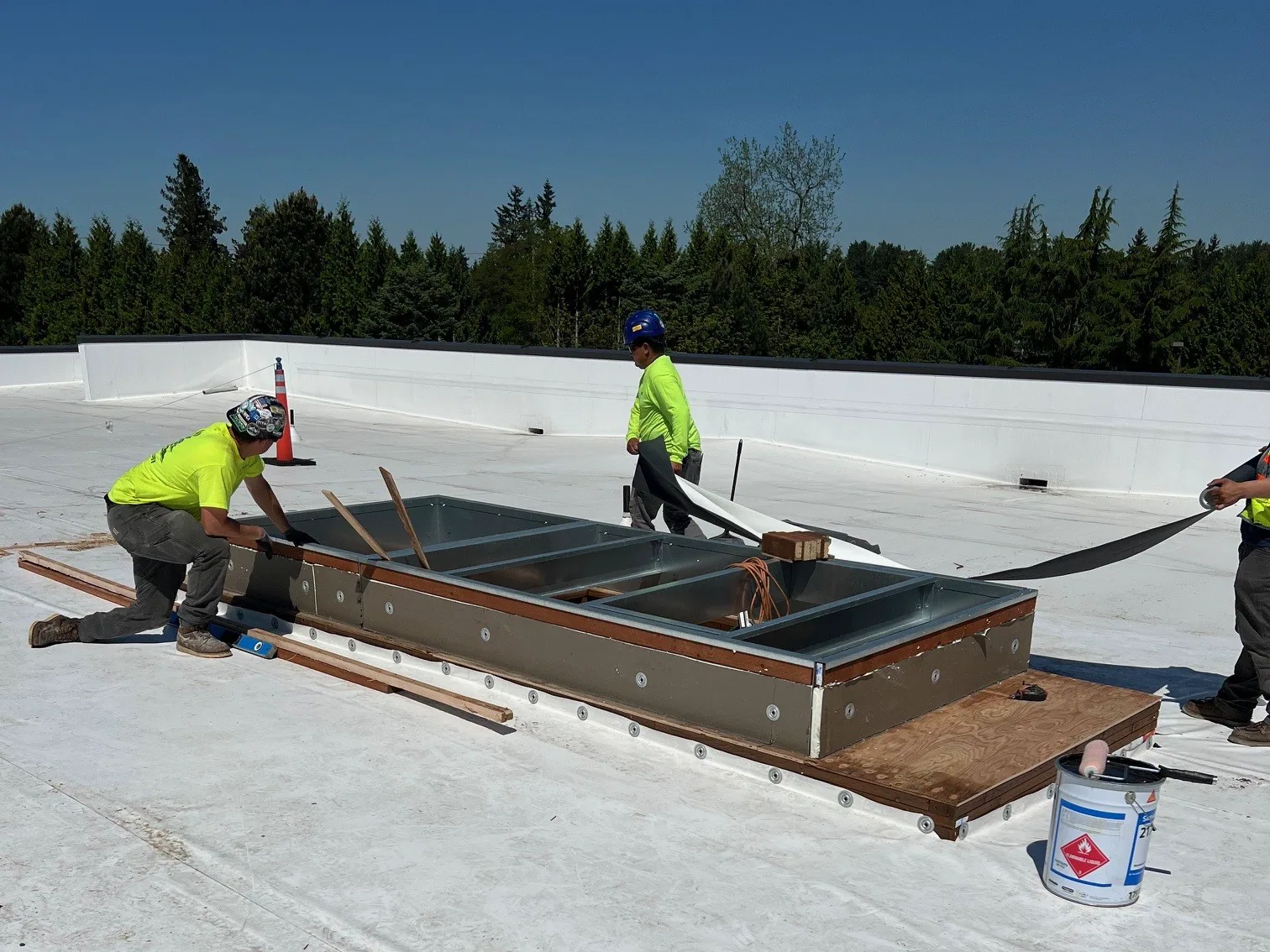
When a curb cannot be released during the initial visit, define the short-term protection and return condition. If removal reveals compromised insulation or deck, show the owner the exposed construction and agree on the extent before proceeding. The work record should distinguish completed flashing from adjacent equipment issues that remain open. Equipment curb and support service addresses the roof-side connection, while the building contact controls the operational decision about the equipment itself.

What belongs in a repair versus replacement plan?

For a localized concern, state the failed detail, repair material and tie-in area, then note limitations outside the inspected boundary. Where conditions recur across a larger area or the assembly cannot accept a durable patch, compare repair and replacement using observed layers, substrate condition, drainage and perimeter work. A roof asset management plan can organize condition and planning data across buildings, but a portfolio record does not replace a current field examination.

For each approved work area, record the confirmed address, roof reference, contact who released access, and any component that another trade had to prepare. A roof condition report can capture photographs, exposed layers, tested details and the repair limit, then distinguish completed flashing from temporary protection or items still pending. If the opening reveals additional wet material, include the evidence and revised quantity before asking the owner to expand the scope. The closeout should identify what was restored, any exclusion that remains and the condition that would trigger a return visit. When multiple buildings are involved, preserve a separate record for each rather than carrying an equipment assumption or access direction from one site to another. The owner may also request post-repair photographs and confirmation that the equipment specialist has released a disturbed component. Roofing closeout can report that dependency without certifying the equipment's unrelated operation.

A data-center roof repair needs a defined work zone that accounts for both the exterior condition and the protected space beneath it. Ask the facility contact which roof sections, air intakes, cable pathways, and equipment yards fall within the planned route. Roofing work does not authorize entry into controlled interior rooms or changes to electrical or cooling equipment. At a curb or conduit cluster, document each penetration and the component owner before removing flashing. If a survey indicates possible moisture, agree on the inspection method and any opening before disturbing the assembly. Temporary protection should have a named end condition, while the permanent scope should describe the compatible tie-in and the evidence needed to verify closeout.

If the building uses redundant cooling or power paths, the roofing crew should not assume a particular unit can be taken offline. The facility contact can identify the equipment owner and confirm a work window; the roofing lead then limits activity to the released curb or membrane area. Photograph existing conduit supports and penetrations before changing a detail, because a later service visit should not confuse new flashing with a preexisting support condition. Record any area that could not be inspected while equipment remained active.

Data Center Roofing in Garland, TX

Common Questions

Can roof work ensure continuous data-center operations?

A roofing scope cannot promise uninterrupted site operations. The owner defines access, notifications and equipment restrictions. The plan can state the work boundary, temporary protection and conditions needed to complete the repair.

Does Garland Economic Development identify data-center roof requirements?

It identifies existing data-center operations in Garland, not facility names, roof assemblies or operating standards. Site-specific records and direction from the owner are needed before work is planned.

What if a penetration cannot be opened during the visit?

Document the detail and the access or equipment readiness needed. Install temporary protection only when appropriate, identify its limits and schedule permanent flashing after the responsible contact releases the component.

What should the repair record include?

Record the address and roof area, observed layers, photographs, repair materials, completed boundary and remaining items. Distinguish verified conditions from assumptions that still need owner or design-team confirmation.

Data Center Roofing in Garland, TX

Discuss a data-center roof scope

Send the property address, reported roof concern and owner-designated building contact. We can examine the roofing condition, define the proposed work boundary and identify the site direction needed before access or repair.

Call 555-555-5555 or request a roof assessment.

Questions About Your Roof?

ServicesRoof SystemsProperty TypesIndustriesService AreasDamage RepairCapabilitiesManufacturersAboutRequest a Roof Assessment555-555-5555
Call us today555-555-5555