Commercial Roofing in Mesquite, TX

Commercial Roofing in Mesquite, TX

Mesquite

Service Areas

A loose roof panel or failed wall transition can let wind-driven rain reach a warehouse or production space before a manager sees the first interior mark. Mesquite, TX, has manufacturing, office, retail, commercial and mixed-use activity. The Gus Thomasson TIRZ extends toward the IH-30 corridor, where the city also identifies Urban District 30 as a multi-building industrial area near I-30 and Republic Parkway. We start with the reported building, inspect the roof system and drainage path, then separate immediate protection from permanent work.

If water is active, emergency roof repair can reduce exposure while the final repair is prepared. A commercial roof inspection identifies the affected section and what material can accept a lasting tie-in.

How should an industrial roof concern be located?

Record the address, building identifier, interior impact, and roof area before estimating. At a large facility, “near the loading side” may refer to several roof bays. Use a roof plan or photo with fixed equipment and grid lines to mark the concern. Ask whether the leak is active, whether it follows heavy rain, and whether work occurred at nearby mechanical equipment or a roof joint.

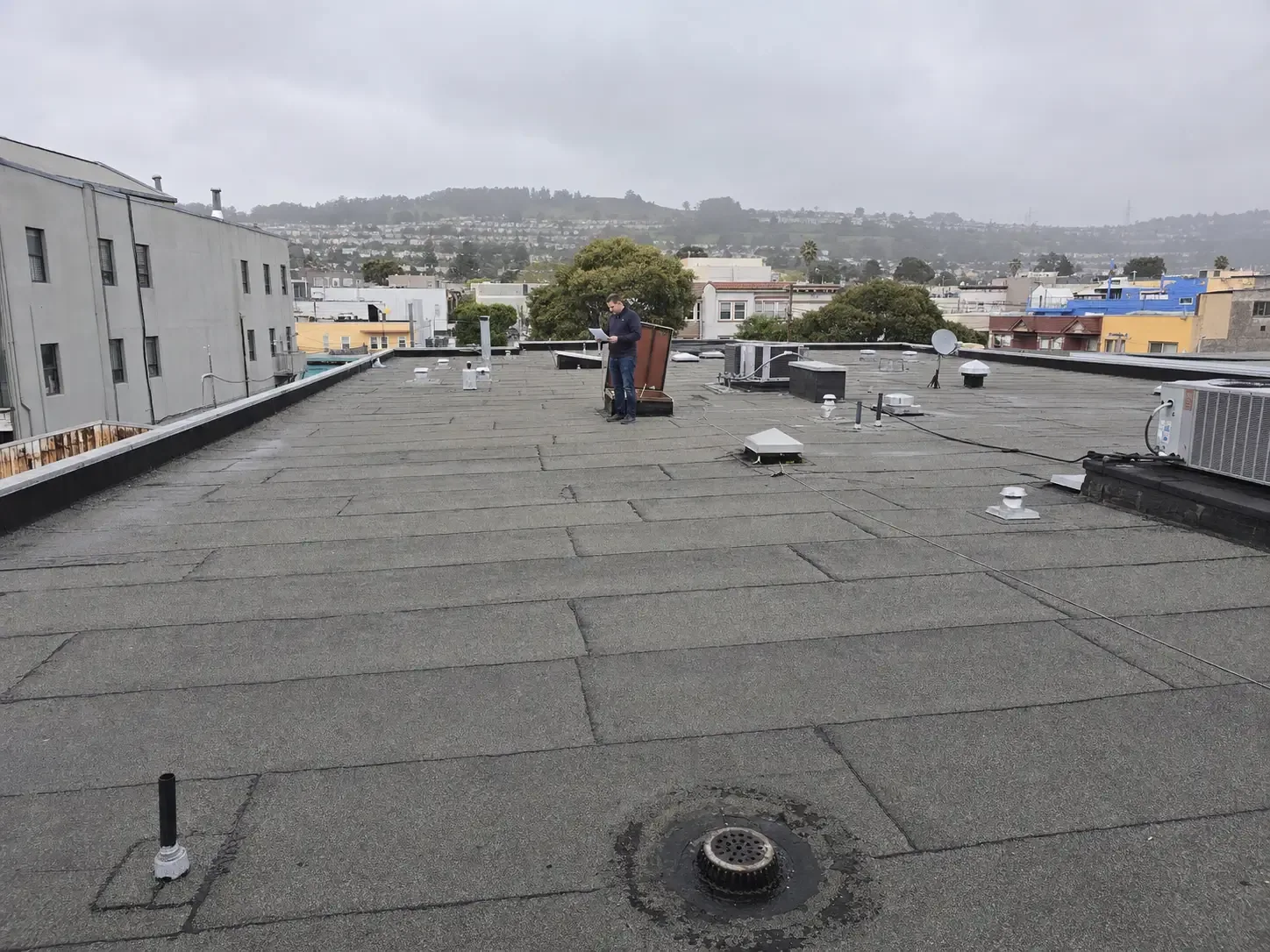
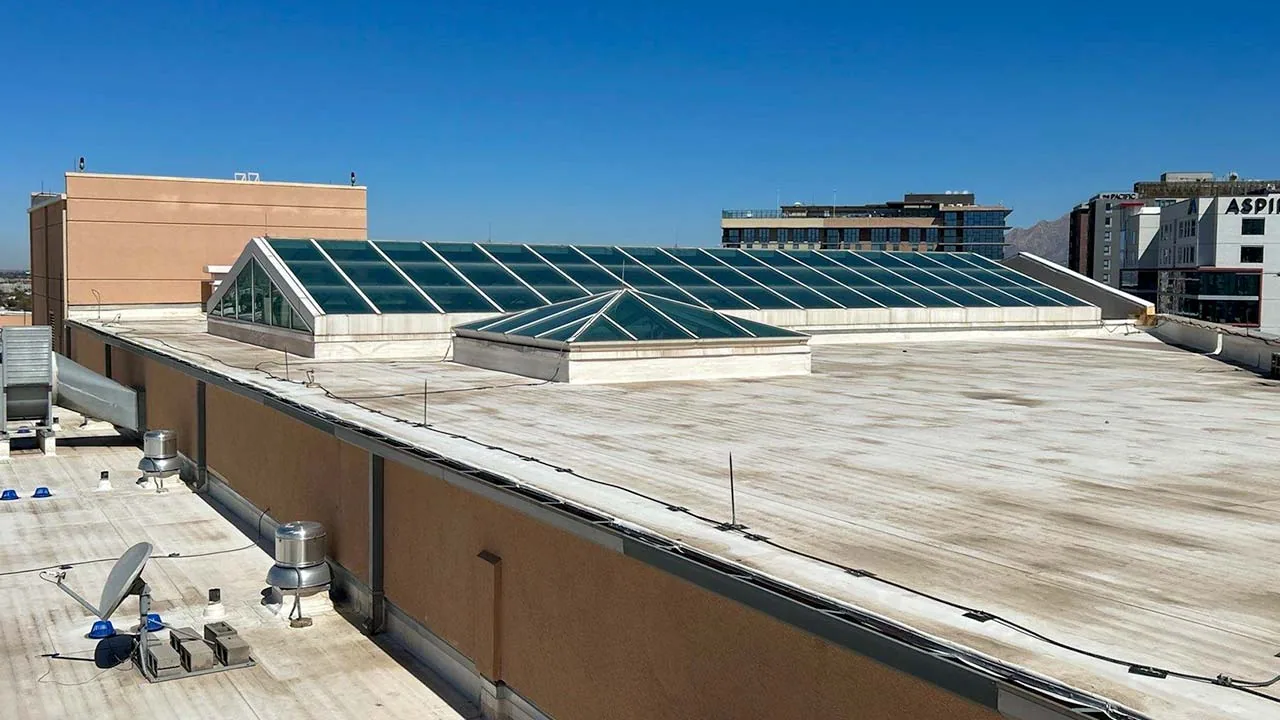
Inspect above the reported area and follow plausible water paths to seams, drains, curbs, wall transitions, and penetrations. A metal roof can admit water at fasteners, panel laps, ridge or eave details, and flashings. A low-slope membrane can fail at an open seam, puncture, drain flange, or termination. Those conditions call for different materials and preparation. Photograph each detail before disturbing it and distinguish confirmed damage from a suspected source.

For a property near IH-30 or Republic Parkway, confirm the building’s use, loading route and roof access with its representative before planning an inspection or replacement stage. Confirm the actual operations, equipment, and access restrictions with the property contact. Keep a separate survey for every address in a portfolio.

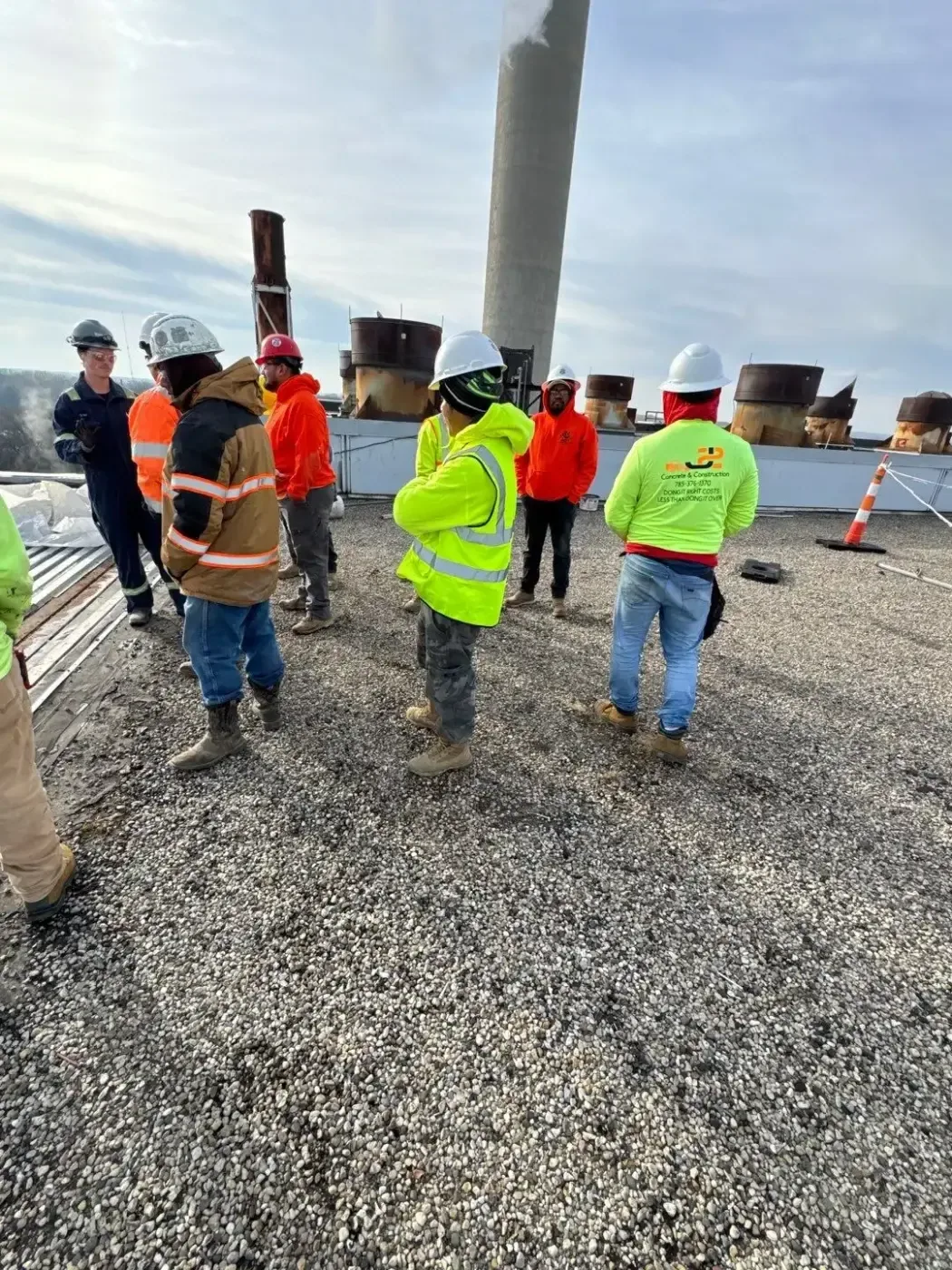
Commercial Roofing in Mesquite, TX

What should be inspected after a storm?

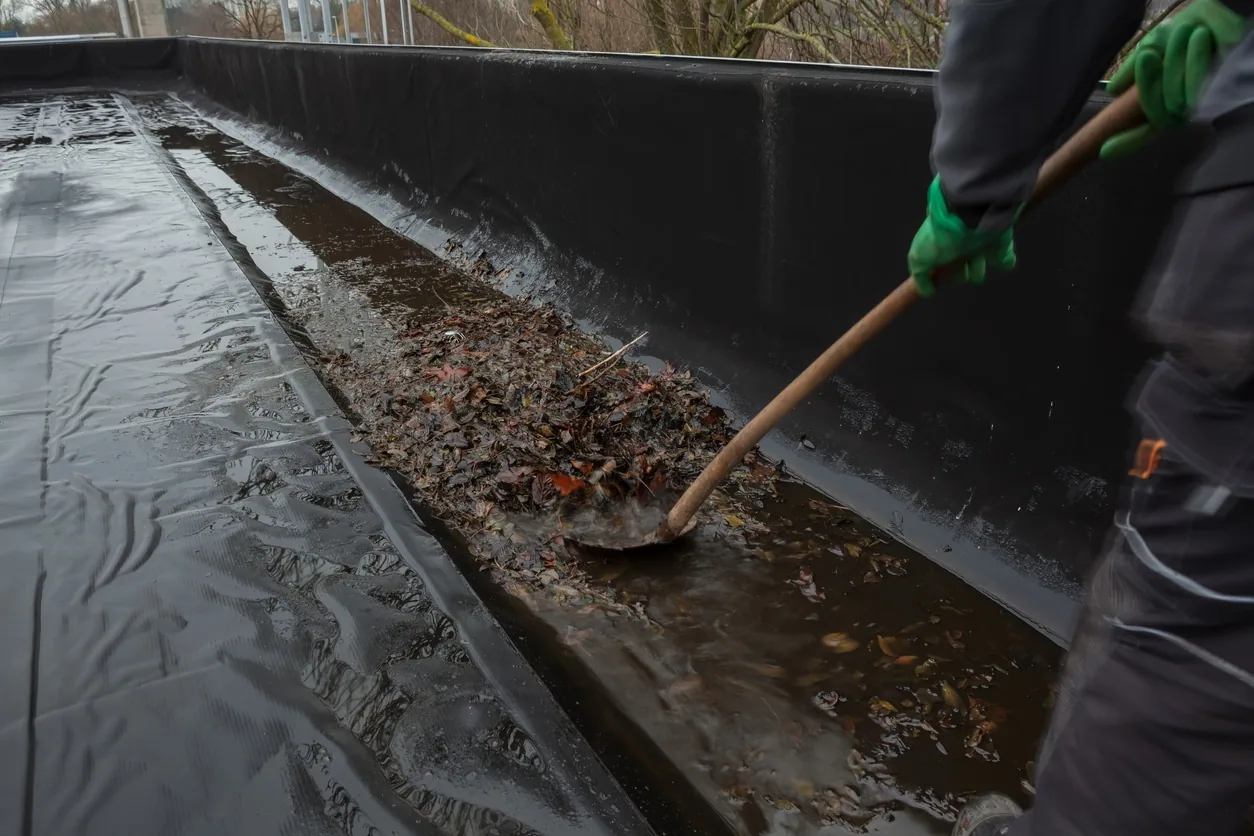
Check water-control details before assuming a field membrane is the source. Inspect drain bowls, scuppers, gutters, expansion joints, edge metal, and low sections where water may remain. A blocked outlet and a damaged drain connection can look similar from above, while requiring different repairs. Record any debris, standing water, displaced metal, or flow marks and compare them with the roof’s intended route to discharge.

Dallas-Fort Worth’s spring and fall weather brings more rain and thunderstorms. After a storm, document whether ponding persists after nearby sections drain. A low area may reflect the deck or insulation, not only the outlet. commercial drain and scupper work should state whether the correction includes the bowl, flange, nearby membrane, or slope. Do not close a membrane seam over an unresolved drainage condition.

If water entered the building, photograph the interior before contents are moved when safe to do so. Compare the room position with penetrations and roof joints above. Water can travel laterally through insulation or along a metal deck. The inspection should trace the route, not assume the ceiling mark is directly below the opening.

Commercial Roofing in Mesquite, TX

How can repair proceed without losing production time?

Confirm production hours, truck traffic, roof access, and equipment dependencies before assigning the work window. If the roof sits above an operating line or temperature-controlled space, the building contact should identify any area that cannot be exposed. Plan material staging so it does not obstruct receiving or emergency paths. The roofing sequence should isolate a section, complete the correction, and close it before moving to the next roof zone.

Temporary protection can limit exposure while permanent flashing or panel materials arrive. Mark where the cover ends, what surface it attaches to, and which condition still needs work. If a test opening could reveal wet insulation or deck damage, agree on the opening size, dry-in method, and authorization point before removal. The owner can review photographs at each stop rather than approve an unbounded repair.

commercial roof repair should identify whether the work restores a seam, curb, edge, or drain. If an electrician or mechanical contractor must move equipment, specify who returns the roof detail to a watertight condition after that work. This is especially important when a repair closes a penetration temporarily but another trade will reopen it.

Which roof material should be used?

Identify the existing covering and substrate before selecting the repair. Do not assume that two buildings in the same commercial district use the same system. A single-ply membrane, built-up roof, modified bitumen, and exposed metal have different laps and flashing requirements. Check for previous coatings and patches, and test whether the receiving surface is clean, dry, and attached. A repair should connect to sound construction, not simply conceal an unstable edge.

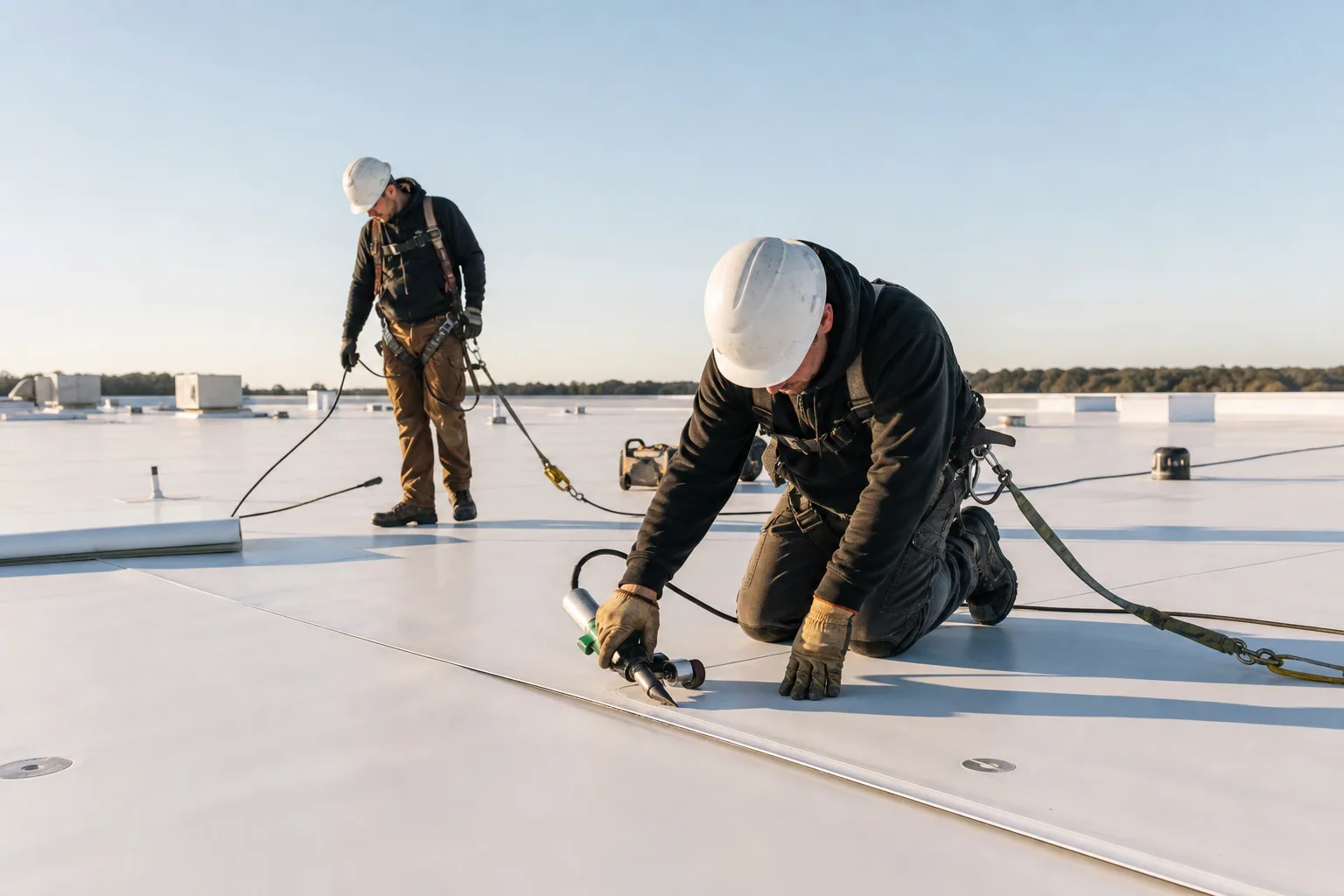
For low-slope roofs, TPO repair and EPDM repair use distinct joining methods. Confirm system identity and the detail manufacturer before selecting primers, reinforcement, or flashing. If wear extends over multiple roof zones, compare localized repair with replacement. A replacement scope should address insulation, cover board, deck condition, perimeter metal, drains, and equipment curbs as well as the field membrane.

The applicable code and permit path should be confirmed for the property and proposed scope with the responsible local authority. If the work changes the assembly, insulation, attachment, or drainage, include the applicable design and permit steps in the project plan before materials are ordered.

Commercial Roofing in Mesquite, TX

How can the owner evaluate alternatives?

Use a common roof map and condition list to compare proposals. Each repair line should identify the roof zone, the observed defect, material to remove, new detail, and boundary of the work. Separate measured scope from a hidden-condition allowance. If the roof must be opened, say what evidence will trigger more work and when the owner will approve it.

For a capital project, include removal, disposal, insulation, cover board, edge details, drains, penetrations, and daily dry-in. Cost and timing depend on access, substrate, weather, equipment movement, and how many roof sections can be closed in one shift. A proposal should also distinguish roofing from interior restoration or mechanical work so the owner knows which contractor owns each task.

A commercial roof replacement can be compared with a repair when both options name the same building and roof sections. For a second site in Rowlett or Richardson, arrange its own inspection rather than transferring Mesquite assumptions to a different roof.

Commercial Roofing in Mesquite, TX

What should be recorded when the crew leaves?

Provide the owner with the property name, date, roof-zone reference, repair detail, materials installed, and photographs. State how much material was removed and whether the deck or insulation was exposed. Record any work that remains, including temporary cover, equipment service, or an area that could not be reached. A good closeout describes the visible result and does not turn an unverified condition into a completion claim.

At the next preventive maintenance inspection, revisit repaired seams, fasteners, drains, edges, and penetrations. Compare findings with the original record and note whether the condition is stable or changing. Industrial owners can use a roof-zone map to plan work across buildings while keeping separate repair histories for each assembly.

If the property sits in the city’s IH-30 investment area, that is useful geographic context. It does not change the repair boundary or establish the roof condition. The inspection and closeout should remain tied to the specific facility.

Commercial Roofing in Mesquite, TX

Common Questions

Can a leak be located by looking at the ceiling stain?

No. Trace the interior impact to roof details above and check for water travel through the assembly.

What should be checked on a metal industrial roof?

Inspect panel laps, fasteners, ridge and eave details, penetrations, and transitions to walls or equipment.

Why separate roof repair from equipment work?

A mechanical task may reopen flashing or remove a curb. Assign responsibility for restoring the roof detail after that work.

What belongs in a replacement proposal?

Show roof zones, removal, insulation, cover board, edges, drains, penetrations, dry-in, and how concealed conditions will be approved.

Can different buildings share one scope?

They can be under one contract, but identify each building, its roof system, repair areas, quantities, and exclusions separately.

Commercial Roofing in Mesquite, TX

Request a Mesquite roof assessment

Send the building address, roof zone, and operational constraints. We can inspect the assembly, define protection and repair steps, and coordinate a work window with the property contact.

Call 555-555-5555 or request a roof assessment.

Questions About Your Roof?

ServicesRoof SystemsProperty TypesIndustriesService AreasDamage RepairCapabilitiesManufacturersAboutRequest a Roof Assessment555-555-5555
Call us today555-555-5555