Commercial Roofing in South Garland, Garland, TX

Commercial Roofing in South Garland, Garland, TX

South Garland

Service Areas

South Garland includes a city development-incentive area and a mixed-use opportunity near I-635 and South Garland Avenue. For an existing commercial building, the service decision begins with the roof that is present today: its covering, drainage, edges, equipment details, and reported problem. We identify the building and its access contact, then inspect the roof zone connected to the concern. A planning area helps orient the request; the field review determines whether repair, investigation, or temporary protection is justified.

For current water entry, emergency roof repair can reduce exposure while the permanent work is arranged. A commercial roof inspection records the accessible materials and details. The Dallas-Fort Worth region has hot summers, variable winter temperatures, wetter spring and fall seasons, hail, damaging winds, and tornadoes. These are regional conditions, not a finding about one South Garland roof. Commercial properties across Garland, including the Garland Medical District, still need their own inspection and work boundary.

Which address and concern belong together?

Start with the street address, the building or roof section under review, and the person who can explain the report. An interior stain, loose edge, or recurring ponding note helps select an inspection area, but it is not a measured roof boundary. Mark the reported point on a plan or annotated photograph, then compare it with the roof detail above or beside it. If the request concerns a nearby parcel, keep its photos and roof history separate.

A commercial roof inspection can be framed around a named question: is the membrane separated, does a flashing lap remain attached, or does the visible symptom lead to an outlet? The answer should identify what was observed and what could not be confirmed. If the location cannot be matched to a roof area, resolve that gap before setting quantities.
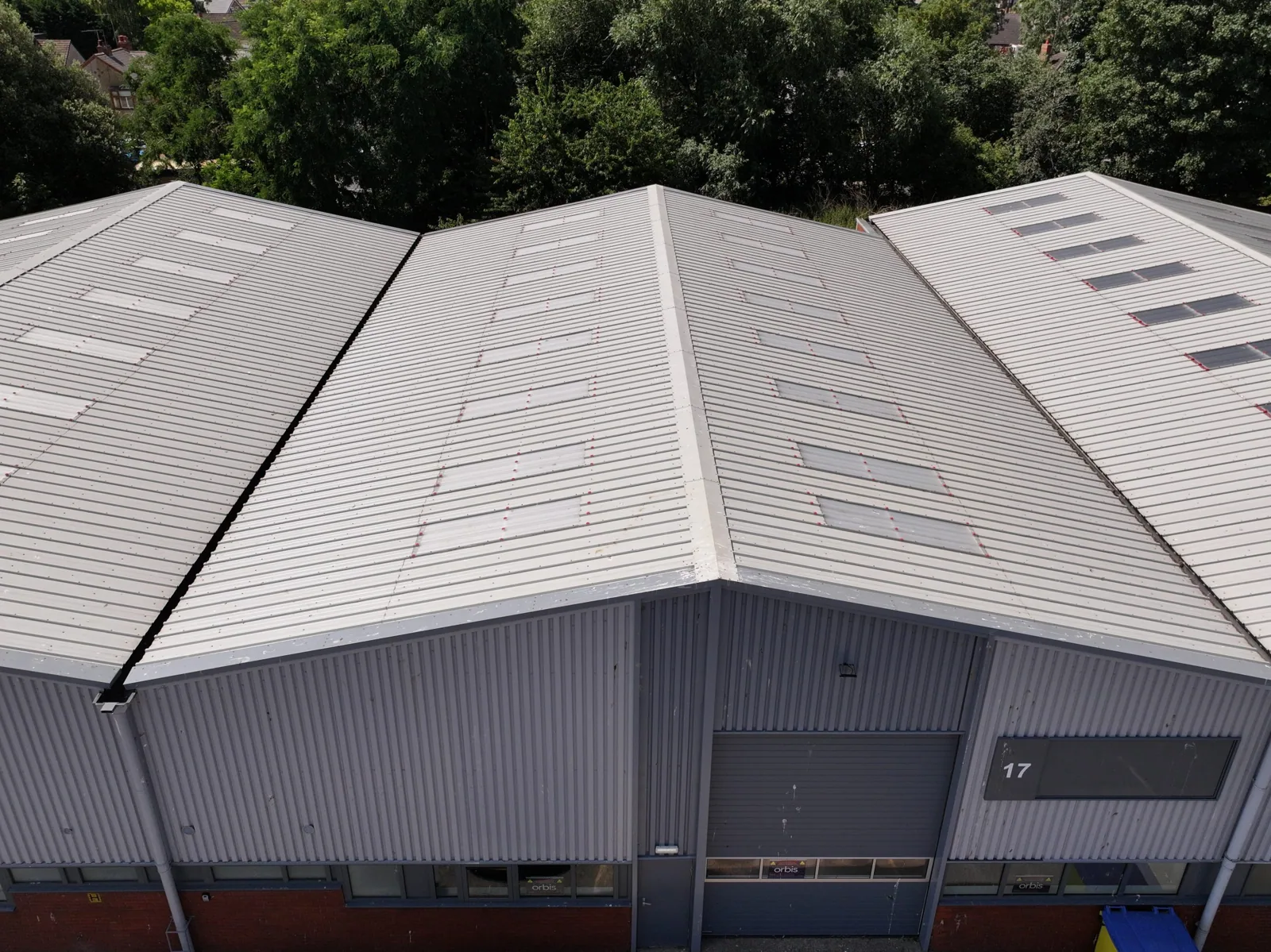
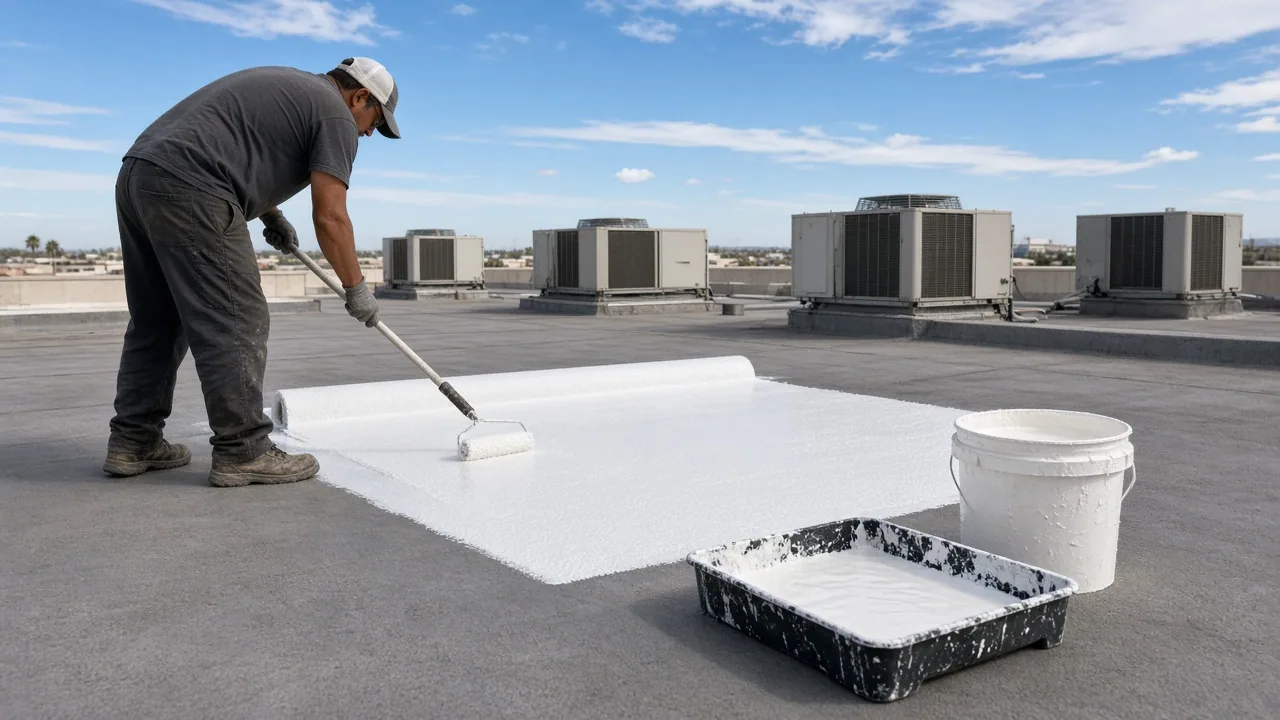
Commercial Roofing in South Garland, Garland, TX

How does the mixed-use opportunity affect the roof review?

South Garland’s development-incentive area includes city-owned land identified as a mixed-use opportunity near I-635 and South Garland Avenue. The planned use does not tell us whether an existing building has a particular membrane, tenant, or roof condition. For an occupied property, inspect its current assembly and review available plans or repair notes before choosing materials. If redevelopment later changes equipment, penetrations, or access, record those changes as separate work items.

When the owner is comparing options, the roof inspection should name the material observed, the repair boundary, and any concealed condition that could change scope. A commercial roof repair recommendation follows the building’s evidence. Keep the development concept in the property file as context and do not use it as a substitute for field findings. If roof construction history is unavailable, identify the missing record and any observation needed to resolve it.

For a property with several sections, label each roof area before estimating. The street location identifies the site, the roof plan identifies the section, and the inspection identifies the detail to correct. An owner should be able to see where work begins, what remains outside the scope, and when approval is needed if removal reveals a different condition.

Commercial Roofing in South Garland, Garland, TX

How should a visible symptom be traced?

Follow the reported symptom to a roof feature that can be inspected: a seam, curb, pipe, wall transition, or drain. Check the adjacent material as well as the apparent point of entry, because a repair must join a receiving surface that is suitable for the selected method. Photos should show both close detail and enough surrounding roof to relocate the area. Note whether the roof is dry, accessible, or partly concealed at the time of examination.

If the inspection reveals an opening that needs immediate stabilization, distinguish temporary emergency protection from the permanent correction. Record the covered area, what remains exposed, and the next condition required for closure. That distinction helps the responsible contact decide whether the temporary measure is sufficient for the moment or whether another inspection or approval is needed.

What needs a separate component review?

Roofing work sometimes meets an item whose movement, support, or utility connection is outside the membrane repair itself. At a curb or equipment support, document the roof-to-component interface and identify which part can be corrected by roofing material. If the support needs separate attention, name that dependency and who must resolve it before flashing can be completed. Do not roll structural, electrical, mechanical, or equipment work into an undefined roof quantity.

Where a discharge path reaches an outlet, separate drainage correction from damage to surrounding membrane. The linked roof drain and scupper work discussion can help identify that boundary. If the roof assembly itself is being compared, a TPO system is only one option to assess against the existing layers, attachment, and detail requirements.

Commercial Roofing in South Garland, Garland, TX

How should repair extent be compared?

Set a repair limit at observed material that can receive the specified connection, and describe what evidence would cause that limit to expand. If removal is needed to answer a concealed-layer question, define its purpose and the method for closing the opening. A proposal can then separate confirmed work from conditional work with a clear price or approval trigger. This gives the owner a practical comparison between a local correction and a larger scope without presenting unknown layers as damaged.

Consider commercial roof replacement when the actual assembly, repair history, or extent found makes a local patch an incomplete response. Future inspections may be easier if the owner also has a preventive roof maintenance record that locates repairs and unresolved areas. Neither choice follows from the South Garland planning designation alone.

Commercial Roofing in South Garland, Garland, TX

What should the work record hand back?

Close the file with the property address, roof-area reference, observed material, operation completed, and final condition at the repair edge. Include before-and-after photographs, any test opening and its closure, and the locations excluded from the work. If a return visit is required, list the prerequisite, responsible contact, and remaining task. That is more useful than a note that says only “leak repaired,” because it shows what was inspected and what the work did not establish.

If the inspection supports a broader repair plan, route follow-up to the same marked location and keep the planning-area reference as background only. The address, field evidence, and owner’s approved boundary should stay together in the closeout so another reviewer can understand the decision later.

What should happen after temporary protection?

A temporary cover has a limited purpose: reduce immediate water entry until the permanent connection can be inspected and completed. Record the covered boundary, the material beneath it if known, and any area that remains exposed. The return visit may need dry conditions, a stable receiving surface, or access from another trade. The building contact should know which requirement remains and who will confirm it before the crew returns.

At completion, photograph the final tie-in and include the roof-zone label in the closeout. Note whether the repair addressed a seam, curb, wall, drain, or edge, and list any condition the approved scope did not include. If the roof map covers multiple South Garland buildings, use separate identifiers rather than one neighborhood label. That keeps the next inspection attached to the structure that was actually reviewed and makes future maintenance records easier to compare.

Commercial Roofing in South Garland, Garland, TX

Common Questions

What does the South Garland mixed-use reference describe?

It identifies a city-owned opportunity near I-635 and South Garland Avenue. Existing roofs still need a building-specific inspection before work is scoped.

Can the South Garland area name identify the roof in my request?

No. Provide the property location and roof zone so inspection findings and repair records stay with the correct building.

What should be recorded when a leak is reported?

Locate the roof area, inspect the adjoining detail, and distinguish visible material from any concealed layer.

When should repair scope become conditional?

When the next quantity depends on removal or an unverified layer, define the investigation and approval point first.

What makes a useful closeout?

Record the completed operation, its boundary, photographs, and any unresolved condition or return prerequisite.

Commercial Roofing in South Garland, Garland, TX

Confirm the South Garland property

Share the property address, the roof area in question, and any available repair history. Keep the planning reference separate from findings about the building.

Call 555-555-5555 or request a roof assessment.

Questions About Your Roof?

ServicesRoof SystemsProperty TypesIndustriesService AreasDamage RepairCapabilitiesManufacturersAboutRequest a Roof Assessment555-555-5555
Call us today555-555-5555