KEE Commercial Roofing in Garland, TX

KEE Commercial Roofing in Garland, TX

KEE Commercial Roofing

Roof Systems

KEE roofing is a specific PVC membrane formulation, not a separate roof layer placed over ordinary PVC and not a promise that every chemical exposure is harmless. The polymer blend, membrane reinforcement, attachment and welded details all matter. We identify what reaches the roof, review the product’s published resistance information and examine the assembly before deciding whether a KEE product fits the condition.

For a property near Forest/Jupiter Station or South Garland, document the substance, source and roof zone where it lands before considering a KEE product.

What does KEE mean in this roofing system?

KEE refers to ketone ethylene ester, a polymer used in some PVC membrane formulations. The KEE remains part of a flexible PVC roofing sheet, commonly reinforced for commercial use. Manufacturer names and formulations vary, so the submittal should spell out the membrane product rather than relying on the shorthand “KEE roof.” KEE-enhanced PVC is available in multiple product families, each with its own technical documents and configurations.

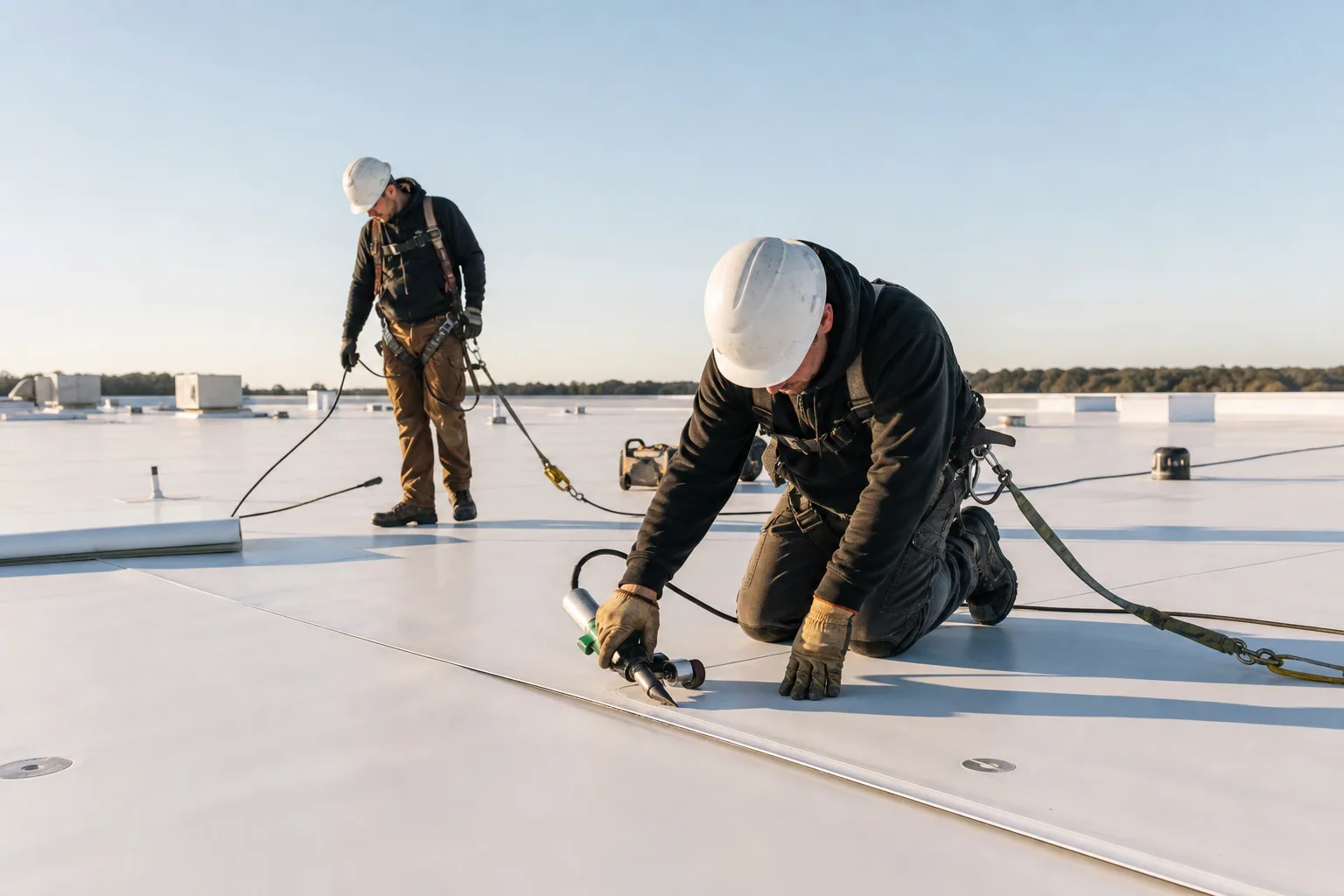
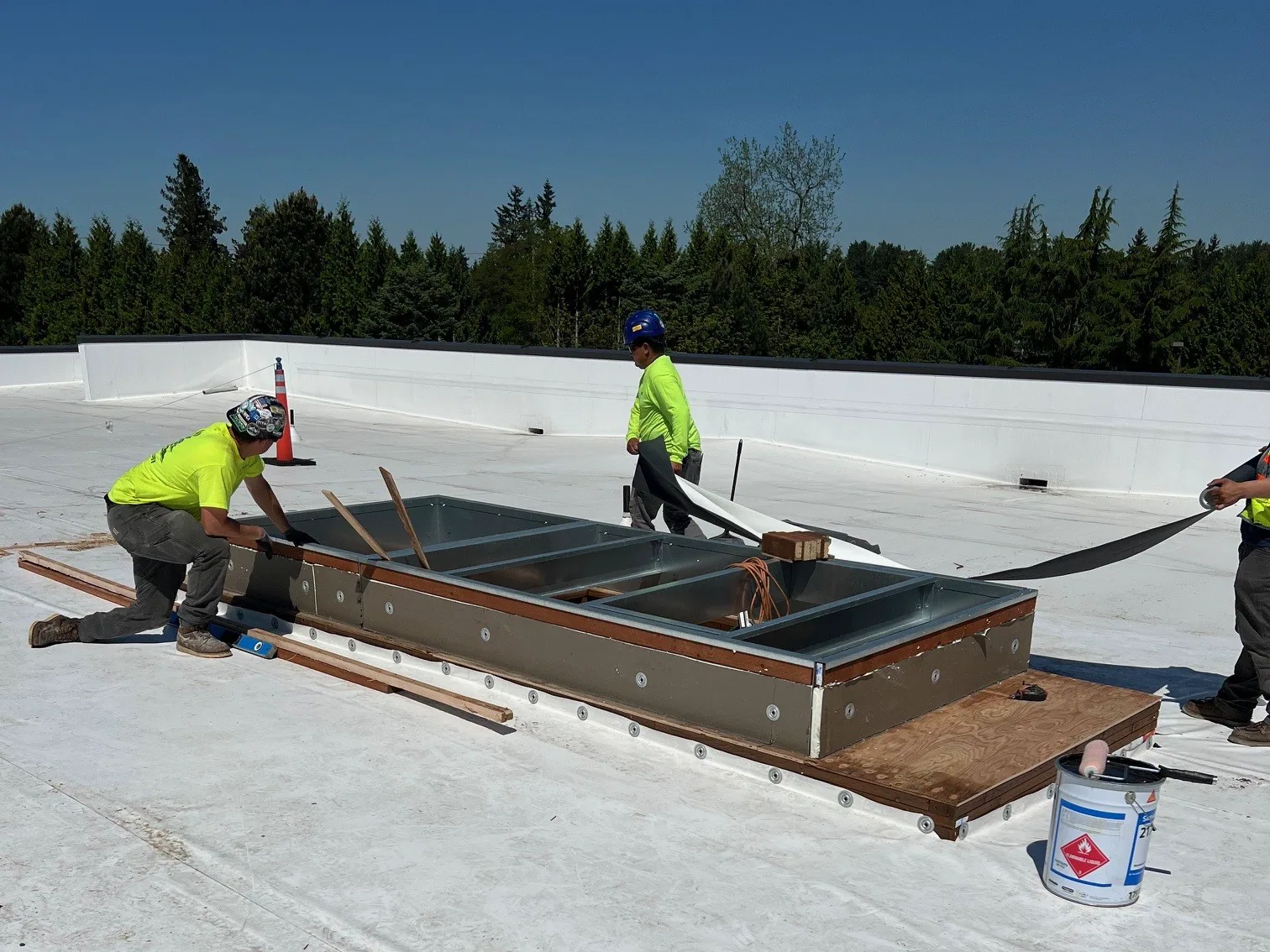
Because KEE products remain PVC-based thermoplastics, their field seams are typically heat-welded under the chosen system’s procedure. That separates them from EPDM, whose common splices use primers and tape, while TPO has a different thermoplastic formulation. KEE’s presence does not erase differences among brands, reinforcement types, approvals or installation instructions.

KEE Commercial Roofing in Garland, TX

What roof exposure might justify evaluating KEE?

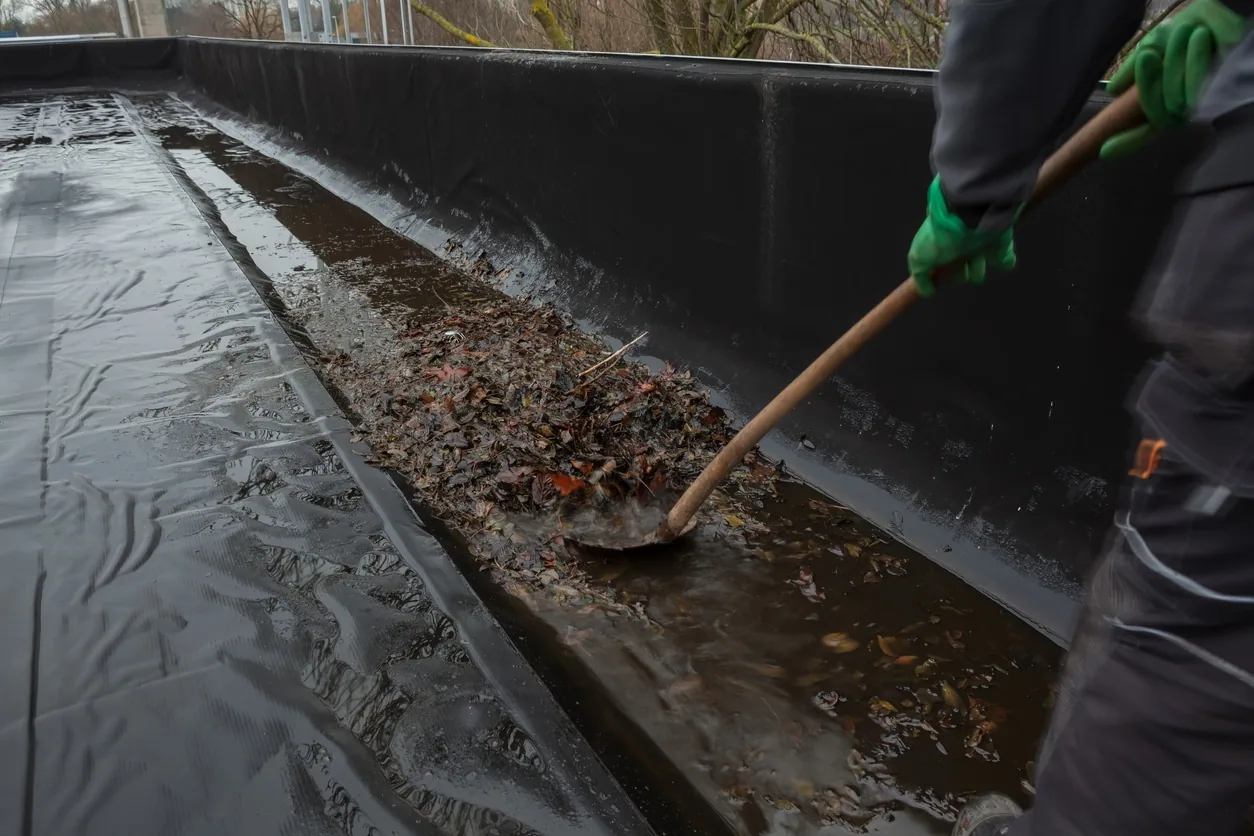
Start with the source of the exposure: kitchen grease, animal fats, fuel, coolant, manufacturing residue or exhaust may contact a roof in different ways. Record where discharge lands, how often it occurs, whether it pools or dries, and whether cleaning agents also reach the surface. A product may have published resistance to certain substances, but that does not certify an unknown mixture or all exposure concentrations. Ask the owner for process information or safety data when the chemical identity is uncertain.

Check current product literature for the exact membrane and verify compatibility of flashings, walkways, sealants and drain details too. A resistant field sheet can still fail where the wrong accessory or contaminated seam is used. PVC KEE can be compared with standard PVC or other specified materials only after the roof conditions and manufacturer documentation are aligned. It should not be selected from a business category alone. If the surface has residue or discoloration, map the affected zones and compare them with exhaust outlets, drain paths and reported cleaning before identifying the exposure source.

When a chemical is identified, ask the owner or process contact for its current safety data sheet and a description of how it reaches the roof. Record whether the contact is a direct exhaust plume, a spill, routine washdown or runoff from another surface. Include the affected zone and frequency in the evaluation request, then compare that information with the exact membrane and accessory data. If the substance or concentration remains unknown, state that limitation and leave material selection open until it is resolved.

KEE Commercial Roofing in Garland, TX

How does the assembly connect to the building?

Confirm the deck, existing insulation, cover board and intended attachment before ordering membrane. Manufacturer systems may allow adhered, mechanically attached or induction-welded configurations, but each is limited to defined substrates and details. Design pressures, roof height, perimeter conditions, deck capacity and construction loads determine fastener patterns and attachment. The responsible design professional should establish structural requirements where needed; a roofer should not infer them from the visible sheet.

Board condition and compatibility also matter. A surface must be suitable for the selected adhesive or fastening system, and the specified separation layer should be used where required. If recovering an existing assembly, examine moisture and attachment first. The insulation and cover-board scope should identify board type, attachment and relation to the KEE membrane so a product substitution does not silently change the approved construction.

What do KEE seams and details require?

Weld quality depends on membrane preparation, sheet overlap, welder temperature and speed, ambient conditions and operator technique. The selected guide should identify checks for machine welds, hand welds and transitions where equipment changes. Completed seams need the manufacturer’s required probing or inspection and repair before the area is accepted. KEE is not a shortcut around workmanship; the bond depends on process control.

Curbs, pipes, drains, scuppers, wall terminations and coated-metal edges each need compatible accessories and a clear termination. Plan flashings with the same care as the field sheet, particularly where chemical contact or repeated service traffic reaches a detail. For openings needing reconstruction, coordinate roof drains and scuppers or equipment curb and support work before welding the membrane around them.

Do not assume a weld setting transfers unchanged from one sheet thickness, reinforcement, or site condition to another. Prepare a sample and check it before production, then confirm the finished seam after it cools. Corners, T-joints, drain rings, and curb transitions require careful fitting because a narrow gap can interrupt the watertight plane. Mark any field adjustment and keep the chosen product and accessory records with the roof file. Where an existing PVC system remains nearby, maintain a clear material boundary and verify compatibility before tying into it.

KEE Commercial Roofing in Garland, TX

How should KEE be compared with standard PVC?

The reason to specify a KEE-enhanced membrane should be tied to a known exposure or project requirement and to published information for the exact product. Standard PVC also has product families intended for commercial use; ratings, reinforcement, seam details and chemical-resistance tables vary. Compare the materials at each location where chemicals contact the roof instead of assuming that a formulation addresses every adjacent flashing or roof component.

Have the design professional and Garland authority confirm permit and code requirements for the project address and scope before selecting the assembly. A commercial roof inspection can record roof layers and visible contact patterns. Product selection may need process details, test openings, structural review and the design professional’s approval before a bid is final.

For a property in South Garland or near Forest/Jupiter, base any KEE recommendation on documented exposure at that roof and compatibility information for the selected product.

KEE Commercial Roofing in Garland, TX

What documents should stay with the roof?

Record the KEE product and manufacturer, membrane construction, thickness, attachment, insulation and cover board, accessory materials, seam checks, flashing transitions and completed areas. Preserve the approved shop drawings, chemical compatibility information used for selection and warranty documents actually issued. Photograph drains, exhaust-adjacent zones, curbs and any area where cleaning or service procedures affect the surface. Note exclusions or unresolved exposures for future maintenance.

Provide the Garland address, roof records and any known substance or exhaust reaching the roof. We can assess the assembly and help identify product-specific questions before KEE is included in the scope.

Preserve the exposure review with the installed product record so future maintenance teams know which chemical contact was considered. If a process, cleaner or exhaust route changes, revisit compatibility before the affected roof area is patched or recoated.

KEE Commercial Roofing in Garland, TX

Common Questions

Is KEE a membrane separate from PVC?

KEE is a polymer ingredient in certain PVC membrane formulations. Specify the actual product and manufacturer; KEE shorthand alone does not define the roof assembly.

Does KEE make a roof resistant to every chemical?

No. Use current resistance data for the exact product and actual substance, concentration and contact pattern. Accessories and seams need their own compatibility review.

Are KEE seams heat-welded?

KEE thermoplastic seams are heat-welded in the specified systems. Follow the selected membrane’s instructions for preparation, overlap, settings and seam inspection.

Should every restaurant or factory use KEE?

No. Confirm the substances, exhaust and process conditions that actually contact the roof before choosing a KEE product. Identify actual exhaust, residue or chemical contact before comparing PVC, KEE and other systems.

KEE Commercial Roofing in Garland, TX

Evaluate the actual exposure before choosing KEE

Provide the Garland address, roof records and information about any rooftop chemical or grease contact. We can review the assembly and identify manufacturer compatibility questions for the specified membrane.

Call 555-555-5555 or request a roof assessment.

Questions About Your Roof?

ServicesRoof SystemsProperty TypesIndustriesService AreasDamage RepairCapabilitiesManufacturersAboutRequest a Roof Assessment555-555-5555
Call us today555-555-5555