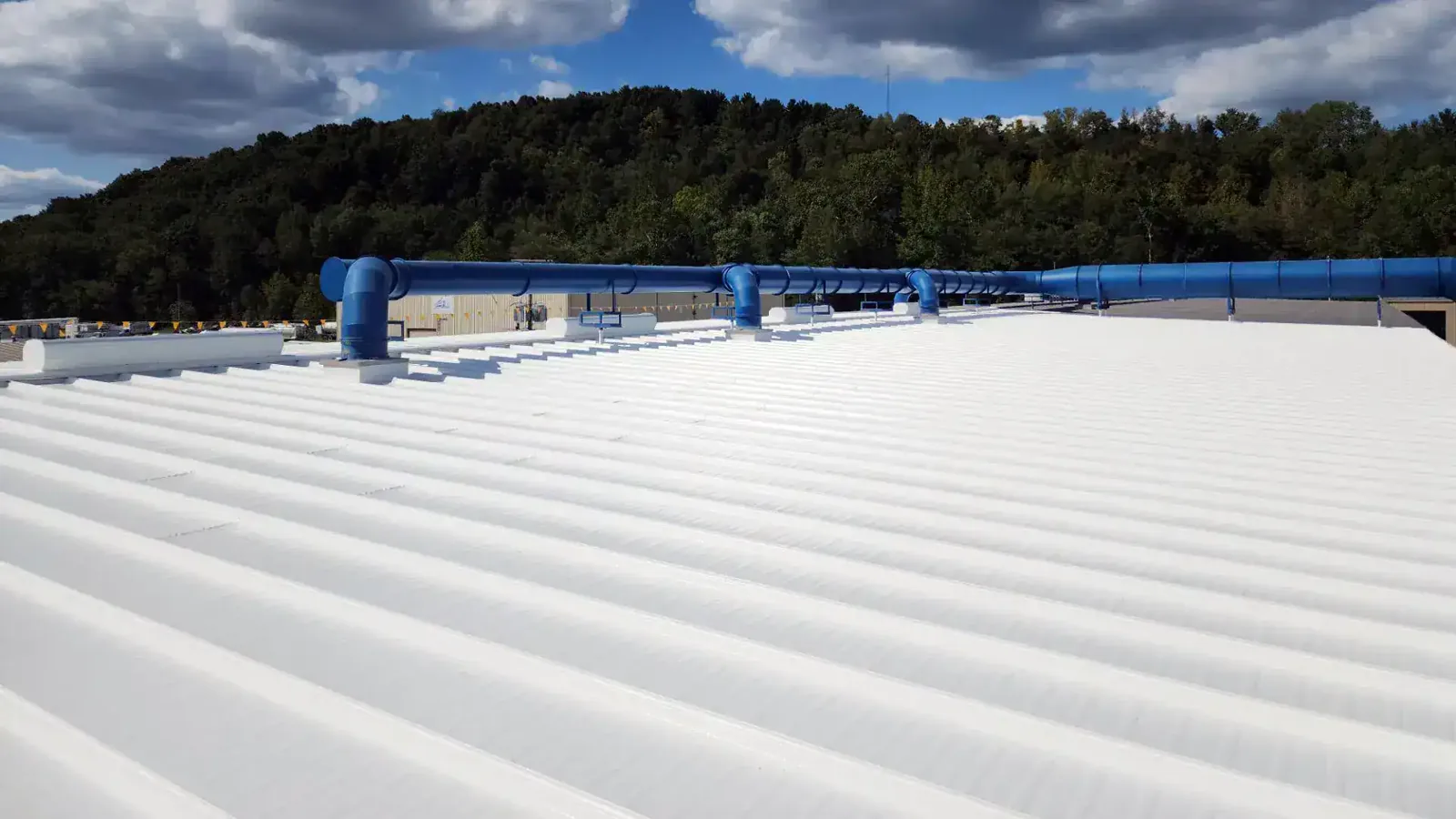
Roof Insulation and Cover Board in Garland, TX

Roof Insulation and Cover Board in Garland, TX

Roof Insulation and Cover Board

Commercial Roofing Services

A roof replacement can expose insulation that varies by thickness, condition or attachment from one section to the next. We identify the existing build-up and the performance question before specifying new insulation or cover board. The choice affects how the membrane is supported, how transitions meet drains and curbs, and how crews sequence each roof area. An estimate should name the material layers and installation method so the owner can compare the actual assembly rather than a generic insulation allowance.

DFW summers are hot, and winter temperatures vary across the region. Heat and variable winter temperatures make insulation continuity and roof transitions important to a Garland building’s thermal performance. We select materials from the project design, existing assembly and applicable code. A facility near Forest/Jupiter Station or Firewheel Town Center still needs a roof survey, project design and applicable code review.

What is already beneath the membrane?

Existing records can describe the original roof, but later repairs and overlays may have changed its layers. We inspect accessible edges, drains, curbs and existing openings to understand the actual assembly. Where concealed conditions remain uncertain, an approved test opening can reveal deck, insulation type, thickness and attachment. Moisture or deterioration in the existing layer changes the scope; adding new board over an unstable surface does not resolve the condition below it.

The owner’s objective also matters. Replacement may call for removal to the deck, selective replacement of damaged layers or a designed recover assembly where permitted. We explain the boundaries and why each layer remains or is removed. A commercial roof replacement scope should distinguish insulation from cover board and membrane so quantities, attachment and transitions can be reviewed together. If wet areas are suspected, an infrared moisture survey can help select confirmation locations but does not establish the repair quantity by itself.

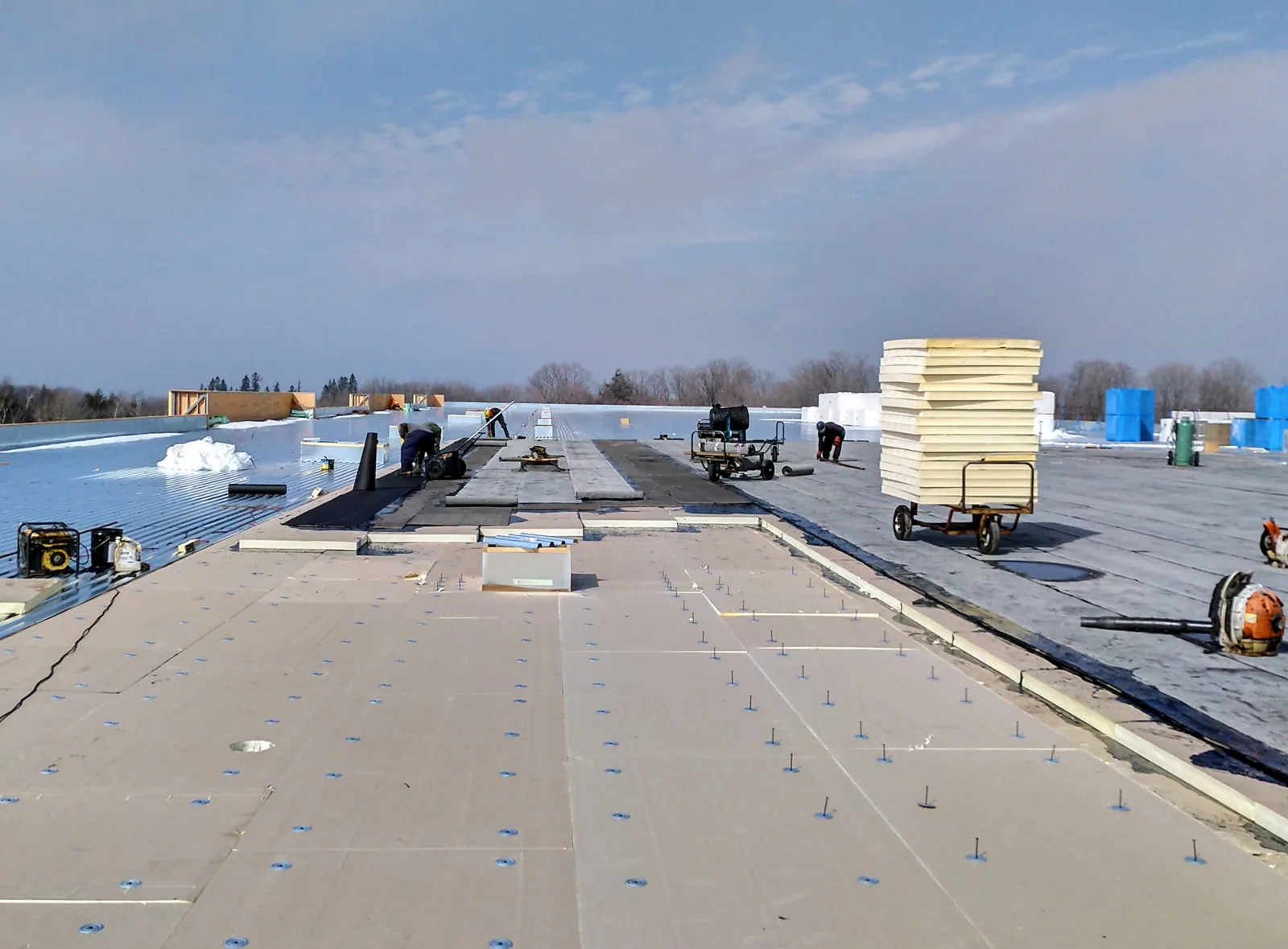
Board layout matters at joints and transitions as well as across the field. Staggered joints, edge support and attachment patterns follow the system design and should be visible in the work records before the membrane covers them. Photograph representative areas and keep delivery or product labels associated with the roof zone where the material was installed.
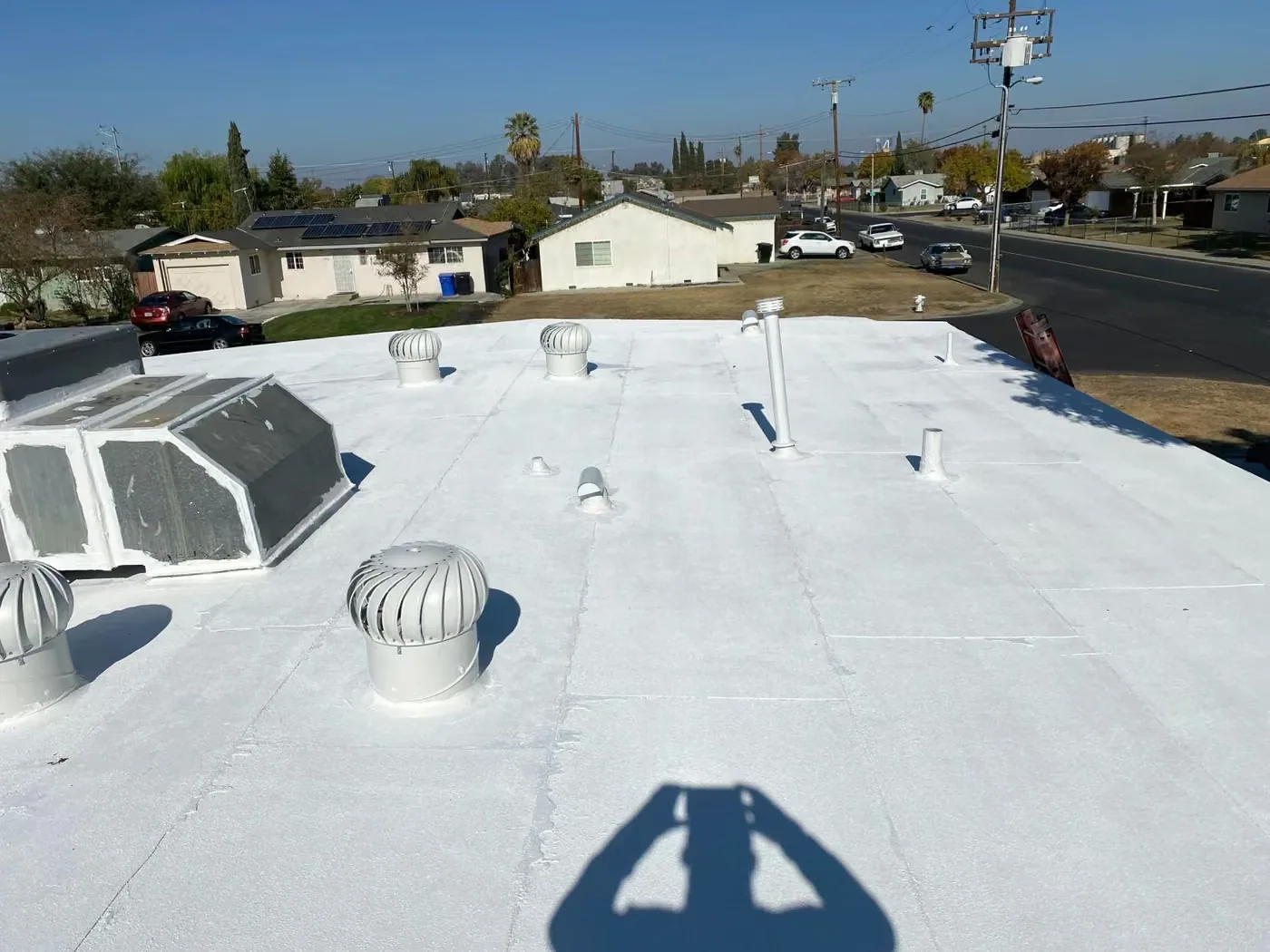
Roof Insulation and Cover Board in Garland, TX

How do insulation and cover board differ?

Roof insulation contributes thermal resistance and establishes part of the roof build-up. A cover board provides a surface above insulation for the selected membrane or coating system and may address project-specific strength or protection needs. These functions are related but not interchangeable. Product type, thickness, facer, compressive properties, attachment and compatibility all depend on the designed roof assembly and manufacturer requirements. We identify the actual products proposed instead of describing every board as equivalent.

Johns Manville publishes multiple commercial insulation and cover-board options, including polyiso insulation and high-density boards. Compare each product’s documented properties with the project design, existing assembly and required attachment before selecting it for installation. The roof system also matters: TPO membrane, EPDM and modified bitumen assemblies have different details and attachment requirements. We follow the selected system documentation and project design.

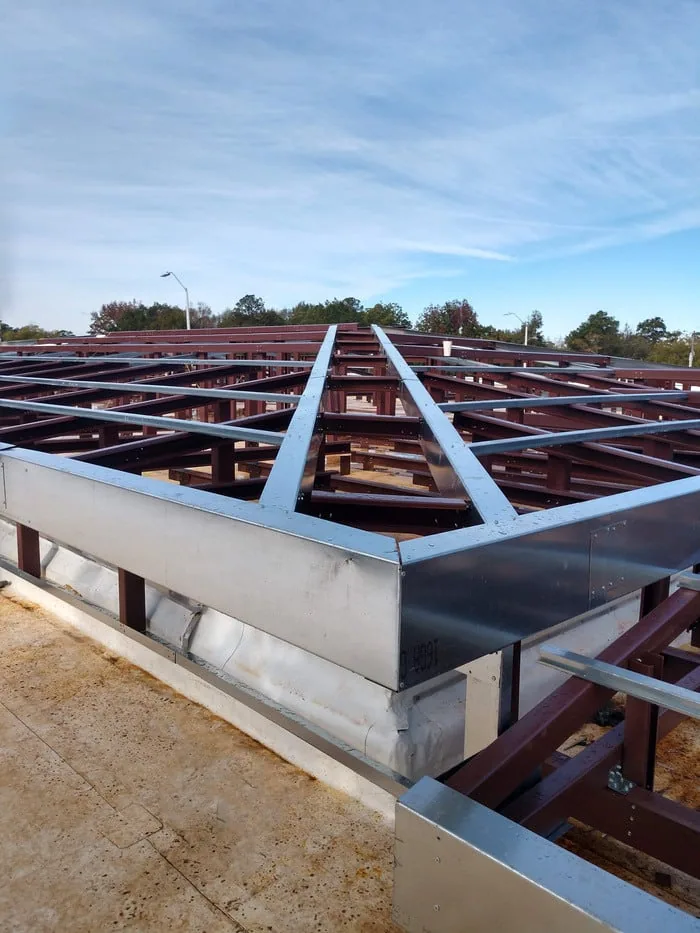
The roof deck is part of the attachment system. A corroded, deteriorated or unexpectedly thin deck can require a design response before fasteners or adhesives are selected. We document the exposed condition and seek direction from the responsible professional when it differs from the project assumptions. Covering the deck without resolving that difference can leave the new assembly dependent on a connection that was never verified.

Roof Insulation and Cover Board in Garland, TX

What must the new build-up preserve?

Insulation thickness changes the elevation at roof edges, drains, scuppers and equipment transitions. The design should show how water reaches each outlet and how membrane height connects to adjacent surfaces. Tapered insulation may be part of a designed drainage correction, but it cannot be assumed to fix structural deflection or an undersized outlet. We review elevations and transitions before material placement so the finished build-up has a defined termination at each perimeter and penetration.

At a drain, the membrane connection and drain bowl must remain coordinated with the insulation and cover board. The detail at roof drains and scuppers needs to maintain a secure, serviceable connection. Rooftop units and piping can also set height constraints; where an equipment curb needs alteration, that work should be planned with the curb and support scope before insulation closes the assembly. These interfaces influence material takeoff, sequence and access.

At the end of each work area, confirm that insulation edges, board joints and temporary terminations are protected from weather. Coordinate material receiving and staging so roof drains stay clear and loads follow the approved plan. This closeout discipline is especially useful when construction is divided into phases or when a later crew will continue the membrane installation.

How is the assembly attached and protected?

The approved design and system instructions determine whether boards are mechanically fastened, adhered, installed in multiple layers or joined by another specified method. Fastener type, spacing, substrate and board arrangement cannot be generalized from a product family name. We identify the attachment details for the actual deck and membrane system, including perimeter or corner requirements where design documents call for them. If the deck condition differs from records, stop and resolve the discrepancy before covering it.

Cover board can provide a consistent working surface, but seams, edges and penetrations still need careful placement and secure attachment. Material staging should avoid concentrated loads or blocking drainage. If the building remains in use, divide the roof into areas that can be opened, protected and closed according to the approved work plan. A phased occupied-building reroof may help coordinate these boundaries, while inspection records can preserve the existing conditions that inform the design.

Roof Insulation and Cover Board in Garland, TX

What sets the insulation scope and timing?

The scope depends on demolition limits, deck type and condition, insulation layers, fastening pattern, cover-board choice, roof geometry and the details that must be raised or rebuilt. Uncovering unexpected wet material can change the quantity and sequence. We show that condition to the owner and agree on an additional boundary before proceeding. This avoids burying a field decision in an allowance and gives the owner a record of the material actually installed in each roof zone.

Garland’s listed energy-code edition is the 2015 International Energy Conservation Code, effective September 19, 2016. Confirm current project applicability with the design professional and local authority. The project team should confirm applicable code, design loads and energy requirements with the responsible professionals and authorities. A Central Library location or other nearby landmark supplies geography only, not a construction specification. When heat control is part of the owner’s objective, compare the designed assembly with reflective roof options rather than assuming insulation alone addresses every roof performance question.

Material records should include product identification and roof-zone placement, with installation photographs taken before the next layer conceals board attachment. Where multiple types or thicknesses meet, show the transition and how it connects with curbs, drains and wall edges. These details help an owner understand what assembly was built and give future repair work a dependable reference.

Roof Insulation and Cover Board in Garland, TX

Common Questions

Can new insulation go over the existing roof?

Only after the existing layers, attachment, moisture condition and project requirements are reviewed. An approved recover design must define how the new assembly connects to the substrate and details.

Is cover board the same as insulation?

No. They serve different roles in an assembly. Product selection and attachment depend on the membrane system, deck, design and manufacturer instructions.

Can tapered insulation correct ponding?

It may be included in a designed drainage solution, but observed ponding can also involve structure or outlet limitations. We evaluate elevations and drains before proposing a build-up.

What if removal reveals wet material?

We pause at a protectable boundary, document the exposed layers and obtain owner direction on the revised removal and reconstruction scope.

Roof Insulation and Cover Board in Garland, TX

Review the roof build-up before ordering

Send the property address, available roof records and reported concern. We can examine the assembly, identify the insulation and cover-board layers in scope, and flag transitions that need design or owner direction.

Call 555-555-5555 or request a roof assessment.

Questions About Your Roof?

ServicesRoof SystemsProperty TypesIndustriesService AreasDamage RepairCapabilitiesManufacturersAboutRequest a Roof Assessment555-555-5555
Call us today555-555-5555