What can thermal patterns tell us?
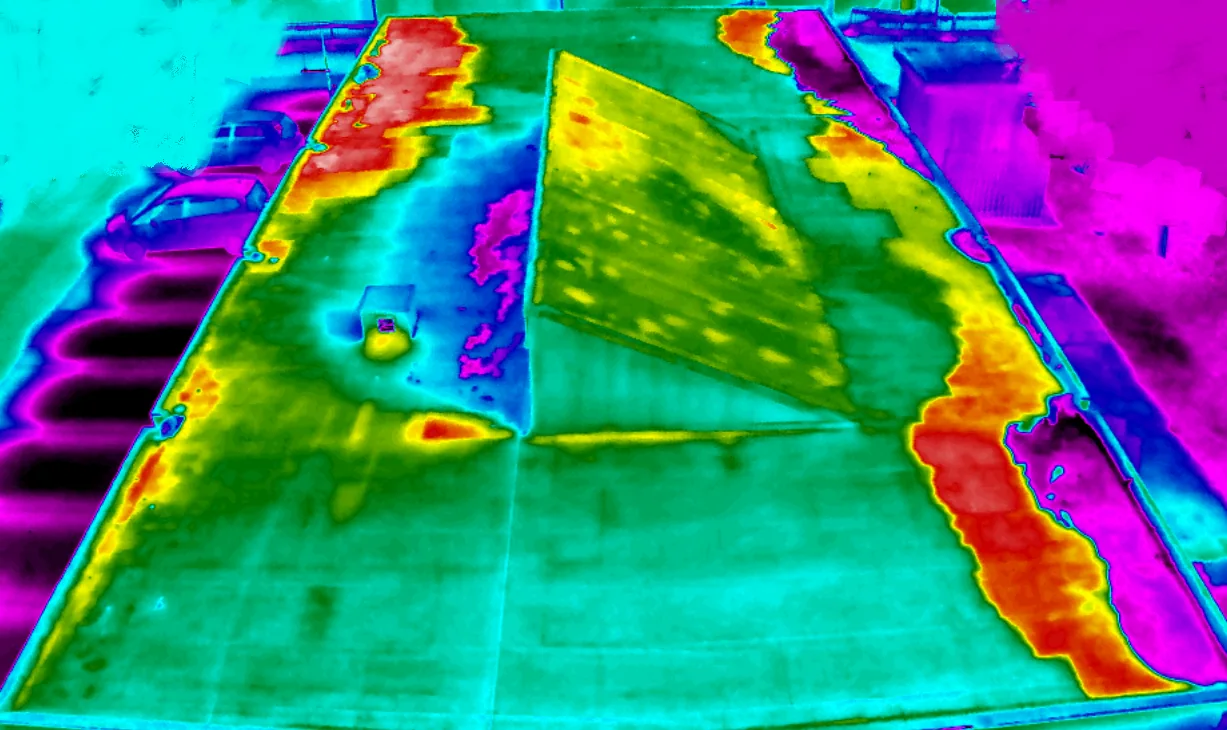
Different surface temperatures can help identify areas that merit further investigation when the roof and survey conditions are suitable. The pattern is evidence to interpret, not a direct moisture reading. Roof material, recent sun exposure, shade, surface color, wind and equipment can affect what the camera records. We compare the thermal image with visible conditions and the roof layout, noting areas that cannot be interpreted confidently instead of assigning them a moisture boundary.
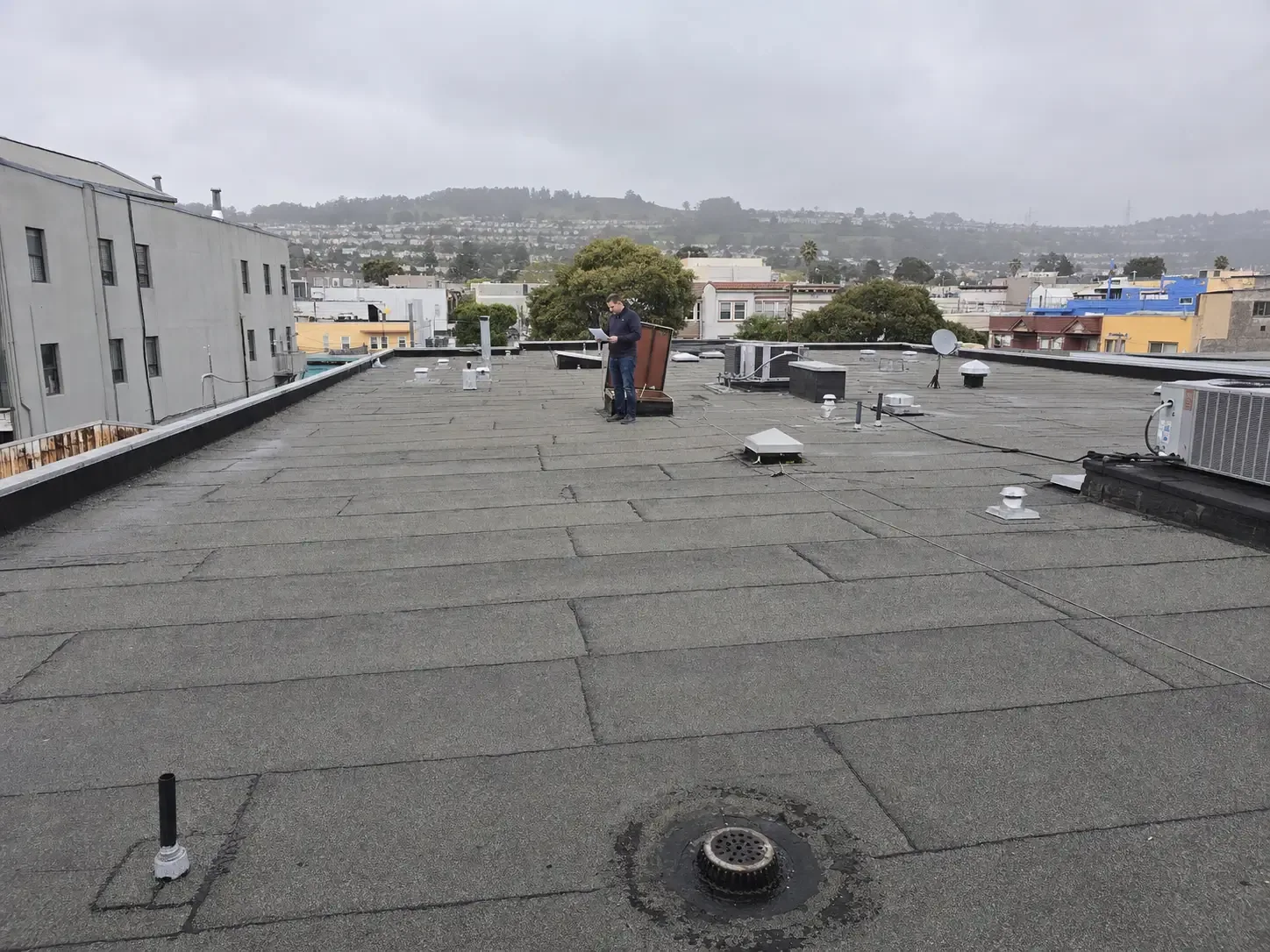
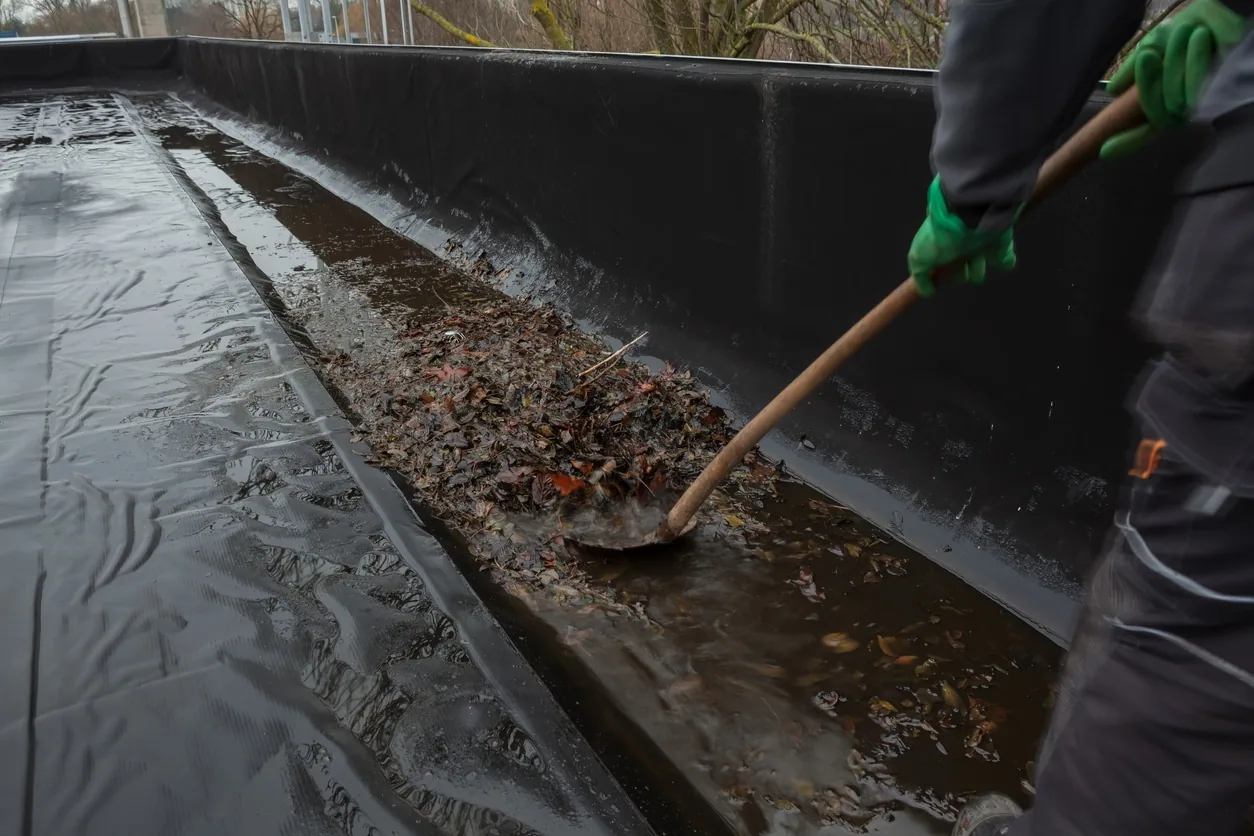
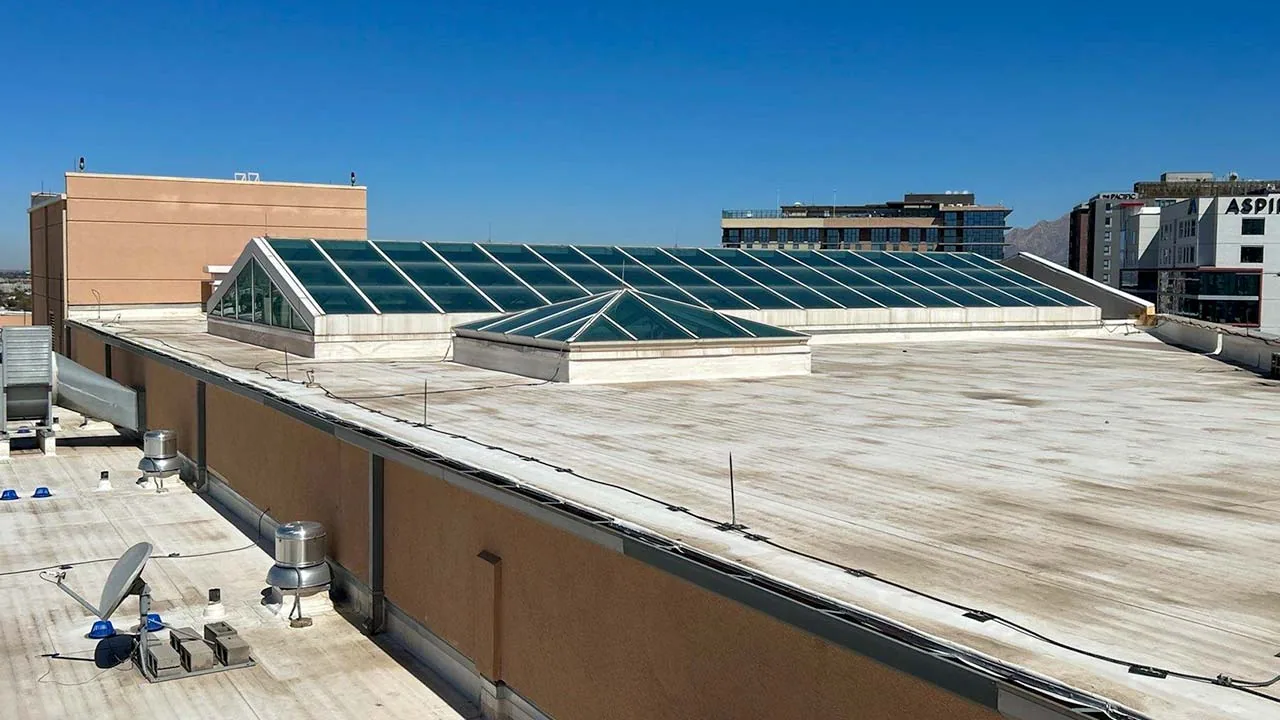
A drone roof inspection can collect an overhead view that helps locate patterns across a larger roof. It does not change what infrared can prove. A visual roof inspection adds accessible detail observations, including seams, drains and penetrations. The two records are most useful when each has a clear purpose and the owner can see which observations are measured patterns, which are visible defects and which require opening the assembly.
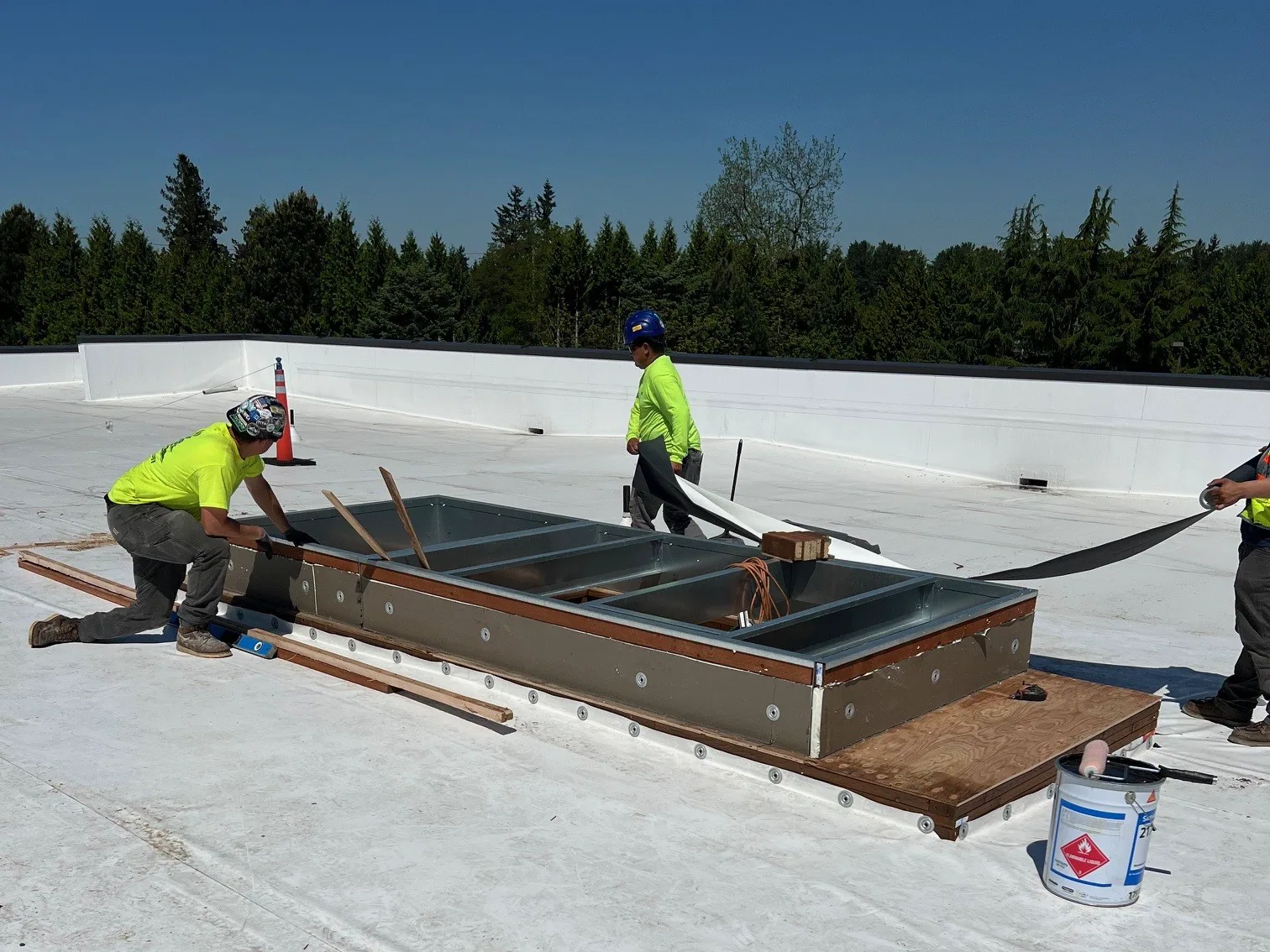
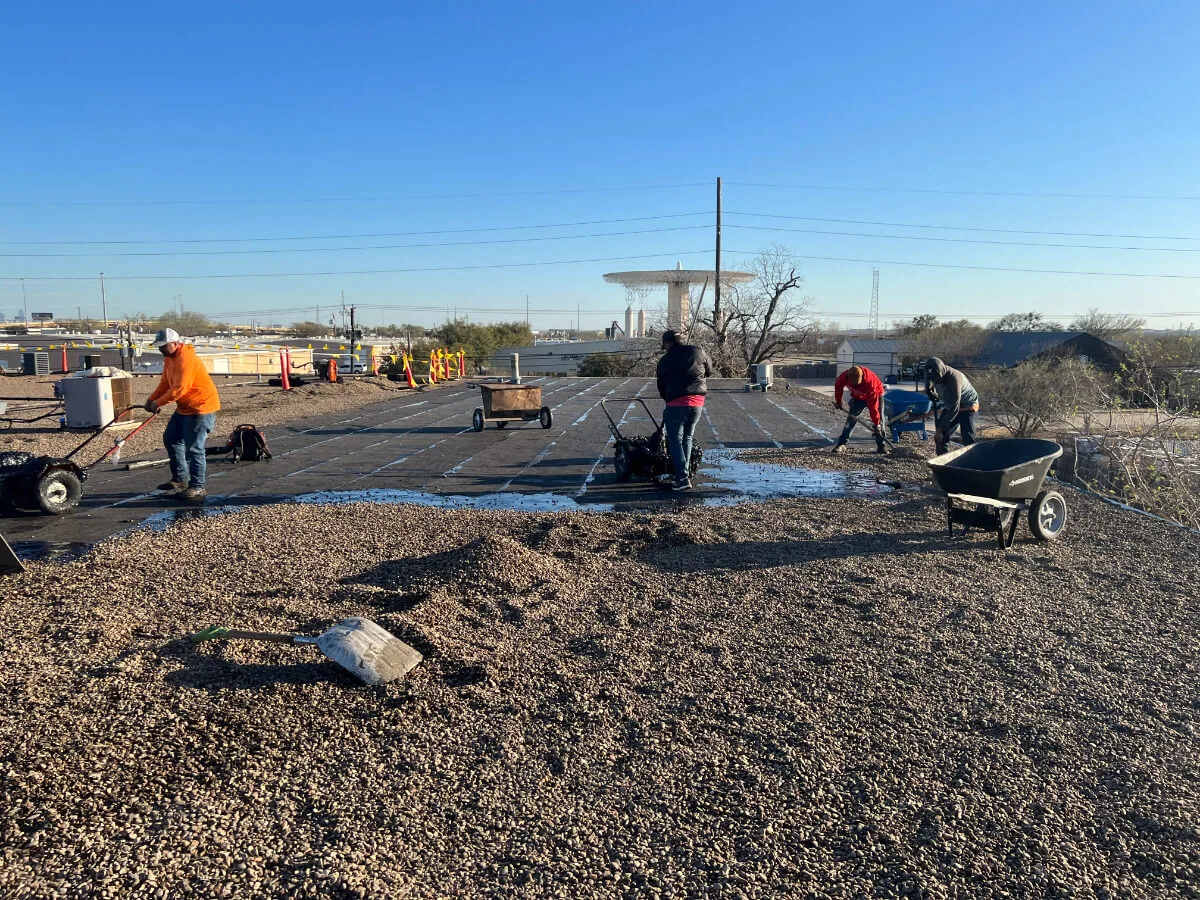
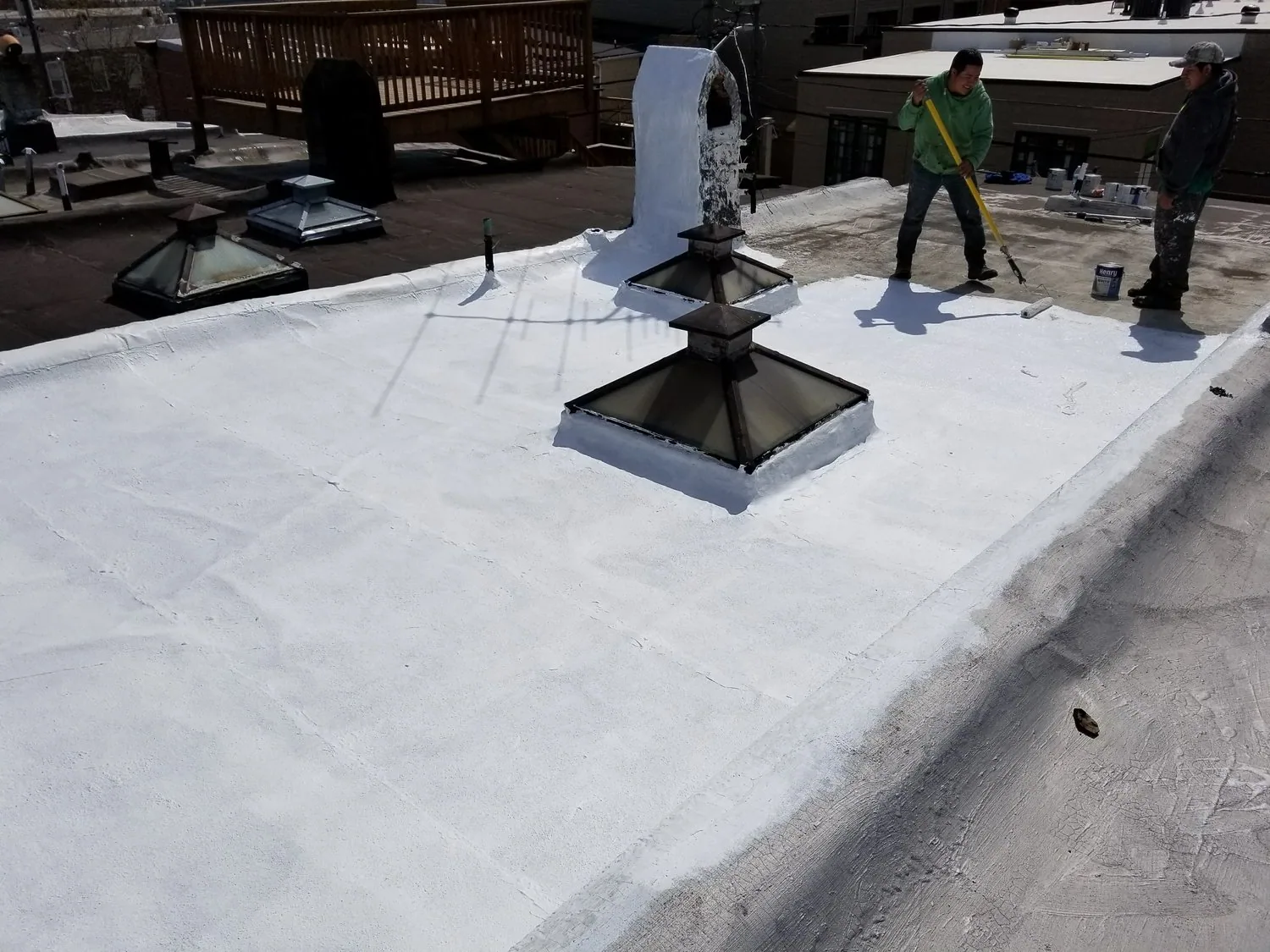
Survey interpretation also depends on the roof’s layers and surface. A ballast-covered assembly, reflective membrane, coating or repair patch can respond differently to temperature changes. We gather available construction records and visually distinguish these zones before mapping possible anomalies. If the assembly cannot be identified with enough confidence, that uncertainty stays in the survey record and may change which confirmation method is appropriate.