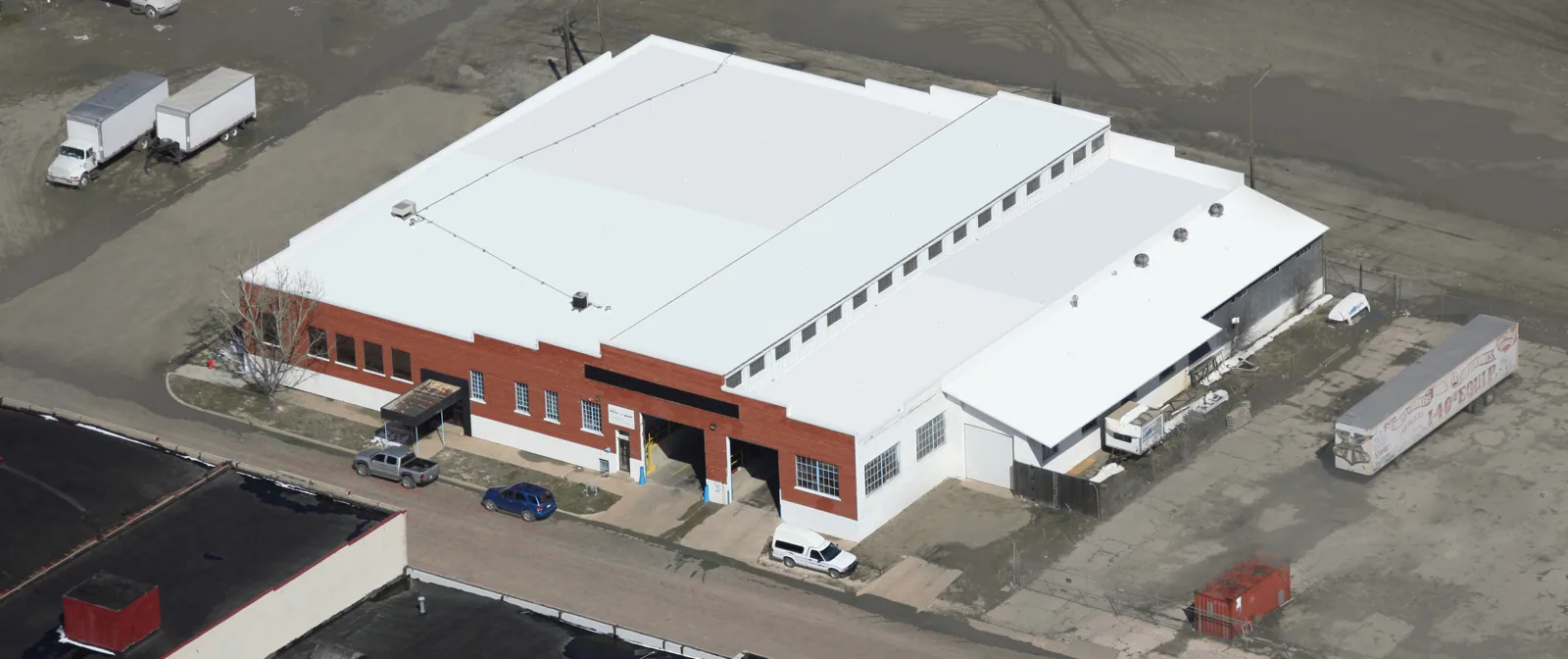
Commercial Roofing in Garland, TX

Commercial Roofing in Garland, TX

Garland Citywide

Service Areas

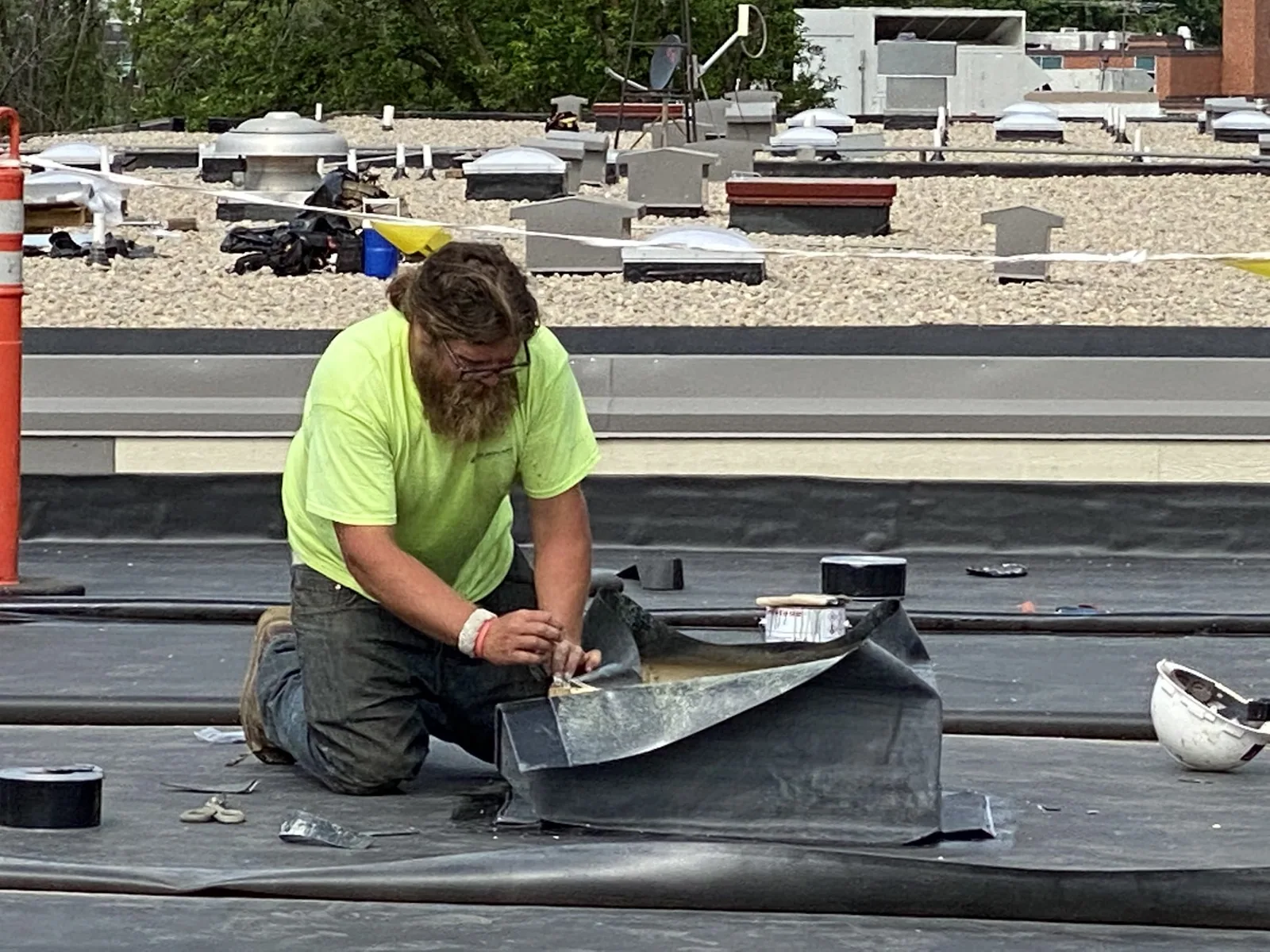
Garland’s commercial buildings include advanced manufacturing, retail, entertainment, data centers, public uses, and offices. Each property needs an inspection tied to its actual roof and operating requirements. A leak or storm report gives the inspection a starting location; compare it with roof-level conditions before identifying a failure or repair. We identify the requested building and affected area, inspect accessible membrane, seams, edges, flashings, curbs, drains, and penetrations, then document what the evidence supports. Photographs and roof plans should make each finding easy to locate during repair or a later inspection.

Commercial activity is spread among different parts of Garland. Downtown Garland connects civic and performing-arts destinations near its DART station; Forest/Jupiter serves another transit and business area. The city also identifies South Garland as a focus for future mixed-use development. For each Garland property, confirm access rules with its building contact and identify roof materials during the inspection. A commercial roof inspection starts with the property and concern supplied by its authorized contact.

Work across Garland’s commercial districts

Garland’s economic-development materials identify advanced manufacturing, destination retail, entertainment, and data centers among local industries. Those uses may involve different roof assemblies, equipment, deliveries, tenant schedules, and security requirements. Firewheel Town Center is a retail destination near the President George Bush Turnpike and Highway 78. Downtown Garland includes civic and performing-arts destinations around transit. The owner identifies the actual property and roof zone before we set an inspection or estimate quantity.

South Garland is a named city development area, and its published plan describes a long-term mixed-use opportunity rather than a completed project. We distinguish current buildings from future development in service planning. A nearby street, station, or commercial destination can help locate the conversation, but the property contact confirms the actual entrance, roof hatch, staging position, and authority to approve access. Separate buildings under one manager receive separate findings when their roof conditions or work limits differ.
Commercial Roofing in Garland, TX

How an inspection supports a repair decision

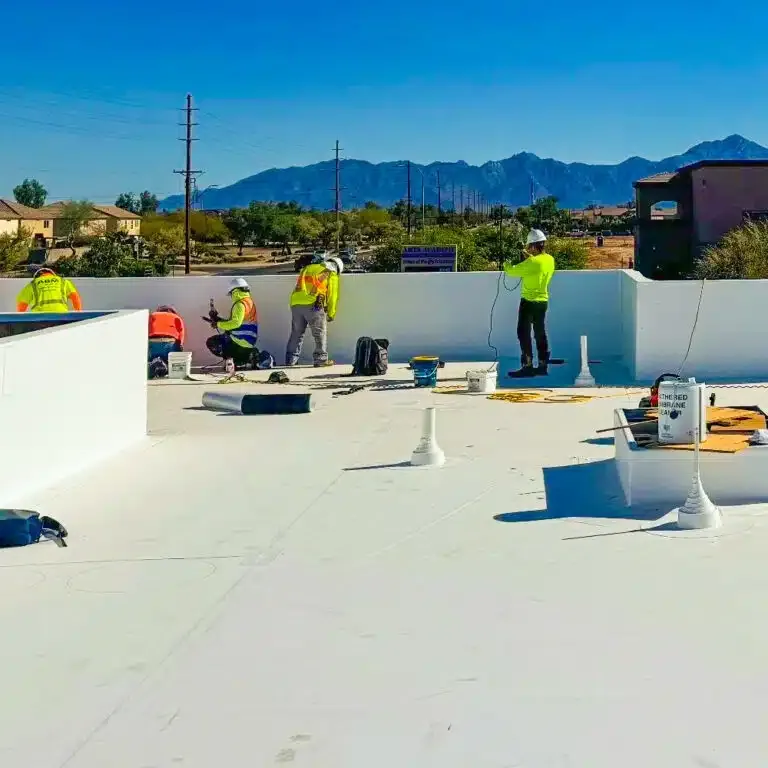
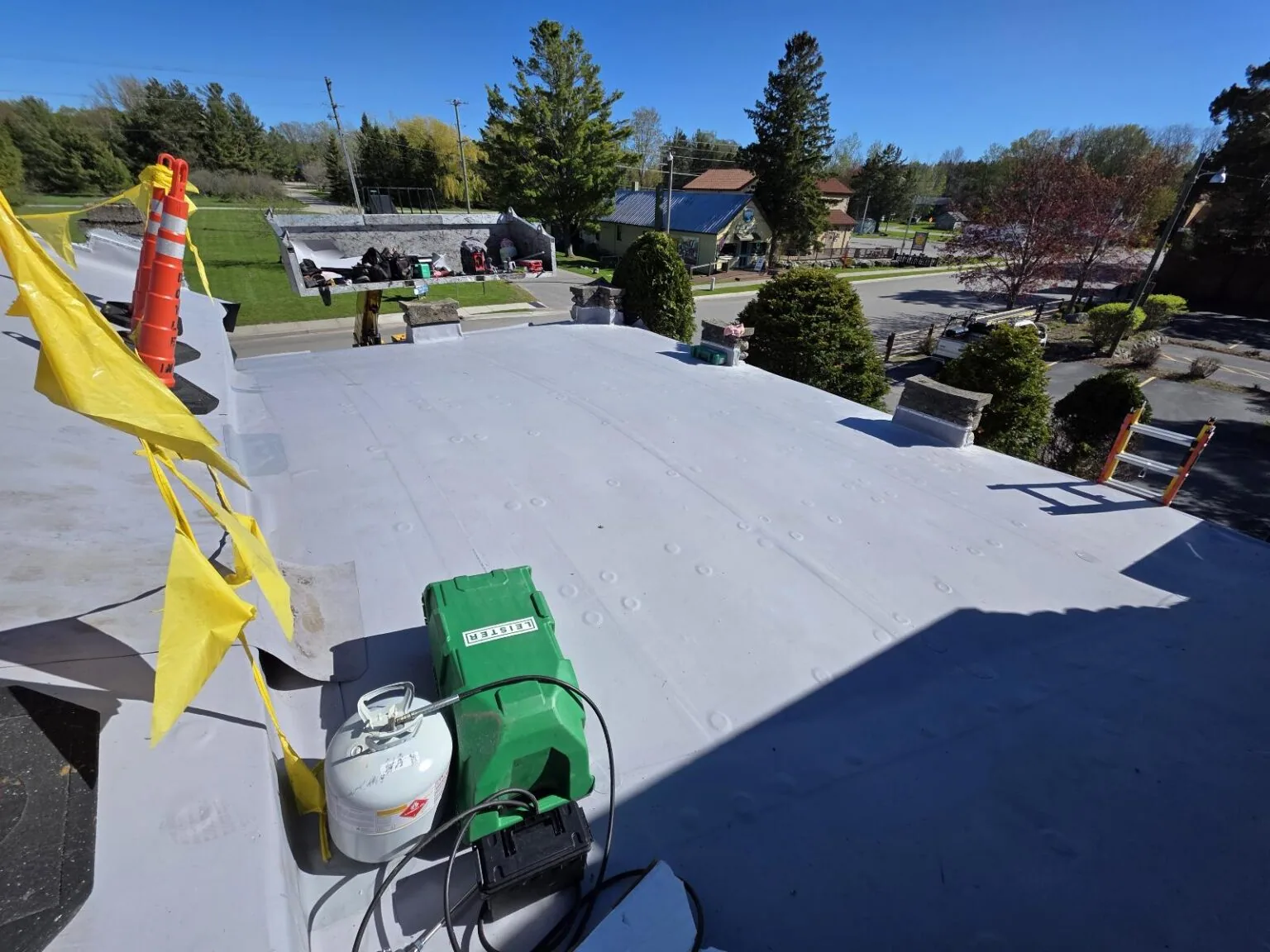
We compare the reported interior location and timing with accessible roof details that could explain the water path. The examination may include membrane seams, wall transitions, edge metal, penetrations, curbs, drains, scuppers, prior patches, and visible ponding. Water can travel beneath a roof layer before becoming visible indoors, so compare the ceiling stain with seams, drains, curbs and transitions along the likely path. We photograph both the condition and enough surrounding area to relocate it, and record any section that could not be reached.

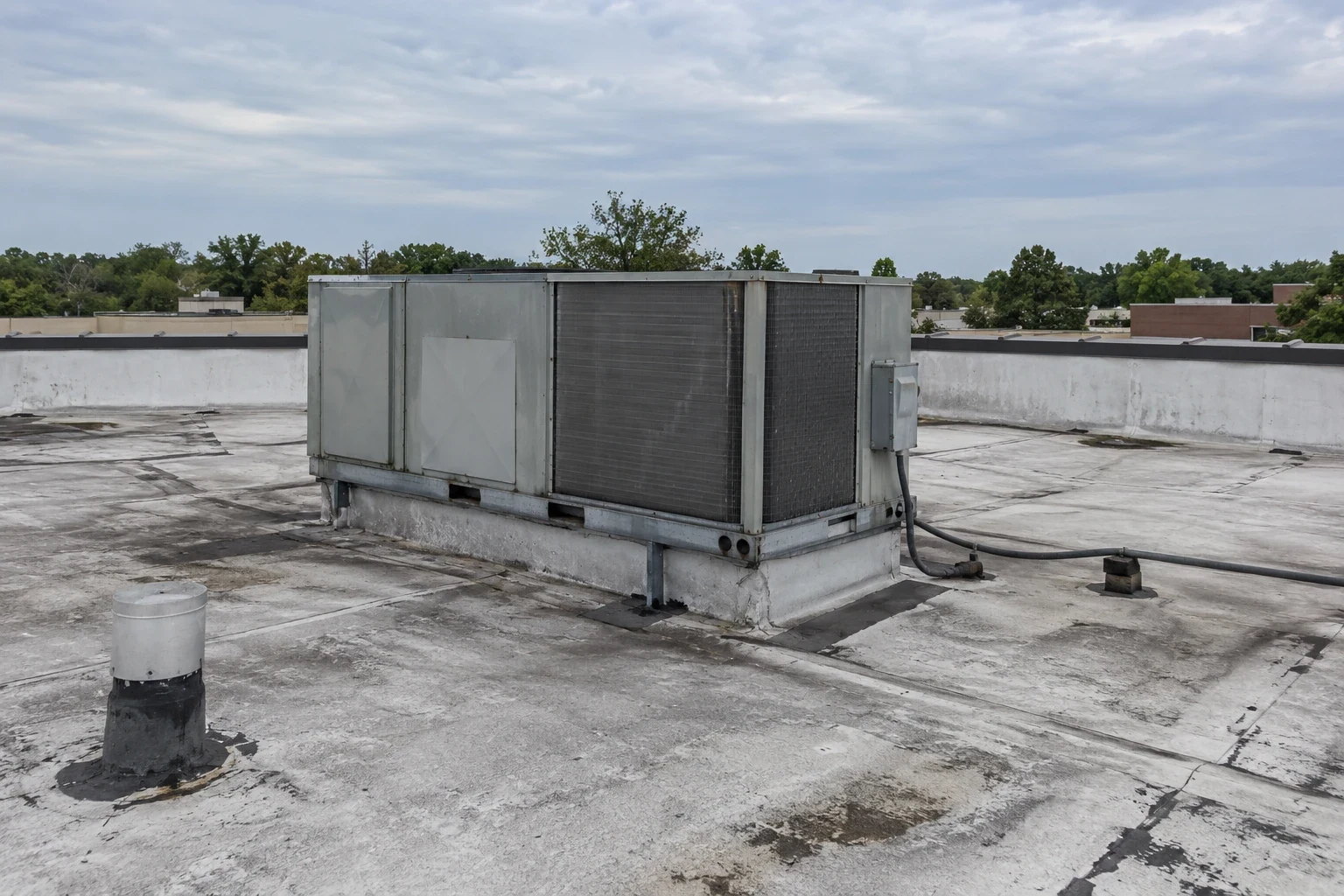
A test or controlled opening may be appropriate if concealed moisture, attachment, or deck condition could change the repair boundary. Drain and scupper inspection can help determine whether an outlet problem is separate from a membrane transition. If equipment or another trade blocks permanent closure, the report identifies the prerequisite and the responsible contact. Findings should separate observed conditions from allowances and owner decisions so the proposed work does not extend beyond what the inspection supports.

Commercial Roofing in Garland, TX

Planning around North Texas weather

Garland roofs face summer heat, shifting winter temperatures, and periods of heavier rain. After a local storm report, inspect the affected property for impact marks, opened seams, displaced edge metal, and flashing damage before defining work. When a storm is reported, we note the date and area supplied by the owner, inspect accessible surfaces, and document visible changes such as a puncture, lifted edge metal, open seam, or damaged flashing. Ordinary aging and prior repairs remain distinct findings.

A hail-damage inspection should identify impact evidence and distinguish it from weathering. If rain may interrupt an open repair, define a dry-in method, protected boundary, and person responsible for closing the area at the end of the shift. Record temporary protection separately from permanent work and set a return step if the final correction cannot be completed. Current conditions and manufacturer requirements guide application timing; a regional seasonal pattern is not a work authorization.

Comparing a repair with a larger roof project

A localized repair may fit when the defect is bounded, adjoining material is sound, and a compatible tie-in can be formed. The scope should identify preparation, material, roof area, access, protection, exclusions, and any allowance for concealed conditions. Repeated seams, wet insulation, loose attachment, or deck concerns may require testing or a broader removal boundary. A commercial roof repair should connect each quantity to a photograph or roof-plan location and explain what evidence supports the method.

When multiple areas show failure, compare repair with recover or replacement only after reviewing the installed layers, drainage, attachment, edges, penetrations, and substrate condition. Garland’s published model-code list identifies the adopted building and energy codes; the responsible design and permitting review determines which requirements apply to a particular project. We document visible construction and identify unresolved questions for that process without promising an approval result. The owner can then compare a defined repair against a larger scope while keeping allowances distinct from confirmed work.

Commercial Roofing in Garland, TX

Planning work around occupied properties

Before scheduling, confirm roof access, check-in or escort needs, lift placement, material delivery, staging, occupied areas below, and the person authorized to approve a change. These instructions vary across Garland’s office, industrial, retail, and public properties. A small flashing repair may fit one work period, while replacement can require phases, tenant communication, interior protection, and daily weather closeout. Occupied-building reroofing should identify which routes remain open, who receives updates, and how each exposed area will be closed.

At completion, document materials, repaired roof zones, photographs, temporary conditions, exclusions, and follow-up needs. A roof condition report can preserve the inspection baseline and give facilities staff a consistent record for later work. Keep each property’s file tied to its own building and roof map. That way a portfolio review does not carry one site’s condition, access agreement, or repair history onto another Garland property. Before mobilization, align the roof map with the owner’s building identifier and any tenant or facilities labels used on site. Confirm whether work affects entrances, loading areas, customer circulation, rooftop equipment, or an occupied space below. A property contact can identify restricted hours, escort requirements, noise limits, and emergency procedures; these are site instructions to verify, not assumptions based on a district or building type. For multi-building portfolios, schedule and close out each roof area separately so a completed section is not mistaken for an inspected neighboring structure. If weather or concealed conditions change the work sequence, document the decision, temporary protection, responsible contact, and next inspection point before crews leave. This keeps the scope usable for both facilities staff and the contractor who returns later. A clear closeout also helps owners compare later observations with the same roof zones, dates, and documented repair limits.

Commercial Roofing in Garland, TX

Common Questions

Which Garland properties can be included in a commercial roofing inspection?

Commercial, manufacturing, office, retail, entertainment, data-center, and public properties can be reviewed. The owner identifies the specific building, concern, and authorized access contact.

Does a Garland storm report confirm roof damage?

No. Record the event window supplied by the owner, then document observed damage separately from any suspected cause. An inspection must document a condition at the assigned property before damage or cause is attributed.

How do you decide if a leak needs testing?

We inspect accessible roof details and compare them with the reported water path. If concealed moisture or attachment could change the repair boundary, the report identifies the test or opening needed.

Can roofing work proceed while a Garland property stays open?

The site contact supplies operating, access, and protection requirements. Work can be phased where those conditions allow, with defined daily boundaries and closeout.

Commercial Roofing in Garland, TX

Request a Garland commercial roof assessment

Share the property location, roof concern, available records, and access contact. The inspection can document current conditions and identify a supported repair or planning step.

Call 555-555-5555 or request a roof assessment.

Questions About Your Roof?

ServicesRoof SystemsProperty TypesIndustriesService AreasDamage RepairCapabilitiesManufacturersAboutRequest a Roof Assessment555-555-5555
Call us today555-555-5555