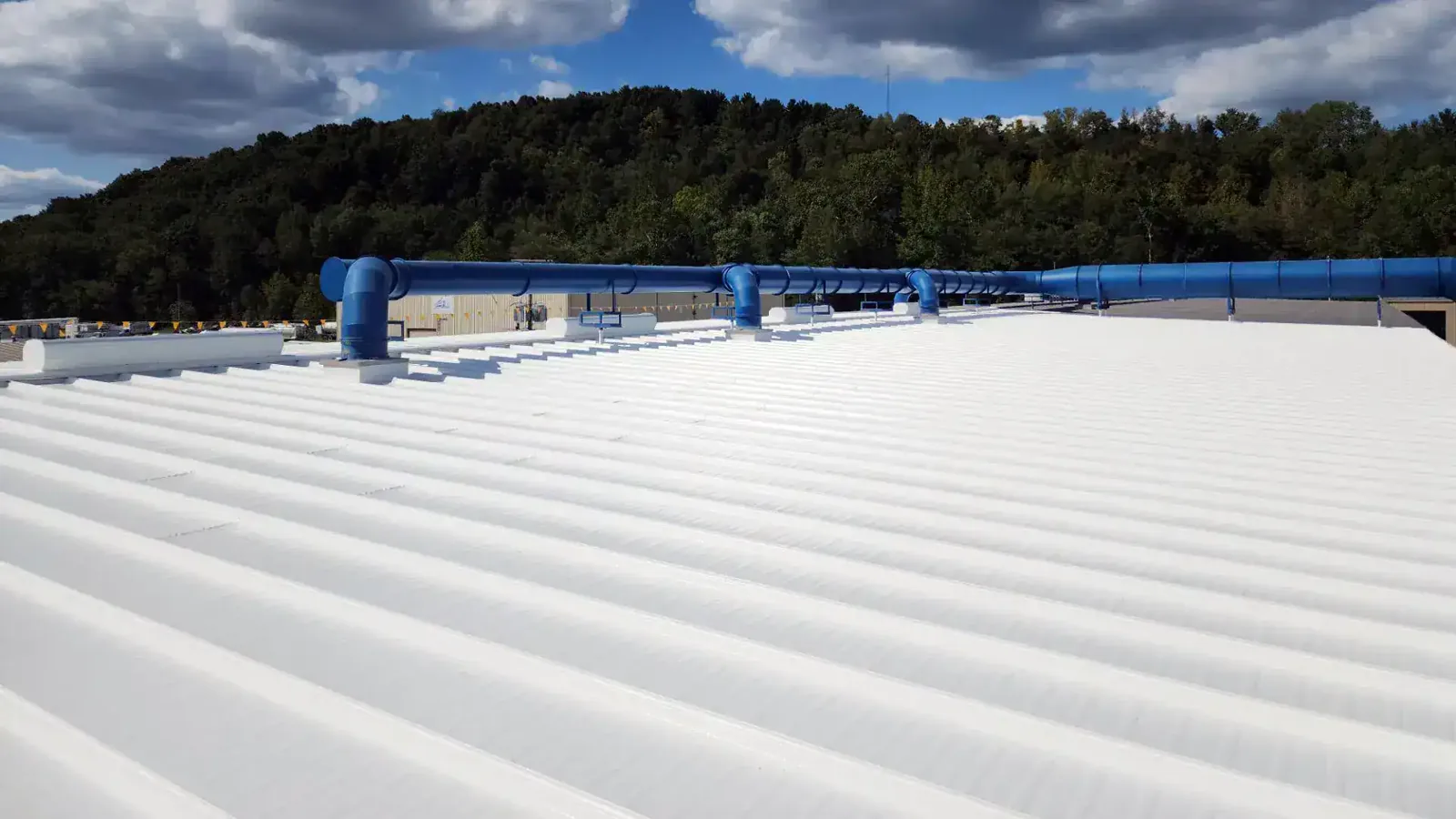
Occupied Commercial Building Reroofing in Garland, TX

Occupied Commercial Building Reroofing in Garland, TX

Occupied Commercial Building Reroofing

Commercial Roofing Services

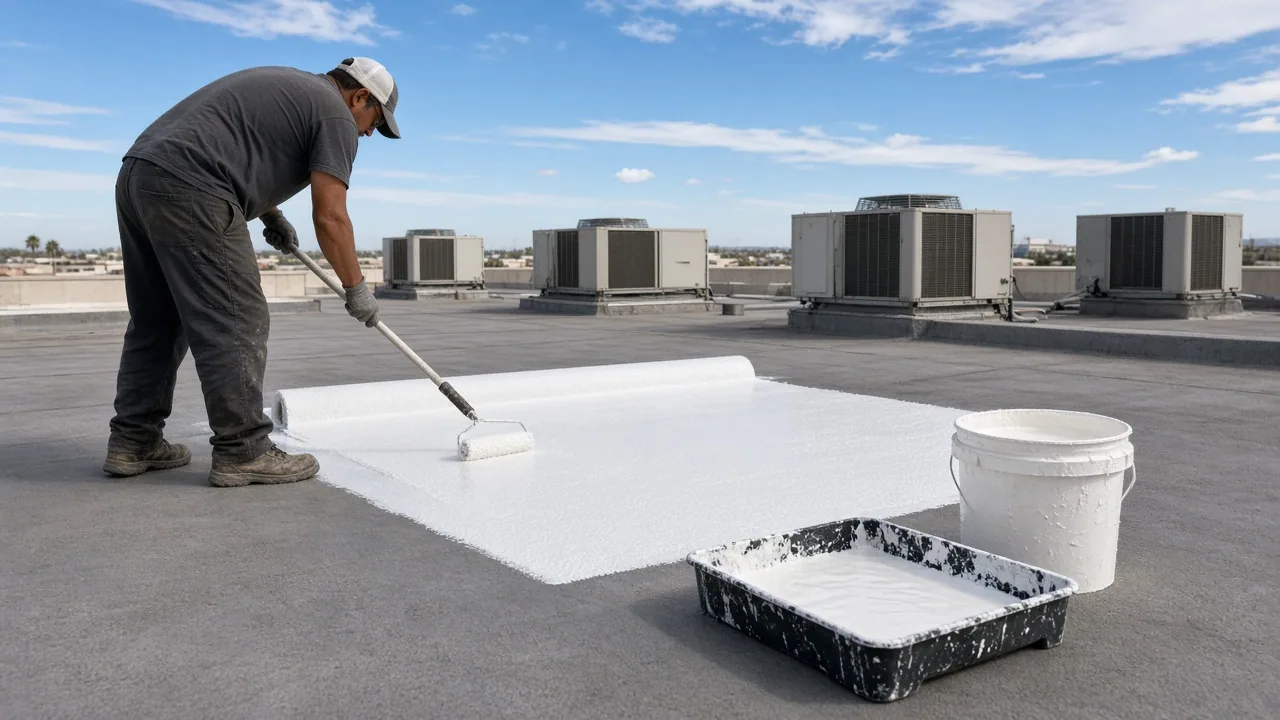
Replacing a roof over an occupied building means controlling openings, noise, falling material and access impacts while the facility continues its own work. Before proposing stages, we identify roof areas, uses below, entry points, receiving locations and closure conditions the building contact can support. Each stage needs protection, agreed routes and a boundary that can be left weather-tight.

For an owner near Downtown Garland or Harbor Point, the location only identifies a general request area. The exact property, room uses, hours and contact determine the plan.

What must the roof and building review establish?

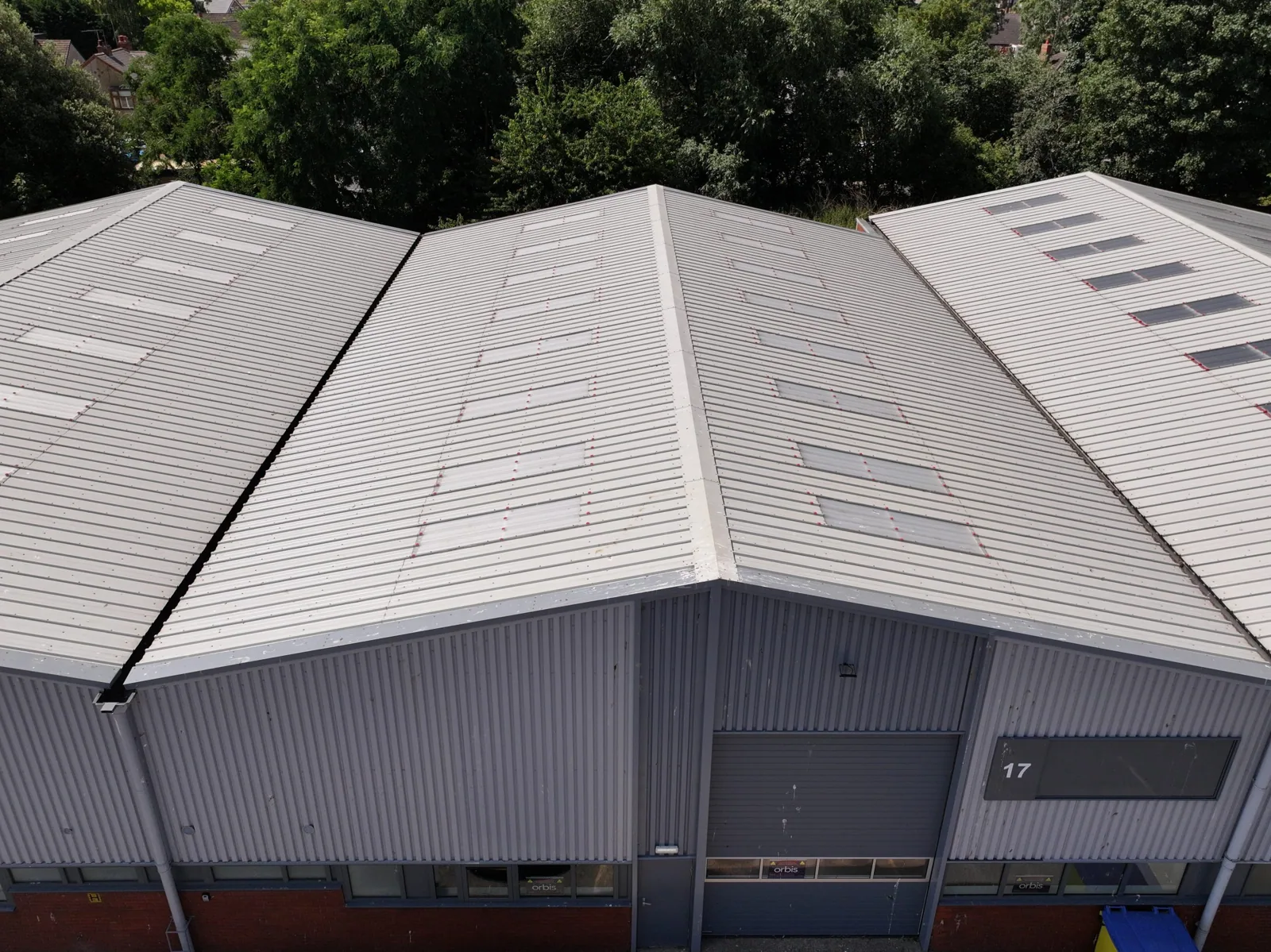
Start with a commercial roof inspection that records the assembly, roof zones, drains, curbs, penetrations, edges and reported concerns. Compare plans with observed construction. Ask the building contact which rooms must remain in use, which routes are restricted, and what notice or interruption process the facility requires. Those decisions cannot be inferred from a typical business schedule.

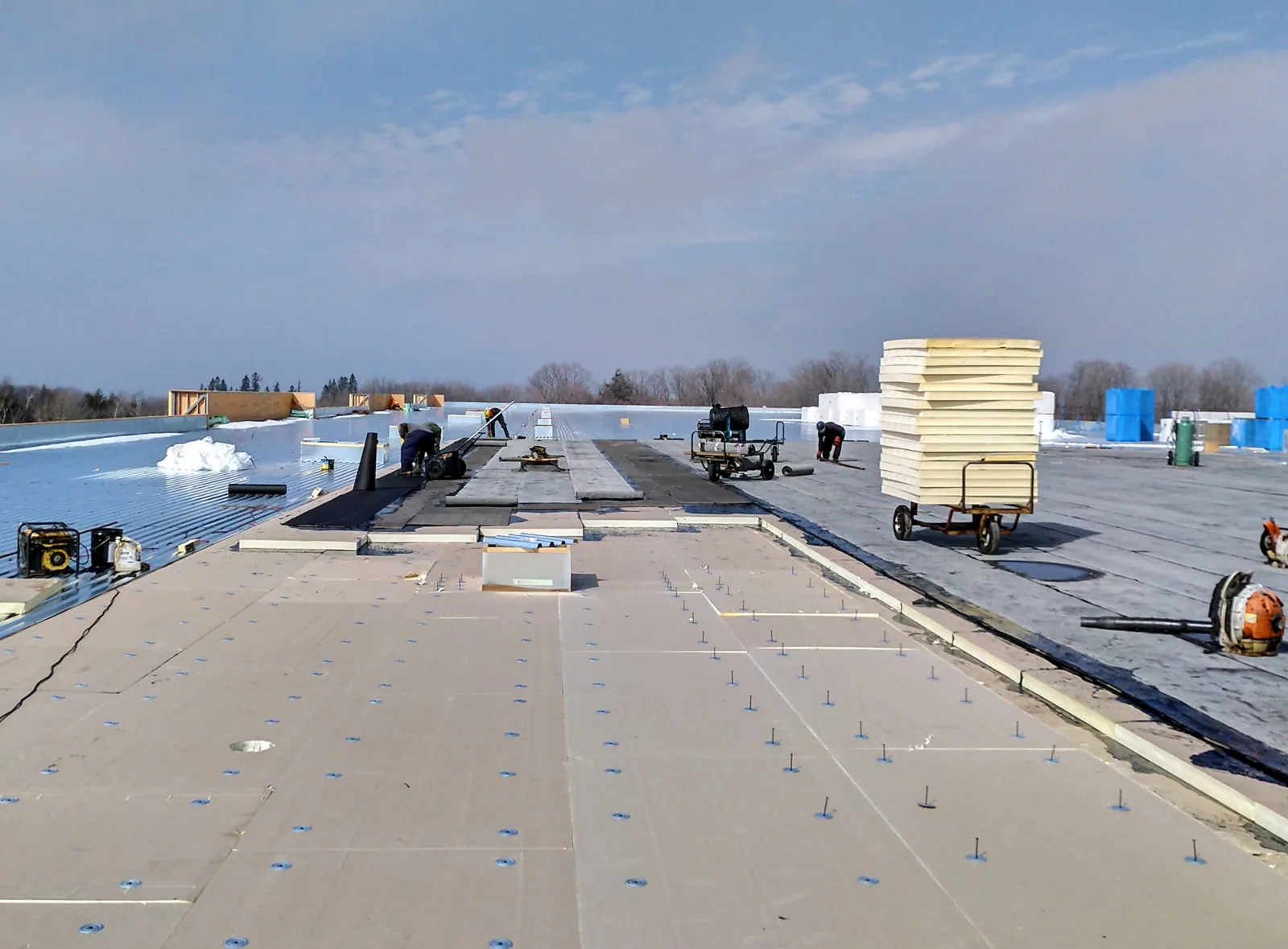
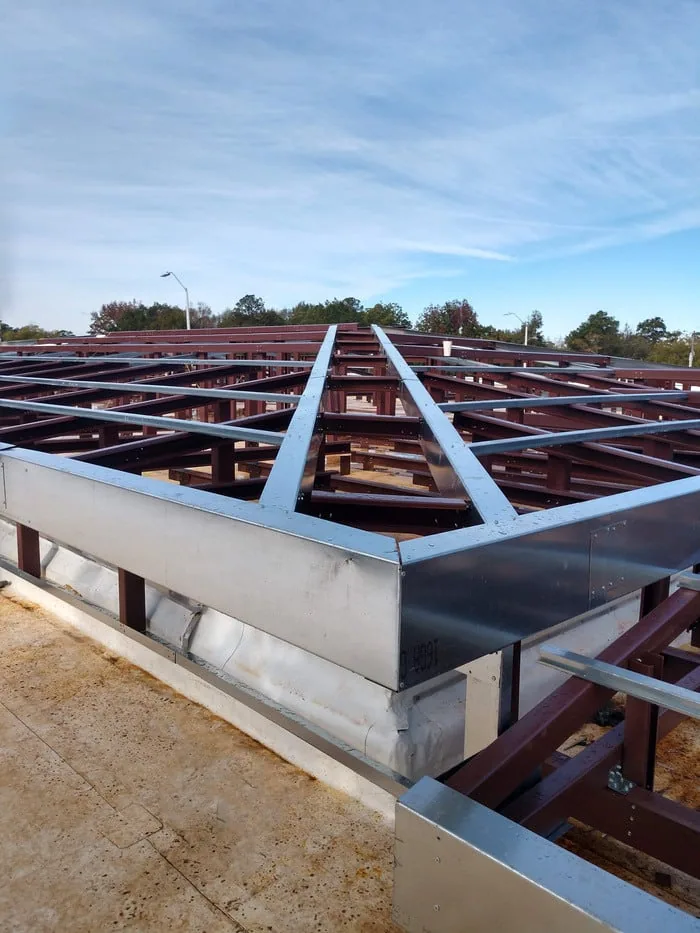
The roof condition drives the scope. Limited deterioration may support repair; a roof recover and overlay requires separate moisture, attachment and detail checks. Broad removal calls for a commercial roof replacement plan with defined phases and closure points. Mark confirmed work separately from test openings and allowances for concealed conditions.
Occupied Commercial Building Reroofing in Garland, TX

How should each roof stage be bounded?

Choose stages around roof geometry and complete tie-in points, not just square footage. Each boundary must suit the roofing system. State what can be removed in a day, what permanent assembly closes the area, and what protection is needed if weather, equipment or hidden damage interrupts work. Manufacturer instructions control the selected assembly.

If an opening reveals a different condition, stop at a protectable edge, photograph and locate the material, then request owner direction. JM’s built-up roofing guide says to remove only as much membrane as can be covered with the new system the same day in its specified procedure, and to repair or replace wet or damaged insulation or deck exposed by removal. Apply the chosen system’s instructions to the actual assembly; temporary protection does not count as permanent repair.

Show roof zones and interior areas on one plan. The owner can decide whether a sensitive room needs notice, added protection, relocation or a different work period.

Occupied Commercial Building Reroofing in Garland, TX

Which access and ground areas need protection?

Deliveries, hoisting, dumpsters, lifts and debris movement can affect entrances, loading areas, parking and pedestrian routes. Confirm where trucks may wait, how materials reach the roof, and who can authorize a change if the planned route is blocked. Keep contractor work and drop zones separate from facility paths that must remain usable.

OSHA’s construction material-handling rule requires aisles and passageways to remain clear for safe movement of equipment or employees and calls for housekeeping in storage areas. The building contact identifies routes that must stay clear; the roofing scope states the staging and disposal plan. If both cannot fit at once, revise the phase before work begins.

Also identify roof entry, authorized access, equipment shutdown responsibilities and how other parties’ roof access will be controlled. Staff should know when access is restricted and whom to contact about an unexpected leak or service issue.

How do occupants and roof details affect the work?

Interior use may change the practical sequence. A clinic room may not pause during a visit, a warehouse may depend on receiving doors, and an office may need notice before fastening or equipment moves. These examples are planning variables, not claims about a Garland customer. Ask which spaces and hours are actually sensitive. Do not promise the building can remain fully open until the owner and project team accept the arrangement.

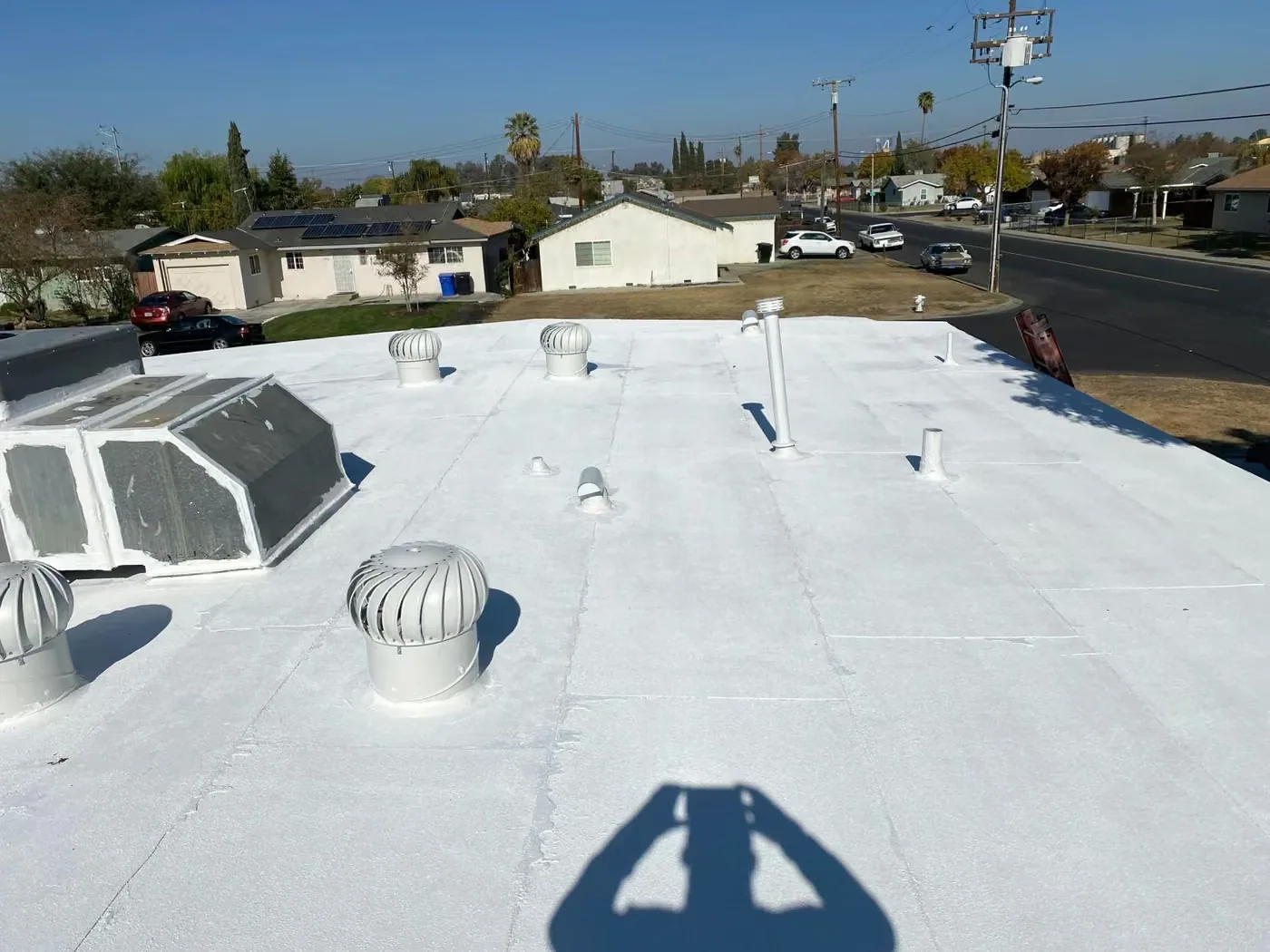
Curbs, rooftop equipment curb and support work, skylights, roof drains and scuppers, and wall transitions need prepared surfaces before the new membrane closes around them. If a mechanical contractor must lift or disconnect a unit, state the required condition and sequence. At penetrations, record temporary protection and which contractor owns permanent flashing.

Before each stage, confirm the area, notices, room protection and access changes. Check the roof closure and interior area with the building contact when agreed.

Inside the building, confirm which rooms sit below the section scheduled for removal and whether ceiling access or sensitive equipment changes the protection plan. The contact should know the planned start, noisy tasks, expected movement of materials, and the time the area will be handed back. On the roof, keep the daily opening small enough to dry in before the shift ends. If a concealed layer changes the quantity, pause at the agreed boundary and show the owner the condition before extending removal. Each completed zone should be checked for loose debris, secure temporary edges, and a clear path for the next stage.

Occupied Commercial Building Reroofing in Garland, TX

What if the plan changes during a stage?

Weather, wet insulation, damaged deck, uncertain fastening or a delayed trade can change the boundary. State who can stop work, who can approve additional removal and how temporary protection will be checked. If an opening cannot receive its permanent assembly that day, record its location, protection and return condition. Do not expand work over another occupied area without confirming access.

Garland’s Building Inspection page says many commercial construction or renovation projects may require permits and advises asking when applicability is unclear. Its 2015 code list is not a current project determination. Confirm permit, inspection and design requirements for the actual work. Downtown Garland or Harbor Point geography does not change that review.

If a condition changes, revise the roof boundary and building notice together so the contact understands any new noise period, material route or room below the work.

Occupied Commercial Building Reroofing in Garland, TX

What should an occupied reroof hand back?

Closeout should identify roof zones completed, installed materials, finished details, photographs, inspection results and approved changes. Record retained areas, temporary tie-ins, exclusions and work assigned to another trade. Confirm drains are open, debris is cleared from agreed areas and access controls are adjusted safely.

Before starting, give the owner a phase map, contact list, material and debris routes, notices, expected closures and protection limits. A Garland project near South Garland Library or elsewhere depends on confirmation from that property’s representative, not assumptions about a landmark’s operations.

Provide the address, roof records, reported condition, operating constraints and building contact. We can review stage boundaries and decisions needed before opening the first roof section.

Occupied Commercial Building Reroofing in Garland, TX

Common Questions

Can reroofing happen while occupants remain in the building?

It may be possible, but the roof stages, interior uses, access routes and protection needs must be reviewed with the building contact. No open-building arrangement should be promised until the specific plan is accepted.

How do you keep rain out if a stage is interrupted?

Define a weather-tight stopping boundary and system-appropriate temporary protection before opening the roof. Record its limits and the condition required for permanent closure on the return visit.

Who chooses which rooms or entrances can be affected?

The property representative identifies operational restrictions and notice requirements. The roofing contractor explains the expected work area, timing, noise, access and any temporary closure so the owner can approve a workable phase.

What if the crew finds wet insulation or damaged deck?

Pause at a protectable edge, document the material and location, and submit the added removal or repair for direction. Keep the affected roof area protected until the approved permanent assembly is ready.

Can the work schedule be changed after reroofing starts?

Yes, if weather, concealed conditions, access or another trade changes the sequence. Update the roof boundary and building notice together, then confirm who can authorize the revised work window.

Occupied Commercial Building Reroofing in Garland, TX

Plan the roof stages with the building contact

Provide the Garland address, roof records, affected operations and building contact. We can review the assembly, define practical work boundaries and identify access, notice and protection decisions before removal starts.

Call 555-555-5555 or request a roof assessment.

Questions About Your Roof?

ServicesRoof SystemsProperty TypesIndustriesService AreasDamage RepairCapabilitiesManufacturersAboutRequest a Roof Assessment555-555-5555
Call us today555-555-5555