Built-Up Commercial Roofing in Garland, TX

Built-Up Commercial Roofing in Garland, TX

Built-Up Commercial Roofing

Roof Systems

A built-up roof is constructed in place from alternating layers of bitumen and reinforcing felts. The layers only work as intended when the substrate, ply sequence, bitumen application, surfacing and flashing details match a designed system. We inspect the roof’s existing build-up and drainage, then explain what should be retained, repaired or removed before a new BUR scope is priced.

For a property near Central Library or Downtown Garland, include its address and available roof plans with the inspection request so additions and prior repairs can be distinguished.

Shiloh/Walnut is identified for commercial and employment-oriented development. For a built-up roof in that corridor, establish the actual ply count and surfacing through records and field inspection before proposing a repair layer.

How is BUR assembled?

In a typical built-up assembly, a base sheet and reinforcing felts are set in bitumen in a specified sequence; a cap sheet or surfacing may protect the finished roof. The exact layers and materials vary by manufacturer and project design. Reinforcing felts can serve different purposes, such as a base ply or an interply, so a generic material substitution may alter the specified assembly.

BUR should not be conflated with modified bitumen. Modified-bitumen products arrive as polymer-modified sheets with their own application methods; BUR’s field construction alternates bitumen and reinforcing plies. A project may use compatible hybrid layers only where its specification allows. The proposal should name each layer, bitumen grade, attachment and surfacing rather than saying only “multi-ply.”
Built-Up Commercial Roofing in Garland, TX

What must be checked before the plies go down?

Confirm the deck type and condition, existing roof layers, insulation, cover board, vapor control, fastening and any moisture evidence. A soft or damaged substrate needs correction before it receives the new system. If the roof has several additions or patches, map those areas separately; one surface may contain different assemblies that need different removal or preparation. Also check that existing nailers, perimeter blocking and drain sumps can receive the new thickness without burying wall flashings or changing outlet height. Confirm these transitions before ordering felts, since raised equipment curbs or rebuilt drain sumps may require other trades and a different work boundary.

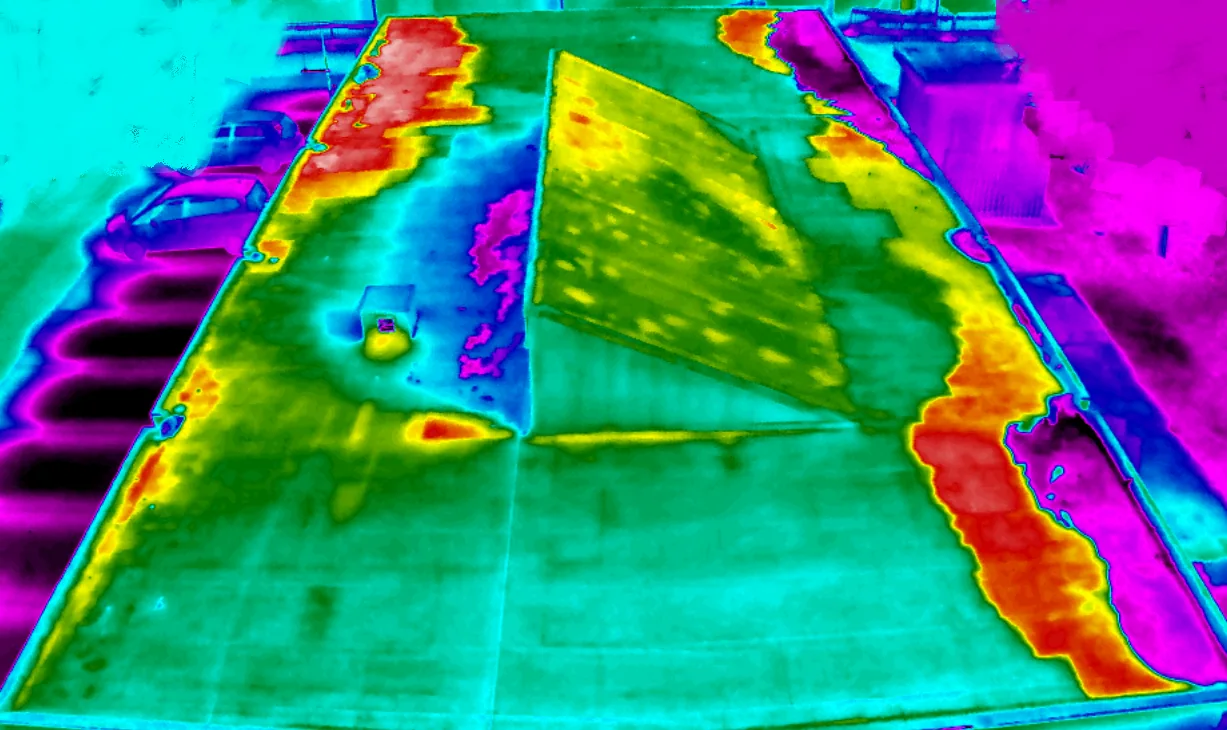
Moisture control is central because a multi-ply roof can conceal a condition rather than cure it. If a scan or test cut indicates wet insulation, identify the area and decide whether removal and replacement are required. Close test openings properly. Review the board surface for gaps, debris and height changes that can interfere with ply placement or later flashing. The roof insulation and cover-board scope should describe how those components attach to the deck and receive the bituminous system.

Built-Up Commercial Roofing in Garland, TX

How does bitumen application affect the finished roof?

Hot-applied bitumen, cold-applied products and other methods have distinct temperature, coverage, surface and safety requirements. The selected felts and specification control which method is acceptable. When hot asphalt is used, temperature at application and ply contact matter; over- or under-application can change bond and surface conditions. Follow the system guide for the right bitumen grade and installation sequence rather than borrowing a detail from an SBS or APP sheet.

Keep the work boundary small enough that the assembly can be protected and completed as intended for the day’s conditions. A clean, dry receiving surface and properly embedded plies reduce the risk of voids and trapped moisture. Where operations are affected by heat, odor or material staging, confirm the owner’s constraints before specifying a construction method. The method should be written into the scope so the building contact understands its practical requirements.

Coordination is especially important when the project must proceed in stages. Divide the roof into work areas that can be protected at the end of a shift, and identify what temporary tie-in remains until the next area is ready. Record the tie-in location and the method for reopening it so the next layer bonds to a prepared surface rather than loose temporary material. The building contact should know which areas remain under temporary protection, who controls access and what condition must be met before work resumes. Keep that sequence consistent with the selected product instructions.

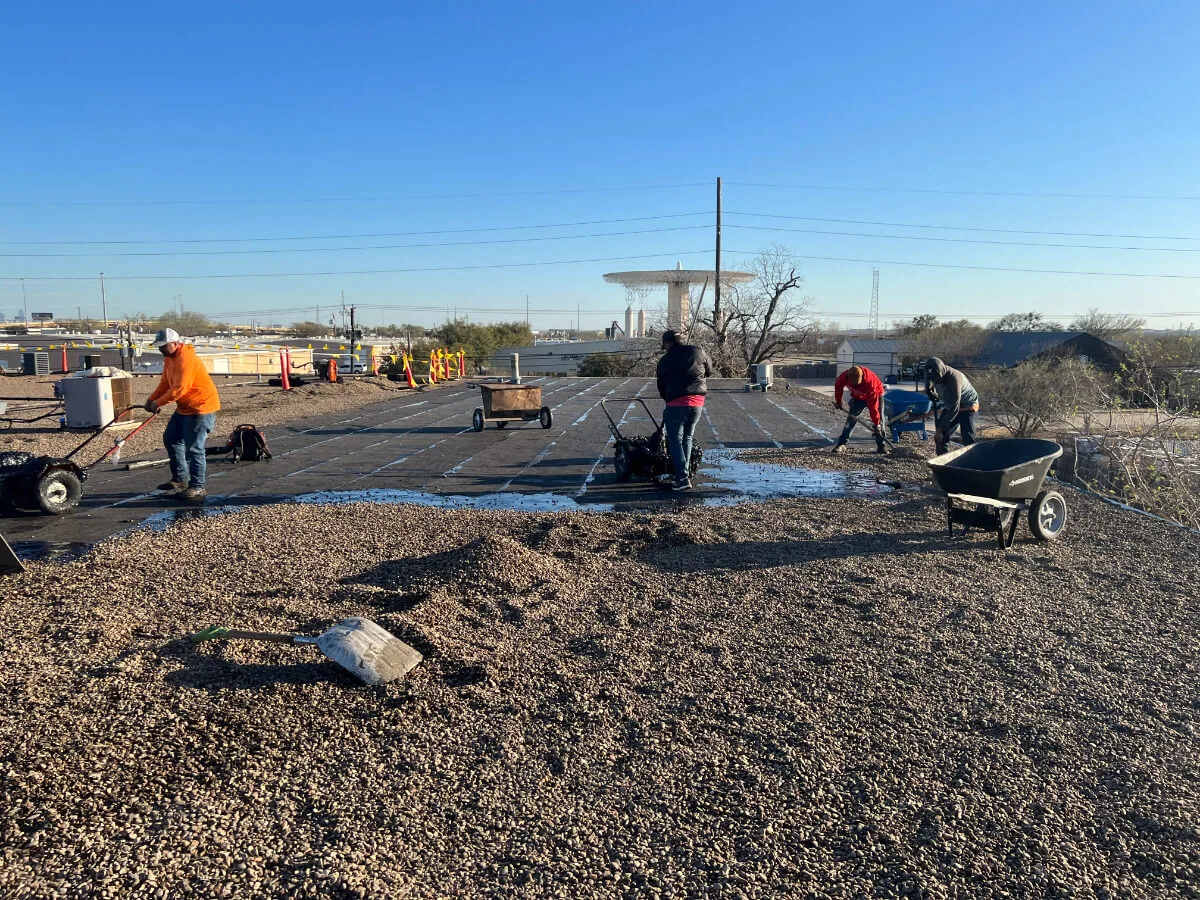
Bitumen temperature, application rate, and the pace of each ply affect how well the layers bond. The crew checks the material and substrate conditions during installation rather than relying on the appearance of the finished surface alone. At walls, curbs, and drains, extend and secure the plies to the specified height and termination. Where aggregate or a cap sheet is used, confirm that the chosen surfacing fits the assembly and drainage design. Protect adjacent equipment and occupied spaces from odor, heat, and debris, then photograph transitions before they are concealed.

What do cap sheets and surfacing accomplish?

Surfacing protects the bituminous field and gives the assembly its intended finish. Depending on the designed system, that may be an exposed cap sheet, granules, aggregate or another specified protection. The selected material must be compatible with the bitumen and application method. A reflective surfacing can affect solar characteristics where its product data supports that use, but no energy result follows simply from a light color.

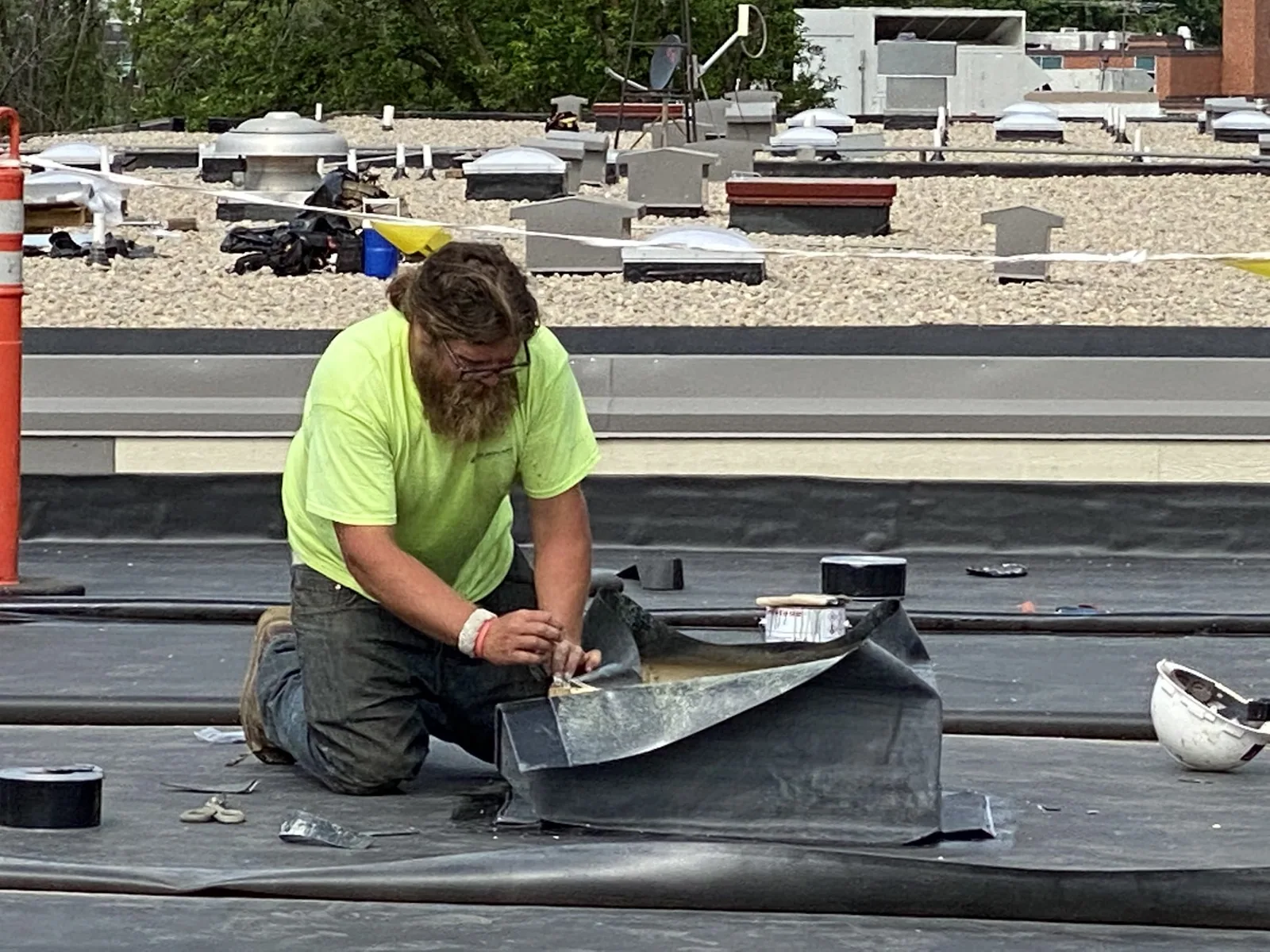
Surfacing does not repair open plies, weak flashing or poor drainage. Inspect edges, parapets, drains, scuppers, expansion joints and rooftop penetrations before the final layer hides the intermediate work. Tie metal counterflashing and drain bowls into the specified assembly. If drains or edge transitions need rebuilding, include drain and scupper work or coping and edge metal in the same coordinated scope.

Built-Up Commercial Roofing in Garland, TX

When is a built-up system worth comparing?

BUR can be considered when the deck, structure, design and owner’s preferences support a field-built multi-ply assembly. Compare it with modified bitumen, where factory-made modified sheets change layer and application options, and with EPDM, TPO or PVC single-ply systems. None should be selected from a general lifespan claim. Look at loading, access, rooftop service, weather exposure, repairs, drainage and the details that can actually be maintained.

Garland’s listed 2015 model-code editions took effect September 19, 2016. Confirm applicability with Building Inspection for the project address and scope. A commercial roof inspection can document accessible construction and identify questions, while design and permit requirements must be confirmed for the address.

Built-Up Commercial Roofing in Garland, TX

What should a BUR scope record?

List deck preparation, insulation and cover board, base and interply materials, number and placement of plies, bitumen type and application method, surfacing, flashing details and work boundaries. Identify test openings, repairs, transitions and any area not included. Attach the actual manufacturer instructions and approved drawings so field changes do not leave the intended assembly uncertain.

At closeout, photograph completed field, drains, curbs, parapets and tie-ins. Note materials, repair locations, unresolved items and inspection observations. Keep warranty statements limited to issued project terms. Provide the Garland address, roof history and concern so we can determine whether a built-up assembly is a practical candidate for the building.

Built-Up Commercial Roofing in Garland, TX

Common Questions

How many plies does a BUR roof need?

The system specification determines the materials and ply count for the deck and project requirements. The BUR label alone does not determine a standard count.

Is BUR the same as modified bitumen?

No. BUR is assembled with layers of bitumen and reinforcing felts. Modified bitumen uses factory-made polymer-modified sheets, with its own configurations and application methods.

Does a BUR surface layer fix ponding water?

No. Surfacing protects the designed assembly; drainage needs separate review of slope, outlets and low areas.

Can BUR be installed over wet insulation?

Wet or damaged materials should be located and addressed according to the approved assembly before they are covered.

Built-Up Commercial Roofing in Garland, TX

Review the existing build-up before specifying BUR

Send the property address and any prior core or layer records; our review can identify what remains unknown about the deck, drainage and existing plies before a built-up roofing scope is outlined.

Call 555-555-5555 or request a roof assessment.

Questions About Your Roof?

ServicesRoof SystemsProperty TypesIndustriesService AreasDamage RepairCapabilitiesManufacturersAboutRequest a Roof Assessment555-555-5555
Call us today555-555-5555