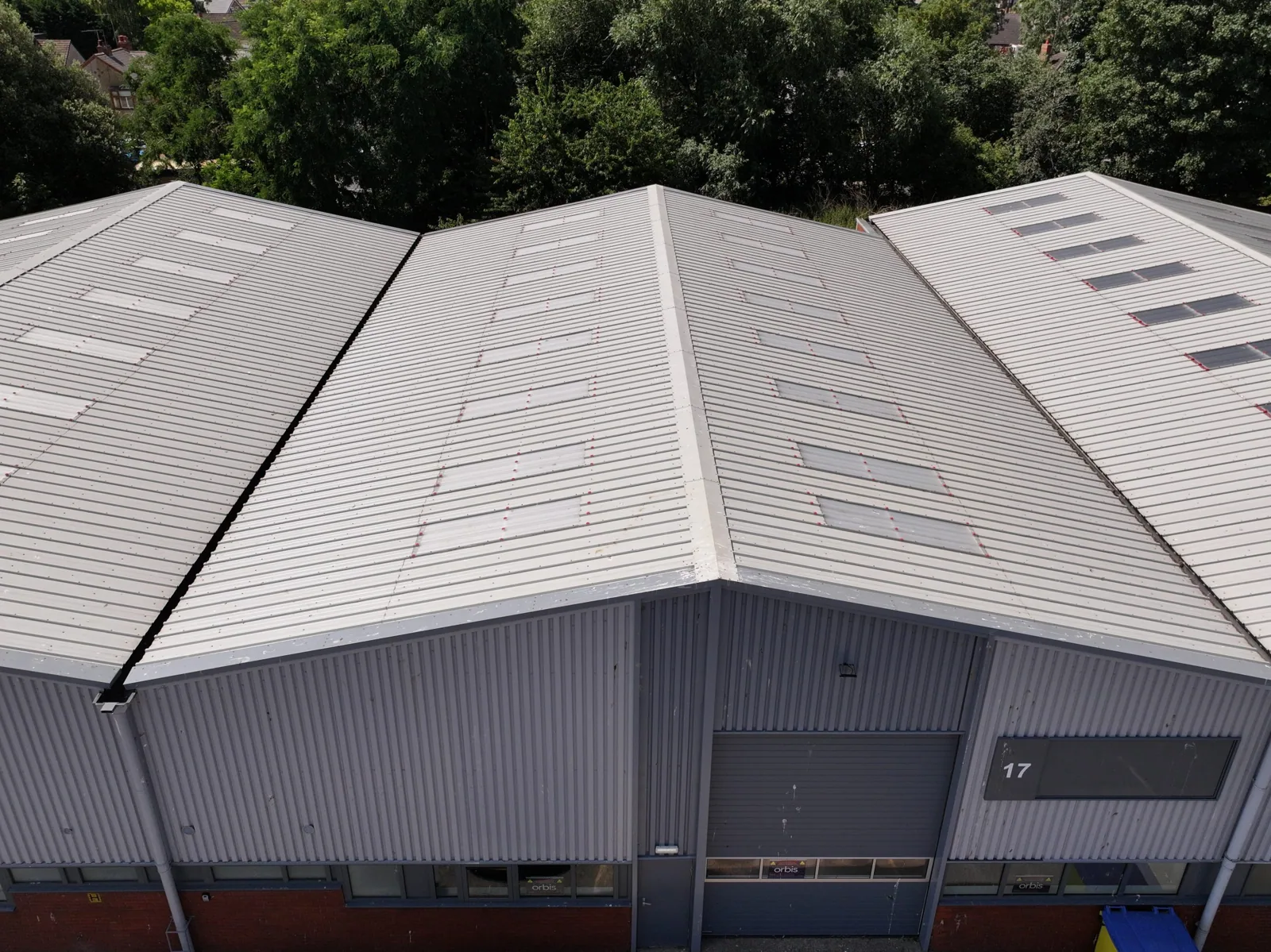
What does the first roof examination need to establish?
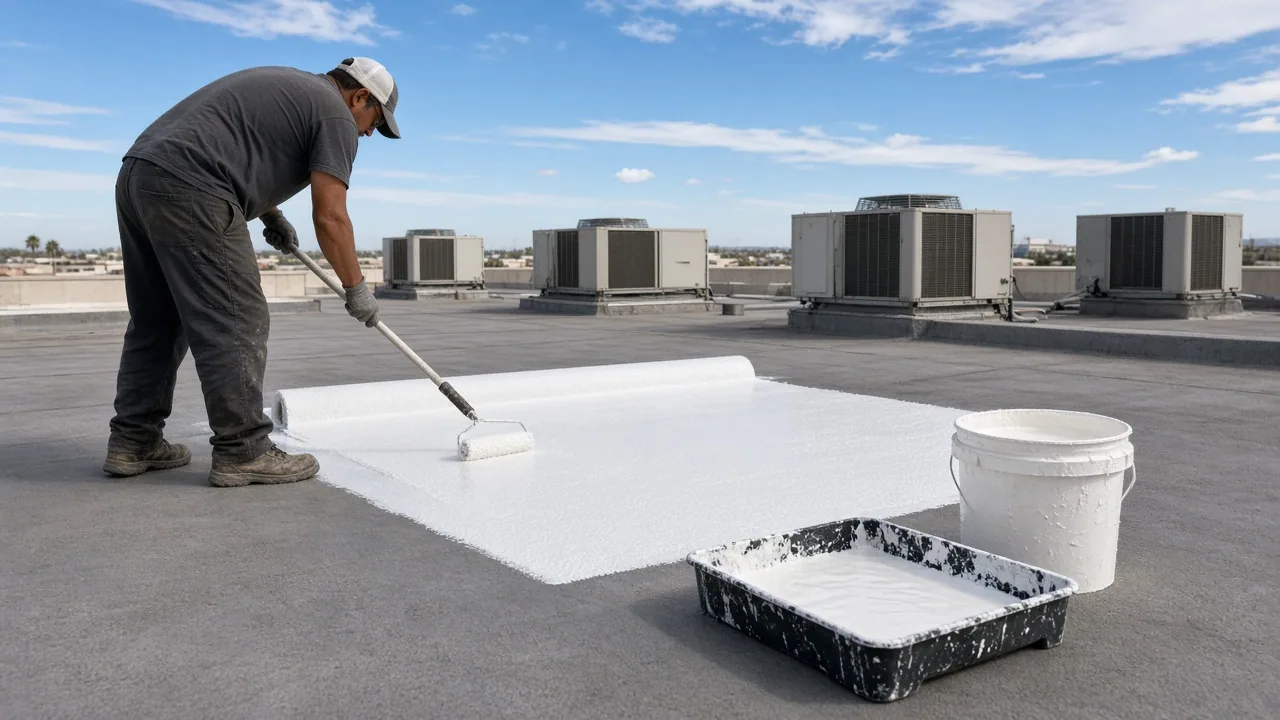
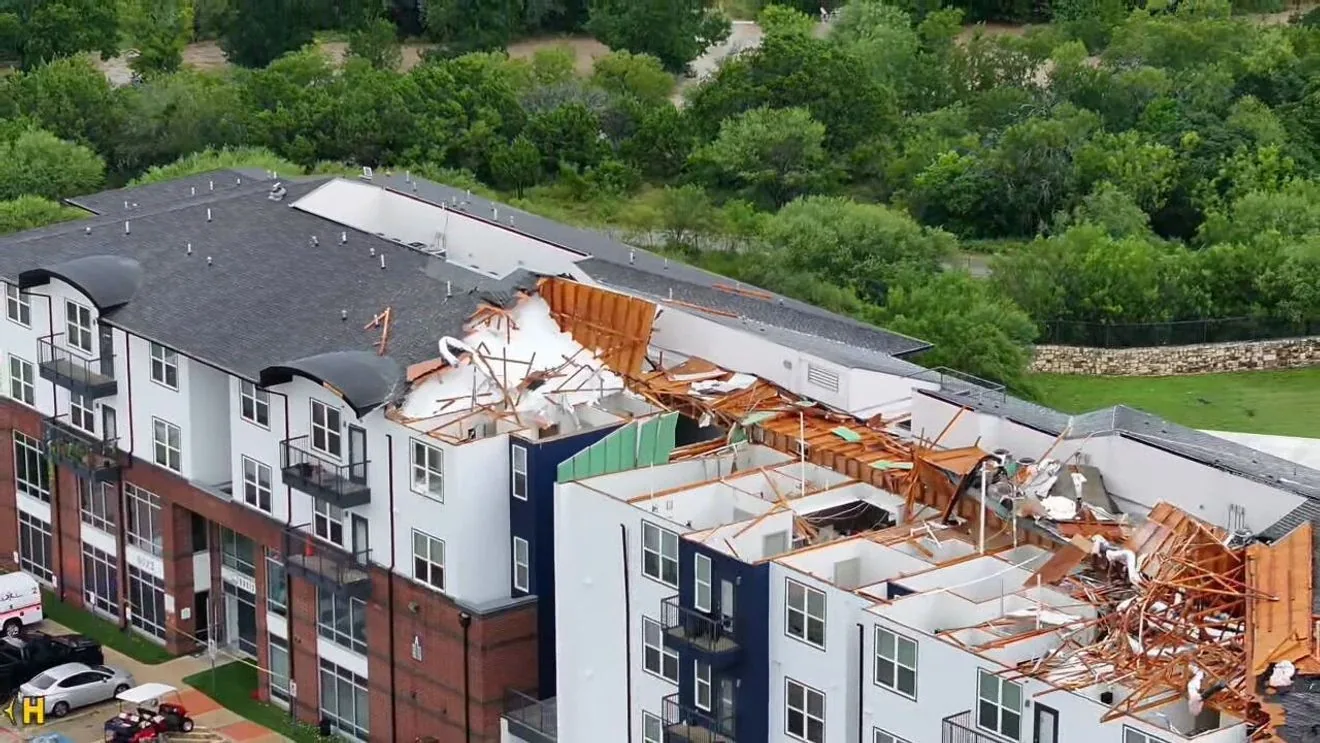
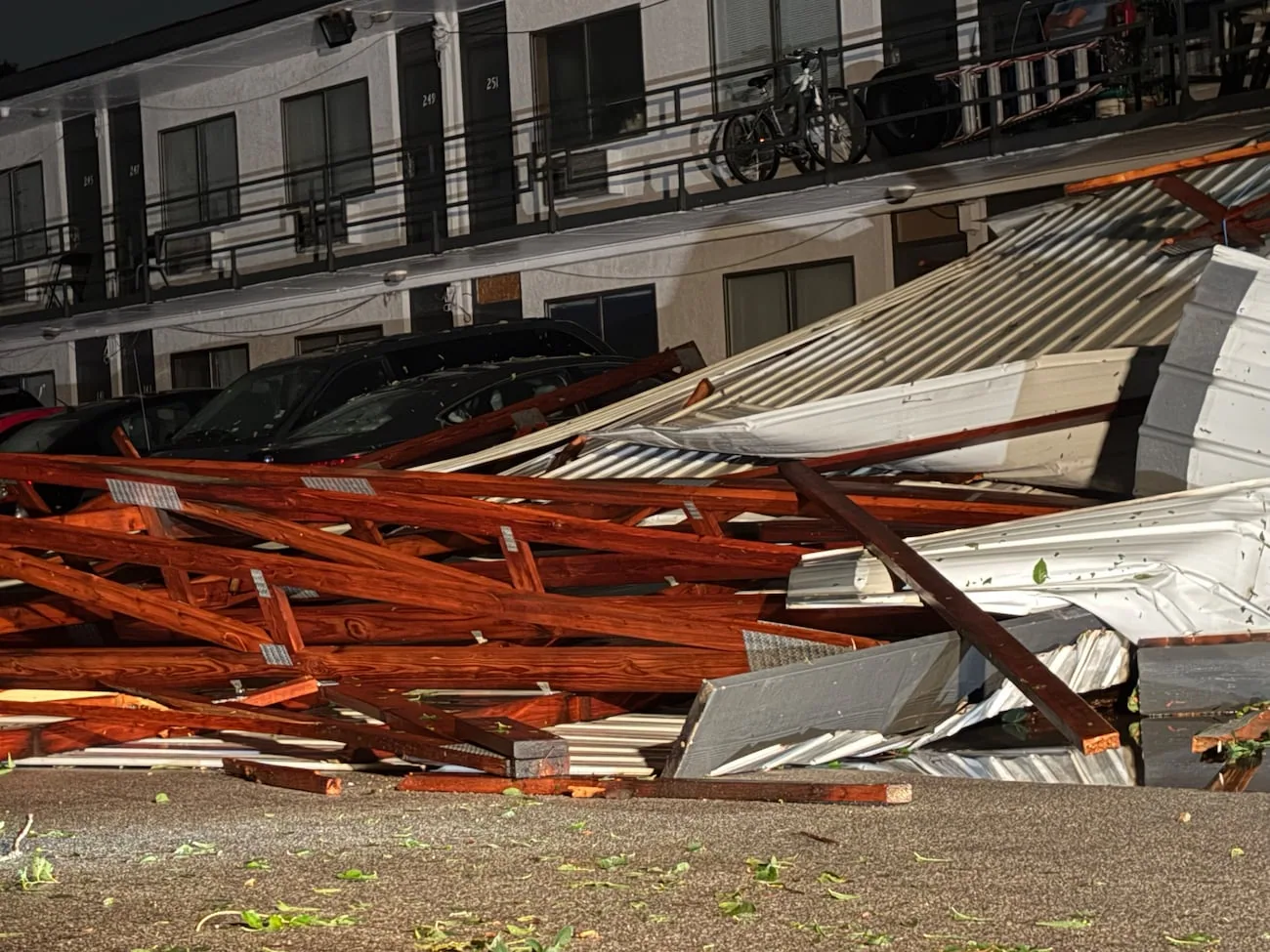
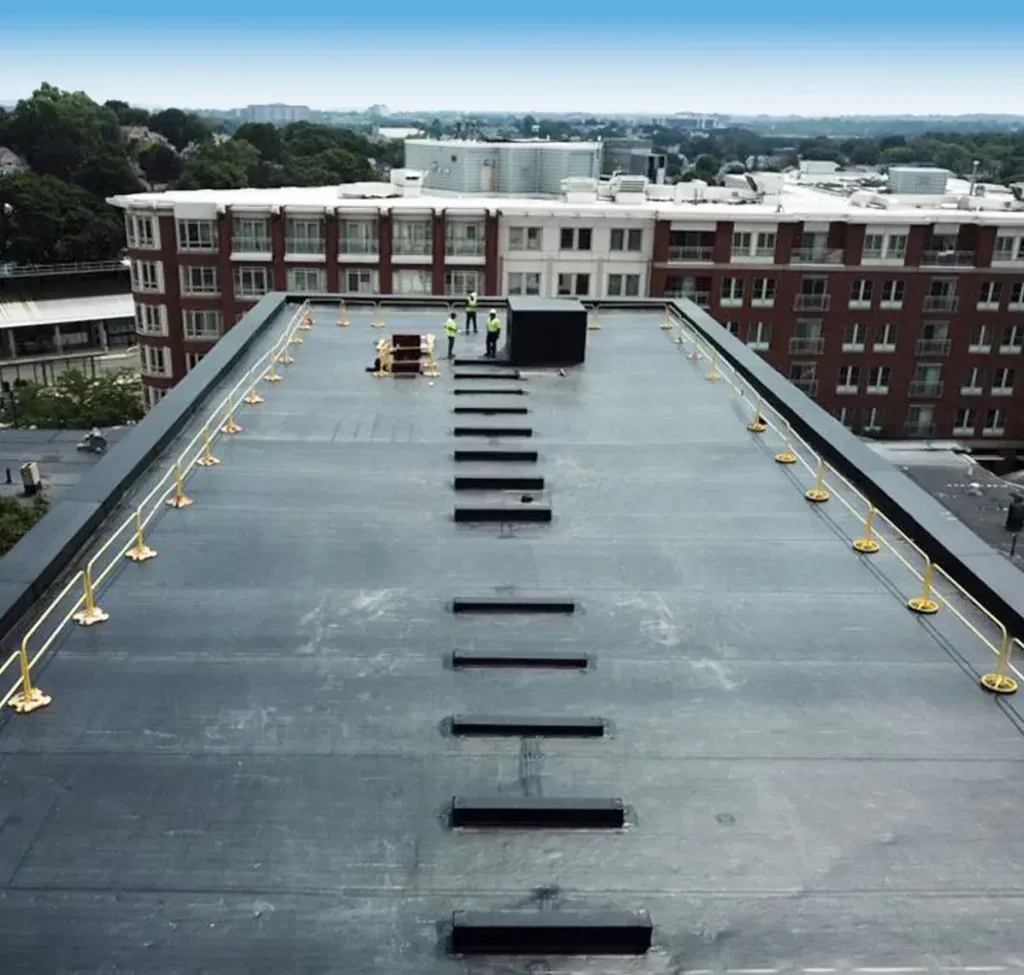
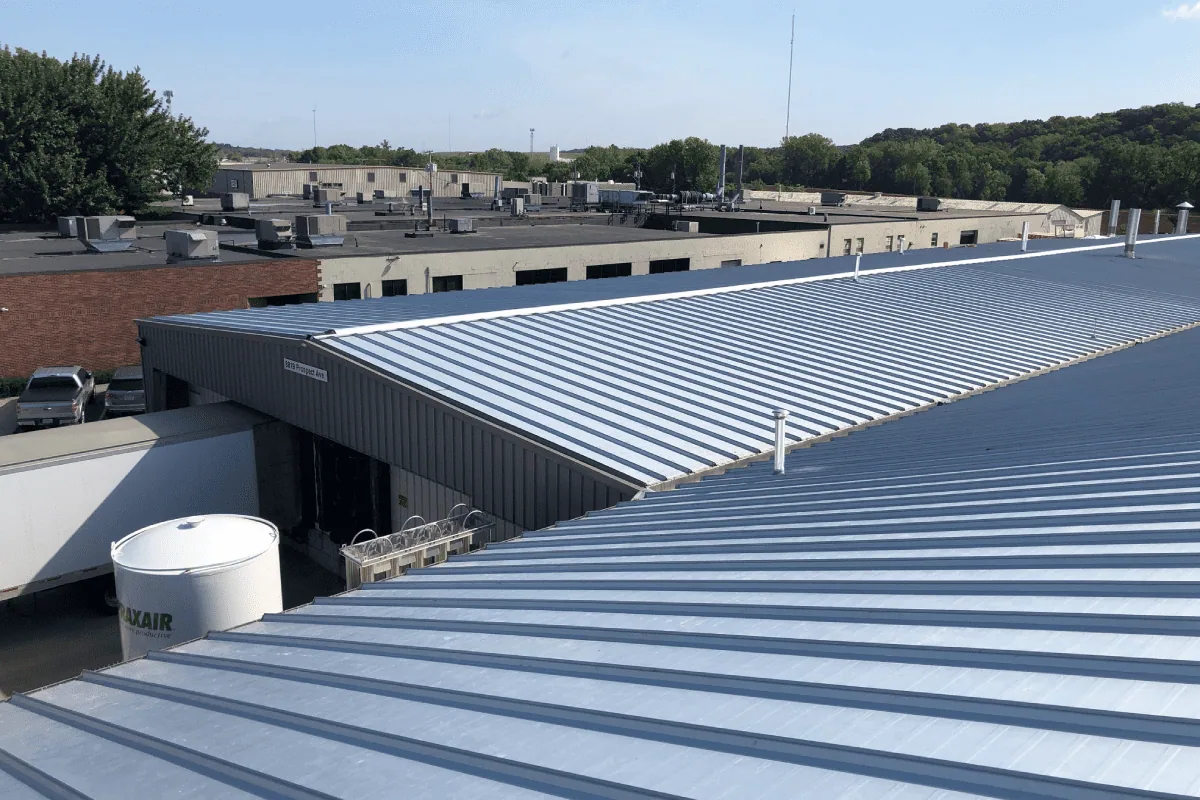
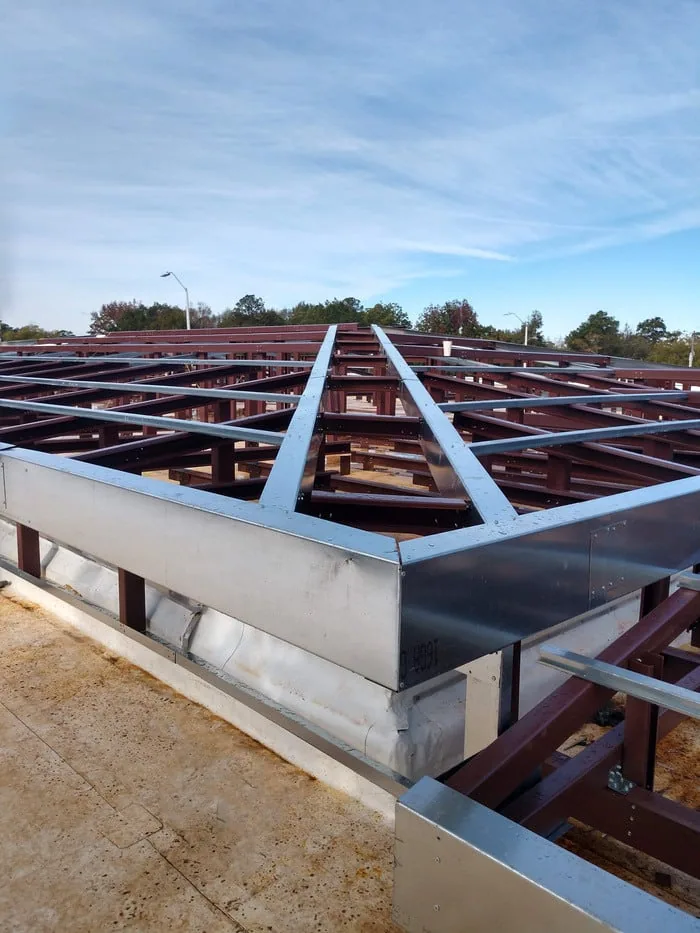
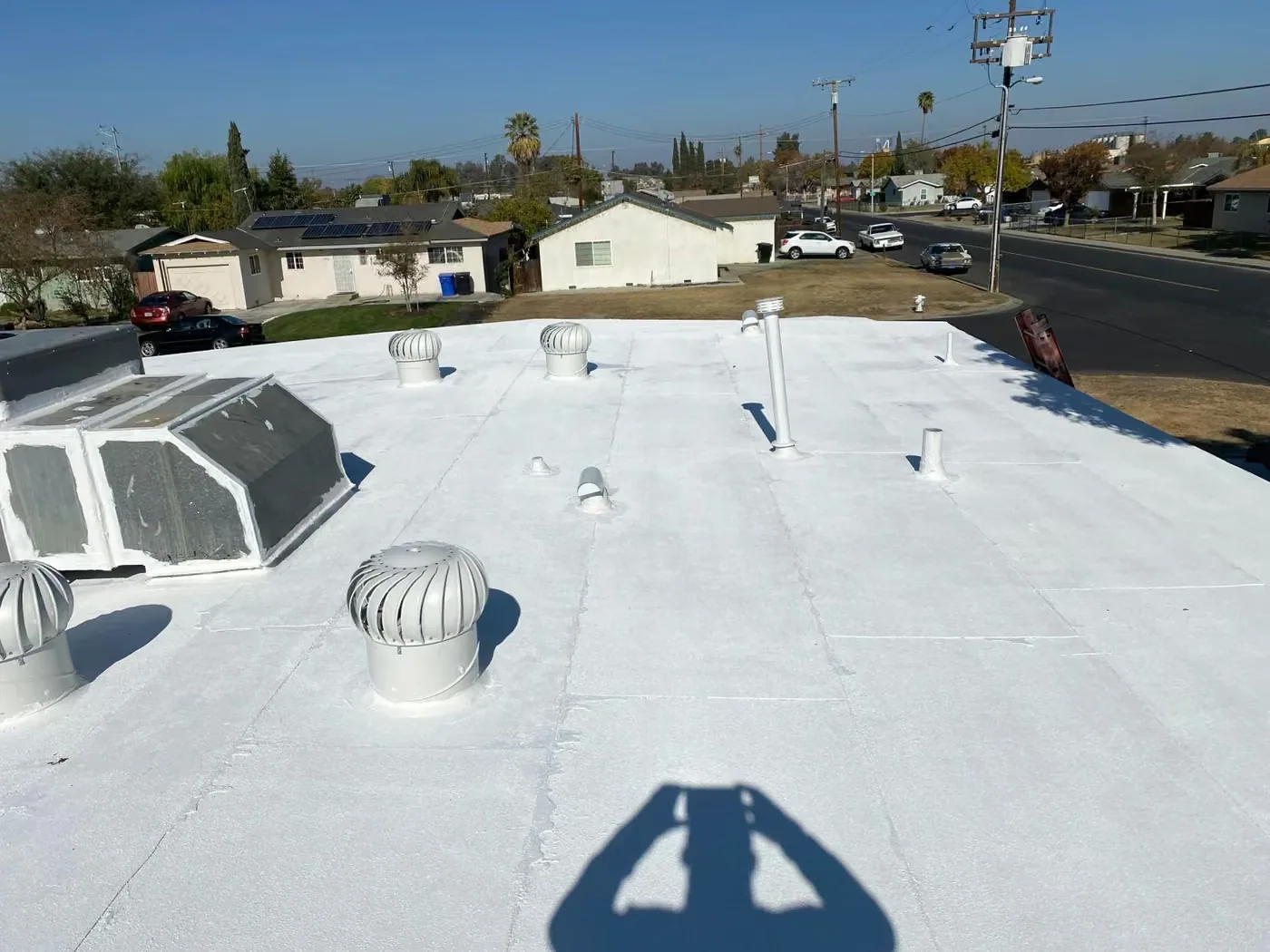
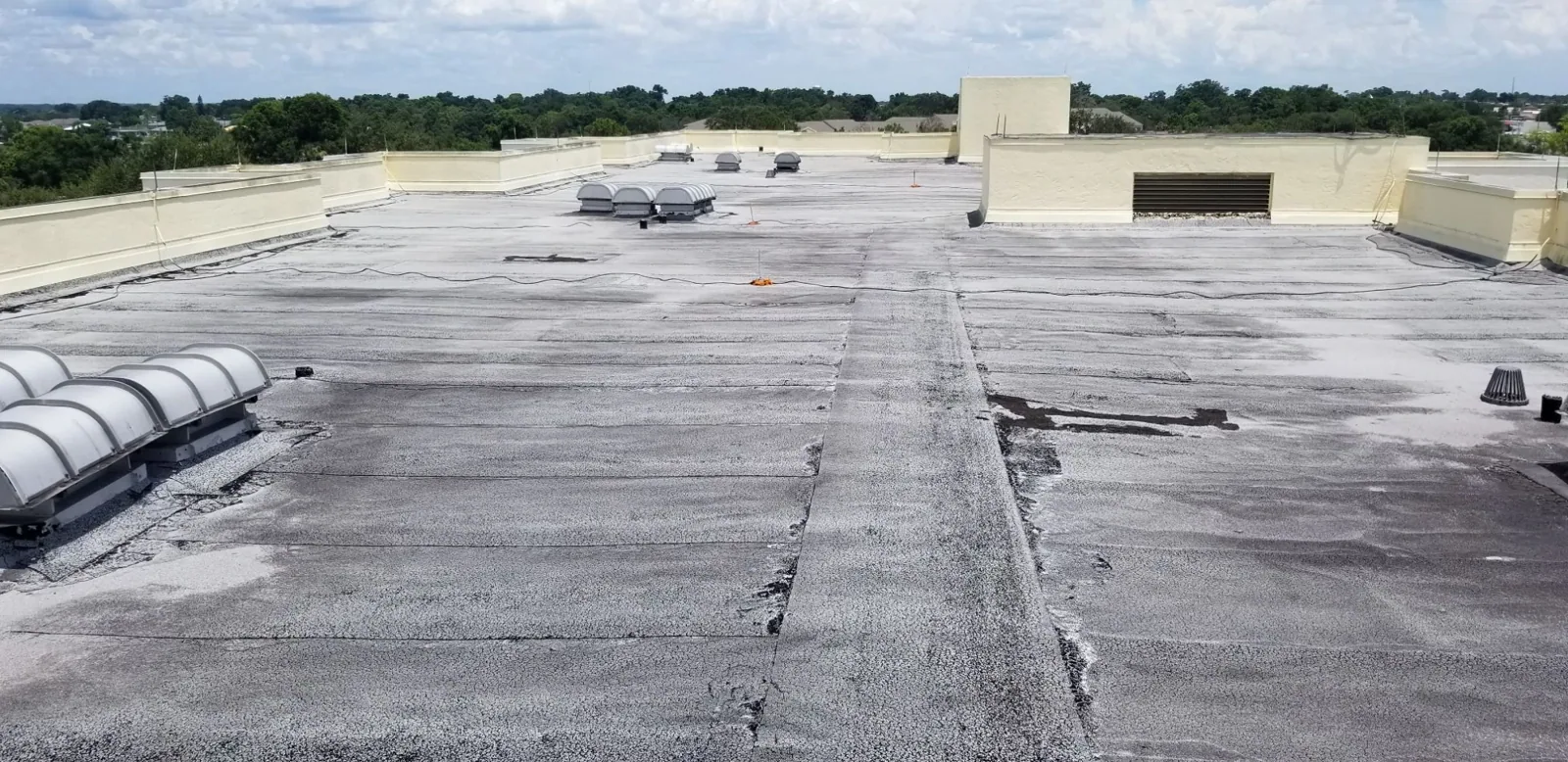
Begin with the reported event date, interior symptom and roof area that can be reached. Check membrane or panel surfaces, seams, flashing, curbs, edge metal and outlets for visible changes. Photograph each condition with a location view and a close detail, and note whether the surface was wet, debris-covered or otherwise limited during inspection. A mark, crease or loose component should be described as observed; appearance alone does not determine when it occurred or what caused it.
Compare the field observations with available maintenance records, earlier repair photos and the building's roof plan. A pre-existing split near a new impact mark is a different finding from fresh displacement at an edge, and both may exist on the same roof. State which details were accessible, which areas were not examined, and what additional opening or testing would answer an unresolved question. This gives the owner a defensible inspection boundary before a repair is priced.
For an immediate concern, temporary protection may be considered for a known opening when access and conditions allow. That action is separate from determining the extent of damage or specifying a permanent repair. Record the protected area, material used, limitations and return condition so no one mistakes a short-term measure for restoration of the full assembly.