Rooftop Equipment Curbs and Supports in Garland, TX

Rooftop Equipment Curbs and Supports in Garland, TX

Rooftop Equipment Curbs and Supports

Commercial Roofing Services

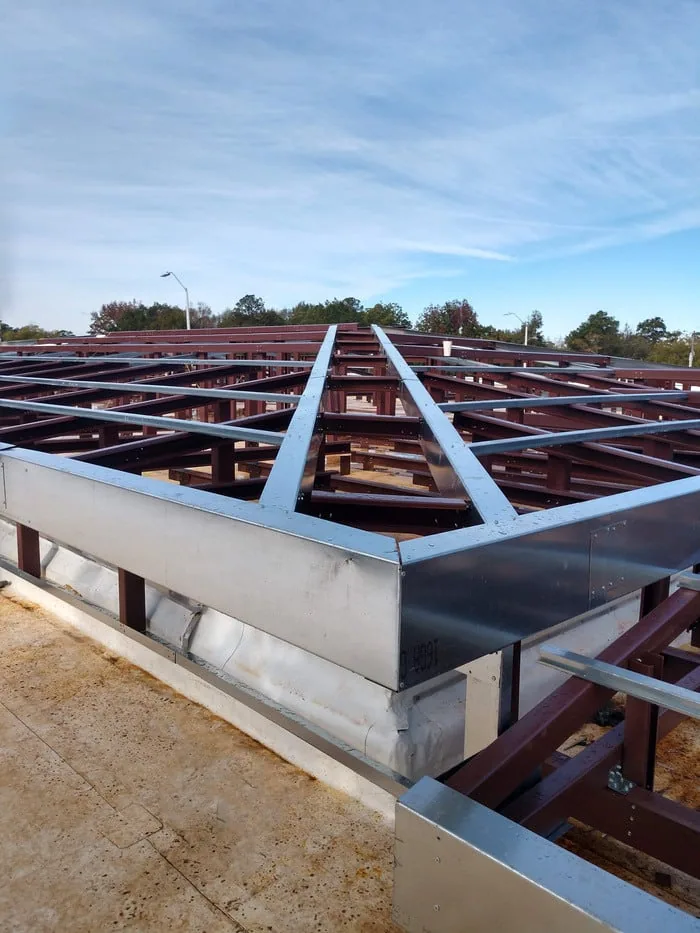
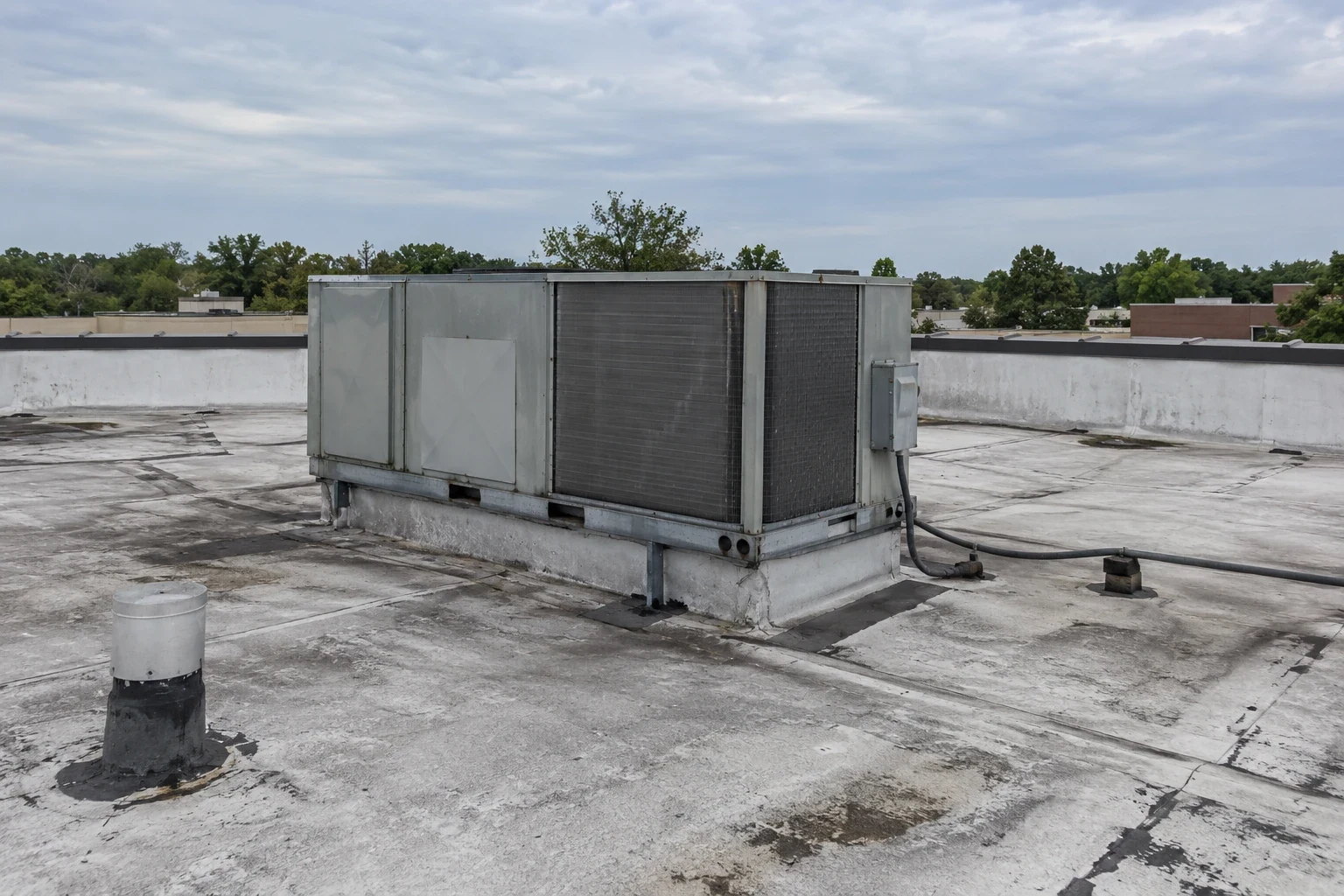
A rooftop unit can remain mechanically connected while the curb around it is ready for roofing work. We identify the existing curb, equipment footprint, membrane termination and support condition before opening or rebuilding the connection. The roofer needs the mechanical scope and the owner’s access plan because changing a curb can affect equipment, duct transitions and the water-shedding detail at once. A clear boundary shows which trade prepares the unit and which roof work restores a permanent seal.

For a Garland property near Garland VA Medical Center or Forest/Jupiter Station, the location helps identify the address but does not describe equipment or roof access. We confirm the building contact, unit identification and responsible mechanical representative before scheduling.

What must be examined at an equipment connection?

We inspect the curb height and condition, membrane turn-up, flashing termination, nearby seams, fasteners and the surrounding roof surface. Look for split corners, open laps, corrosion, movement, unsupported edges or water paths that reach the penetration. A failed-looking sealant bead alone may not reveal whether the underlying flashing is sound. We identify the actual connection and describe whether it can be repaired in place or needs a curb modification coordinated with another trade.

A penetration-flashing inspection helps when the roof concern is at a smaller pipe or skylight connection; equipment curbs involve a separate set of dimensions and trade interfaces. If water appears indoors, connect the reported area with a leak investigation before assuming the nearest unit is the entry point. A roof inspection can document the curb and nearby drainage for repair planning.

A curb that rocks, deforms or sits on a questionable support needs more than a new flashing wrap. Photograph the perimeter and note movement or visible damage before removal. Structural adequacy, vibration isolation and unit attachment belong with qualified design or mechanical professionals; the roofing scope should identify those questions and wait for an approved correction before sealing the final connection.
Rooftop Equipment Curbs and Supports in Garland, TX

Who prepares the equipment before roofing?

The mechanical contractor should identify whether equipment must be disconnected, lifted, replaced or left in service while curb work proceeds. Roofing cannot complete a permanent flashing detail around equipment that remains in the way or a curb that has not reached its final dimension. We identify the handoff point, access route and protection needed while the assembly is open. If the equipment representative cannot complete the prerequisite work, we can protect the area and set a return visit after the curb is ready.

Unit weight, vibration, service clearance and connected ductwork are decisions for the project’s mechanical and structural professionals. We do not infer capacity from the roof surface or use a roofing patch to correct a support problem. A roof build-up scope must also account for finished membrane elevation at the curb. Where the unit’s footprint changes, the selected curb and flashing detail should match the final equipment, roof system and approved construction documents.

Weather protection should remain explicit during the handoff. Identify the temporary material, the area it covers, who will inspect it and what condition requires a call back. If the equipment representative delays the curb work, the building contact should know whether the roof remains protected and what permanent work is still outstanding. A temporary measure is not a finished flashing detail.

Rooftop Equipment Curbs and Supports in Garland, TX

How does the flashing connect to the roof system?

The flashing method depends on the membrane and curb construction. A thermoplastic, EPDM, modified-bitumen or coating assembly has its own compatible materials and corner details. Manufacturer details illustrate a particular system; an EPDM curb detail, for example, should not be transferred to another membrane by analogy. We verify the roof system and specify how the flashing attaches, turns up and terminates before closing the connection.

Keep the field membrane, curb corners and adjoining seams continuous according to the chosen system’s instructions. At the same time, preserve drainage paths and avoid leaving a curb base that dams water. If a curb change alters elevation or position, review nearby drains and scuppers and roof access for future maintenance. TPO roofing and EPDM roofing are examples of systems with distinct material and detail requirements.

Before closing the curb, compare the installed perimeter with the final equipment position and the roof-system detail. A moved unit, new conduit or altered duct opening can affect nearby membrane work. Record those changes while the area is visible, then inspect the finished connection after the other trade completes its work.

What should happen while the curb is open?

An opened curb connection needs a temporary weather boundary and a defined return condition. The owner and mechanical representative should know whether equipment is isolated, what roof area remains exposed and who can authorize a change if concealed material is damaged. We photograph existing construction before removal, protect adjacent surfaces and avoid leaving loose material or an unsealed edge at the end of a shift. Temporary protection is recorded separately from permanent flashing work.

Commercial Roofing Garland responds around the clock when active water entry calls for urgent protection, including nights and holidays. The permanent repair still requires compatible materials and a curb that is ready for the roofer. If the building is occupied, sequence the work so personnel can reach the unit only through an agreed route. Emergency roof response can address the immediate opening while the owner arranges the mechanical work needed to complete the lasting connection.

Keep the curb open only as long as the approved work can protect it from weather and secure the equipment. Before closure, check that the support is stable, the equipment sits at its required height, and the membrane connection is continuous at corners and fasteners. If the unit must be lifted or disconnected, confirm who controls that task and who accepts it back into operation. Record the finished flashing from each side so later service crews can see where the roof detail begins and the mechanical scope ends.

Rooftop Equipment Curbs and Supports in Garland, TX

How should completion be recorded?

Closeout should identify the unit or roof area, the curb and flashing materials installed, the membrane connection completed and any mechanical work left outside the roofing scope. Photographs should show the finished corners and termination as well as the wider drainage context. If a unit remained in place or a curb repair was limited, note that boundary so the owner does not read the record as confirmation of equipment support or concealed construction beyond the work performed.

A maintenance visit can later check the accessible flashing and confirm that a mechanical change has not disturbed the roof connection. The Downtown Garland location is geographic context only; every roof needs its own access and system review. Where the building has repeated unit replacements, a roof condition report can keep roof-side findings available to facilities and mechanical contacts planning the next project.

The final roof inspection should occur after the mechanical representative has completed the work that could affect the curb. Confirm that no new conduit, fastener or service task has disturbed the flashing, then photograph the completed connection from close and wide views. If another trade still has work pending, record that condition and schedule the roof review after its return visit.

Rooftop Equipment Curbs and Supports in Garland, TX

Common Questions

Can roofers change the equipment curb?

The curb and equipment interface may require mechanical or structural work outside the roofing scope. We identify the prerequisite, coordinate the tie-in and flash the final approved construction.

Can the unit stay running during curb work?

That depends on the mechanical work, safe access and the equipment condition. The building’s mechanical representative determines operation; we plan the roof opening and flashing handoff.

Does every curb use the same flashing detail?

No. Membrane type, curb shape and manufacturer instructions control the detail. We verify the assembly and use the applicable system-specific construction.

What if the curb is too low or damaged?

We document its dimensions and condition, protect the roof as needed and coordinate a correction with the responsible trade before completing permanent flashing.

Rooftop Equipment Curbs and Supports in Garland, TX

Coordinate the curb before flashing

Provide the Garland address, unit location, reported roof concern and mechanical contact. We can examine the curb connection, define the roof-side work and identify any equipment or support task that must be completed first.

Call 555-555-5555 or request a roof assessment.

Questions About Your Roof?

ServicesRoof SystemsProperty TypesIndustriesService AreasDamage RepairCapabilitiesManufacturersAboutRequest a Roof Assessment555-555-5555
Call us today555-555-5555