Drone Roof Inspection in Garland, TX

Drone Roof Inspection in Garland, TX

Drone Roof Inspection

Commercial Roofing Services

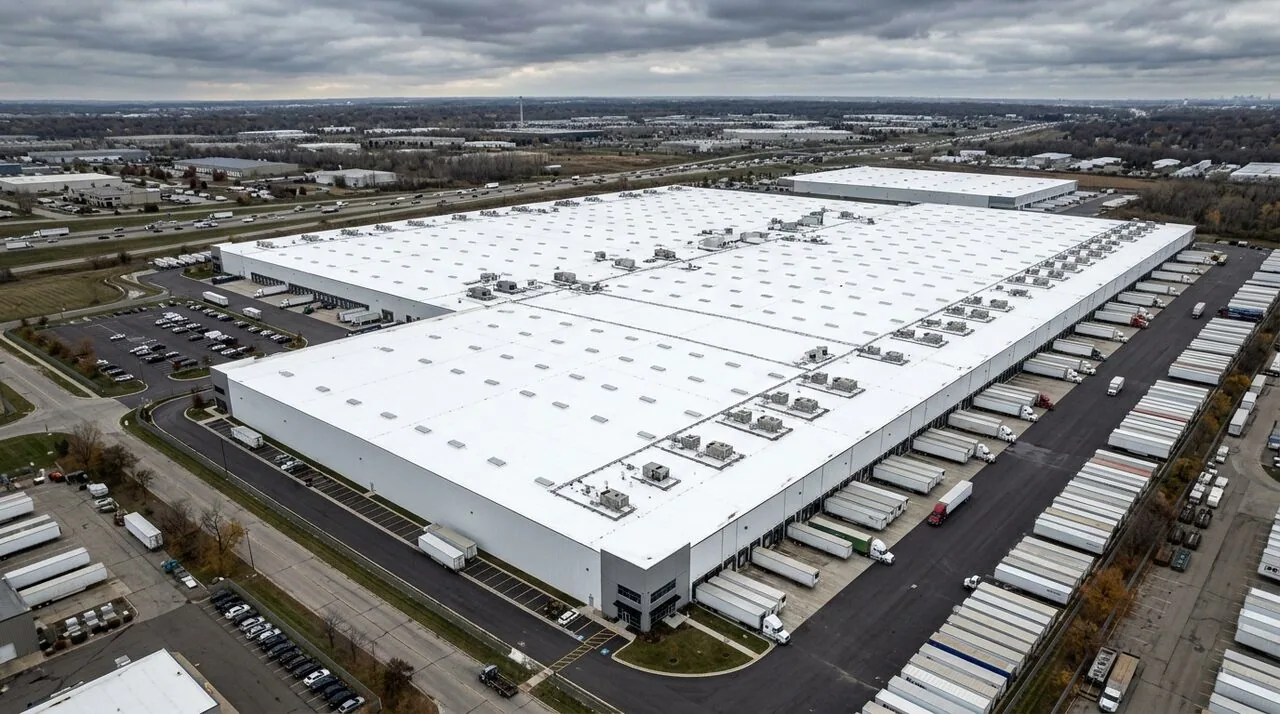
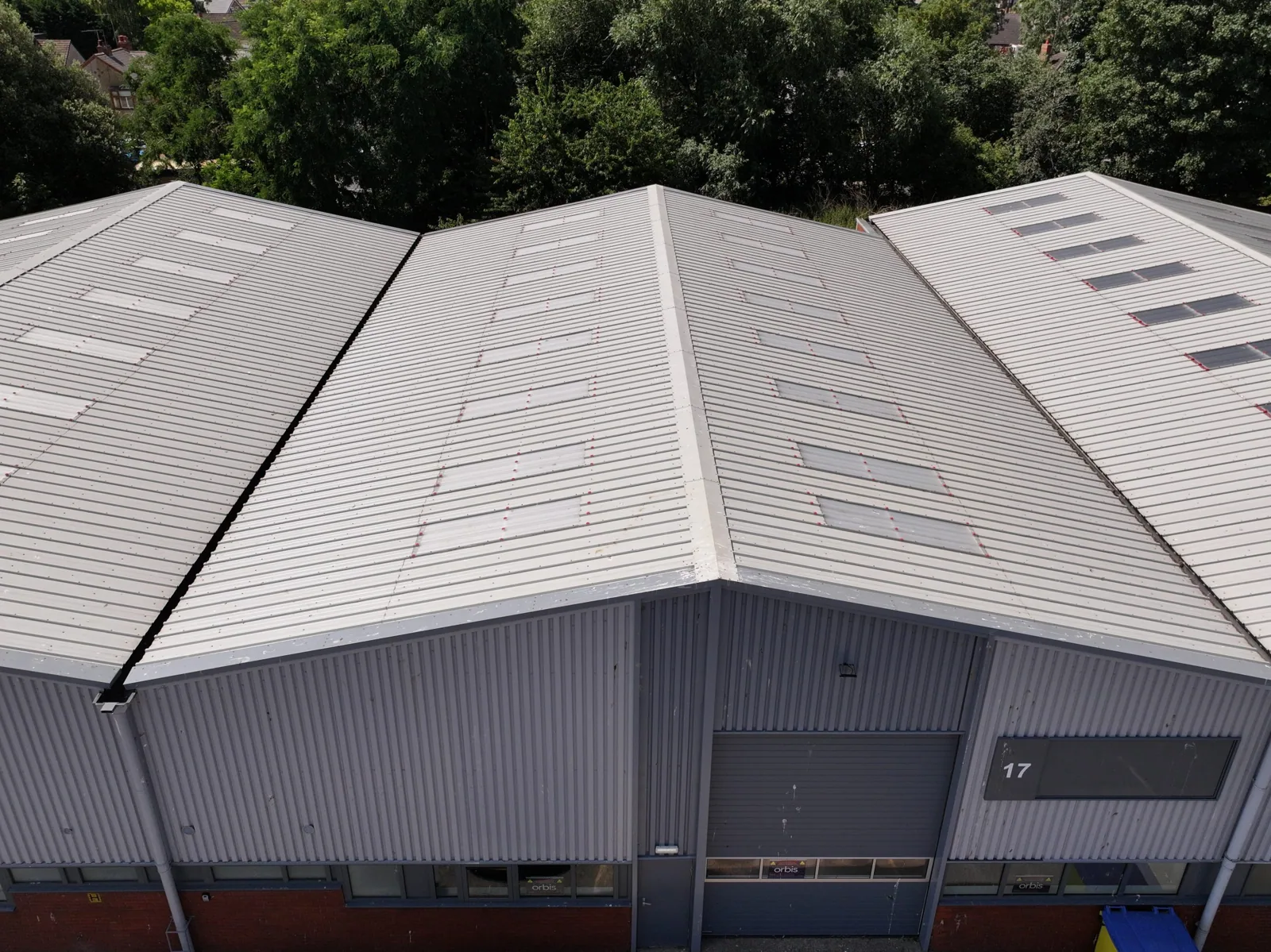
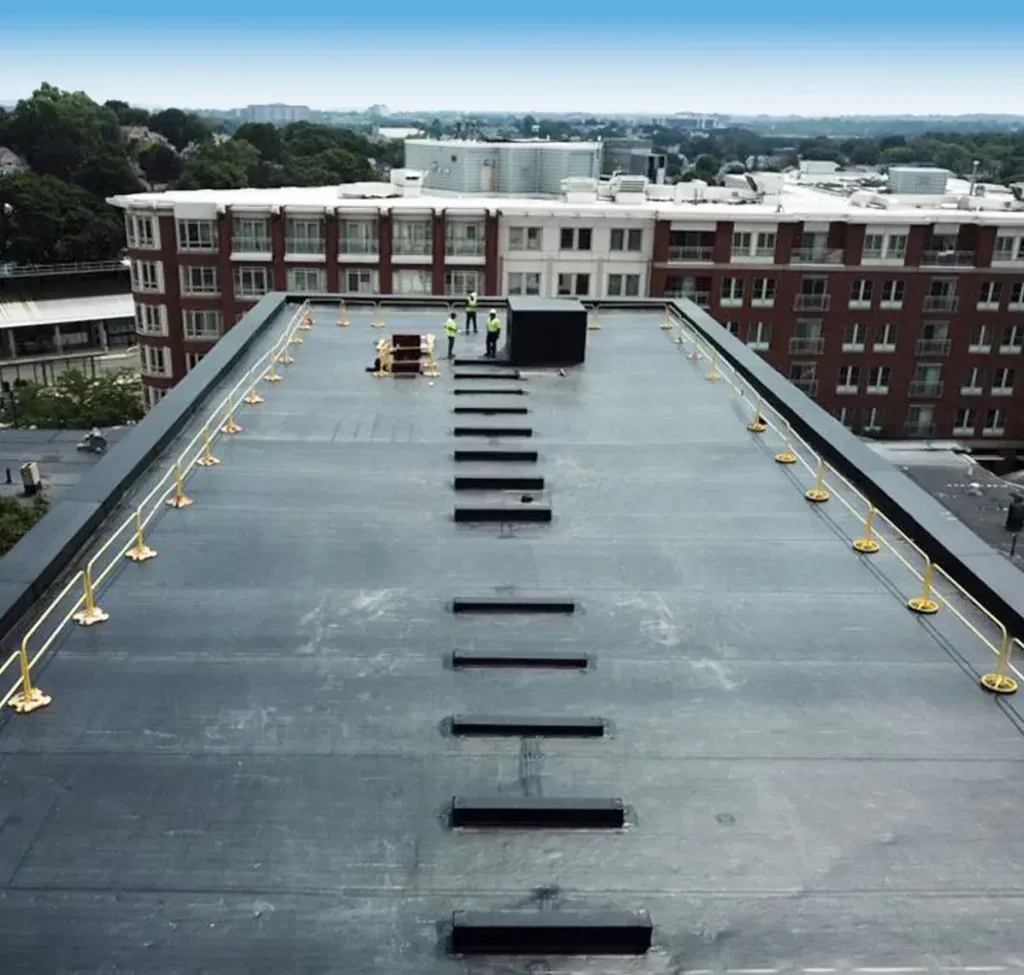
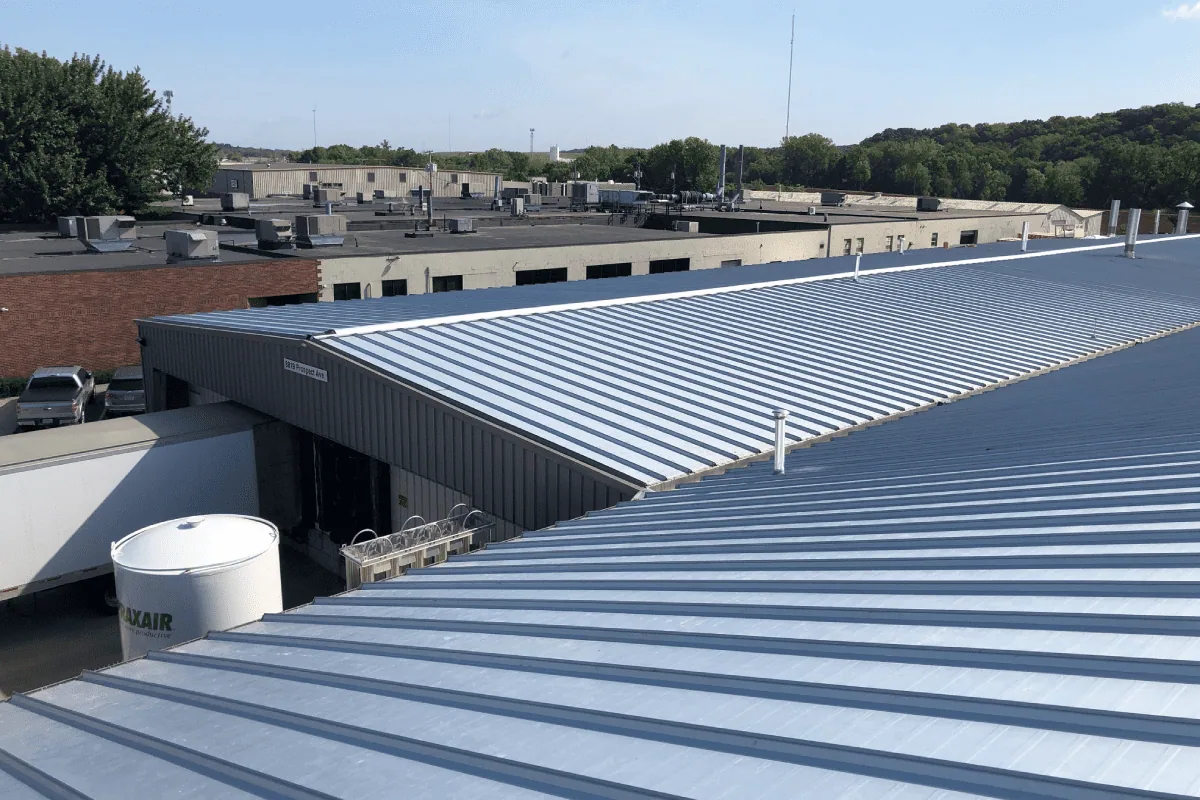
A camera pass over a commercial roof can show a broad surface without putting a person on every area. We use drone imagery to locate visible conditions, compare roof zones and direct a closer inspection where it is needed. Aerial images show visible surface features. Pair them with hands-on checks or approved openings when insulation condition, attachment or a termination detail affects the repair decision. The owner receives a view of what was observed and a clear statement of which construction details remain unresolved.

For a Garland building near Forest/Jupiter Station or Central Library, the property address and building contact determine the request, not the landmark. We confirm the purpose of the flight, the roof areas of interest and any occupied outdoor space that affects the operation. If flight conditions or site constraints do not support a safe aerial view, we explain the limit and arrange another inspection method where practical.

Which roof question can imagery answer?

The useful assignment is specific: locate storm-disturbed material, compare visible drainage zones, record rooftop equipment positions or create an overview before a repair visit. We plan image coverage around that question and preserve enough orientation for the owner to match each view to the building. A close crop without a roof-area reference may look detailed but leave a maintenance contact unable to find the photographed condition.

A hands-on roof inspection remains necessary when a finding depends on touching a seam, testing attachment or examining flashing at close range. Images can point that visit toward the right detail and reduce time spent searching across the field. For a reported interior leak, combine the aerial view with leak investigation information such as the room, ceiling mark and timing; the camera cannot trace concealed water by itself.

An image plan should record the direction of each pass and the roof zone covered, especially where several wings or additions meet. That index lets a facilities contact compare later observations with the same area. If the roof plan is unavailable, we establish a simple orientation from fixed building features before reviewing individual images.
Drone Roof Inspection in Garland, TX

How is the flight planned around a working property?

A drone visit starts with the roof address, launch area, expected route and people or vehicles below. We coordinate the building contact and consider whether an occupied entrance, loading area or outdoor gathering changes the safe flight plan. The FAA rules commercial small-aircraft operations under Part 107, including requirements concerning visual line of sight and operations over people. A flight that cannot meet the applicable operating conditions should be changed or postponed rather than forced to fit a roof appointment.

Garland’s regional DFW weather includes thunderstorms in the wetter spring and fall seasons. That regional pattern does not predict conditions during a particular flight, so the operator checks current weather and visibility before launch. Wind, precipitation, glare and shadows can reduce image usefulness even where a flight could otherwise proceed. We tell the owner when the conditions produce incomplete coverage and identify the roof areas that require another pass or a different inspection method.

A drone does not remove the need to protect occupants, vehicles or adjacent property. The route and time should account for the flight environment, applicable FAA requirements and the building representative’s notice process. We can change the image plan when those conditions change, and the report identifies any roof area omitted rather than implying complete coverage.

Drone Roof Inspection in Garland, TX

What should the owner receive?

A useful image record includes dated views, roof-area labels and short notes connecting a visible condition with the next inspection decision. We distinguish a clear observation, such as displaced debris beside a drain, from an interpretation that needs confirmation, such as a suspected open seam. A wider roof view helps locate the detail; a closer image shows what the camera resolves. We avoid treating color, shadow or surface texture as proof of moisture or membrane failure.

A roof condition report can pair aerial context with accessible close-up observations, the areas not viewed and recommended follow-up. A thermal moisture survey answers a different question and may need confirmation openings. If images reveal a visible opening, a wind-damage repair review or drainage inspection can examine that specific construction rather than treating the aerial record as a repair authorization.

For recurring monitoring, keep dates and viewpoints consistent where practical, while treating each flight as a new observation under its own conditions. A change in shadow, recent rain or camera angle can make direct comparison misleading. The owner should retain the original images alongside notes so a later reviewer can distinguish a new roof condition from a difference in capture.

Where does an aerial view stop being enough?

Roof membranes conceal their attachment and underlying layers. A photograph cannot establish whether insulation is wet, a fastener is secure below a cover board, or a flashing return is bonded continuously. Parapets, equipment screens and roof geometry can also block a view. The report marks blind areas and distinguishes them from areas that were viewed but showed no obvious surface concern. That boundary matters when an owner is deciding whether a limited repair addresses the reported condition.

For a property near Firewheel Town Center, confirm the building entrance, roof access, operating restrictions and work zone with its contact before planning a drone flight. When safe access is available, we inspect the selected areas at close range and record the affected connection. For an urgent opening, temporary protection can proceed separately from the flight and permanent work can follow once the assembly and repair extent are confirmed.

Drone Roof Inspection in Garland, TX

How does the image record guide repair?

We connect each visible condition to the next useful action. A piece of loose debris may call for removal and a drain check; an apparent membrane split needs direct examination and a compatible patch scope. Where the image only raises a question, we identify the test or access needed to answer it. The owner can authorize a focused return visit without treating an overview as proof that every component on the roof has been inspected.

A follow-up program may include preventive maintenance visits; consider replacement assessment when observed deterioration extends beyond a localized repair. We can respond around the clock when active damage requires urgent attention, while the permanent repair still depends on safe access, verified materials and owner authorization. The building contact should receive the images and findings tied to the same roof zones so the next decision stays specific.

During review, we sort images by roof zone and preserve the original files with the written notes. A facilities team may compare a later roof visit with earlier viewpoints, but each image set remains tied to its own date, light and weather. We label uncertainty where an angle is blocked, and request a closer view when a decision depends on a detail the camera could not resolve.

Drone Roof Inspection in Garland, TX

Common Questions

Can the drone confirm that insulation is dry?

No. Aerial imagery shows visible roof surfaces, not concealed insulation. If moisture is a concern, we identify a suitable survey or authorized opening and explain what each can establish.

Will a drone replace walking the roof?

It can provide a useful overview or reach a view that is difficult from the roof, but it does not test attachment or examine every flashing connection. The report states what still needs close inspection.

Can the inspection happen during business hours?

We plan the flight around site activity and applicable operating requirements. If people or vehicles below prevent a safe route, we choose another time or method with the building contact.

What should I send before the flight?

Provide the exact address, roof concern, requested areas, building contact and known access or occupancy constraints. Existing plans or prior photographs can help orient the review.

Drone Roof Inspection in Garland, TX

Plan a drone view for the roof question

Send the property address, reported roof concern and building contact. We can determine whether aerial imagery will clarify the affected area and explain which findings need direct examination before repair.

Call 555-555-5555 or request a roof assessment.

Questions About Your Roof?

ServicesRoof SystemsProperty TypesIndustriesService AreasDamage RepairCapabilitiesManufacturersAboutRequest a Roof Assessment555-555-5555
Call us today555-555-5555