
How should reflectance enter the roof decision?
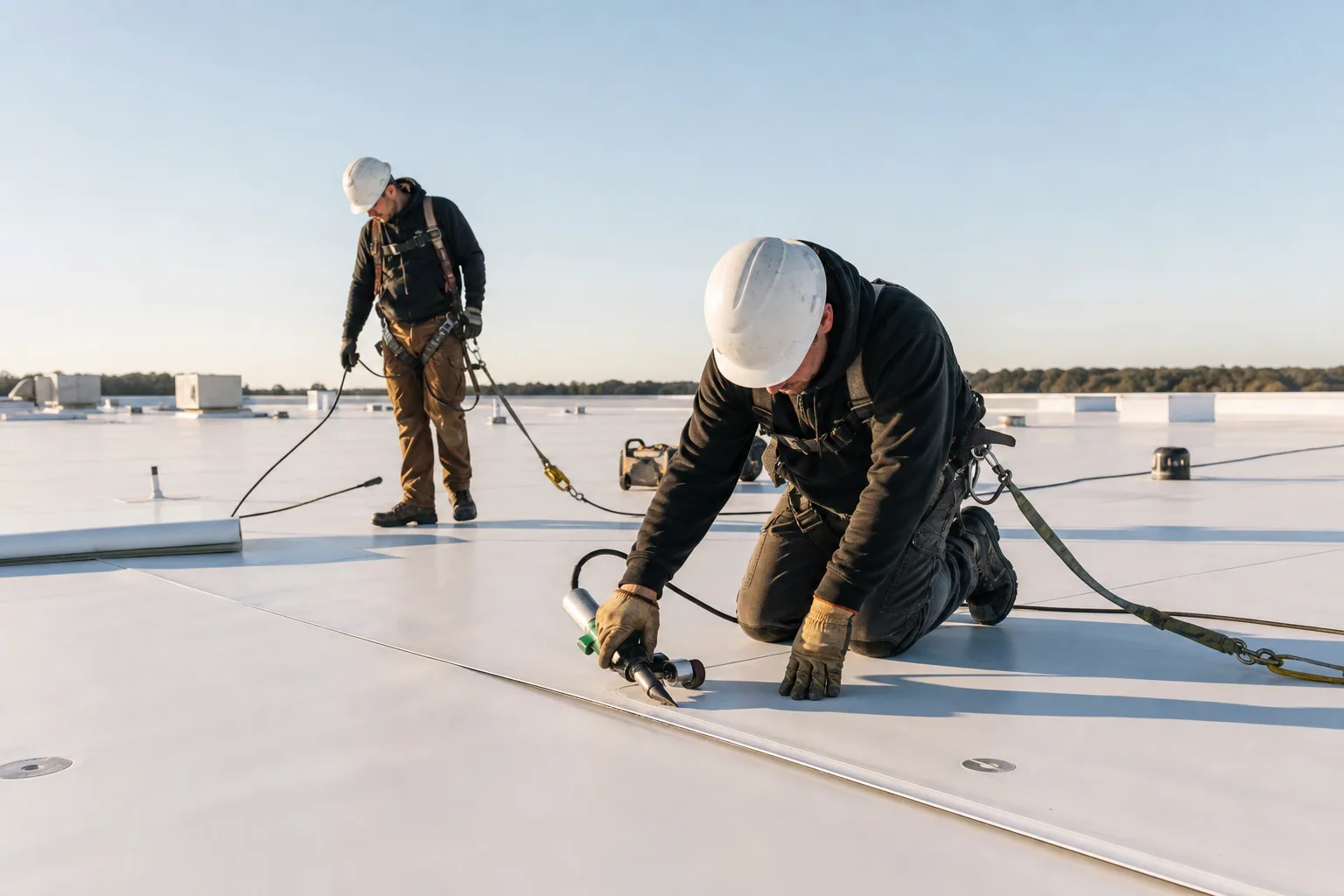
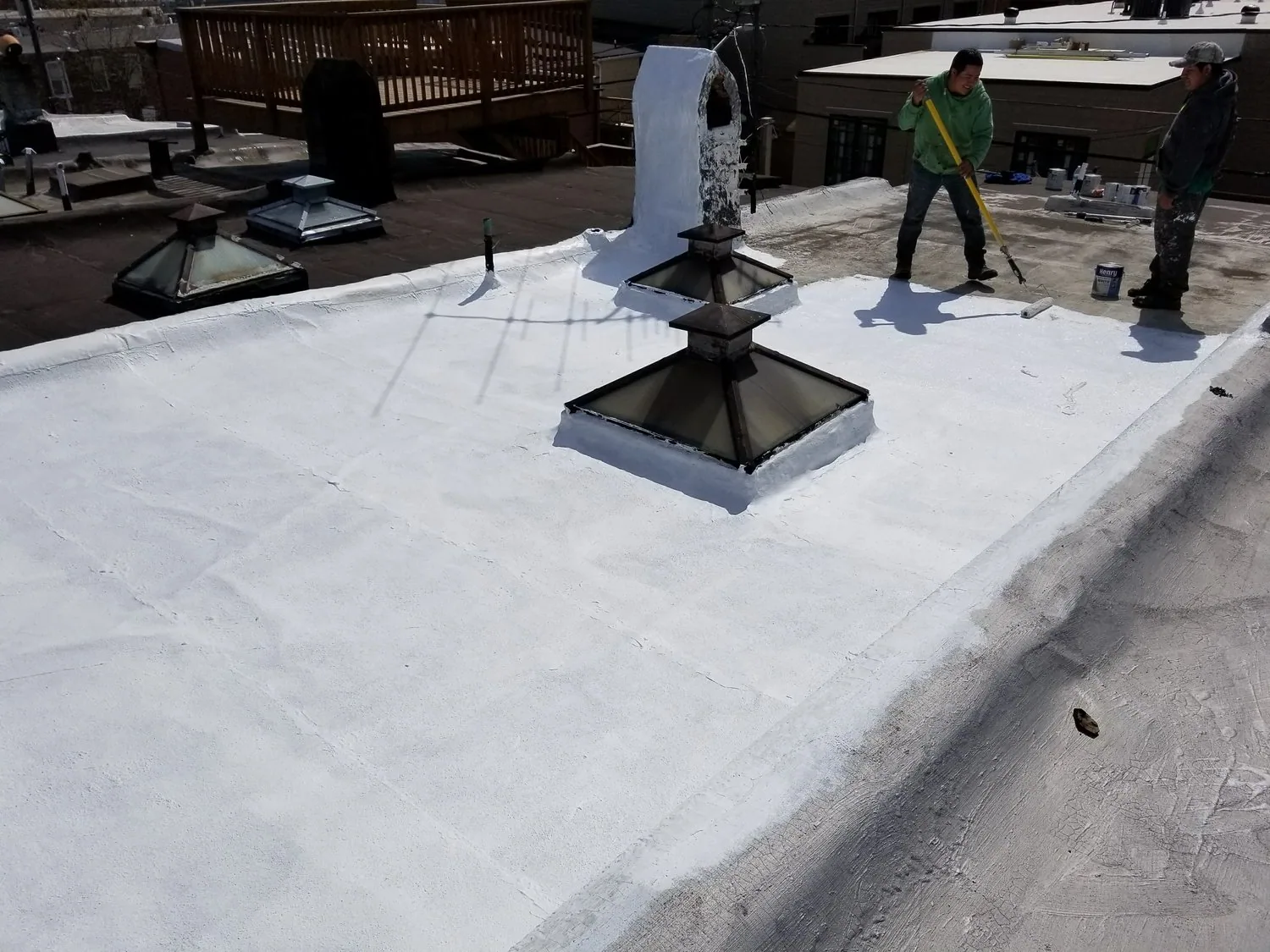
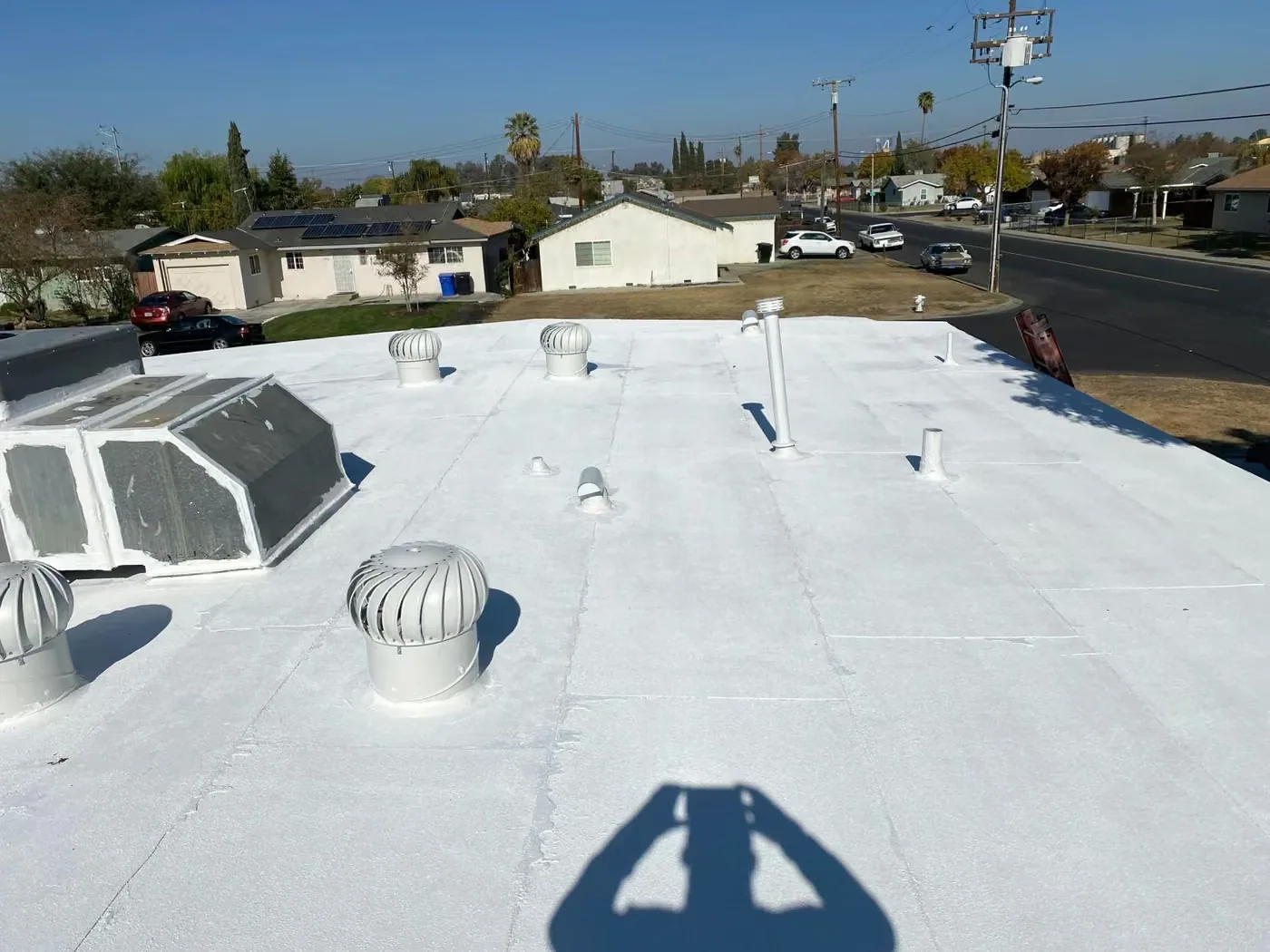
Solar reflectance describes the sunlight a surface reflects, while thermal emittance describes its ability to release absorbed heat. A cool-roof product combines these properties, but the installed result depends on the specific material, color, condition and maintenance. We identify the proposed product and its published performance information rather than treating every white coating or membrane as interchangeable. Dirt, weathering and roof geometry can change the surface over time, so maintenance expectations belong in the owner’s comparison.
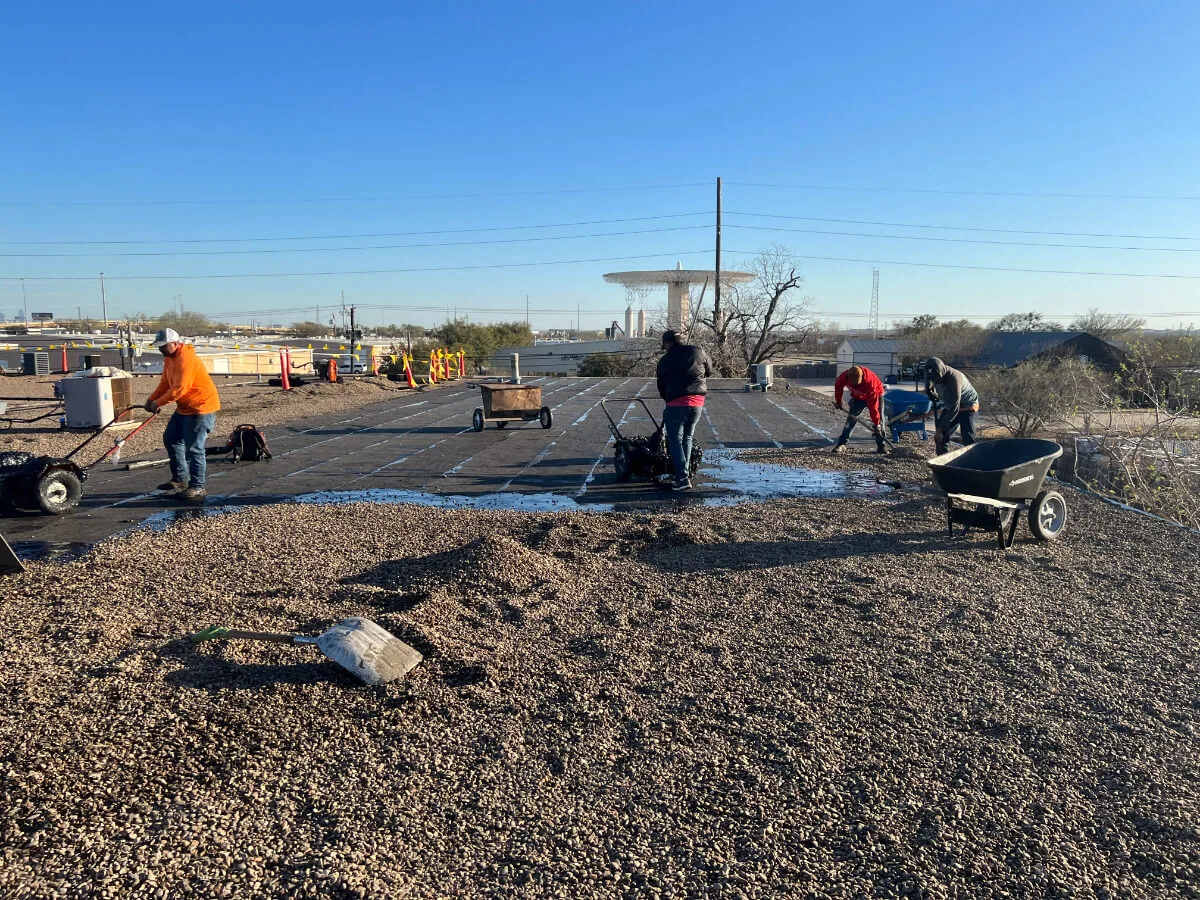
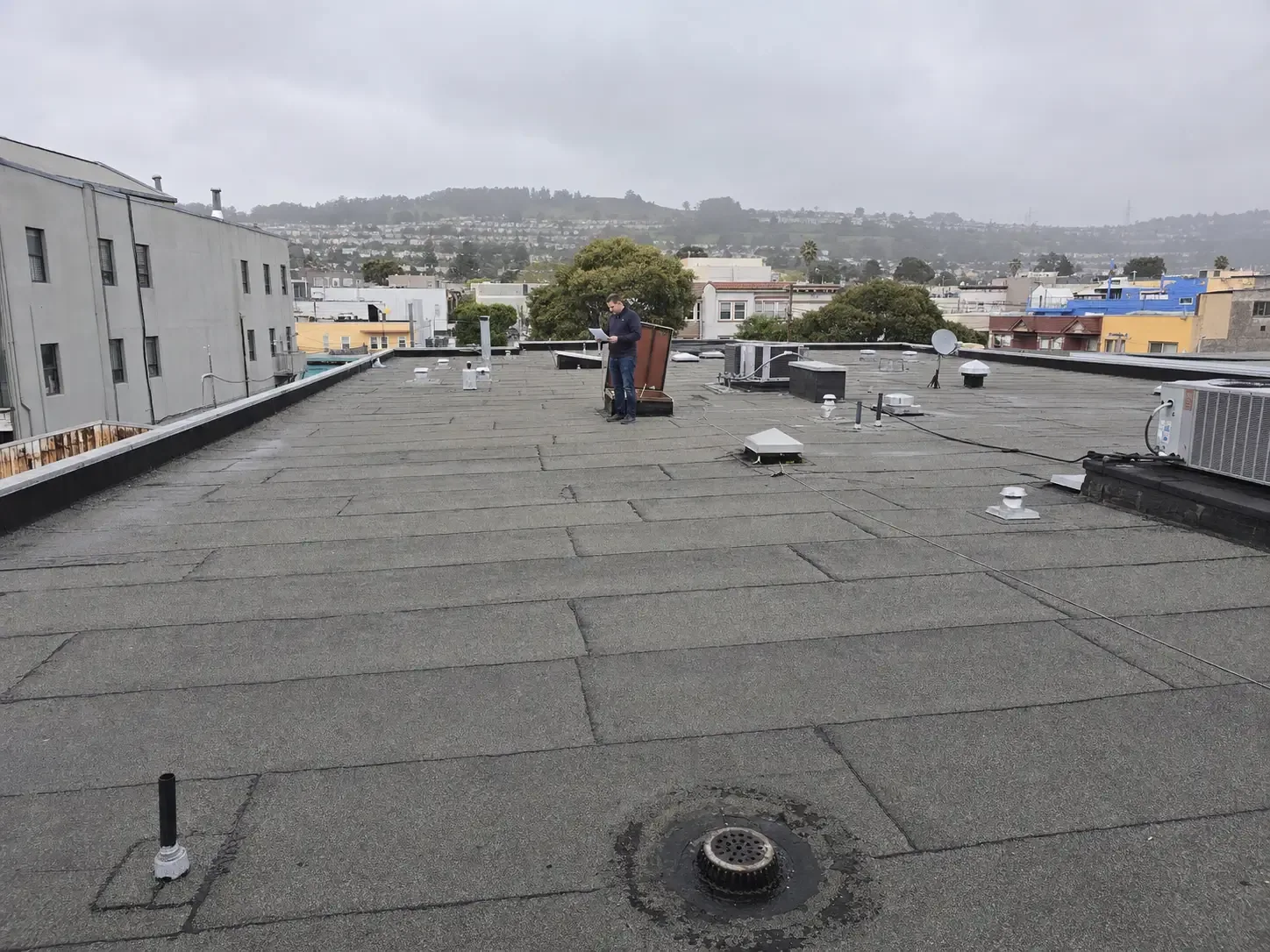
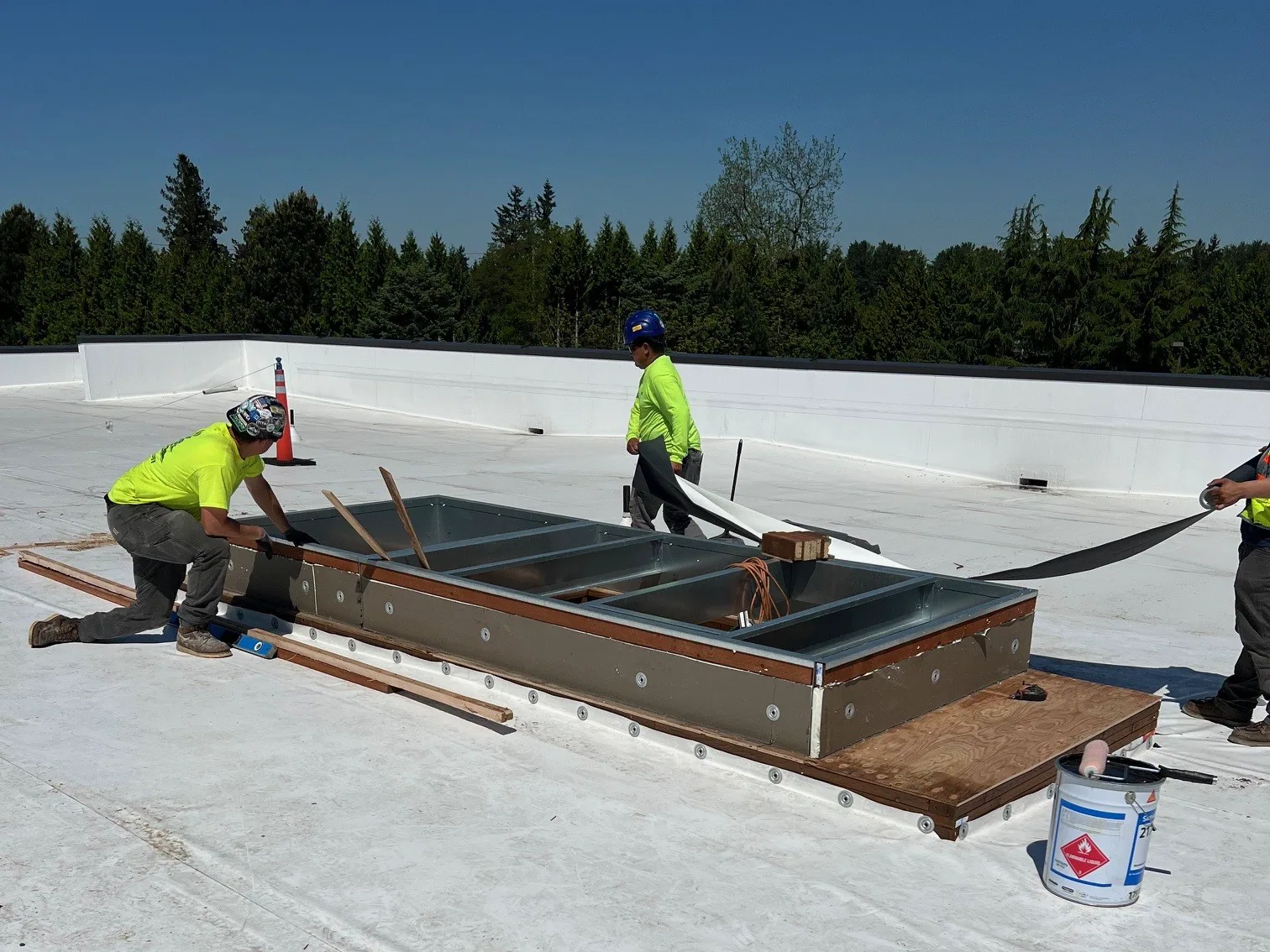
The system underneath remains decisive. A reflective membrane over a sound, properly designed assembly is a different project from coating an existing roof with wet insulation or failed seams. Before suggesting a coating, we inspect the substrate, adhesion requirements, edge details and drainage; a roof coating restoration evaluation identifies preparation and repairs that precede application. For a new assembly, compare TPO and other system options by specification, attachment and roof condition.
A performance label should be tied to the specific product and test basis used in the design documents. Compare the manufacturer’s published reflectance and emittance information with the owner’s intended roof use, rather than assuming a generic light surface has identical properties. If the project is pursuing an incentive or procurement requirement, the owner should verify eligibility and documentation with the program administrator.