Commercial Roofing in Forney, TX

Commercial Roofing in Forney, TX

Forney

Service Areas

Receiving materials for a repair is only useful after the crew knows what roof detail must be corrected and how the building will remain protected. Forney's business mix spans manufacturing, industrial development, education, retail and government. On each property, we confirm the owner's use and inspect the roof assembly before defining work.

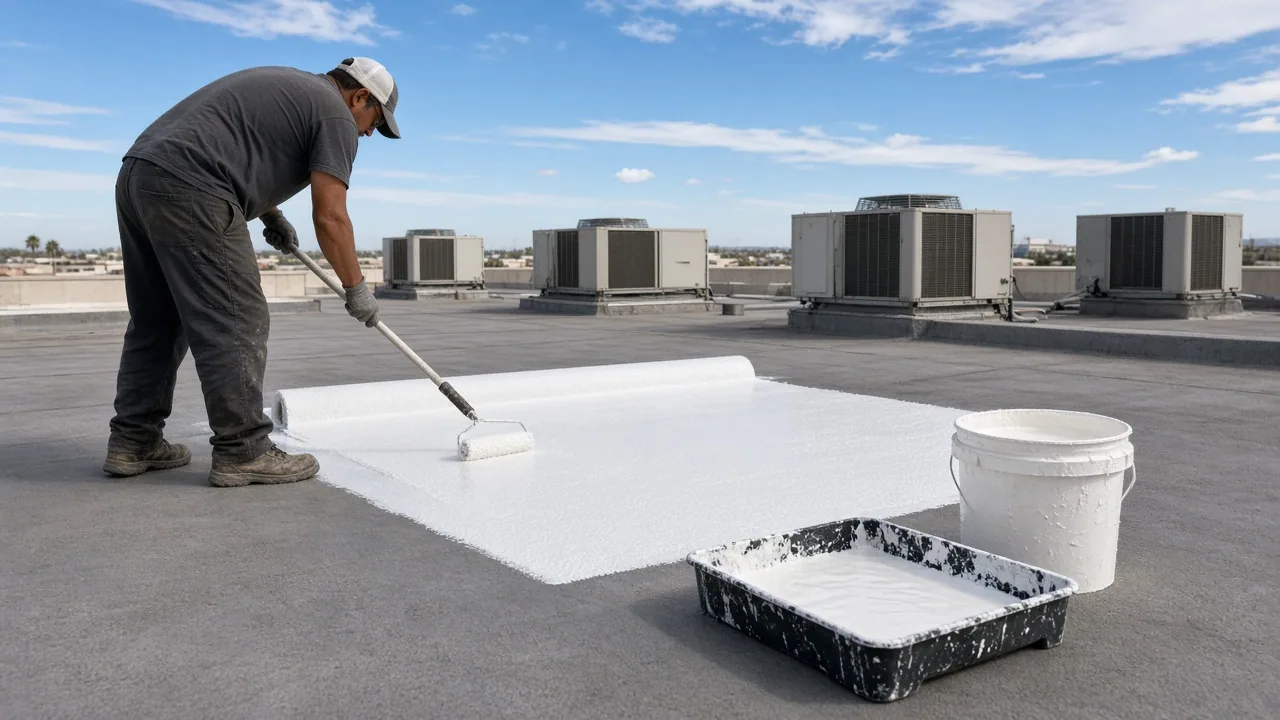
For an active leak, emergency roof response can reduce exposure until a permanent scope is ready. A commercial inspection records the accessible membrane, joints, curbs, walls, edges, drainage, and prior patches. The Dallas-Fort Worth region has hot summers, changing winter temperatures, wetter spring and fall seasons, and thunderstorms. In Forney, we check drainage, perimeter details and penetrations before wet-season work and inspect each roof directly after a reported storm.

Roof scope during business expansion

When a business is expanding or changing how space is used, confirm whether roof penetrations, rooftop equipment, or interior layouts will also change. A new exhaust fan, conduit, curb, or pipe support can require flashing work that should be coordinated with the trade installing it. If the owner is reviewing a development project, we identify which work is part of the approved roof scope and which task belongs to another contractor. That avoids closing a membrane detail against equipment that will soon move.

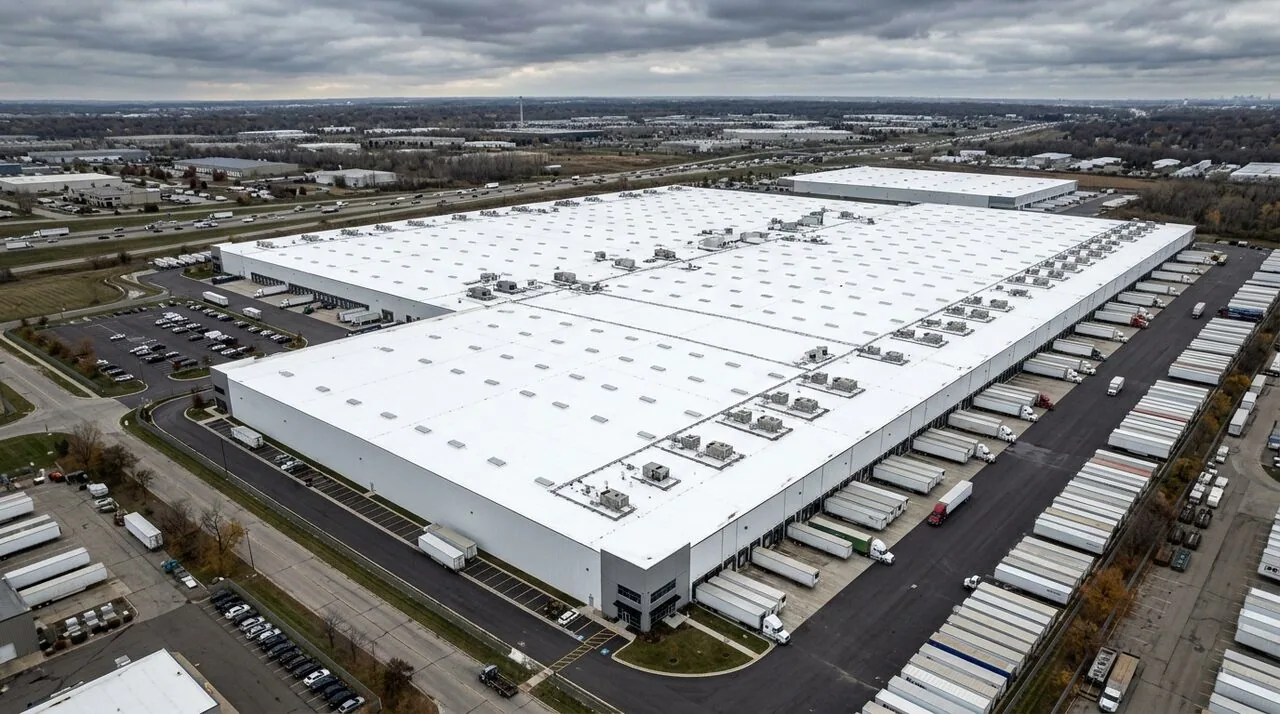
Forney coordinates development projects and incentive programs through its economic-development organization and city government. A property project may involve several decision-makers and approval dates, so we document the roof condition before construction and identify details to protect during later site activity. We can document the roof condition before construction, photograph work areas, and identify details that must be protected during later site activity. Rooftop equipment and curb work should be scheduled when the related unit is stable and the mechanical contact can coordinate the connection.
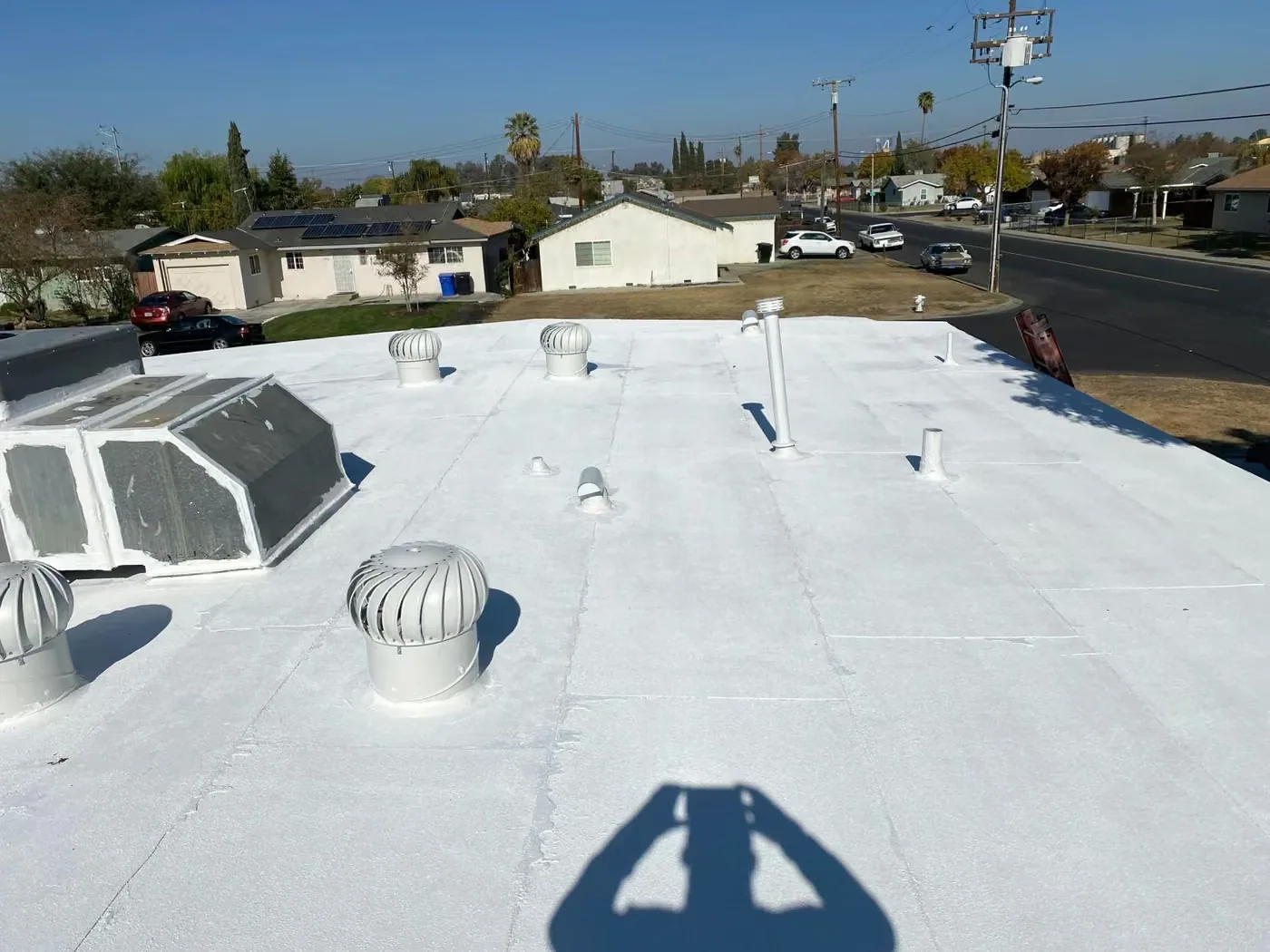
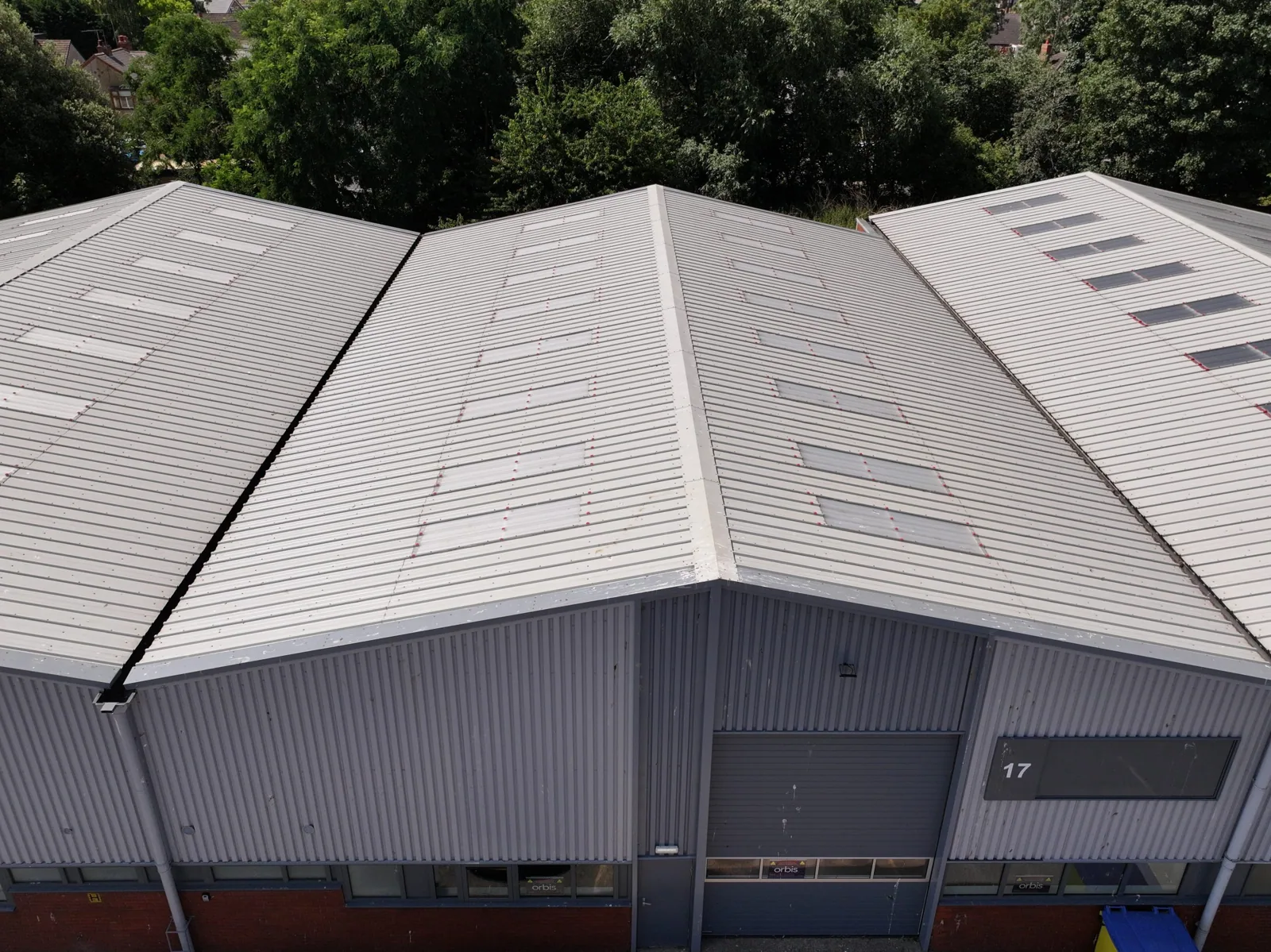
Commercial Roofing in Forney, TX

What a first roof walk should establish

Start with the concern the owner wants resolved: water entry, a visible tear, a loose edge, ponding, a roof inspection request, or a question about a future repair. We record where the symptom appeared inside, when it started, and whether it changed after rain or equipment work. That account guides the inspection but does not substitute for it. From the roof, we identify the covering and accessible layers, then examine details that could connect to the reported condition.

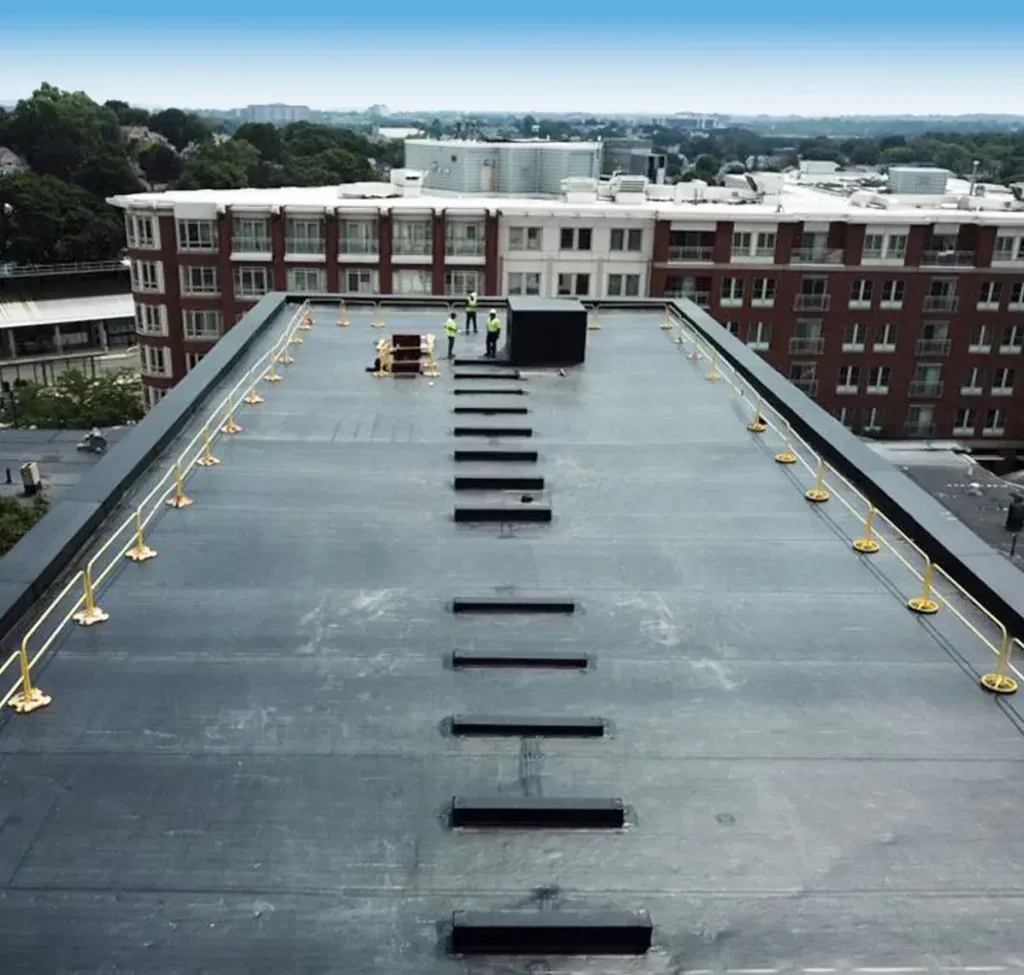
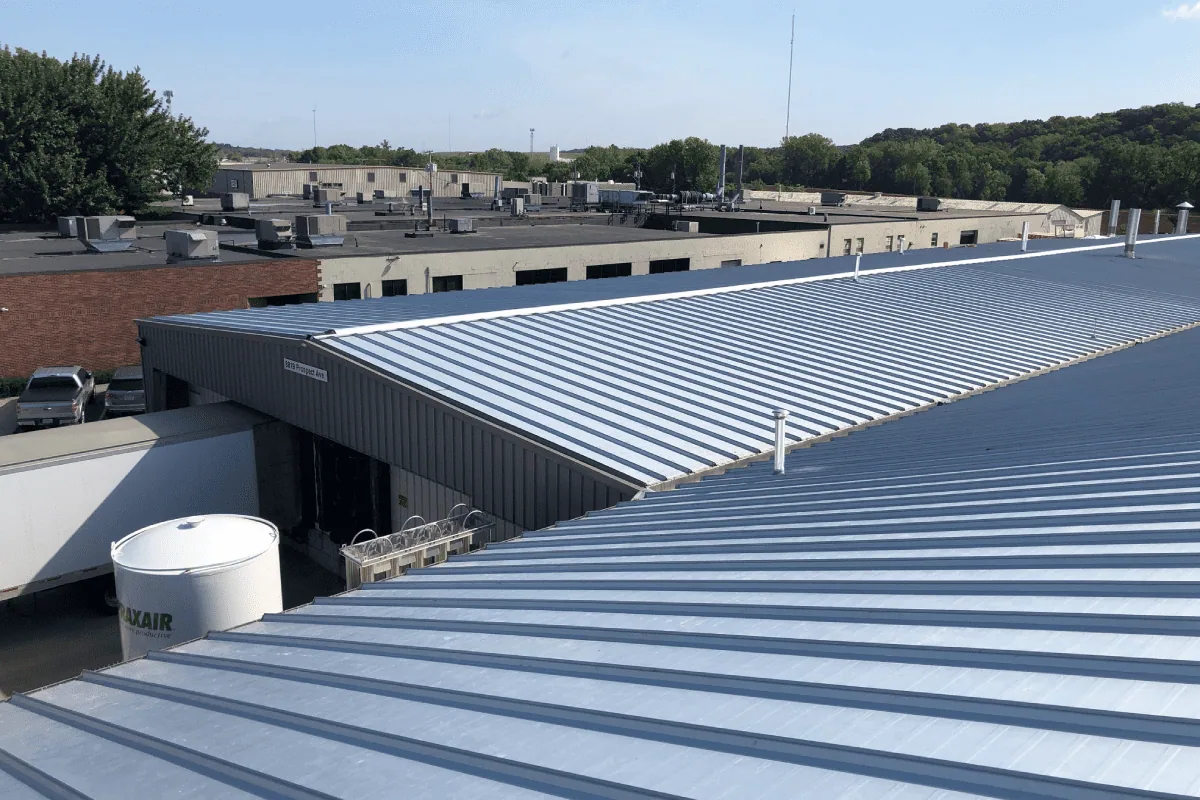
At a seam, look for an open edge, a split, a fishmouth, or a patch that has lost adhesion. At a wall, follow the membrane up to its termination and inspect counterflashing, coping, and corners. At a curb, check the base flashing on each side and the transition around conduit or piping. Around drains, inspect the bowl, clamping ring where present, strainer, and surrounding field. Each finding should have a roof-zone label and a photo that lets the owner locate it later.

Commercial Roofing in Forney, TX

Separating confirmed damage from the next question

A leak can follow a deck joint or travel beneath a membrane before it appears indoors. The wettest ceiling tile may not sit below the opening, and a roof surface that looks intact may conceal wet insulation. We compare the report with the roof geometry and visible details, then say which condition is confirmed and which one needs more evidence. If a controlled opening is warranted, the owner approves its location, size, interior protection, weather coverage, and stop point before removal.

When the opening exposes the assembly, keep each layer visible long enough to photograph and record. Mark the edge of wet or damaged material rather than extending removal by guesswork. The repair can then tie into sound membrane and restore the designed water path. Commercial leak repair should address the supported entry point and explain any limits if another source remains possible. If moisture or failed attachment extends beyond the first zone, we document what changes the repair boundary and seek approval before adding work.

Maintaining drainage through seasonal rain

The Dallas-Fort Worth region receives more rainfall during spring and fall, when thunderstorms can send water toward roof drains faster than a restricted outlet can release it. We inspect the full path from high points to the drain or scupper, including strainers, bowls, overflow openings, and transitions around patches or supports. A clogged strainer, depressed roof area, failed drain connection, or added curb can each affect drainage. The service record should say what was observed, not simply label every remaining wet area a roof failure.

Heat also matters to exposed materials: repeated surface temperature changes can stress seams, flashing transitions, and sealants. We inspect for shrinkage, movement, loose edge metal, splits, and deterioration where maintenance traffic crosses the roof. Drain and scupper repair is appropriate when the outlet or its roof connection is the confirmed issue. If water remains because the roof plane lacks adequate slope, clearing the drain alone will not correct that broader condition; the owner may need an engineering or drainage review.

Commercial Roofing in Forney, TX

What changes the price and work window

Repair cost reflects more than the size of the visible opening. Roof height, safe access, membrane type, number of layers, disposal, equipment conflicts, interior protection, and material compatibility all affect labor and scope. The estimate should identify measured work and list concealed conditions that could change quantity. If an inspection cannot determine attachment or deck condition without a test cut, describe that test separately and state who approves it.

Schedule also depends on weather, delivery, other trades, and whether a building can isolate the affected zone. Temporary protection may be installed first, while the permanent detail waits for dry conditions or stable equipment. The owner should see the difference between those phases and the closeout standard for each. A recover evaluation is one possible route only when the existing layers, drainage, attachment, and moisture condition support covering them. If not, removal and replacement may be necessary to reach sound material.

Commercial Roofing in Forney, TX

Keeping roof records useful as the property changes

When business expansion or industrial development is planned, compare the current roof condition with the future project scope. Keep an updated roof plan with equipment zones, drains, prior repairs, and material transitions. Use stable zone labels rather than tenant or room names on drawings circulated beyond the facility team. When a new unit, skylight, or exhaust system is installed, record who completed the flashing and which details still need inspection.

After roofing work, provide the building contact with before-and-after photographs, the material and repair boundary, any limitation, and a clear list of work not included. If the roof is left under temporary protection, state the next action and return condition needed to complete the permanent connection. Owners can request a written roof condition report to support a current repair or capital review. Garland and Royse City properties can use the same record discipline, while the roof findings and scope remain specific to each building.

Commercial Roofing in Forney, TX

Common Questions

Does Forney’s manufacturing activity tell you what roof system a property has?

No. We confirm the assembly from property records or direct inspection before we select a repair method.

Can roof work be coordinated with a business expansion?

Yes. We identify equipment and penetration work, coordinate with the installing trade, and sequence flashing after the assembly is stable.

What information helps you prepare for a roof inspection?

Provide the property location, interior symptom and timing, prior repair notes if available, and the contact who can authorize access.

When is a small repair no longer enough?

A larger scope may be needed when wet insulation, weak attachment, recurring seam failure, or damaged deck extends beyond the original detail.

Can a temporary dry-in be treated as completed permanent work?

No. It reduces exposure for a defined period; the lasting flashing or membrane connection still needs installation and closeout inspection.

Commercial Roofing in Forney, TX

Plan a Forney commercial roof inspection

Questions About Your Roof?

ServicesRoof SystemsProperty TypesIndustriesService AreasDamage RepairCapabilitiesManufacturersAboutRequest a Roof Assessment555-555-5555
Call us today555-555-5555