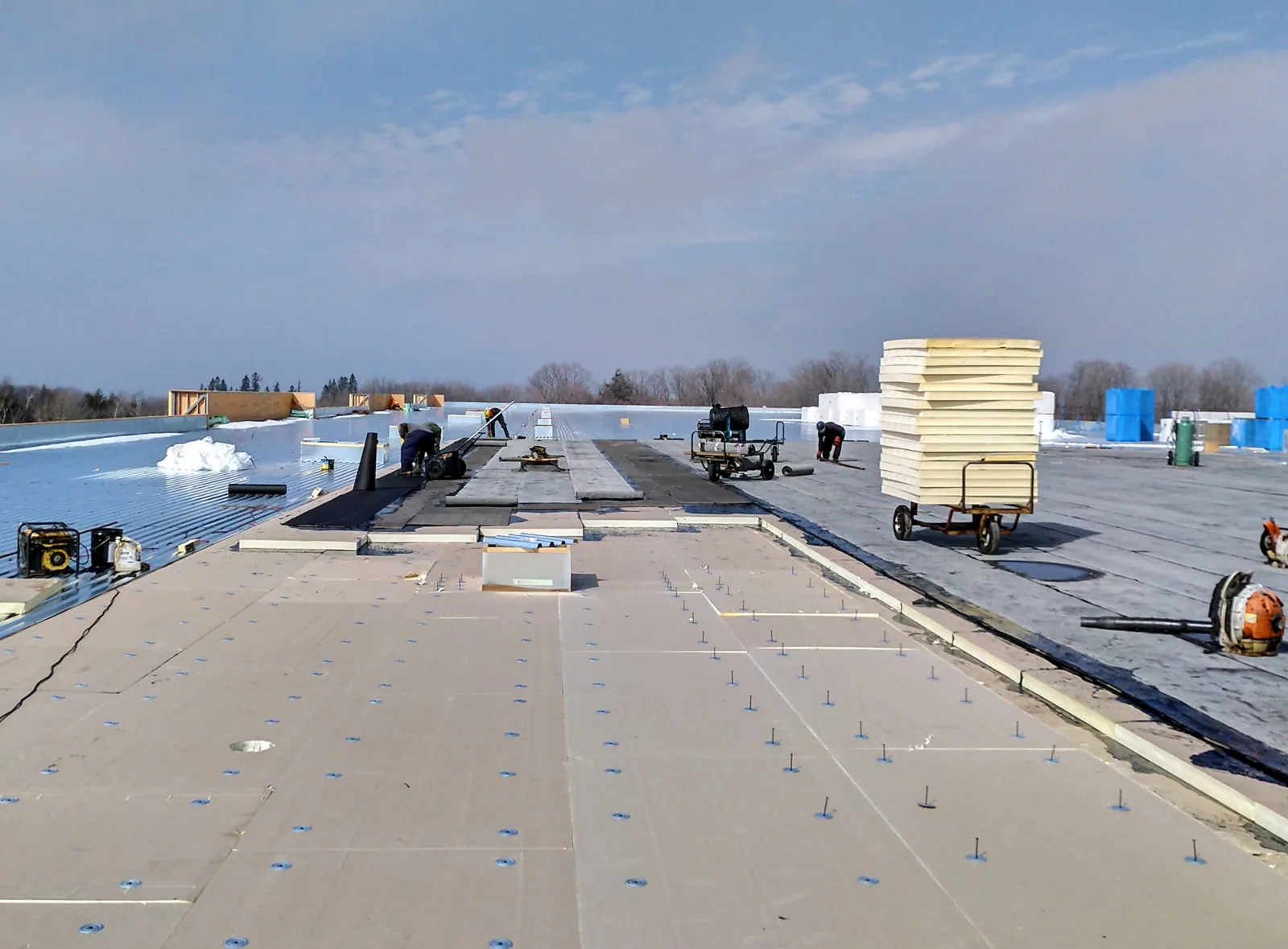
Office work starts with the occupied zone
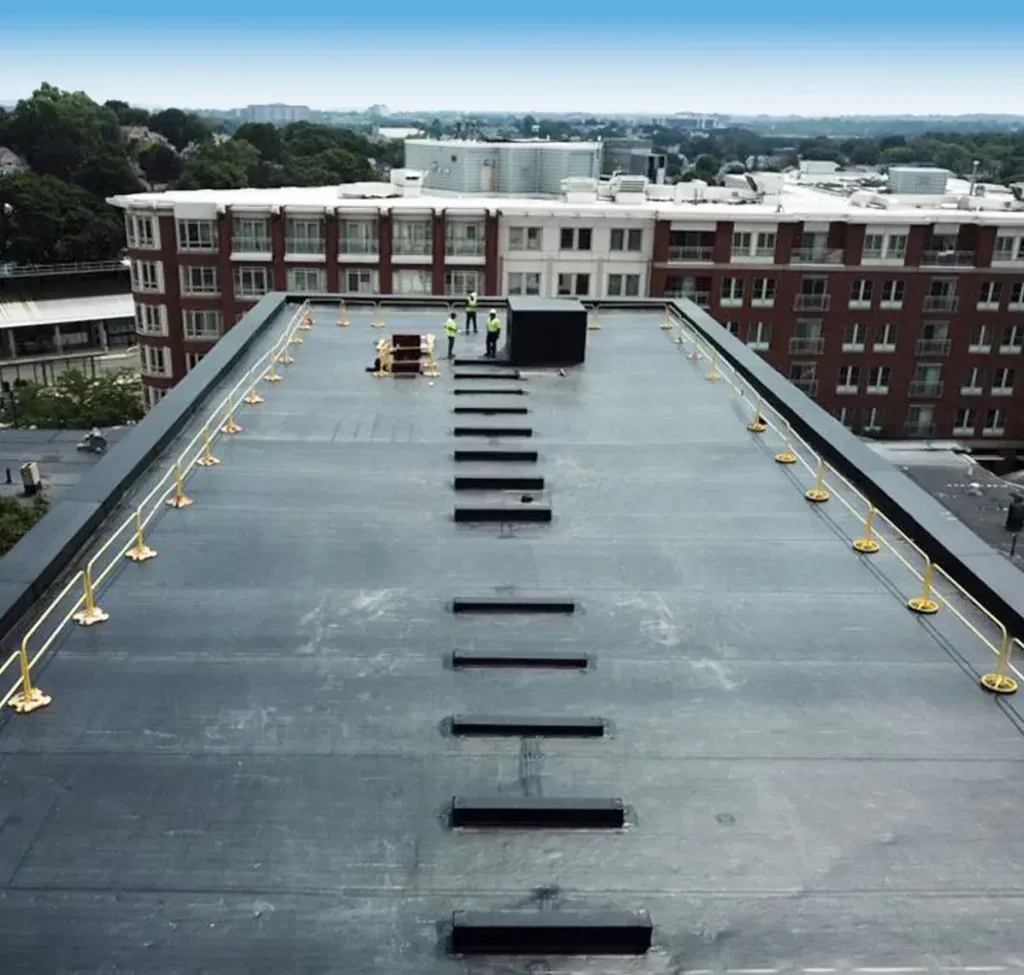
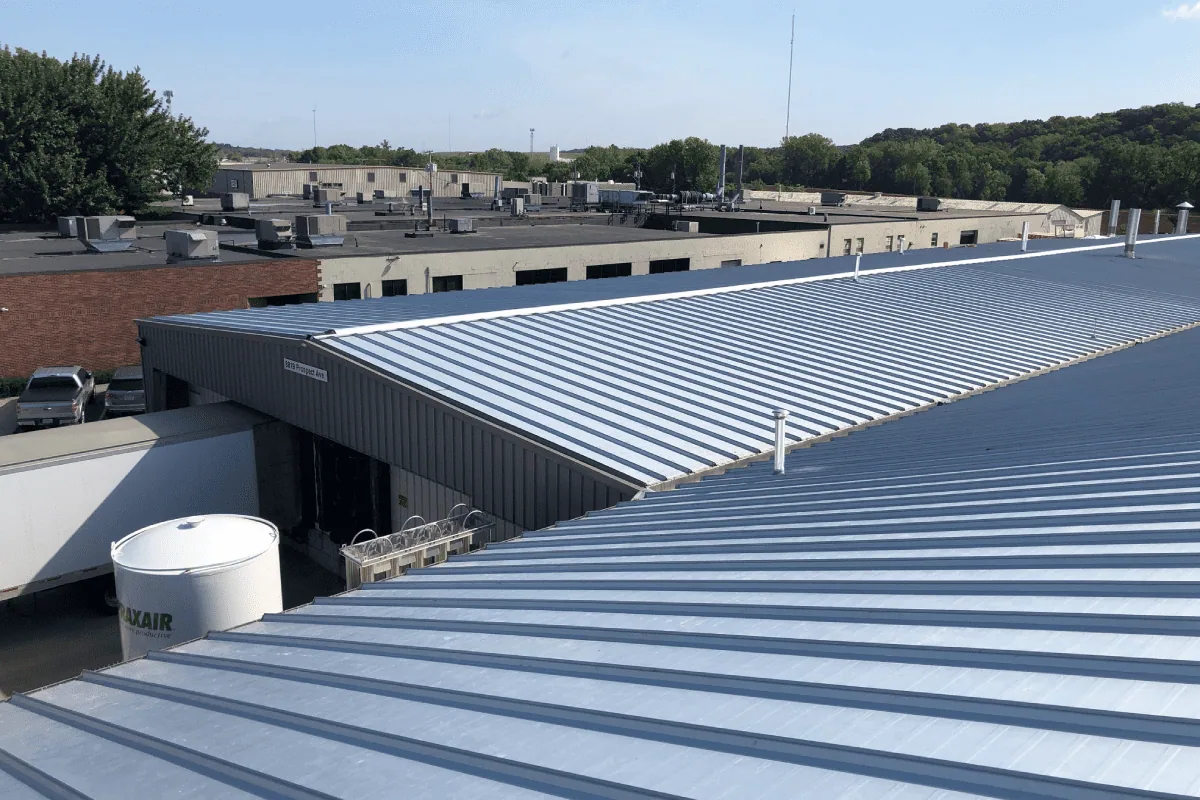
Office roofs often serve several interior tenants at once, but the access and work limits for a specific building come from its property contact. Before a visit, identify the reported room, equipment below, access route, roof hatch or ladder, and any area that must remain open. We compare the interior symptom with the roof above it, then record the membrane, seams, transitions, and penetrations we can reach. A stain alone does not tell us whether water entered directly above, traveled from a curb, or came from another building system.
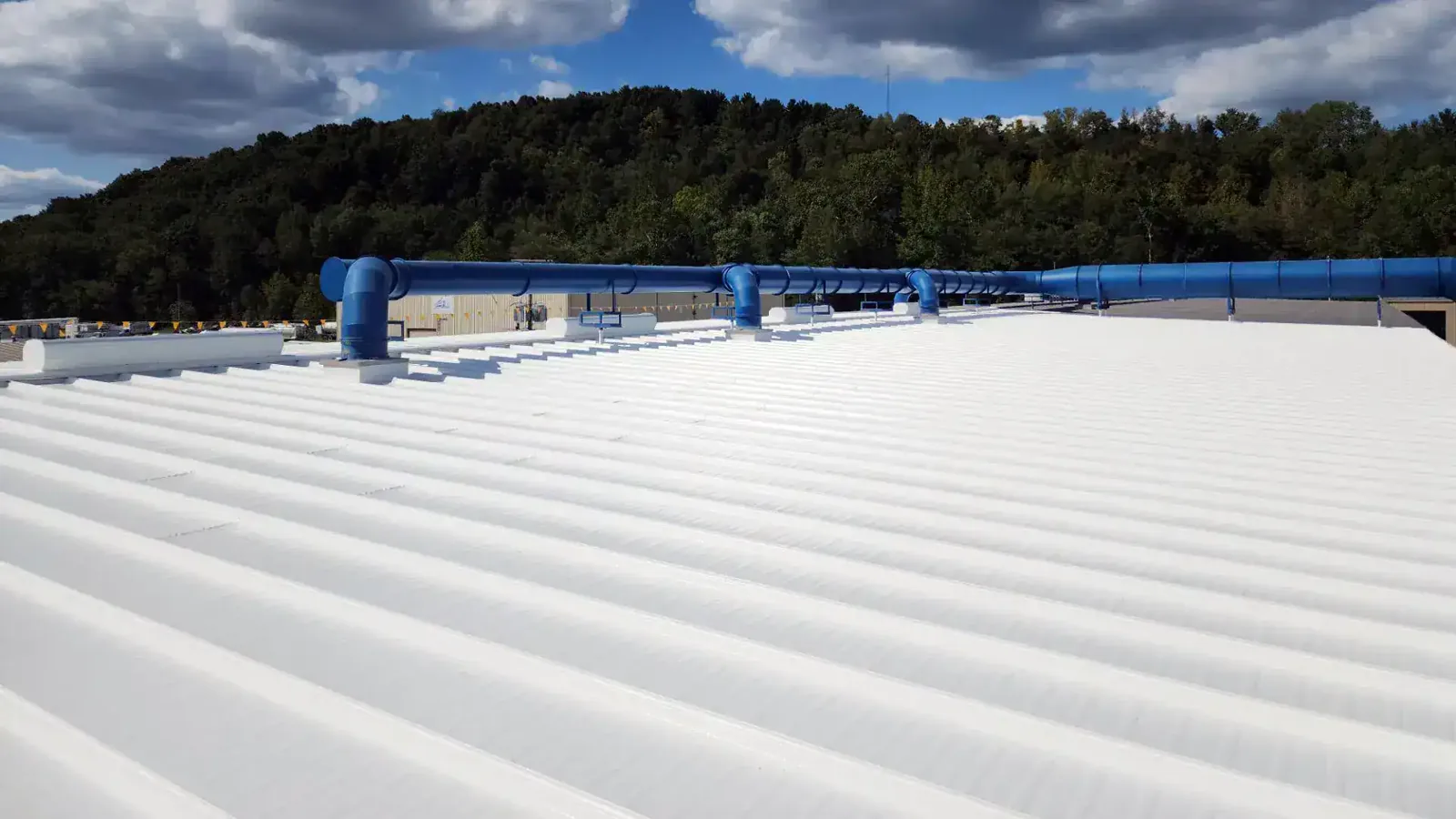
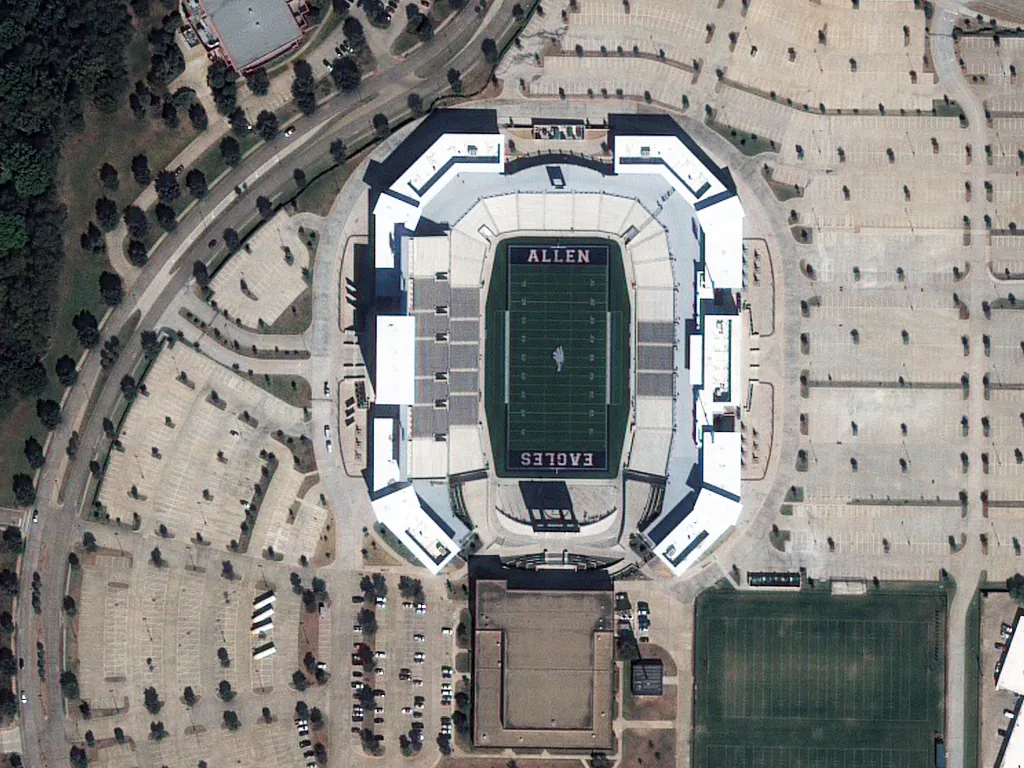
Allen's commercial pipeline includes substantial Class A office space. During expansion or tenant build-out, the owner should track every planned roof opening and who is responsible for restoring it. New conduit, pipe, exhaust, or unit work can affect flashing and support details. We coordinate the roofing boundary with the mechanical or electrical contractor and note what must be stable before a permanent tie-in. Roofing around equipment curbs and supports is completed against a settled assembly, not a connection still scheduled to move.