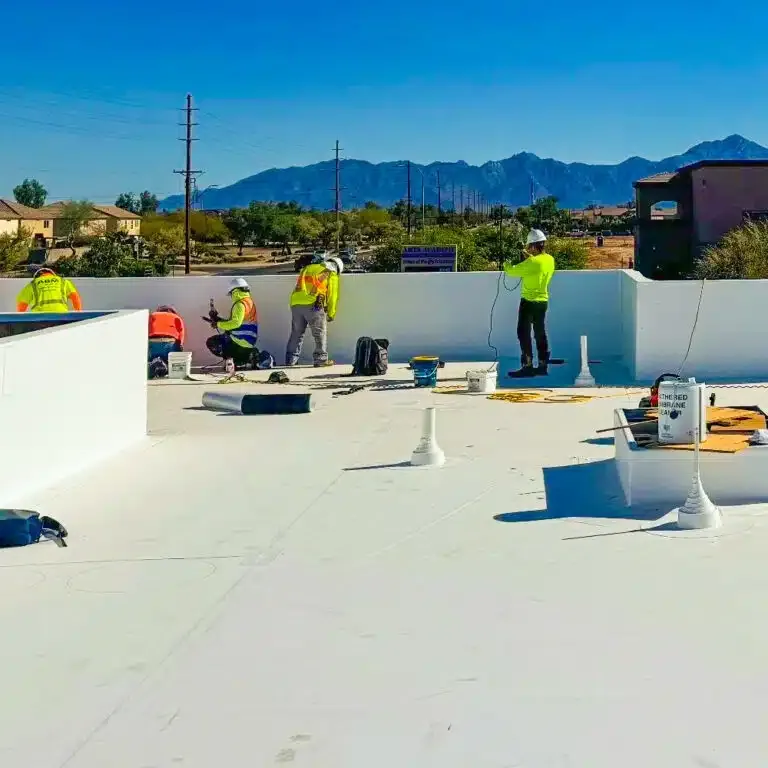

Spray Polyurethane Foam Roofing in Garland, TX

Spray Polyurethane Foam Roofing in Garland, TX

Spray Polyurethane Foam Roofing

Roof Systems

A spray polyurethane foam roof is a built-up surface whose foam shape and protective coating work together. Before proposing a new SPF application or renewal, we examine the substrate, existing foam, coating condition, penetrations and drainage. The owner needs to know whether the roof can be prepared for another system layer or whether damaged or wet areas must first be removed. A new coating cannot make unstable foam or concealed moisture disappear.

In Garland, inspect the SPF surface and protective coating before seasonal maintenance, and schedule application work around actual surface temperatures and the selected product requirements. For a Garland building near Forest/Jupiter Station or Garland High School, confirm the address, roof records and building contact. We identify the actual coating and foam system before describing its repair requirements.

What makes up an SPF roof?

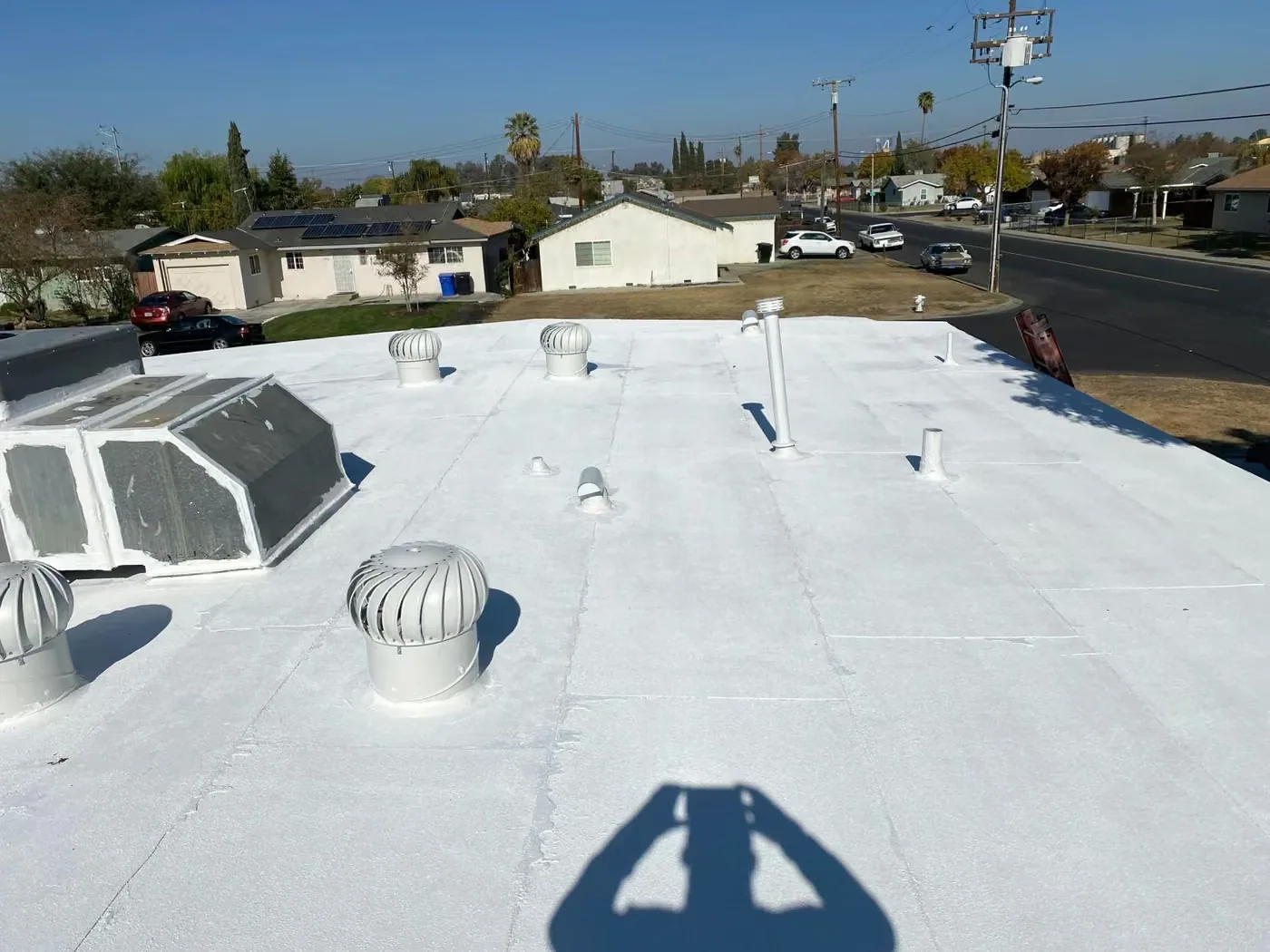
SPF roofing begins with an evaluated substrate, prepared surface and field-applied foam shaped to the design. A protective roof covering is then installed over the foam to limit exposure to ultraviolet radiation, weather and routine surface wear. The coating is part of the roofing system, not an optional finish that can be selected independently of the foam and project detail. We identify the system layers and product instructions before estimating application or renewal.

An SPF installation requires substrate evaluation and preparation, specified foam placement and a compatible protective covering. The exact foam chemistry, lift thickness, coating type, application conditions and details are system-specific. We follow the selected assembly’s instructions for its own materials and details. A silicone coating or acrylic coating may be part of a selected SPF system only when its documentation allows that use.
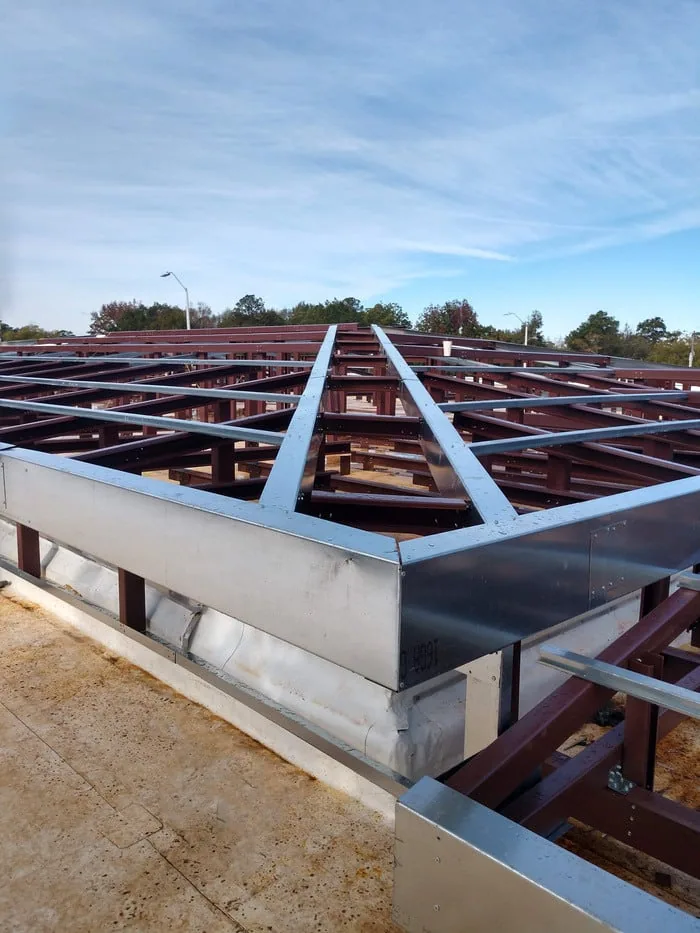
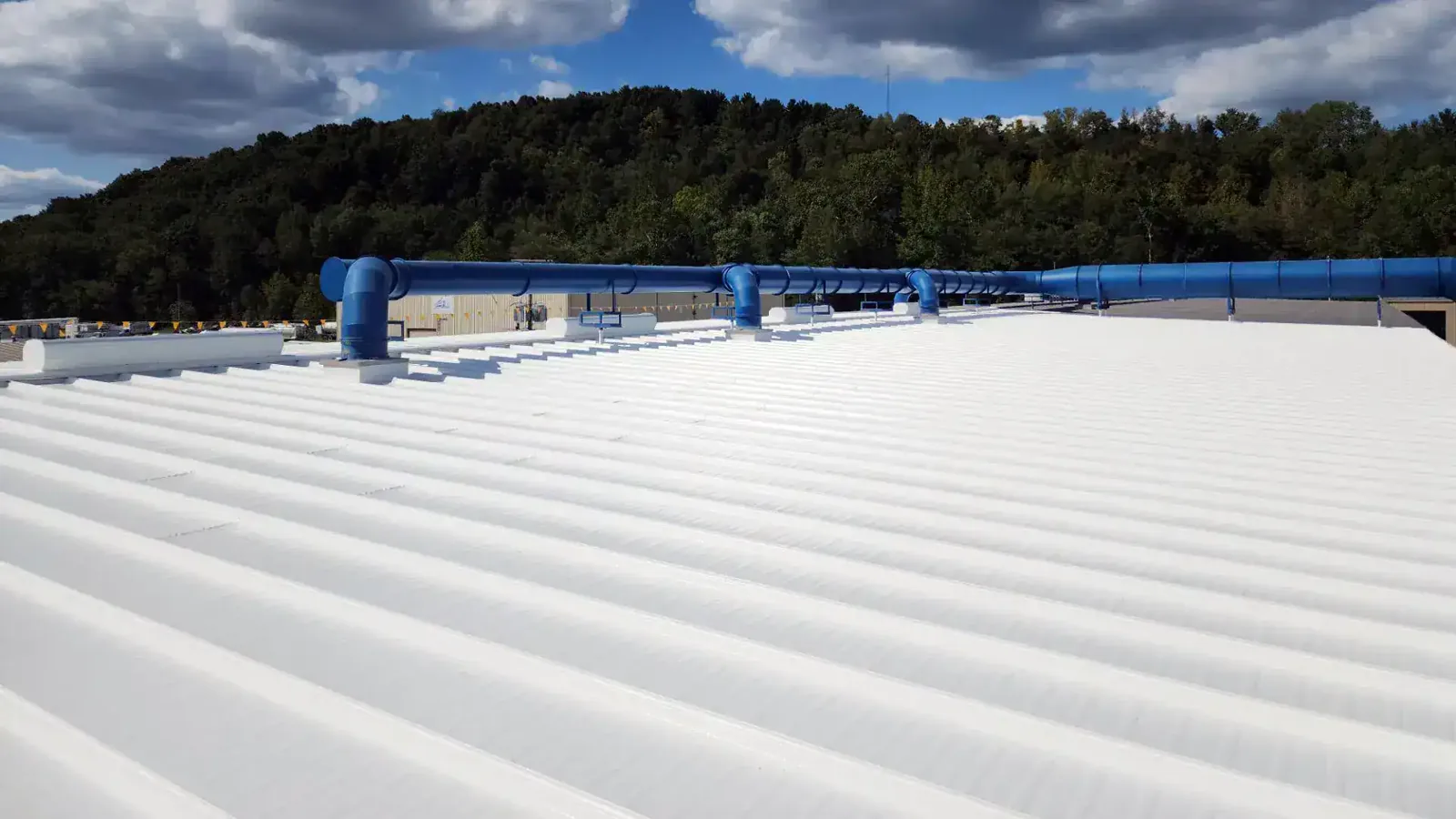
Spray Polyurethane Foam Roofing in Garland, TX

How do we assess foam and coating condition?

Inspect for coating wear, exposed foam, blisters, punctures, soft areas, cracks, separated flashing, prior patches and surface debris. Map each finding and distinguish coating damage from damage to the foam below. A dent or thin top coat can call for a different correction than wet or fractured foam. If the substrate or lower layers cannot be seen, the record states that limitation and identifies any opening or testing needed before removal is priced.

Roof evaluation, maintenance and damage repair each require attention to the selected SPF system. We assess whether a repair can remain local or needs foam removal and rebuilding. A roof inspection can record accessible observations, and an infrared survey may help direct confirmation when conditions support it. Thermal patterns do not prove wet foam without a suitable follow-up check.

SPF surfaces can lose protection first at places where people walk, equipment is serviced or drainage concentrates. Note traffic paths, loose aggregate, punctures, surface checking and thin coating separately; each may have a different correction. If hail or wind is reported, inspect for coating breaks and dents without assuming their age or cause. An exposed foam area should be protected and restored with components allowed by the roof system documentation.

Probe blisters, soft areas, and exposed foam to distinguish a coating defect from deeper loss of adhesion or wet substrate. Repairs should remove unsound foam to a stable edge, rebuild the slope where the approved detail requires it, and restore the protective coating over prepared material. At drains and penetrations, check that the foam remains shaped to move water away from the detail. Record the repair boundary and coating date so a later inspection can compare weathering and surface condition at the same locations.

Spray Polyurethane Foam Roofing in Garland, TX

How should drainage and penetrations be handled?

Foam can be shaped to create a drainage profile, but the finished roof still needs clear outlets and transitions that shed water. Check crickets, drains, scuppers, wall edges and equipment curbs for low spots, blocked routes or details that have separated. HVAC condensate should have a defined route that does not leave water discharging onto an unprotected foam surface. Correcting a surface profile does not by itself fix a blocked downspout or structural deflection.

Manufacturer instructions specify how the selected SPF system treats drains, curbs, pipes and skylights. We identify the product and its details before naming a repair method. If an outlet is defective, drain and scupper work can be separated from foam repair; equipment curb work may require a mechanical handoff. Protect any foam opened during investigation and close it with the compatible system materials.

At a transition between old and new foam, confirm how the repair bonds to the adjacent profile and how the protective layer returns across it. The chosen system detail should show the foam contour, coating termination and reinforcement if required. Photograph the surface before it is covered and identify any adjacent foam left in place, so later maintenance can tell what was renewed and what was retained.

When can an SPF roof be renewed?

A recover or recoat decision follows the condition of the coating and the foam beneath it. The project may need cleaning, local foam replacement, detail repair and a new specified protective layer. Widespread wet or damaged foam can require removal beyond the visible coating defect. We identify areas for repair, areas suitable to remain and any unverified boundary. The owner should see which preparation and material quantities are included before work begins.

Maintenance and recoating requirements depend on the specific SPF roof and selected coating system. We do not promise a coating life or warranty term without the actual documents. Compare recoat with a coating restoration scope or replacement when the foam or substrate condition warrants a wider decision. A condition report can keep before-and-after photographs tied to the same roof zones.

A maintenance file should locate each repair, list the coating product when known and record any section that remains unverified. Foam damage and coating wear are different conditions, so a maintenance file should distinguish the two. We can arrange a return examination after another trade finishes equipment work, then compare the repaired surface with the adjacent field. That comparison helps the owner see whether the repair boundary stayed local or expanded.

Spray Polyurethane Foam Roofing in Garland, TX

What changes the SPF installation plan?

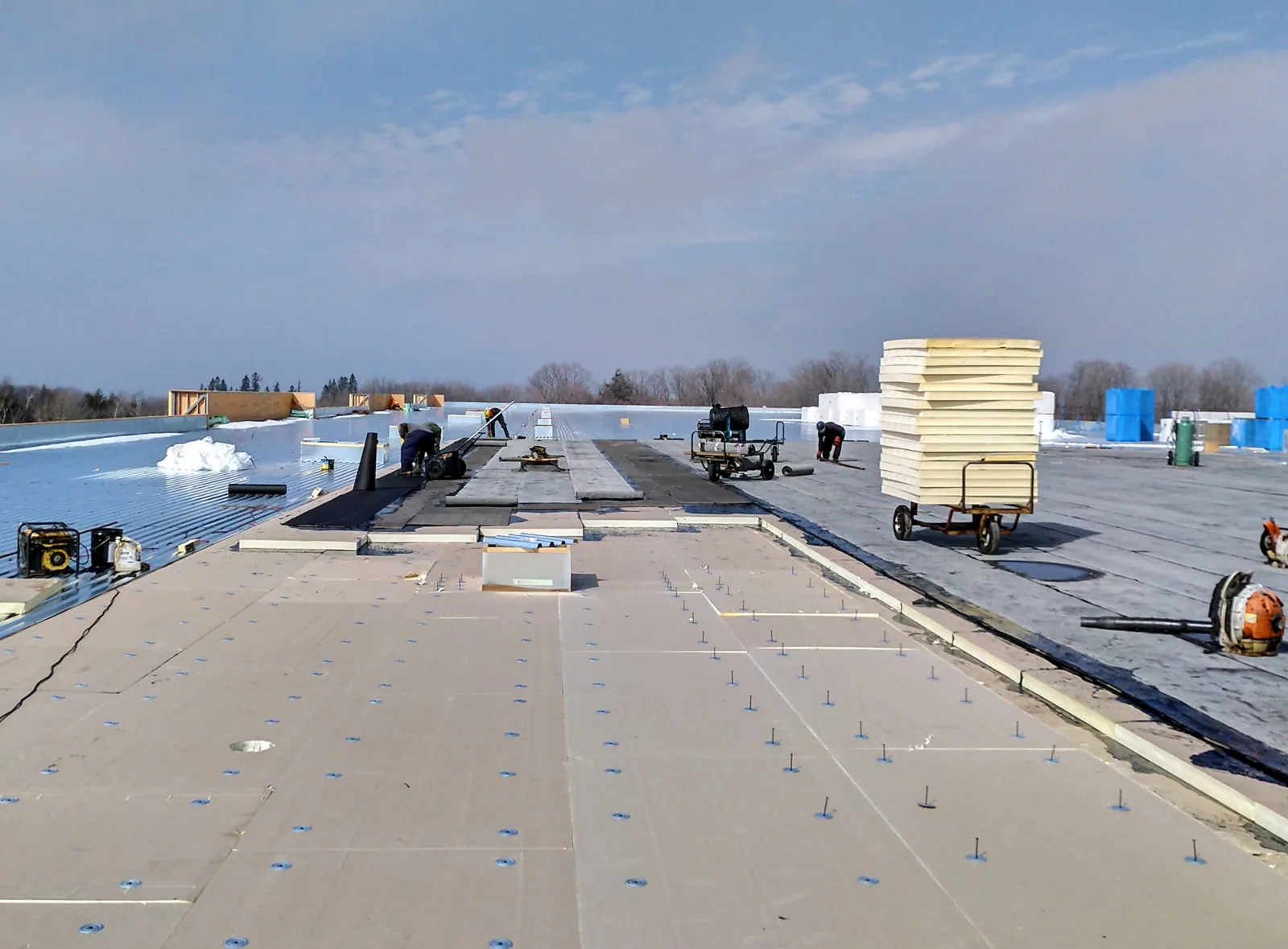
The substrate type, surface preparation, removal needs, foam profile, coating components, penetrations and weather limitations affect work quantity and timing. Application requires trained handling of plural-component materials and controlled jobsite conditions; the actual manufacturer instructions and safety data govern the work. We plan a sequence that protects adjacent equipment and occupied areas, confirms ventilation and access arrangements with the building contact, and keeps exposed work within a boundary that can be closed safely.

A property near Downtown Garland Station still requires a site-specific access and staging plan. Confirm roof access, equipment clearances and occupied-area protections with the property contact before planning SPF work. If water is entering now, identify the interior impact and roof location; a temporary measure can be evaluated separately from later foam repair, which depends on dry, prepared substrate. Planned maintenance can record coating wear and exposed foam for later owner review.

Spray Polyurethane Foam Roofing in Garland, TX

Common Questions

Can a new coating cover damaged SPF?

Not without evaluating the foam and substrate. Exposed, wet or unstable foam may need removal and replacement before the specified protective coating is applied.

Does SPF roofing use the same coating on every project?

The foam supplier and selected roof system determine compatible protective coating, preparation, thickness and application conditions.

Can infrared confirm wet foam?

Infrared patterns may direct follow-up, but they do not prove concealed moisture by themselves. We state what confirmation is needed before changing the repair boundary.

How should I prepare for an SPF roof assessment?

Provide roof records, coating product information, repair history, known leak locations, property address and building contact. Include any access or occupied-area restrictions.

Spray Polyurethane Foam Roofing in Garland, TX

Inspect the foam and protective layer together

Share the Garland property address, reported concern, roof records and building contact. We can examine the foam and coating as one assembly and identify the repair, renewal or replacement scope supported by the findings.

Call 555-555-5555 or request a roof assessment.

Questions About Your Roof?

ServicesRoof SystemsProperty TypesIndustriesService AreasDamage RepairCapabilitiesManufacturersAboutRequest a Roof Assessment555-555-5555
Call us today555-555-5555