Acrylic Roof Coatings in Garland, TX

Acrylic Roof Coatings in Garland, TX

Acrylic Roof Coatings

Roof Systems

An acrylic coating proposal starts with the roof condition, not a pail of top coat. We inspect the existing assembly, prior coatings, seams, penetrations and drainage, then determine whether the selected acrylic system allows that substrate. Some acrylic product data sheets require positive drainage and a clean, dry surface; requirements differ by product and system. The owner should receive a scope that names the actual preparation, repairs and coating components proposed.

In the Garland area, summer heat and changing winter temperatures can narrow application windows. Set coating work from actual roof-surface conditions, product requirements and the property access plan. If the building is near Downtown Garland Station or Firewheel Town Center, the landmark helps locate the request, but inspection records and the street address establish the project.

What does an acrylic coating system include?

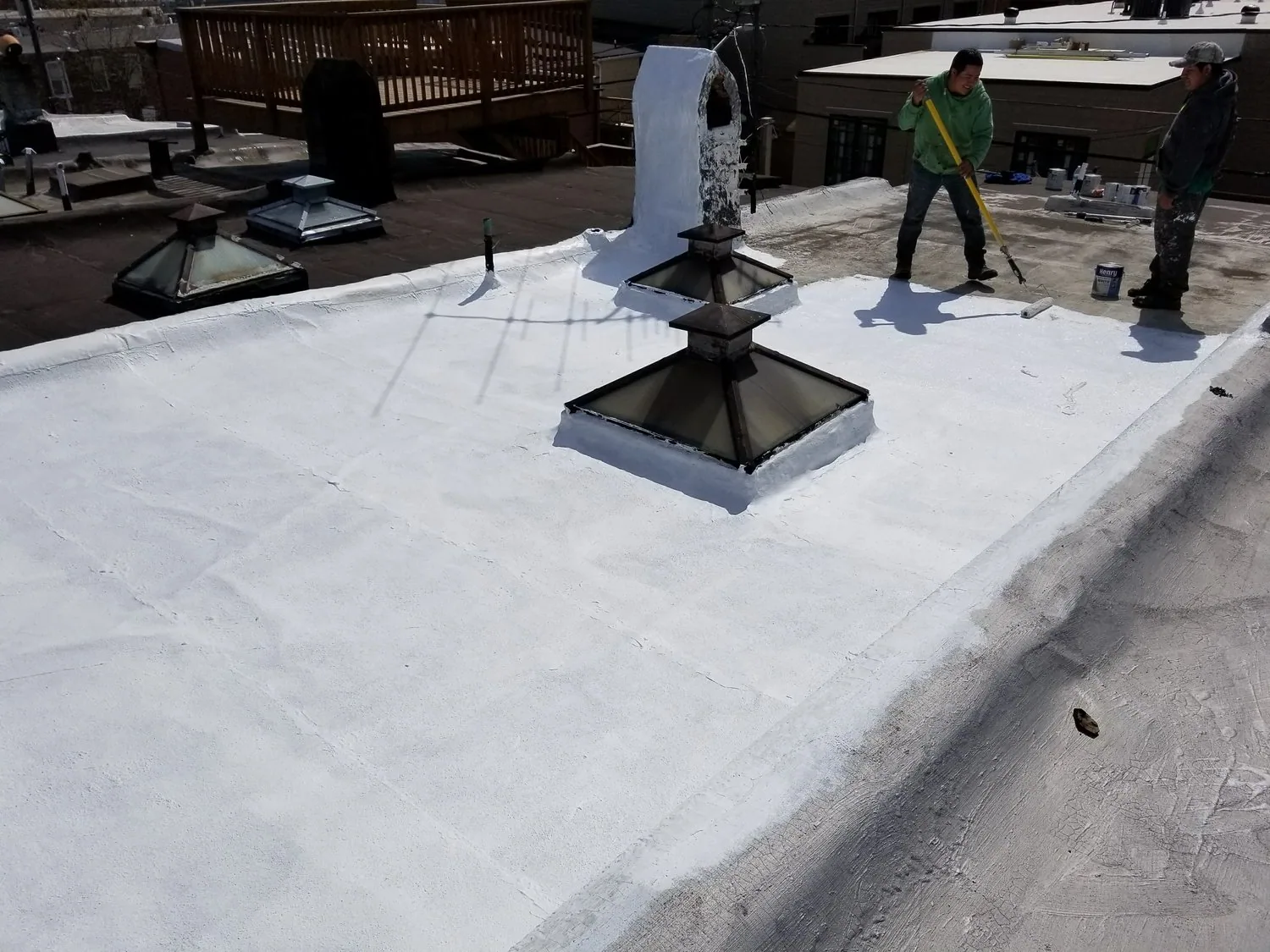
A complete liquid-applied system may include surface cleaning, primer or base coat, reinforcement at details and a top coat. Use compatible primer, reinforcement, base coat and finish coat as a single specified system. We identify those components instead of describing a single top coat as the whole roof system. Substrate, application rate, cure conditions and required test patches are product-specific; a system used on one roof type cannot be assumed suitable for another.

For GAF Acrylic Top Coat, confirm approved substrates, positive drainage, surface preparation, detail repairs and adhesion testing in the current product instructions. Other acrylic systems can have different requirements, so identify the specified product before setting preparation and application steps. When SPF is the substrate, review the coating in context of the SPF roof system and its protective-layer requirements. A coating restoration evaluation should record the exact existing layer and proposed system, while silicone coating remains a separate chemistry with separate requirements.
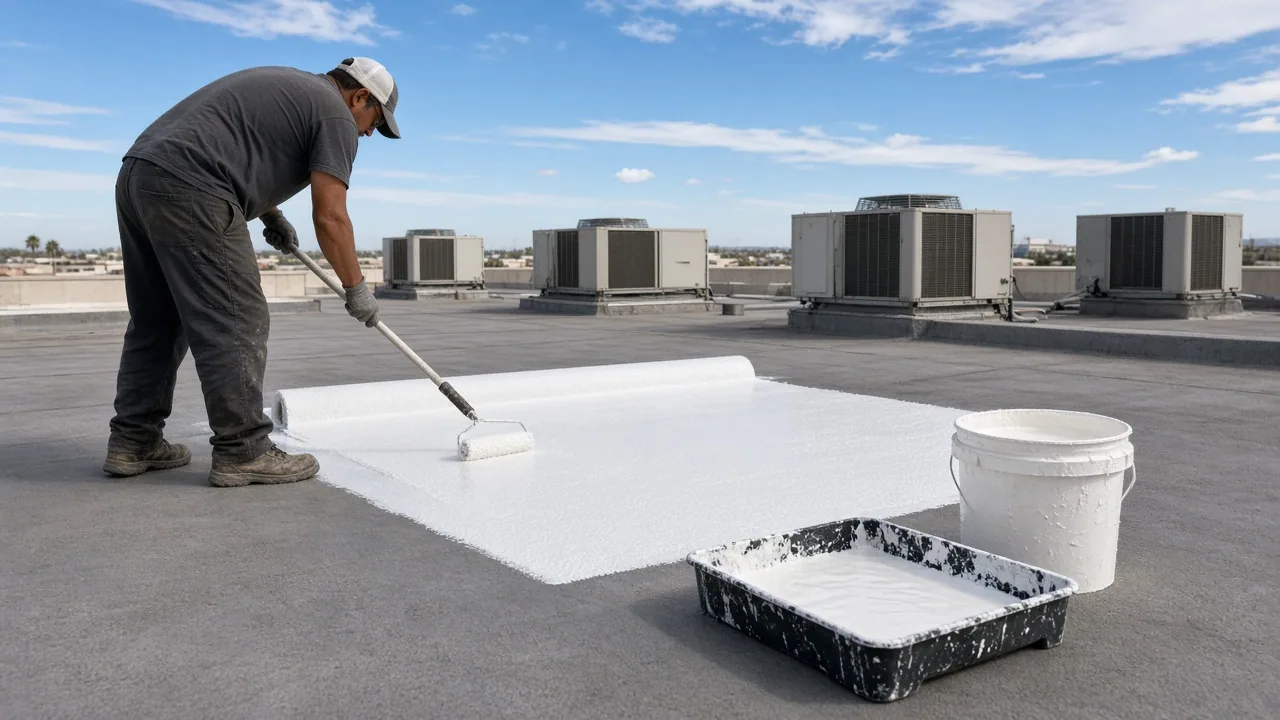
Acrylic Roof Coatings in Garland, TX

Is the existing surface ready for coating?

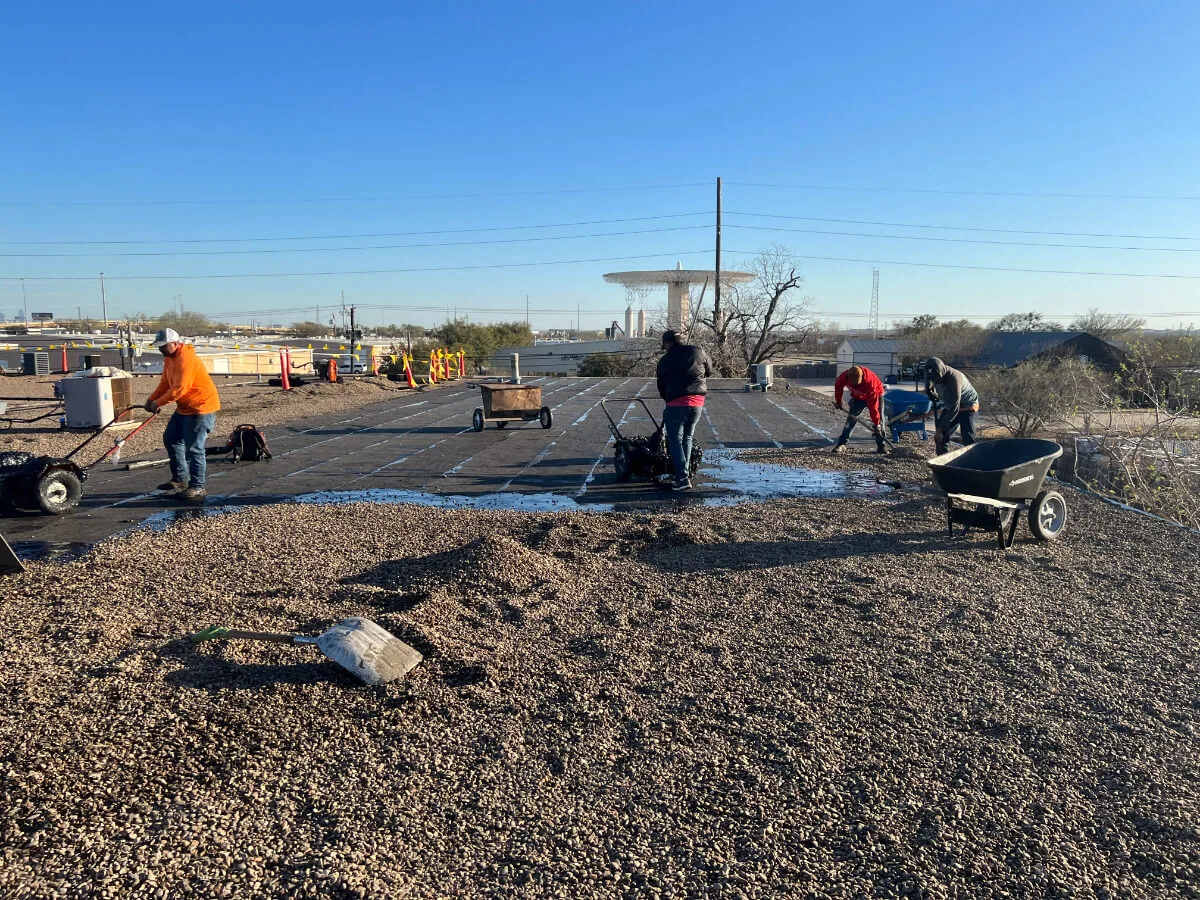
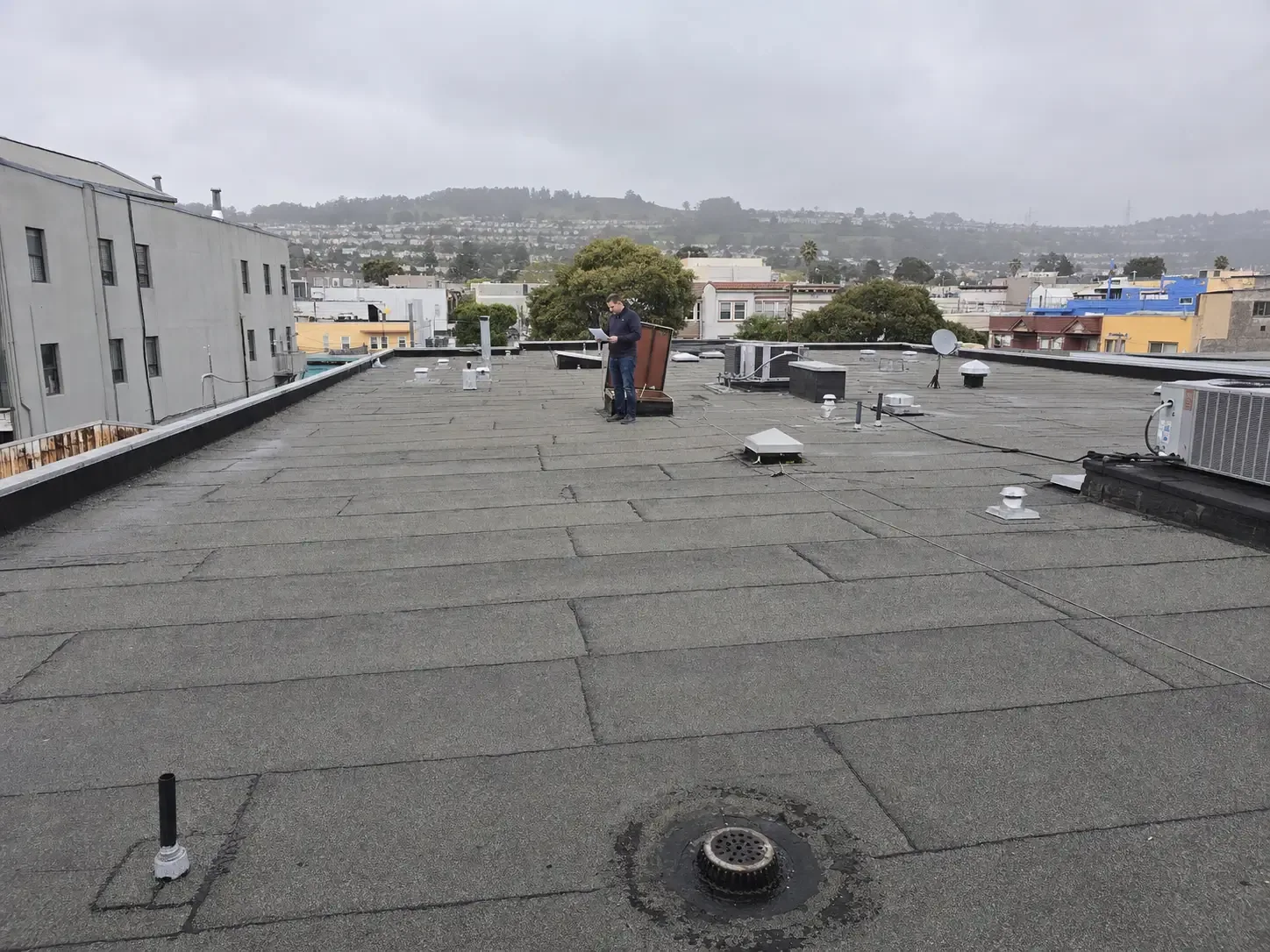
Inspect the field, seams, penetrations, curbs, drains and perimeters for loose material, blisters, ponding, contamination, prior repair products and evidence of moisture below the surface. A coating should not conceal a wet or unstable assembly. The owner may need a test patch to evaluate adhesion or a test opening to check concealed layers. If the roof zones differ, document those differences rather than assuming one preparation process will fit the entire building.

The product instructions define compatible substrates and preparation; confirm them for the material actually selected. Where wet areas or failed details are found, plan repair before application. An infrared survey can identify thermal patterns that may help select test locations, then confirm suspected moisture with an appropriate test opening before setting removal quantities. A close roof inspection can locate seams and terminations, while an approved opening confirms what lies beneath.

Water-based acrylic coatings also have work-window constraints. The selected data sheet may specify minimum surface and air temperatures, a rain-free cure period, coat limits and drying conditions. Garland summer heat does not ensure that the surface is within a product’s application range; verify actual conditions at the roof. A coating applied outside instructions can fail before the owner has a useful closeout record, so schedule around measured conditions and manufacturer requirements.

Acrylic Roof Coatings in Garland, TX

How should the project address standing water?

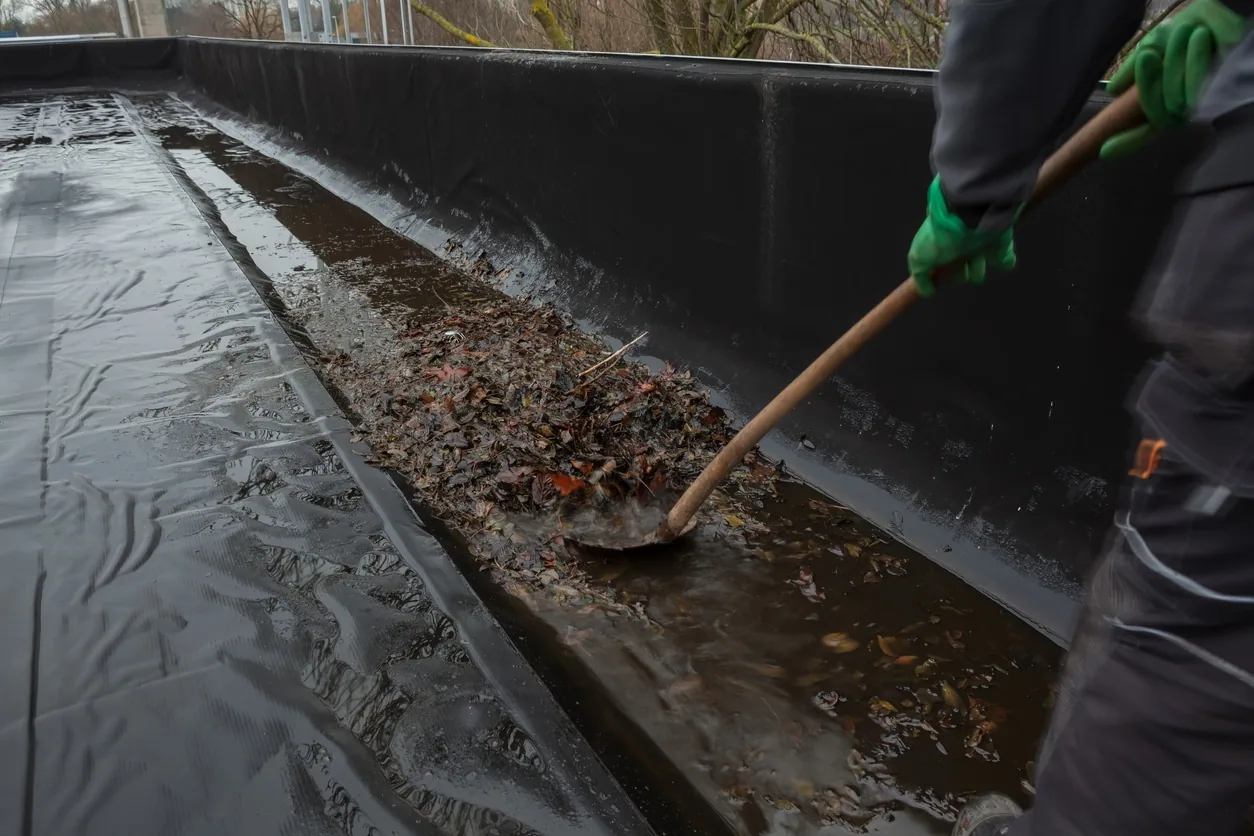
Standing water can be a problem for some acrylic systems and should be evaluated before a coating is specified. Identify the cause, outlets, remaining low areas and any condensate that discharges onto the roof. Do not assume a new surface will correct poor slope, clogged drains or structural deflection. The selected manufacturer may require positive drainage or provide a narrow product-specific detail for defined conditions; use its current instructions and project design.

Positive drainage is required for GAF Acrylic Top Coat; check the selected product’s current requirements before including a coating alternate. The coating plan should distinguish roof-surface repair from drain, plumbing or structural work. Consider ponding-water repair and drainage inspection where the observed condition requires them. If an alternative coating family is considered, silicone system requirements also need to be reviewed independently.

What detail work must precede the top coat?

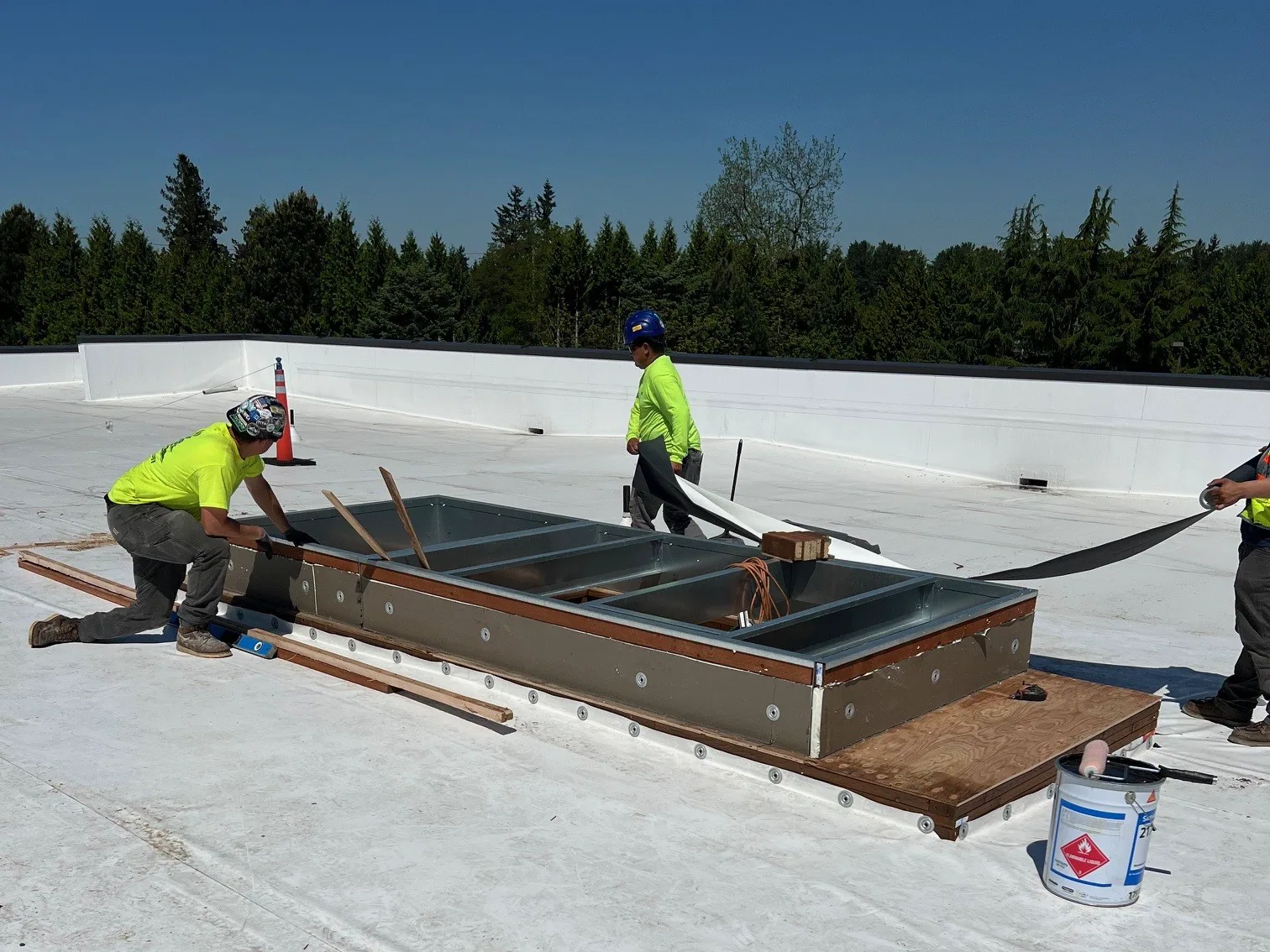
Acrylic coating work at seams, penetrations, curbs and edges may require specified fabric, flashing-grade material or a base layer. Identify every detail, repair the component that failed and follow the selected system’s application sequence. Surface coating does not secure a loose fastener, replace corroded metal or repair wet insulation. The proposal should say which details receive reinforcement and which require a separate roofing, mechanical or sheet-metal correction.

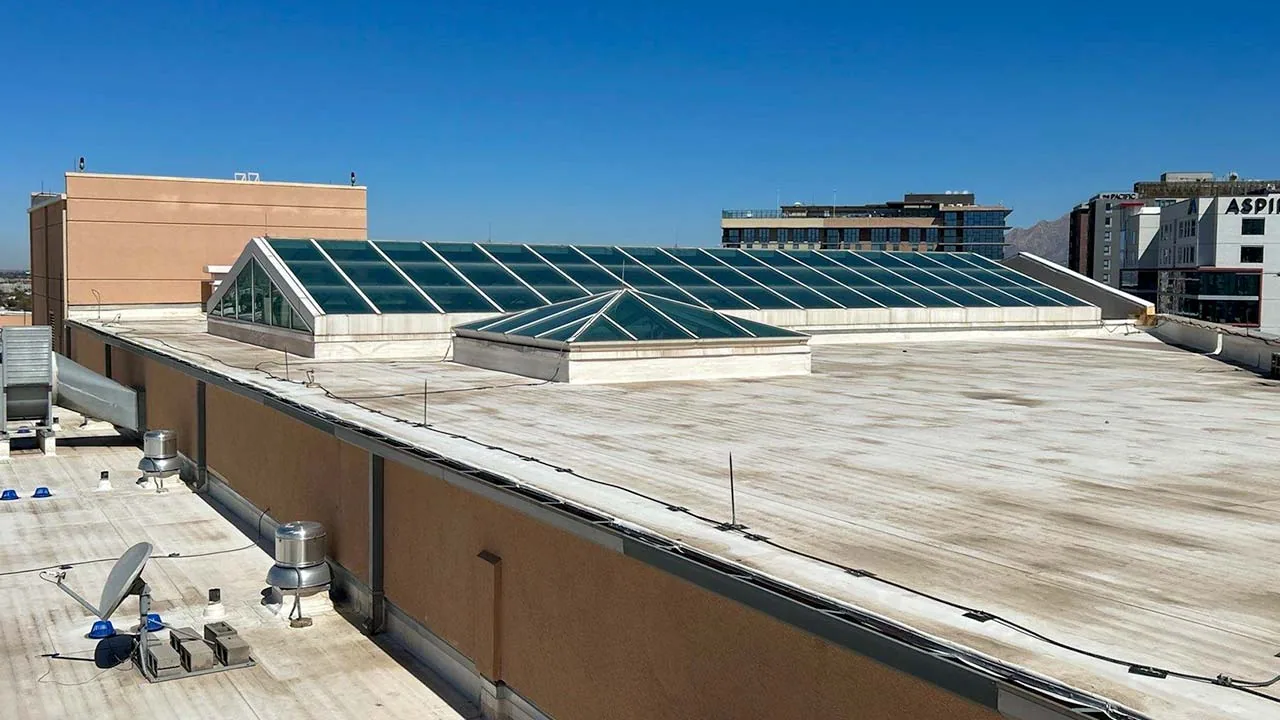
Coordinate drains, skylights, unit curbs and wall transitions before applying the field layer. If a curb or roof penetration will be changed by another trade, make that change first and inspect the finished interface. Skylight or curb changes should be scoped by the component and coordinated with the responsible trade. Keep material quantities and exclusions visible so a coating scope does not imply repairs to details that were never included.

The owner should compare the proposed coating with the maintenance burden and performance goal of the existing assembly. A coating layer does not add structural capacity or correct a failed deck, and reflective properties do not substitute for adequate insulation or ventilation. Where the roof is eligible, compare the system’s actual specification and future inspection needs with repair or replacement. Record the selected products and exclusions so a later contractor does not assume a generic acrylic layer is compatible.

Fabric or reinforcement belongs at the transitions named in the system design, not as a substitute for repairing loose flashing or unstable membrane. Build the detail at drains, corners, wall terminations, and penetrations before coating the open field. Confirm that water can leave the roof and that the surface has dried after cleaning or a previous application. Mark hold points where adhesion or moisture tests must pass before the next coat. This keeps the selected system tied to prepared substrate and sound details.

Acrylic Roof Coatings in Garland, TX

When does an acrylic coating fit the owner’s plan?

A coating can be evaluated when the existing roof is stable, the product supports the substrate and the preparation and drainage requirements can be met. Local repair or replacement may fit better where moisture, delamination or widespread failure is present. Compare the area prepared, details rebuilt, coats specified, access needs and closeout checks. Do not rely on a generic energy or service-life claim in place of product information and the roof’s documented condition.

Garland’s hot summers make roof reflectance a relevant design consideration; evaluate any energy objective against the building, selected assembly and project requirements. A cool-roof assessment can compare surface properties with the owner’s broader objective. For a property near Forest/Jupiter Station, use the address and roof records to define the survey. If restoration is not supported, compare repair with replacement based on the defects and assembly confirmed.

Acrylic Roof Coatings in Garland, TX

Common Questions

Can acrylic coating go over an existing roof?

Only when the selected product supports the actual substrate and the roof meets preparation requirements. Moisture, unstable material, poor drainage or incompatible prior layers can change the decision.

What should be confirmed before coating a roof with ponding?

For GAF Acrylic Top Coat, verify the product’s current drainage requirements. Identify why water remains and confirm the selected system allows the proposed detail before including coating work.

Will one top coat repair seams and penetrations?

One top coat cannot resolve every seam or penetration defect. The specified system may require separate detail treatment, reinforcement or repair before field coats, and we list those tasks in the scope.

What should the owner see before approving the work?

A clear scope identifies the existing substrate, preparation, repairs, system components, application conditions, excluded areas and required inspection or adhesion checks.

Acrylic Roof Coatings in Garland, TX

Verify the acrylic system against the roof

Send the Garland address, existing roof and coating records, reported concern and building contact. We can inspect drainage and substrate conditions, then explain the preparation and repair needed before an acrylic system is considered.

Call 555-555-5555 or request a roof assessment.

Questions About Your Roof?

ServicesRoof SystemsProperty TypesIndustriesService AreasDamage RepairCapabilitiesManufacturersAboutRequest a Roof Assessment555-555-5555
Call us today555-555-5555