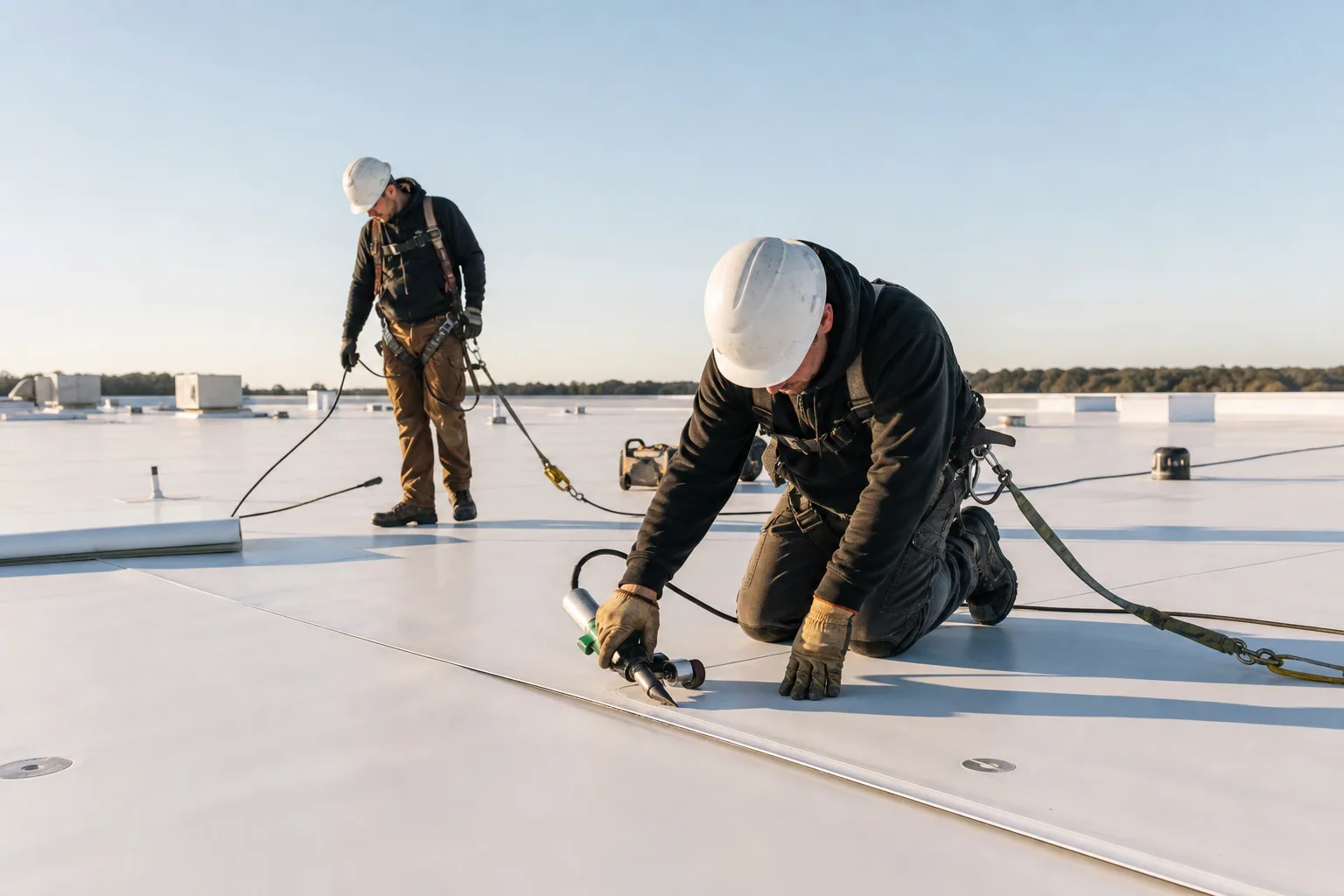
What can the visible construction tell us?
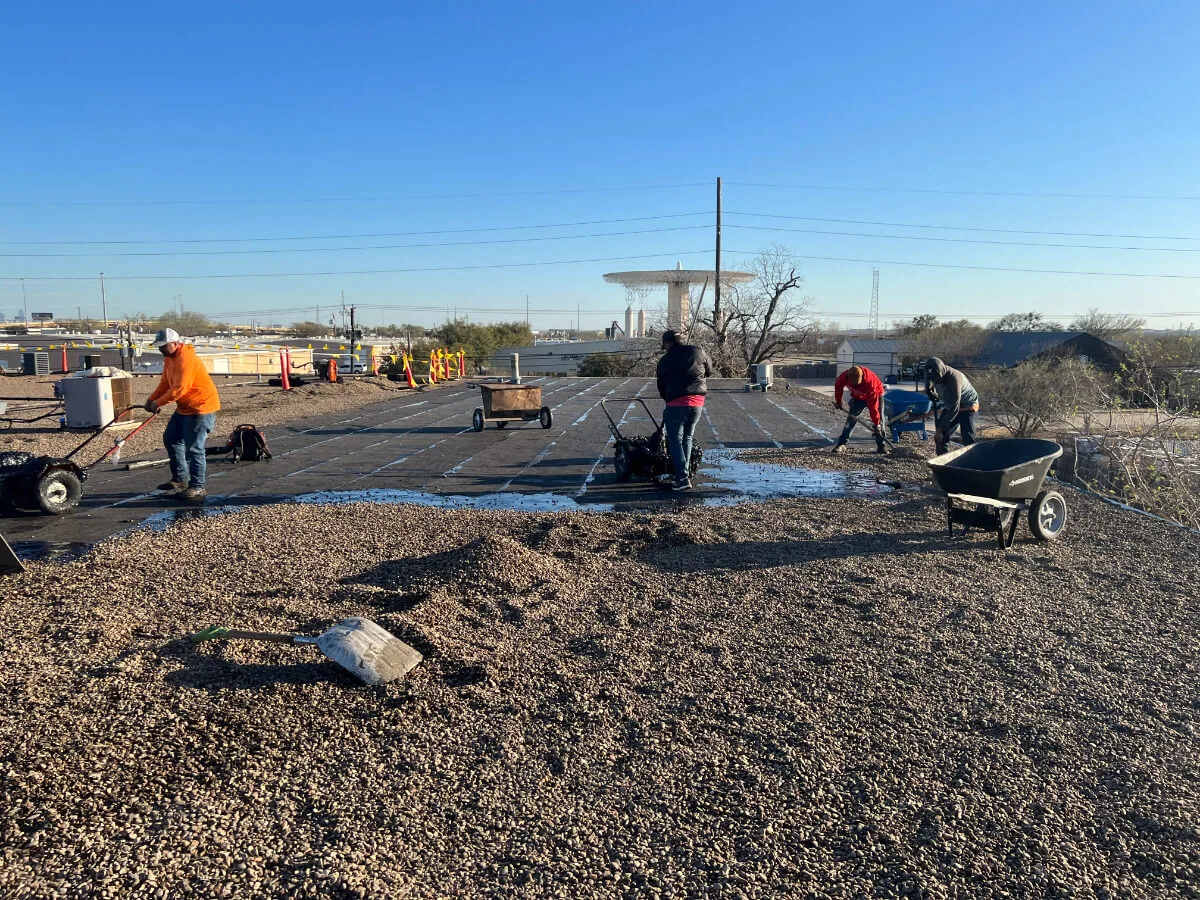
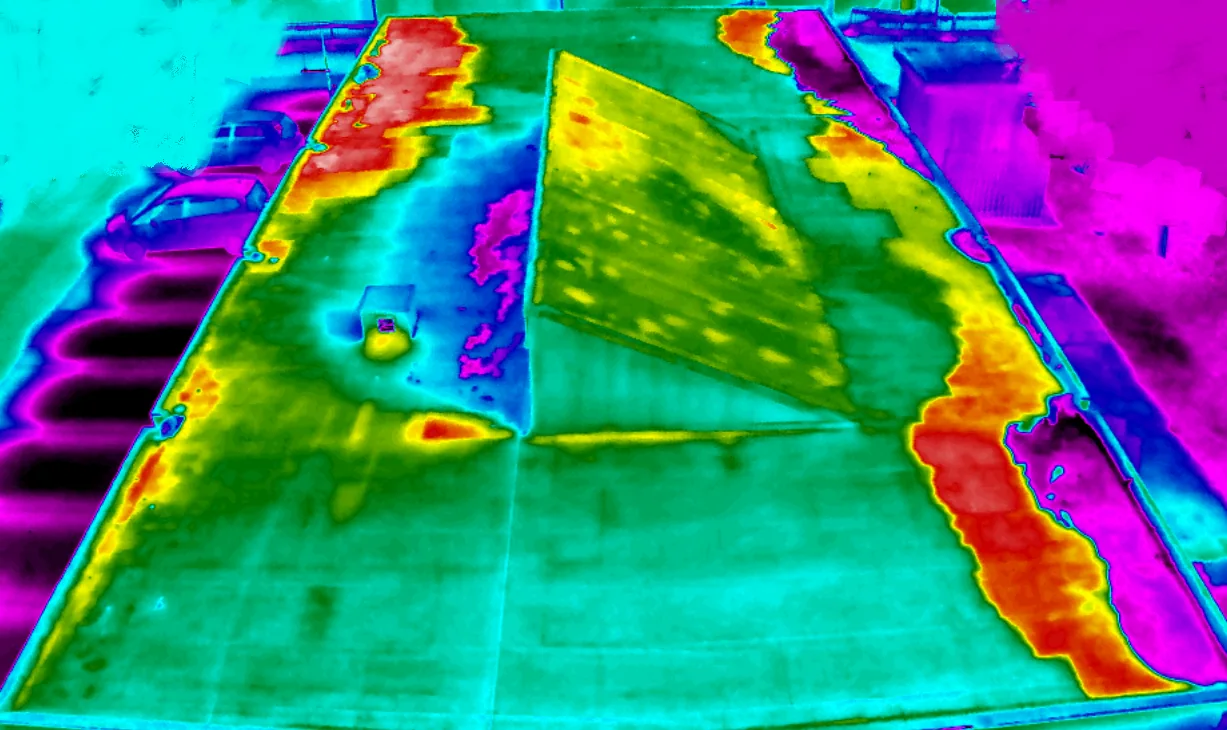
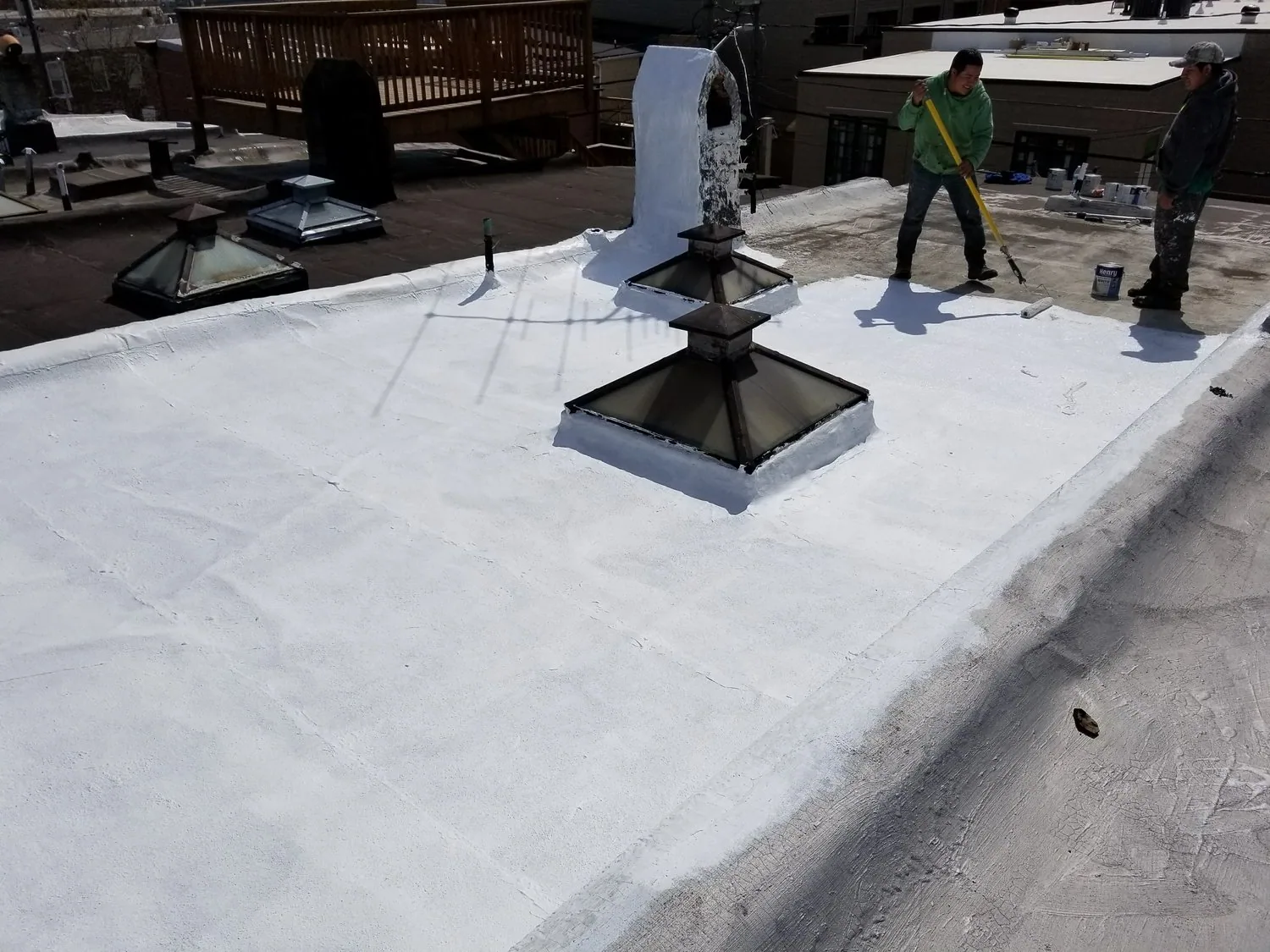
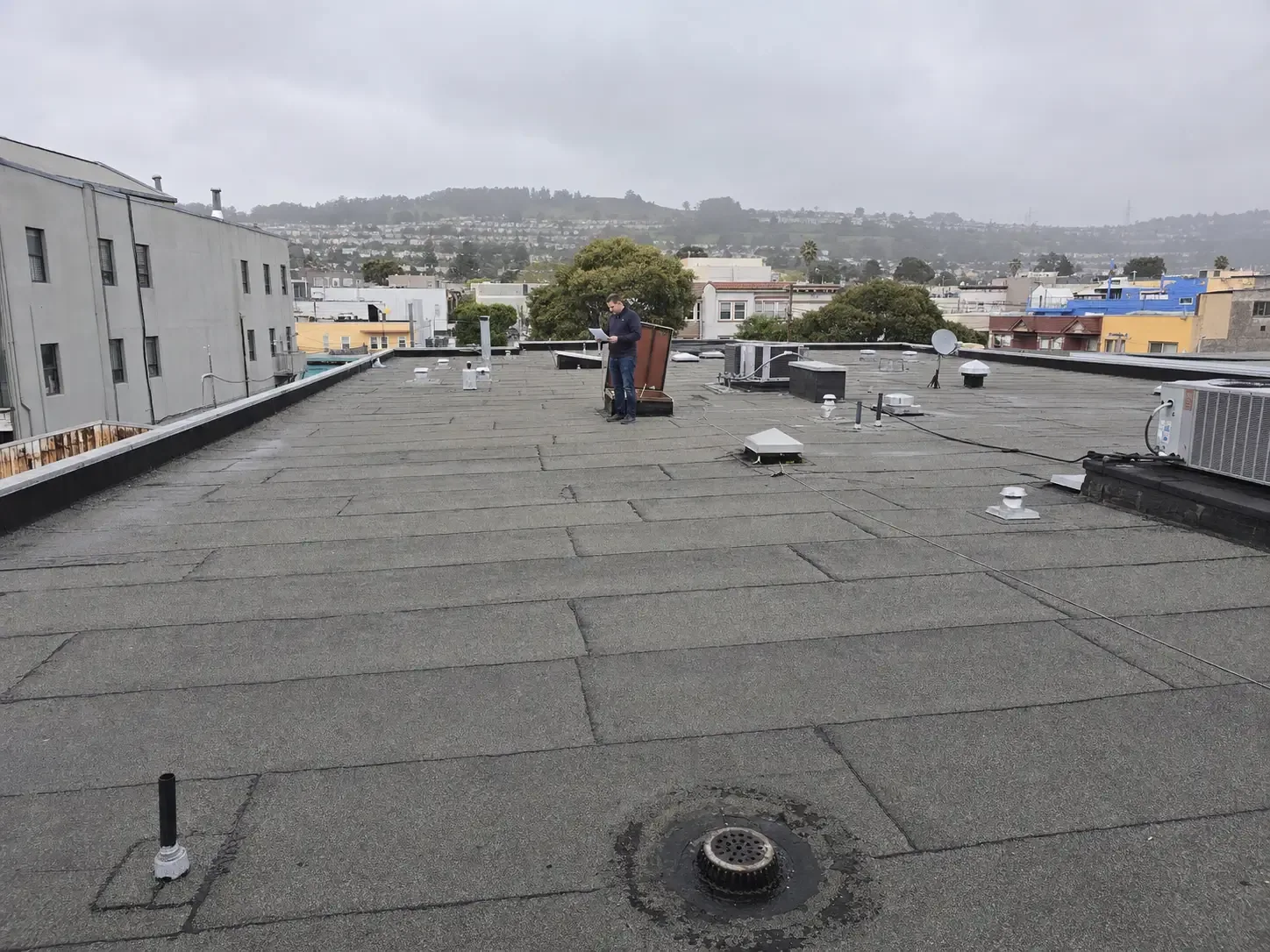
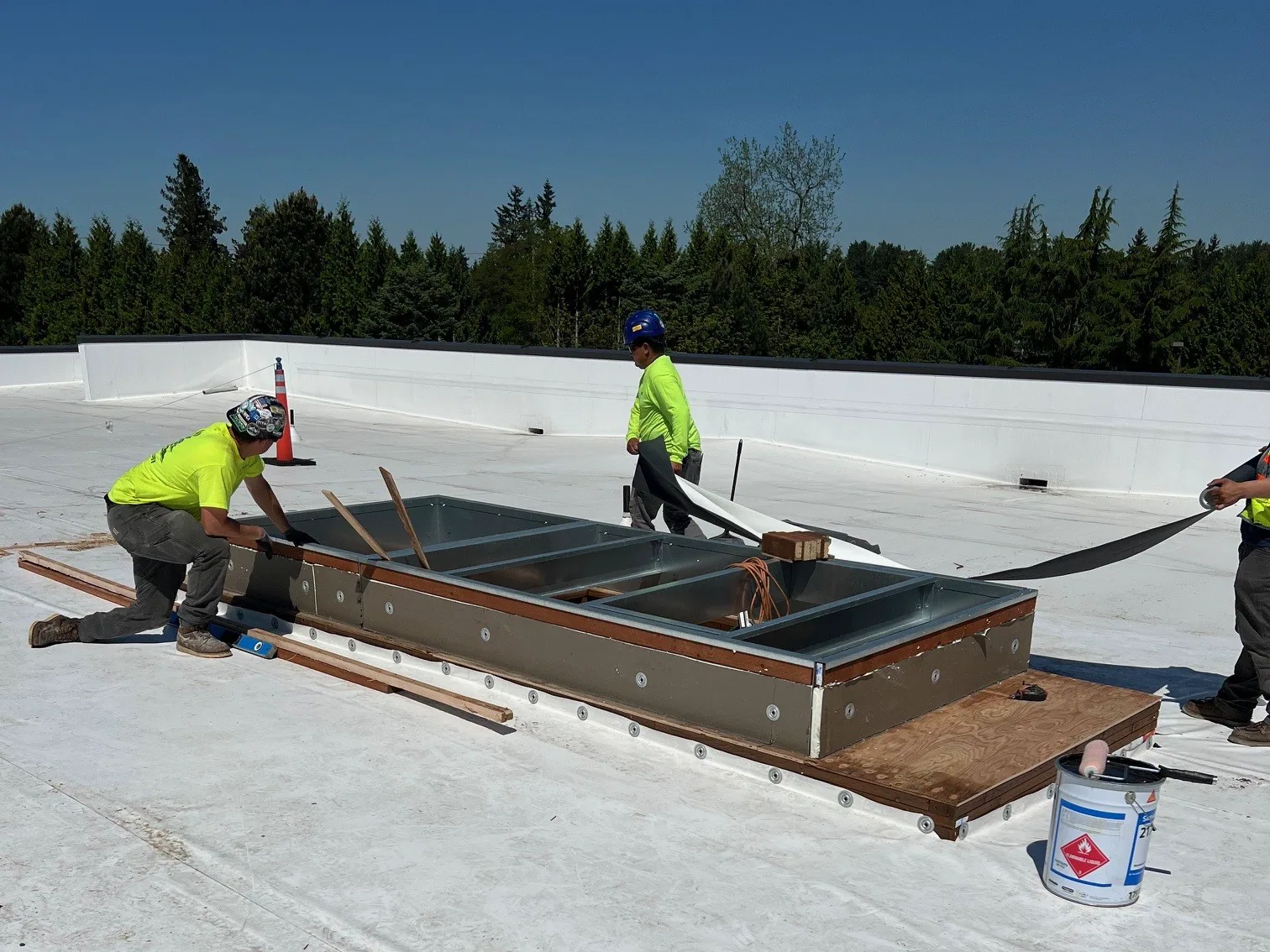
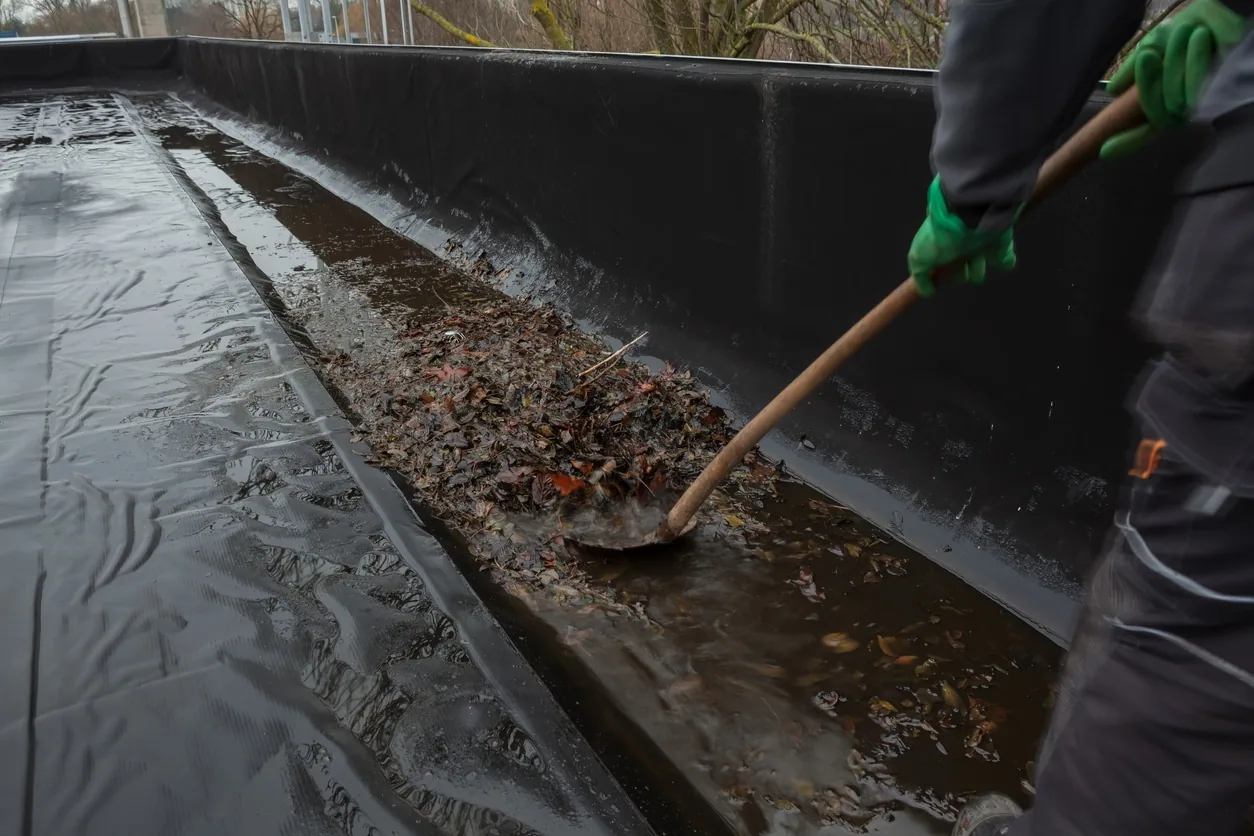
We inspect accessible field material, seams, flashings, perimeter attachments and drainage details against the concerns reported for the building. A split membrane requires examination beyond its visible edge to identify usable material for joining. A loose wall termination may expose a backing problem that a new surface patch would leave in place. At an outlet, we compare the flashing condition with the fitting and discharge concern. Those observations help distinguish a roofing defect from a component assessment needed from another contractor.
A written roof condition report records those locations with photographs and explains the proposed next construction step. We distinguish the exposed condition from layers that have not been examined. Where roof access is restricted or another area cannot be reached, the report identifies the part of the assessment left unresolved. Available installation documents and earlier repairs can help direct the inspection, but the repair recommendation follows the construction found. The owner can then review a defined defect and the remaining question affecting its response.
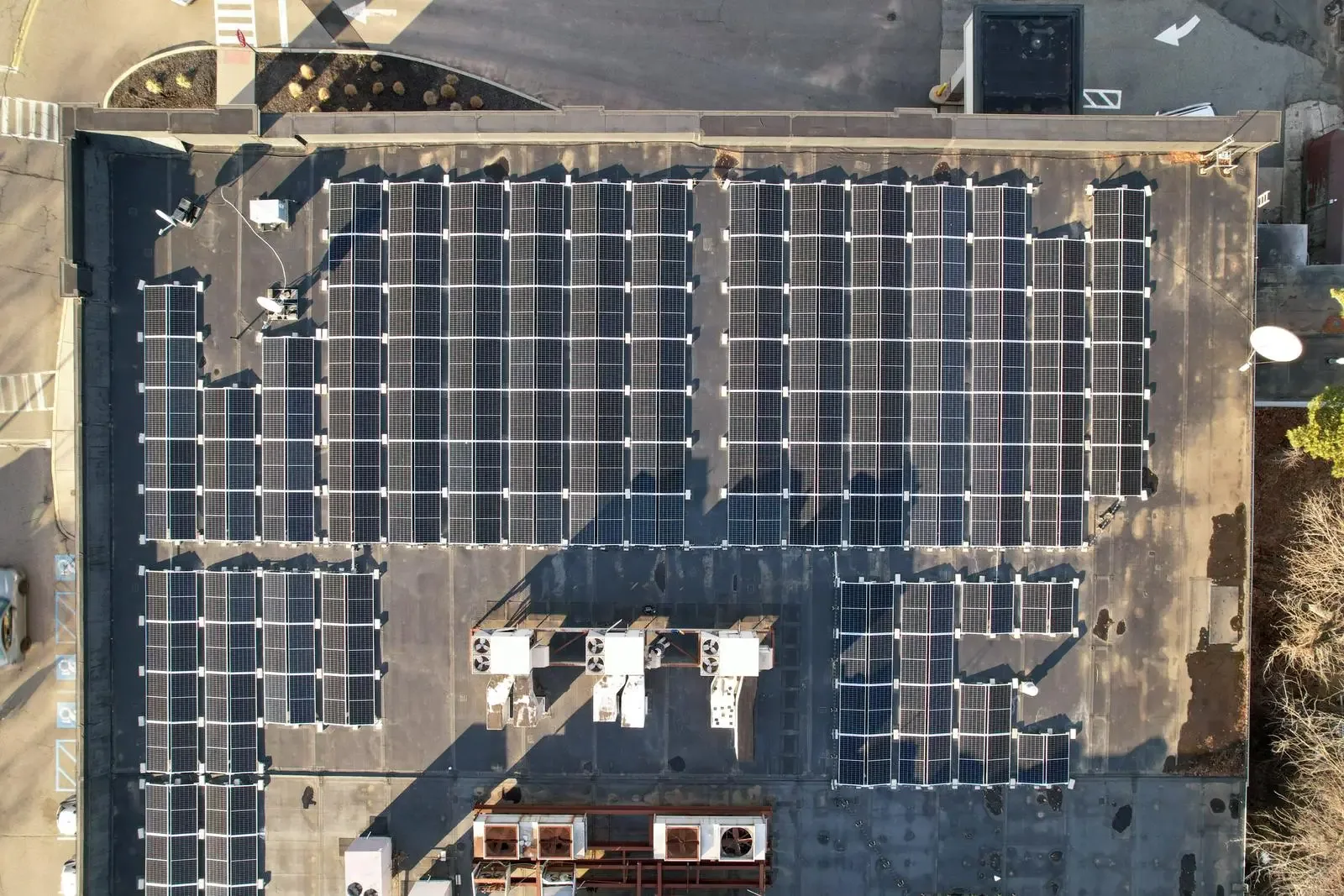
For a property transaction, separate current observations from records supplied by a seller or manager. Identify the roof areas reached, material visible, repairs documented, and places where equipment or access prevented review. Report installation or replacement dates as documented, not as field-confirmed facts. That distinction helps the buyer price investigation and retainage questions without treating a visual survey as an invasive test.