Identify what the warranty document actually covers
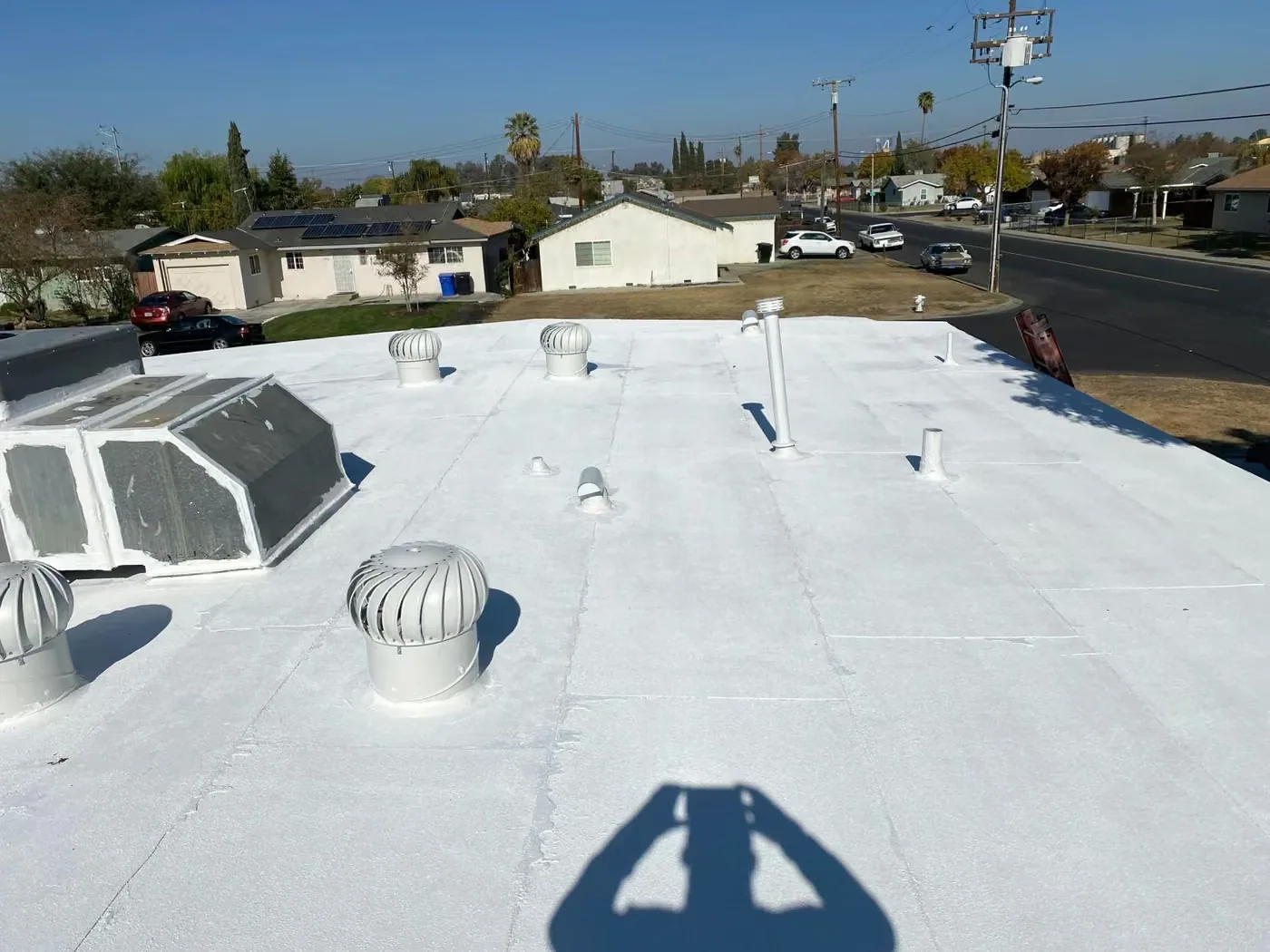
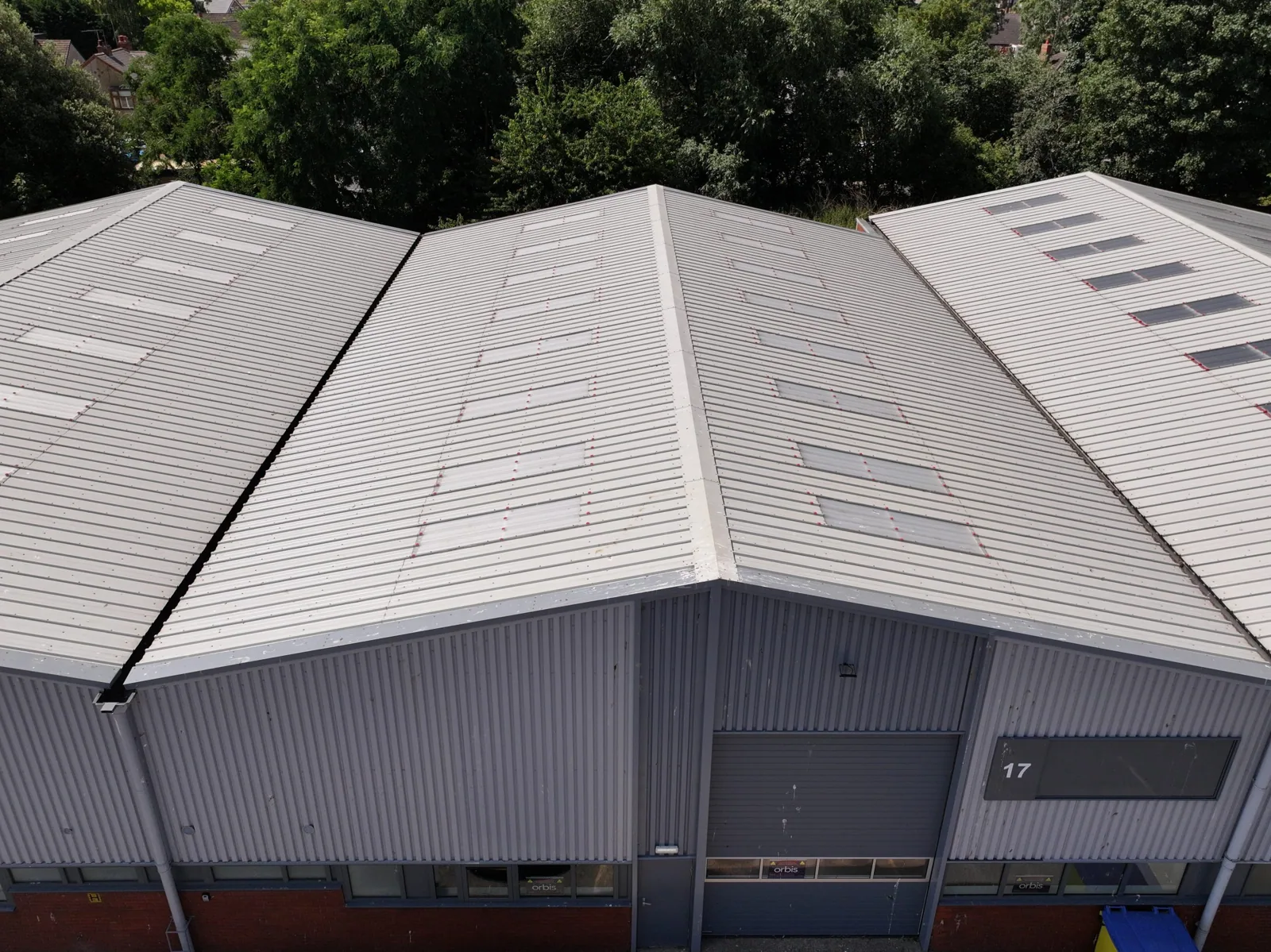
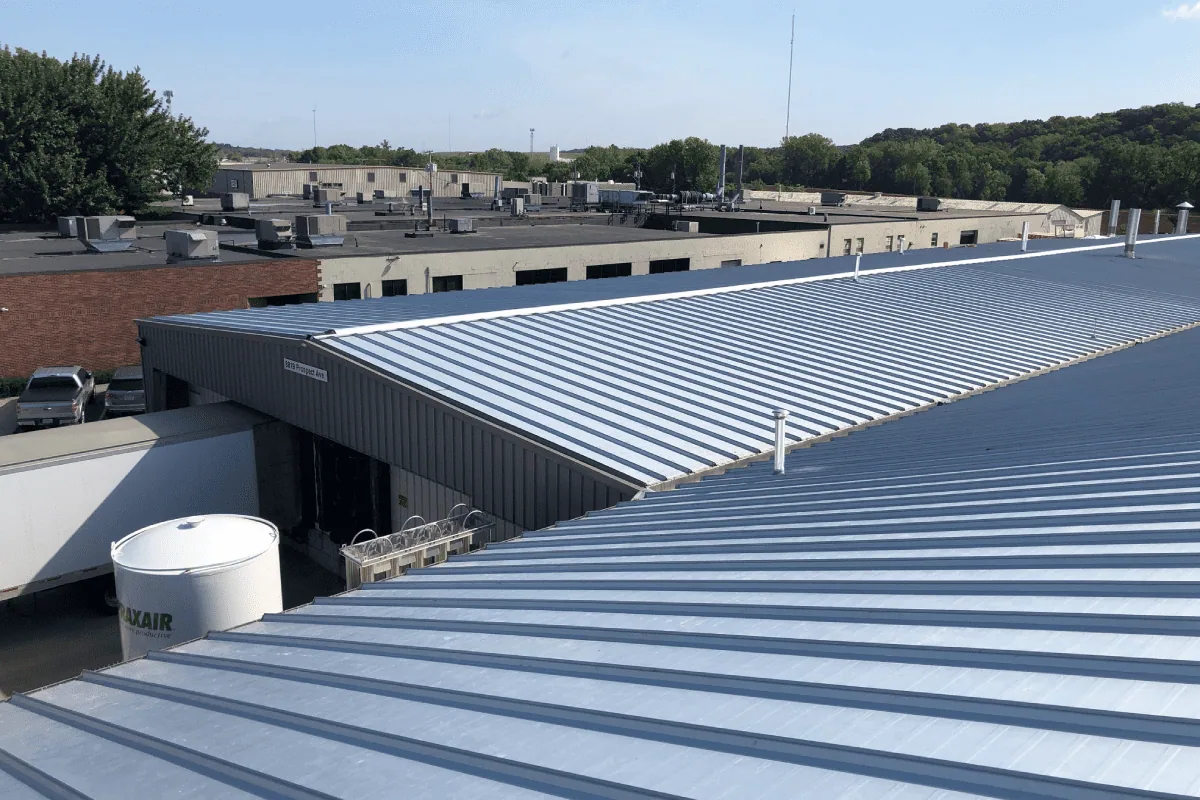
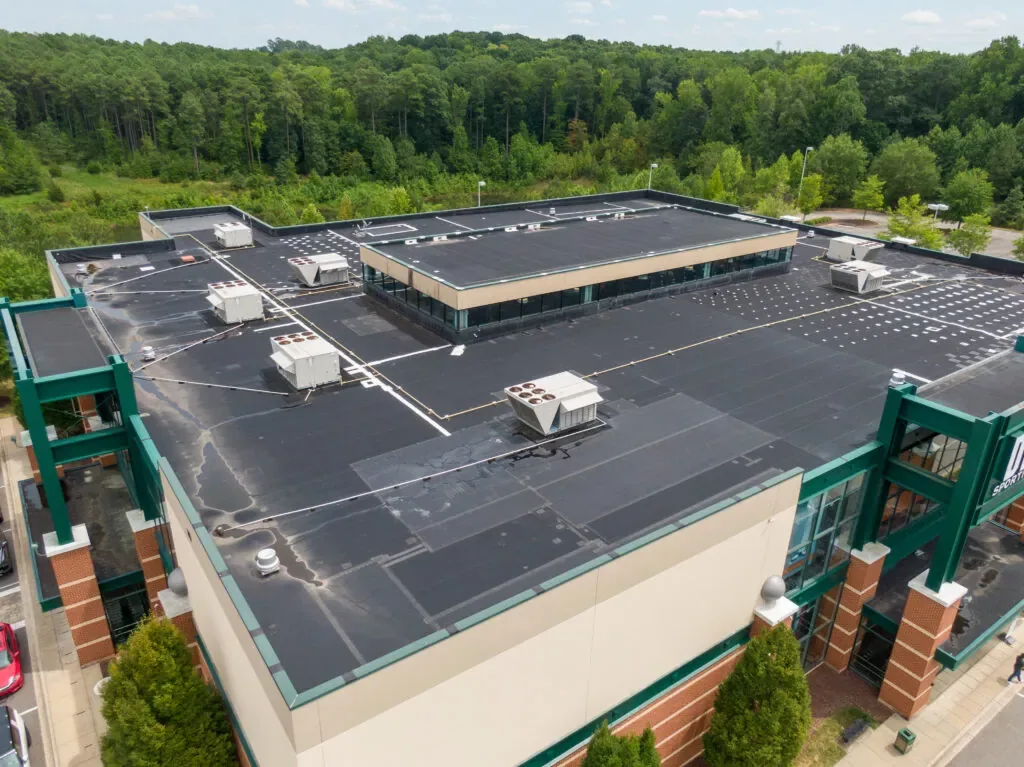
We first match the document to the property and roof area. Relevant details may include the named owner, building address, covered sections, installed assembly, effective date, stated term and exceptions. A facility with multiple additions can have different installation dates or separate documents. If a record names a product but does not identify which roof section received it, we leave that relationship unresolved until plans, closeout materials or an examination support the match.
We read the actual language supplied rather than infer broad protection from a warranty label. Documents may distinguish material defects, workmanship, maintenance, inspection or particular exclusions. The stated conditions and reporting procedure matter when an owner raises a concern. A dated roof condition report can record what was observed and where, but observations do not decide coverage. The owner or authorized representative should retain the complete document and any later amendment so a question goes to the correct party with the relevant roof location and records.
A warranty log can track the issuing party, covered roof area, effective dates, inspection duties, exclusions, reporting deadlines, and steps required before a repair. Enter each item from the issued document and keep amendments with it. If the owner cannot confirm a term, mark it for follow-up instead of relying on an old proposal or a product description.