Solar-Ready Commercial Roofing in Garland, TX

Solar-Ready Commercial Roofing in Garland, TX

Solar-Ready Commercial Roofing

Commercial Roofing Services

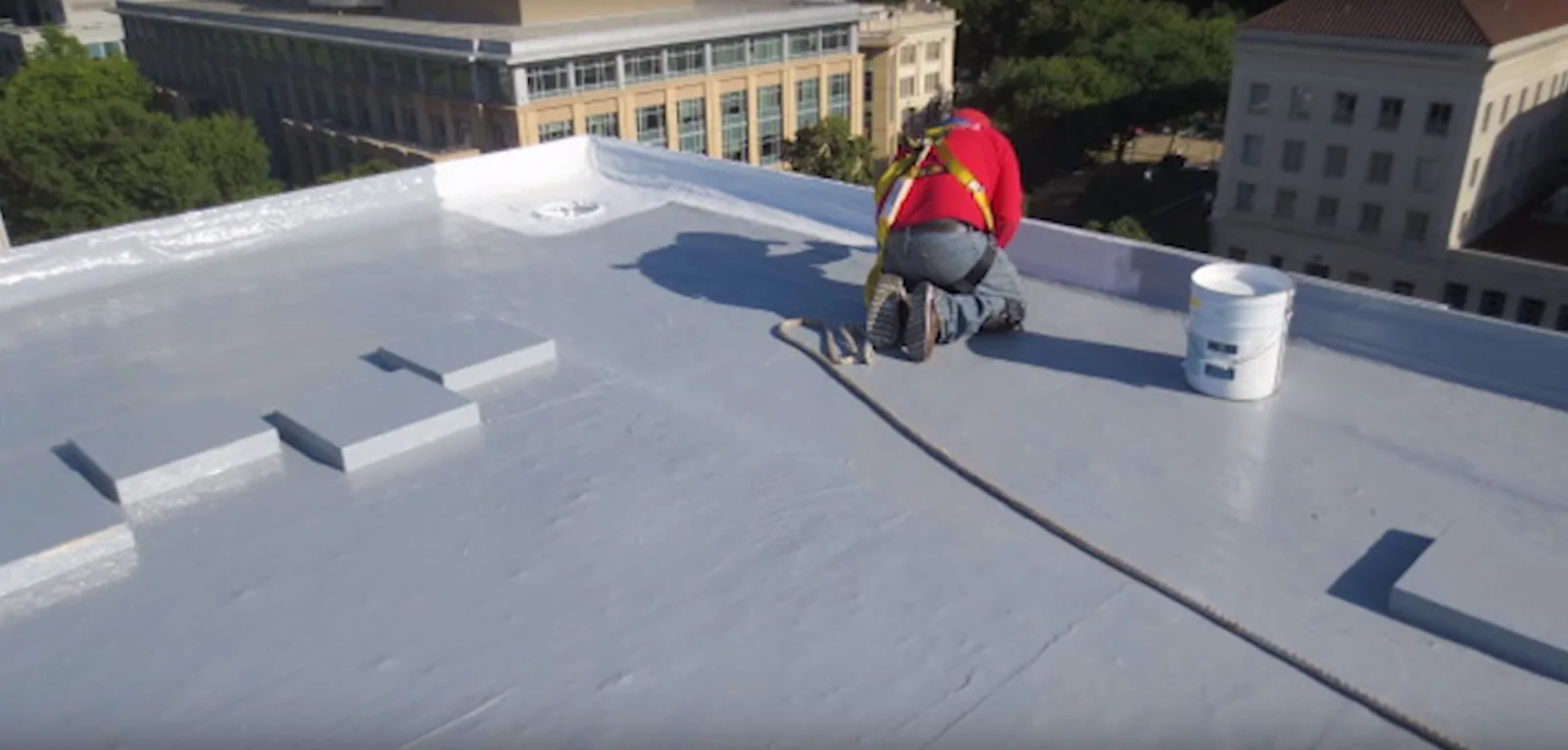
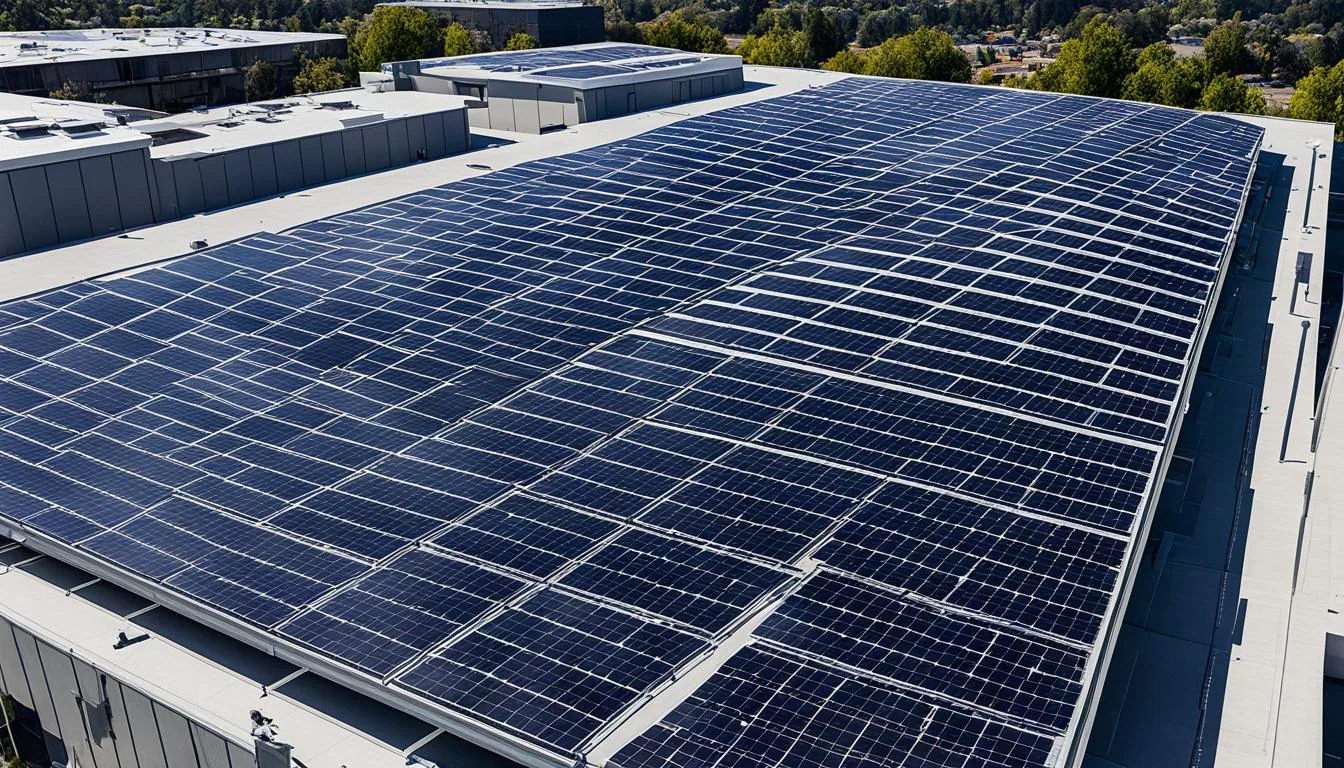
A roof planned for future solar needs a decision about the roof itself before panels or attachment points are drawn. We review the existing assembly, remaining condition, structural documentation, drainage routes and service access so the owner can coordinate roofing with the solar design. Solar-ready work does not mean that the roof automatically supports a future array. The building’s structural professional and solar designer must evaluate the proposed loads, mounting method and applicable requirements for the actual project.

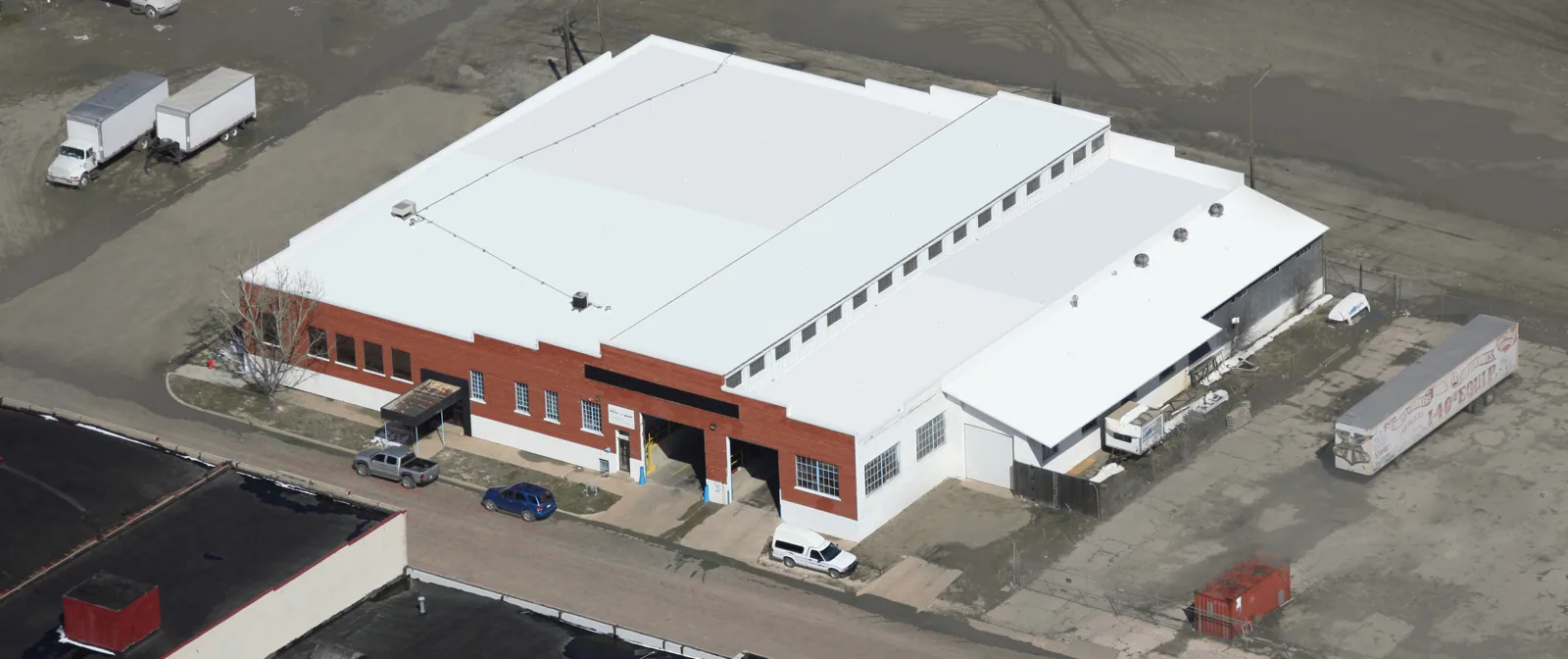
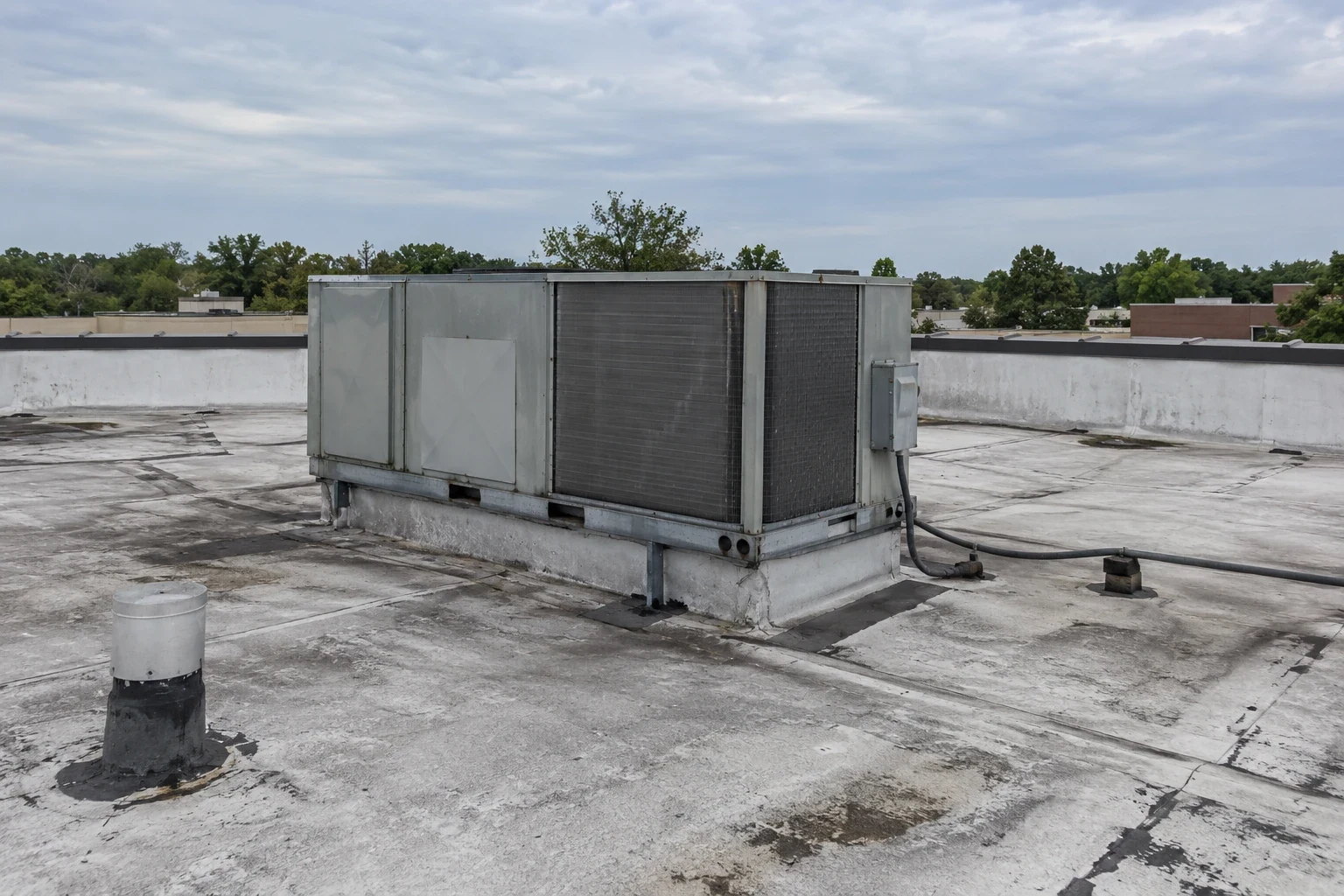
Before a solar array is designed, assess the roof’s condition and structural support, along with drainage and access around equipment. For a Garland building near Forest/Jupiter Station or Valoris Healthpark, the landmark provides geographic orientation only. We need the property address, roof records and building contact to coordinate the roofing questions with the project team.

Should the roof be repaired or replaced before solar?

Review the roof’s current condition and anticipated service life alongside the expected solar project term. A roof with open seams, active moisture concerns or deteriorated flashing should be evaluated before equipment limits access to those areas. If roofing work may be needed during the array’s planned operation, owners should compare completing the roof first with a documented removal and reinstallation plan. The decision depends on confirmed roof condition and the obligations accepted by each project party.

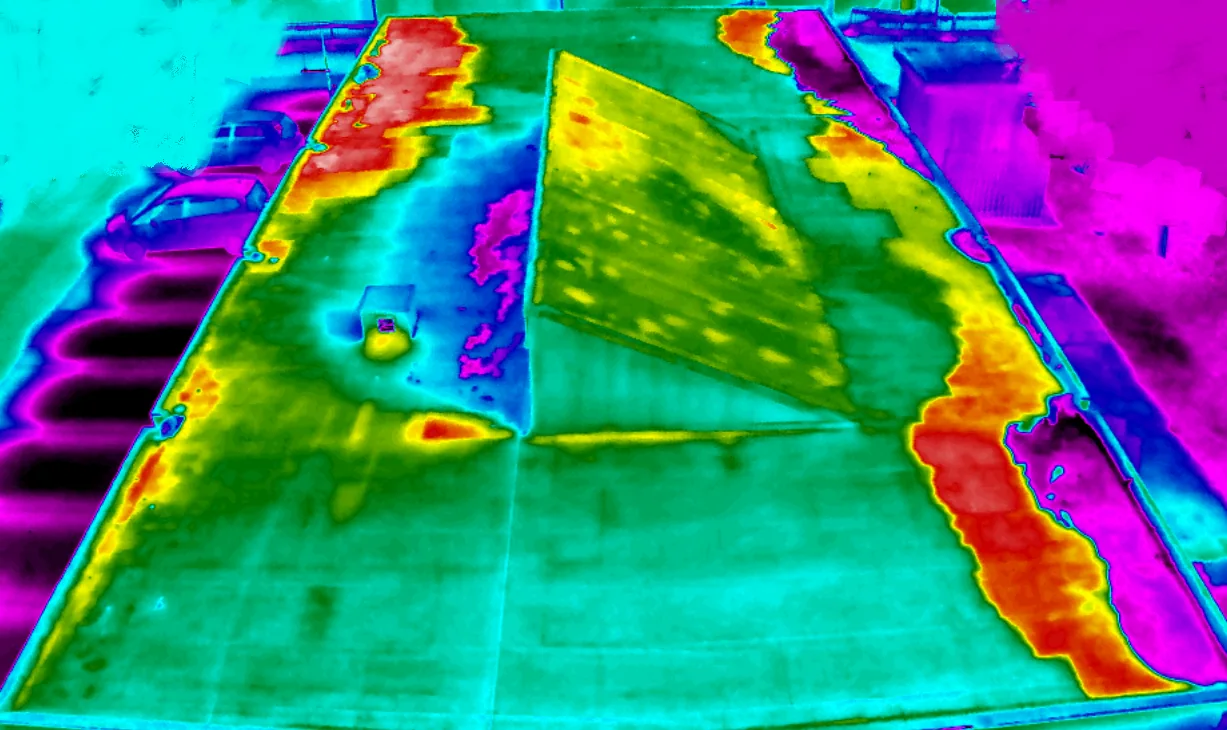
A commercial roof inspection can document visible construction and limitations. If concealed wet layers are suspected, an infrared survey may help locate areas for test openings; thermal patterns still require confirmation. A replacement assessment compares a new roof assembly with the cost and disruption of future array removal. We state which roof work is included and which solar tasks remain outside the roofing scope.

The roof plan should identify reserved corridors for service personnel, drains, electrical routing and any future equipment. Resolve these routes before the array layout is fixed, because moving an attachment after membrane work can create avoidable penetrations. A roof drawing marked with approved keep-clear areas gives the roofer, solar installer and facilities contact a shared basis for field coordination.
Solar-Ready Commercial Roofing in Garland, TX

Who determines whether the roof can carry the array?

A structural engineer evaluates the building and proposed solar system loads using project-specific information. Roof framing, existing equipment, attachment method and wind exposure all affect the analysis. A roofer can document accessible roof construction and coordinate penetrations or membrane details, but cannot certify structural capacity from a visual roof visit. Obtain drawings, prior modifications and current equipment information for the design team before selecting attachment locations.

A roof assessment and structural review should precede the array design. The design team and permitting authority can confirm current requirements for the actual project before installation. We coordinate roof-side documents and material details after the solar layout and engineered requirements are available.

Photograph and map each attachment after installation, including the roof detail, nearby seam and orientation to the array plan. The record should identify the responsible installer and any inspection or maintenance obligation assigned in the project documents. If a future repair requires array removal, those records help the owner locate interfaces and contact the party responsible under the agreement.

Solar-Ready Commercial Roofing in Garland, TX

How do drainage and service access affect the layout?

Panel fields and mounting rails should leave routes for water to reach the existing drains and scuppers. The layout also needs clear paths to rooftop equipment, electrical components and roof areas that require inspection. A panel row that blocks a drain or forces future maintenance across fragile details can complicate both the array and the roof. Compare the solar drawings with the actual roof plan and field conditions before attachment work begins.

We review the roof-side route around drains and scuppers, penetrations and curbs, then identify any detail that needs adjustment. Equipment additions may call for coordinated curb or support work. The solar team determines array configuration and service clearances; the roofing plan defines how its membrane and flashing connect. If the project affects an existing TPO or EPDM roof, use product and project details for that specific assembly.

A solar schedule should leave time for roof corrections, approved design review and inspection before panels limit access. If the roof scope uncovers an unexpected deck or membrane condition, pause the affected area and reconcile it with the project team. Keeping roofing and solar decisions linked prevents a schedule milestone from concealing an unresolved water-control or structural question.

How should roof penetrations be coordinated?

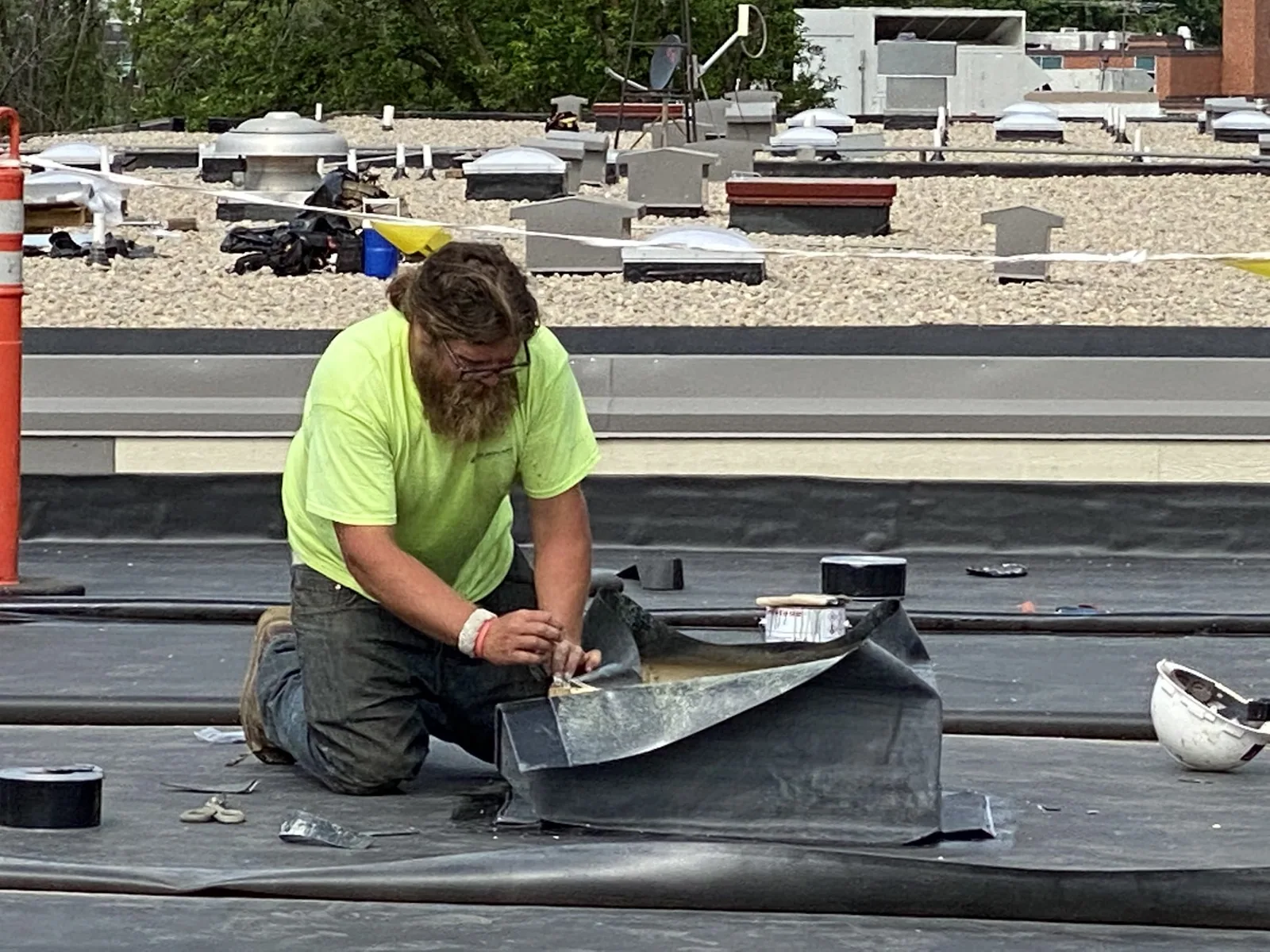
The mounting design should identify each attachment, its structural connection and the roof detail that will weatherproof it. Penetrations need a defined flashing method compatible with the roof system and shown on approved project documents. We coordinate the roof-side installation with the solar contractor so no unreviewed fastener or field sealant becomes the only barrier against water. A non-penetrating system also needs review for weight, restraint, drainage and service access; its label does not remove structural checks.

During closeout, compare array mounting and structural connections with the approved plans. The roofing closeout should identify locations completed, materials used and any limitations for later work. If the roof is not ready when the array schedule advances, identify a protectable stopping point and keep exposed openings closed. The roof penetration scope may help address adjacent roof details, but solar attachment drawings control the array connection.

Solar-Ready Commercial Roofing in Garland, TX

What should the project agreement resolve?

Before construction, decide who owns roof inspections, membrane repairs, temporary removal of panels for future roofing, array storage and reinstallation, and responsibility for water entry at attachment points. These terms belong in the owner’s project agreements, not in an assumption made at the roof edge. Warranty documents and manufacturer instructions should be reviewed for the actual roof and solar system. We state the roofing work included in our proposal and coordinate interfaces that require the solar or electrical contractor.

A solar-ready roof scope should include current condition records, roof-zone plans, approved attachment details, drain and equipment access routes, and a record of penetrations completed. Roof condition reporting can preserve baseline observations before array work. If a surface restoration is being considered, confirm compatibility and service access with the chosen system before proceeding. In Garland’s hot summer climate, reflectance may be one design consideration, but cool-roof options must still suit the roof and solar attachment plan.

Before the roofing work closes, reconcile the field attachment locations with the approved solar drawing and keep the record with the roof plan. Any deviation should be reviewed by the project professionals responsible for structure and array design. The owner can then track future penetrations, maintenance routes and roof repairs without relying on a panel layout that no longer matches the installed work.

Solar-Ready Commercial Roofing in Garland, TX

Common Questions

Can you certify our roof is solar-ready?

Roof readiness depends on structural engineering, the solar design and verified roof condition. We can document roofing conditions and coordinate roof details, but a visual survey does not certify structural capacity.

Should the roof be replaced before panels go on?

Compare the roof’s observed condition and expected service life with the solar project term. Repair or replacement before installation may avoid later array removal, but the decision is project-specific.

Who designs the roof attachments?

The solar and structural design professionals specify the mounting and structural connections. We coordinate the roofing materials and flashing details with the approved design.

Will panels block roof drains or equipment?

The layout should preserve drainage and maintenance access. We compare array plans with field conditions and flag roof routes or details that need resolution before installation.

Solar-Ready Commercial Roofing in Garland, TX

Coordinate roofing before solar layout is final

Provide the Garland address, roof records, solar schedule and building contact. We can assess roof condition and coordinate drainage, flashing and access details with the project team before attachments are installed.

Call 555-555-5555 or request a roof assessment.

Questions About Your Roof?

ServicesRoof SystemsProperty TypesIndustriesService AreasDamage RepairCapabilitiesManufacturersAboutRequest a Roof Assessment555-555-5555
Call us today555-555-5555