Flex Industrial Roofing in Garland, TX

Flex Industrial Roofing in Garland, TX

Flex Industrial Roofing

Property Types We Roof

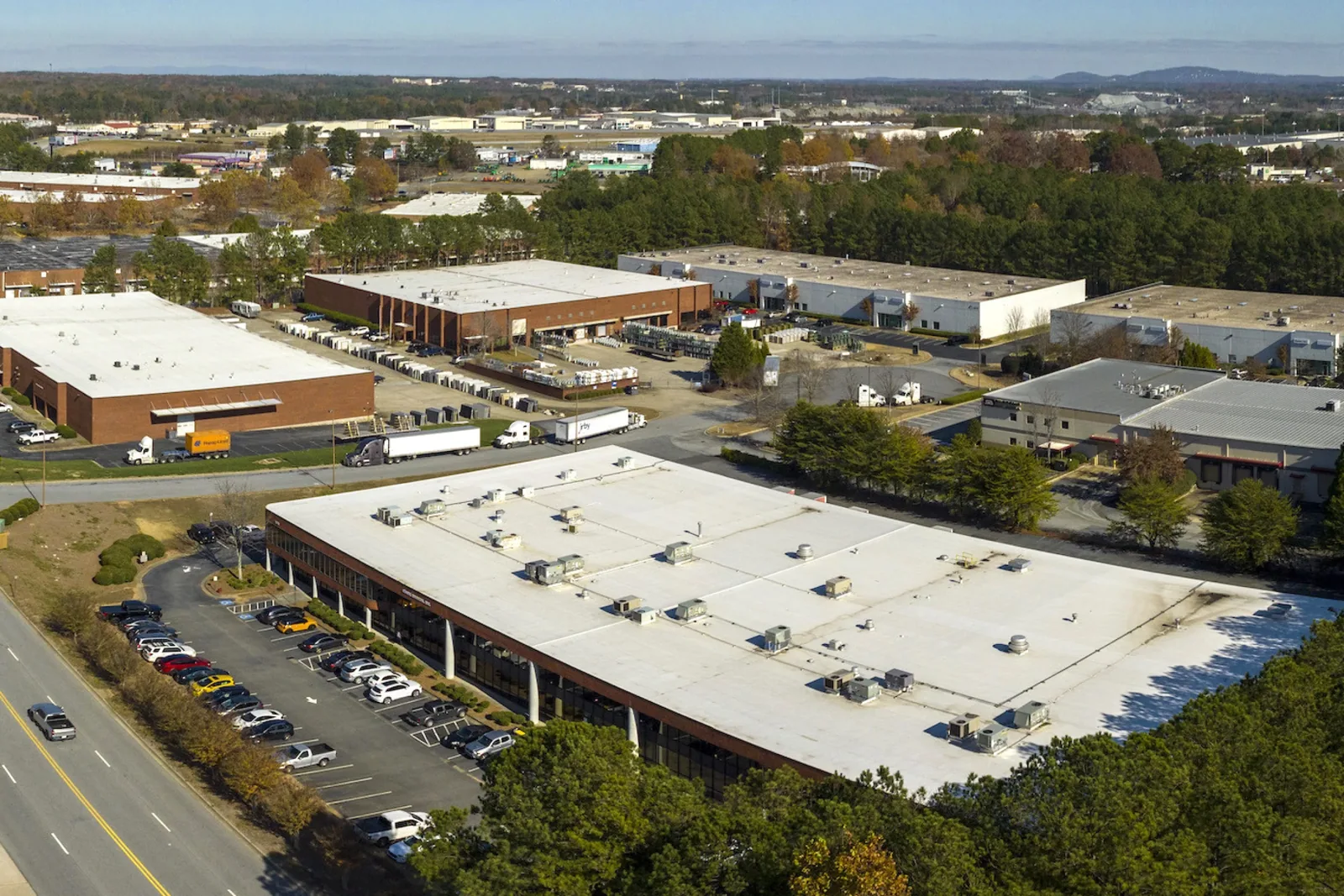
A flex-industrial roof repair has to follow the construction actually installed across its office, production, storage or tenant sections. We inspect the reported concern and compare it with seams, curbs, drains, perimeter transitions and visible changes in roof height. The goal is to establish whether a localized detail can be repaired or whether moisture or deterioration extends into adjoining material. An interior symptom helps orient the examination; it does not set the roof boundary by itself.

Garland Economic Development reports more than 300 manufacturers and describes advanced manufacturing and data-center sectors. That is broad city context, not a directory of flex-industrial buildings, tenants, roofs or access rules. The property owner or manager must provide the exact location, building contact and assembly records for the requested work. A sector description should never substitute for confirming what the crew will encounter on the roof.

Which tenant or building zone does the report identify?

Record the property address, building number or tenant area, and the interior location where water appeared. Multi-use structures can place offices next to shop or storage space, with different roof sections above each area. We compare the reported location to the plausible path above it, inspect available details and note any layer that remains concealed. If one addition drains toward a shared outlet, document that relationship before limiting a repair to the nearest ceiling mark.

The property representative sets tenant notifications, room access, equipment restrictions and delivery routes. A roofer can specify the opening and protection required for the proposed work, but should not assume operating schedules or responsibility for a tenant's contents. If access is available only to one roof zone, state that limitation in the findings. Another area should not be treated as inspected because it shares a parcel or building name.
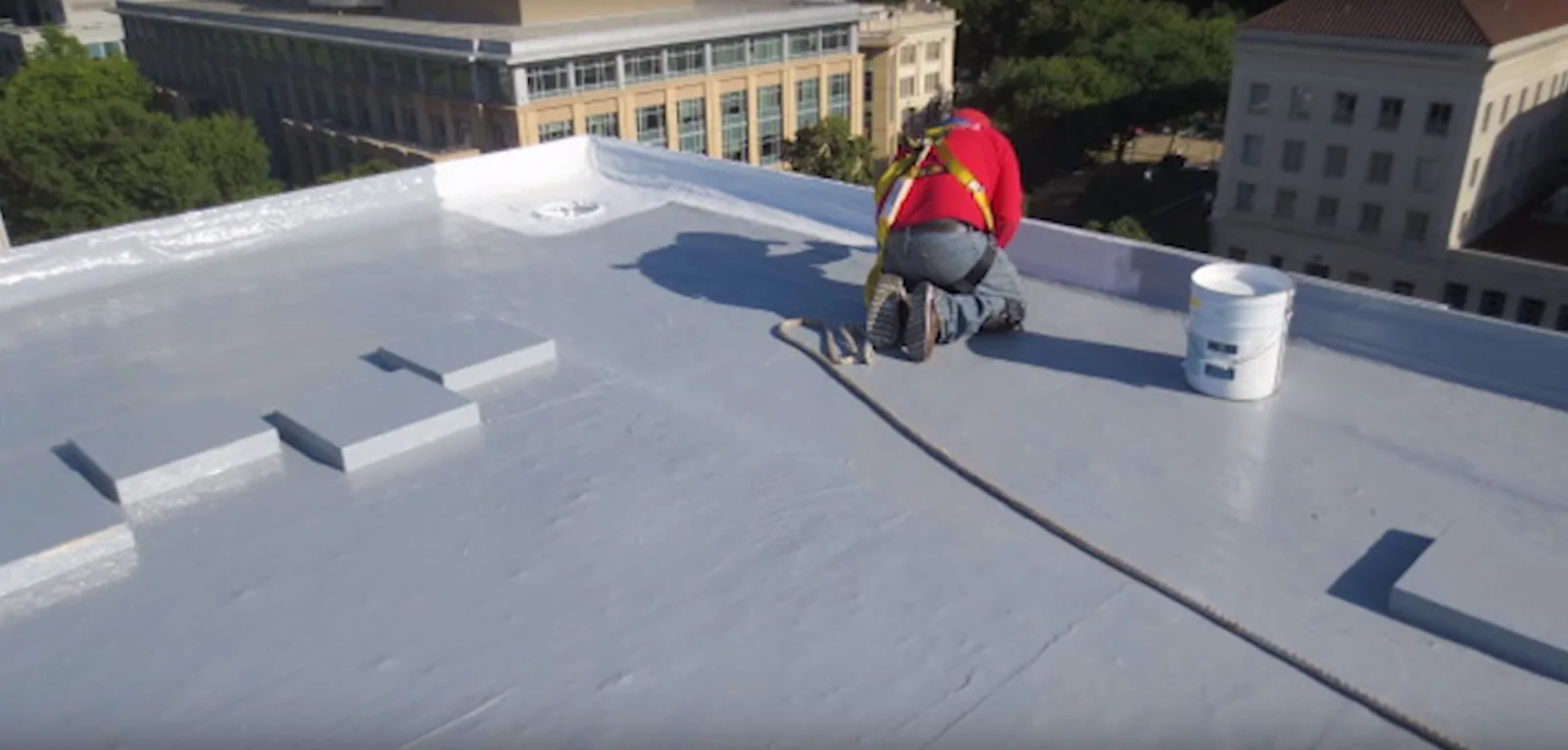
Flex Industrial Roofing in Garland, TX

How do changing roof assemblies affect repair continuity?

Flex-industrial properties can be built in phases or adapted to new users, but only records and field inspection can establish whether a specific roof contains those changes. Identify the material, attachment, insulation and cover board at the affected area. Check old patches, seams and transitions between additions, and determine whether the receiving edge can support compatible new material. Where a repair opening exposes wet insulation or unstable deck, show the owner before extending the removal beyond its authorized boundary.

For an industrial site, manufacturing plant roofing raises related questions about equipment curbs, while warehouse roofing addresses larger roof fields and drainage. Those comparisons do not prove that a flex building shares either assembly. If the verified system is membrane, a TPO system is one topic to evaluate only when its material and attachment requirements match the scope. Current roof construction, not the tenant's business category, governs the repair detail.

Flex Industrial Roofing in Garland, TX

Which equipment and drainage interfaces need coordination?

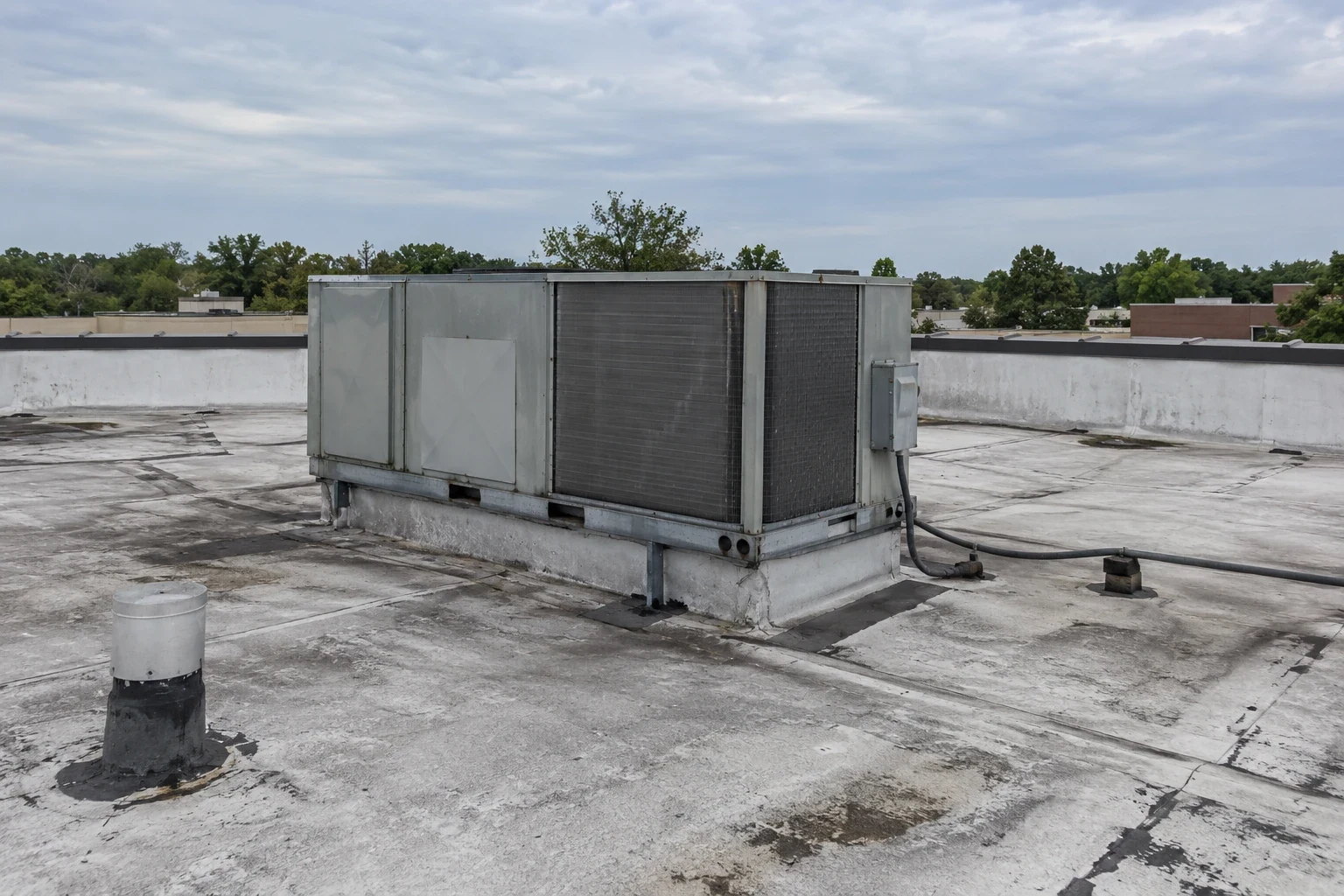
Inspect curbs, vents, conduit, piping supports, skylights and drain connections inside the reported zone. Note movement, open flashing corners, loose attachment or deteriorated substrate that could prevent a sound tie-in. If another trade must disconnect, move or prepare equipment, name the component and the readiness condition required before permanent roofing resumes. Keep any equipment service separate from the roof-side work unless it is explicitly included.

At drains, follow the visible route and inspect the roof connection, bowl or scupper and nearby material. A blocked downstream line is a separate question from failed flashing. Roof drain and scupper service can address an observed roof-side defect; equipment curb and support service can define the corresponding roof interface. The manager should know what remains temporary if a component cannot be made ready during the first visit.

How can work be staged across occupied or multi-tenant space?

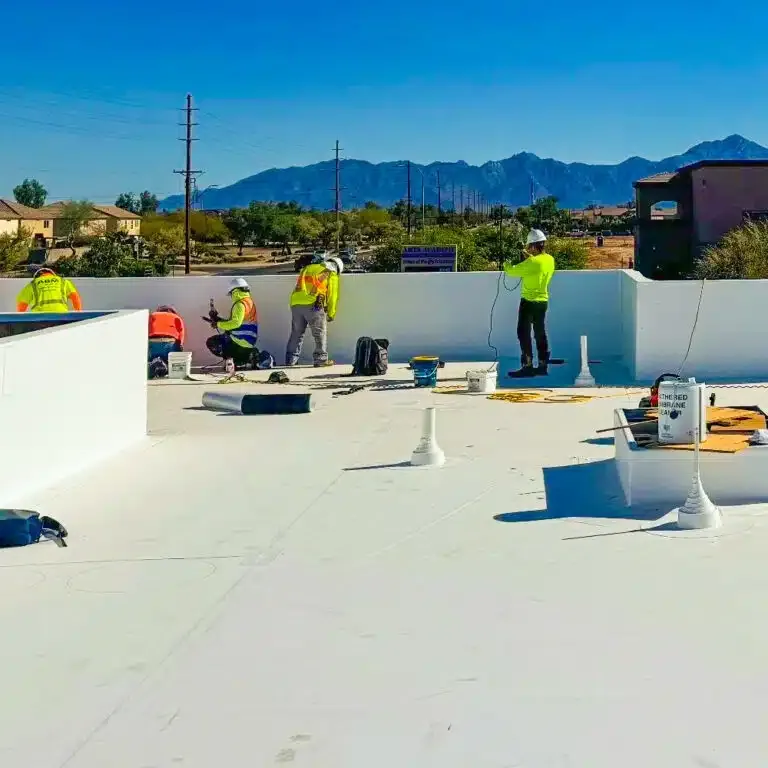
Agree on roof access, receiving location, material movement, the interior area below and the closure point for each opening. A phased repair can be divided by building, roof zone or equipment dependency when the assembly allows separation. Each phase should end with a defined weather-tight condition or a plainly described temporary cover. If removal reveals a wider wet area, stop at a protectable limit and ask the owner to approve the changed quantity before proceeding.

DART identifies Forest/Jupiter Station along Forest Lane, on the east side of Jupiter Road, and names Kraft Heinz-Garland and Plastipak Packaging among nearby manufacturing destinations. This is local industrial geography only; it does not pinpoint a flex-industrial building or establish a roofing customer. The nearby Forest/Jupiter service area helps orient routing, not confirm access. For a broader occupied project, occupied-building reroofing can help describe staged closure, while site instructions remain with the owner.

Flex Industrial Roofing in Garland, TX

What findings support a broader roof decision?

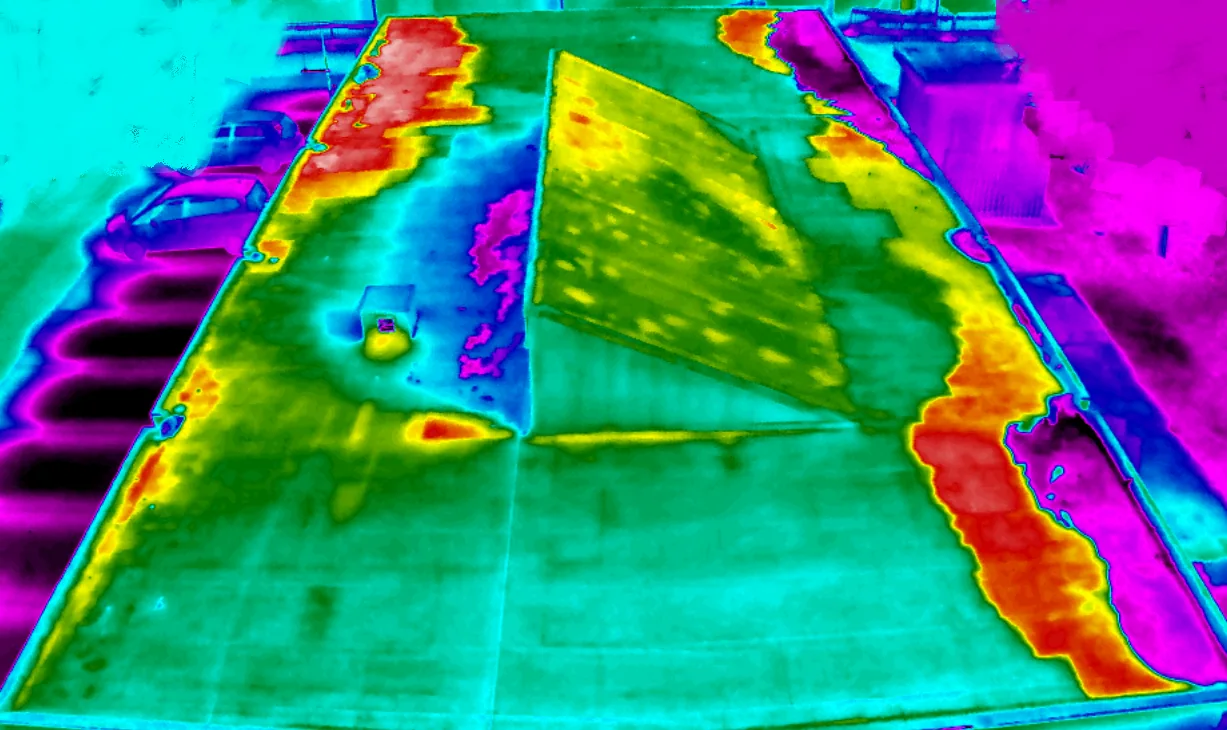
A single failed flashing or seam may support a focused repair when adjacent material remains serviceable. Multiple unrelated leaks, widespread moisture or a series of incompatible repairs may justify mapping a larger roof area and comparing renewal. Distinguish observed conditions from unconfirmed areas. If information is missing, identify the additional opening, survey or records needed before estimating the full extent.

Garland’s Forest and Jupiter area has a mix of industrial and employment uses. For a flex building, map roof zones to the tenant’s loading, light-manufacturing and office functions so a repair can be staged without disrupting unrelated operations. A roof condition report can keep each observation tied to its address and roof zone. For a multi-building owner, roof asset management can organize those records and priorities, but the current property examination still controls. A replacement scope should explain the layers, edge details, drainage and penetrations included, plus the temporary and final closure planned for each phase.

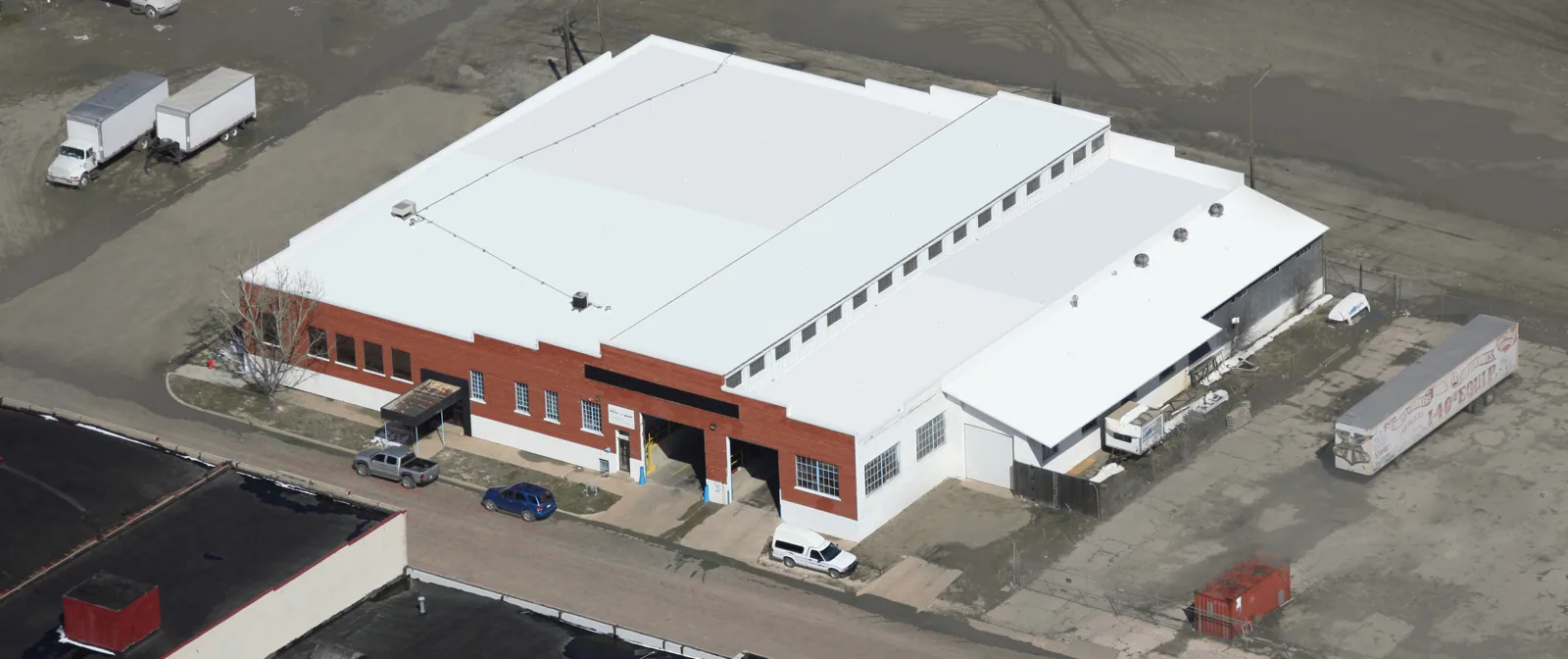
Flex-industrial buildings can combine offices, production bays, storage, and tenant suites beneath one roof. Map the reported issue to the correct building and tenant area, then identify who can authorize access above and below. A roof assembly may change between additions or demising lines, so verify each section rather than extending one test result across the property. At shared rooftop equipment, assign the curb, conduit, and service-line work to the responsible trade before the crew removes existing flashing. A phase plan should specify which tenant areas stay available, where materials will be placed, and how each day's opening will be closed. Keep separate photos and completion notes where different roof zones receive different repairs.

Where one roof crosses a tenant demising line, use the roof map to show which side the observed condition occupies and whether the repair affects a shared curb or drain. The property manager should identify the party that pays for common-area work and the tenant contact that can release access. If an addition uses a different deck or membrane from the original building, describe the transition separately instead of presenting one assembly as continuous. This makes the scope easier to approve when the roof crosses both leased and owner-managed space.

Flex Industrial Roofing in Garland, TX

Common Questions

Does a flex-industrial label tell you which roof system is installed?

No. Verify the assembly from records and field inspection. A property may include distinct additions or roof zones, and the material receiving the repair must be confirmed before a system is selected.

Can one tenant report support work across the whole building?

Use the map to locate the reported area, then inspect each adjacent roof zone before extending a repair boundary. We record what was inspected, what remains concealed and any additional opening needed to evaluate a wider scope.

Who manages tenant notices and access?

The owner or property manager supplies access rules, tenant communication, delivery routes and interior preparation. The roofing scope describes the opening and protection needed for the approved work.

When should repair be compared with replacement?

Compare options when inspection shows repeated failures, broad moisture or an assembly that cannot accept a reliable local tie-in. The report should identify verified conditions and unresolved areas separately.

Flex Industrial Roofing in Garland, TX

Discuss a flex-industrial roof condition

Share the property address, roof zone or interior report location and the contact who can direct access. We can examine the actual assembly, define a repair boundary and identify any equipment or tenant coordination needed.

Call 555-555-5555 or request a roof assessment.

Questions About Your Roof?

ServicesRoof SystemsProperty TypesIndustriesService AreasDamage RepairCapabilitiesManufacturersAboutRequest a Roof Assessment555-555-5555
Call us today555-555-5555