Commercial Roofing for Public Agencies in Garland, TX

Commercial Roofing for Public Agencies in Garland, TX

Public Agencies

Industries We Serve

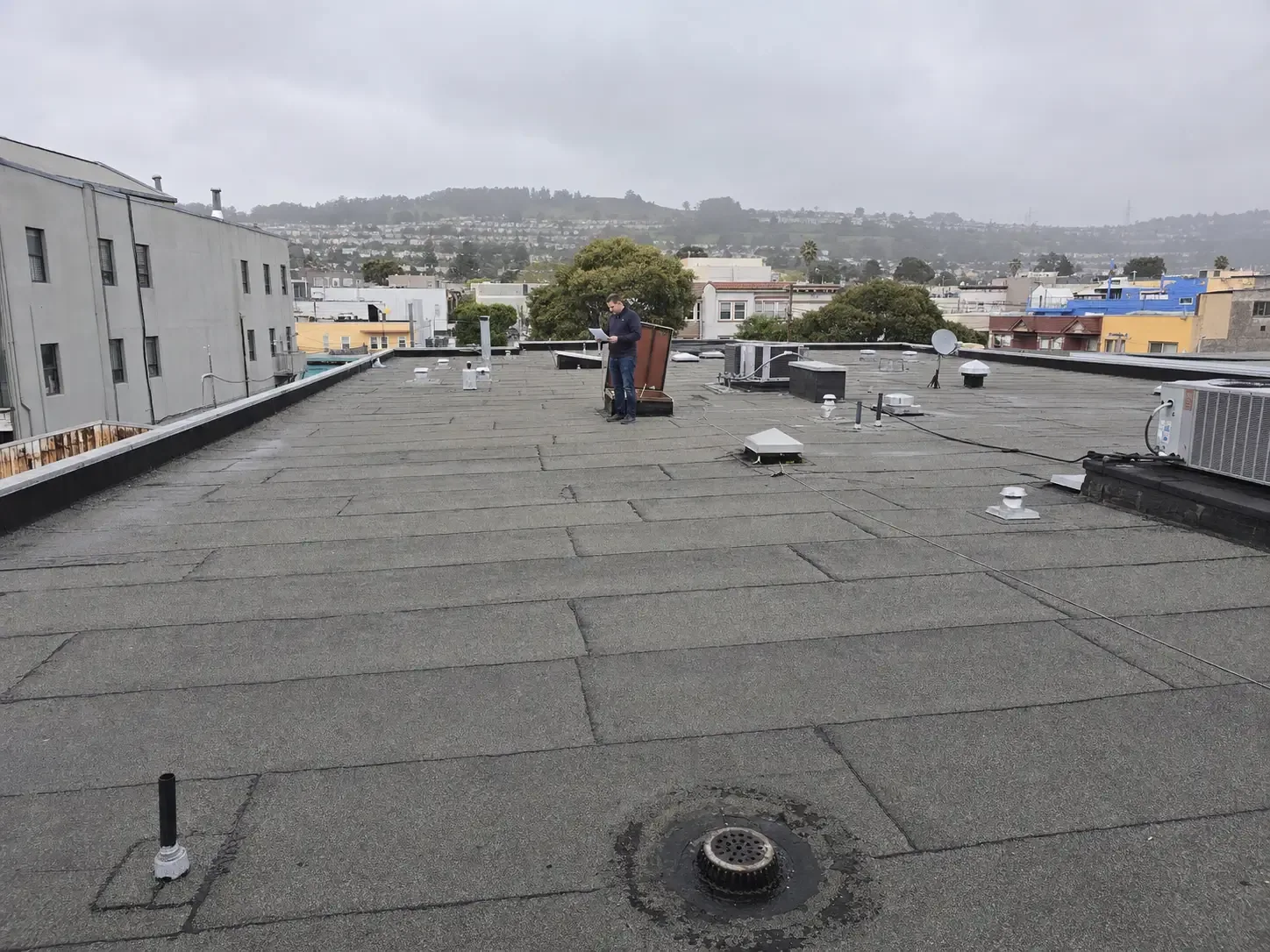
For a public facility, a roofing proposal needs to show what was examined, what construction is included and who can authorize the next step. We start with the asset address and reported condition, then document the roof areas available for inspection. The agency can review an observable repair separately from concealed work, design questions or other building trades. This keeps the requested scope legible to facilities staff and the approval chain. The agency contact can identify procurement steps and the building representative can confirm the roof system and access plan for the assigned property.

Garland's public facilities include Central Library, North Garland Library, and South Garland Library. Central Library is in Downtown Garland, while the South Garland branch serves a separate part of the city. For an agency roof request, identify the facility and the authorized contact who can set access. The inspection boundary should match that building's visible construction and reported concern, while procurement and operating requirements remain under the agency's direction.

What must the roofing scope show to agency reviewers?

A public owner may need to compare several findings, but each building still requires a location-specific record. We identify the roof area, visible material, connection or drainage concern, photographs and proposed repair extent. If a limited opening is authorized, we document concealed layers and present added work for approval before covering it. The proposal can list exclusions and dependencies so the agency sees which items remain with engineering, electrical, plumbing or interior restoration. A defined scope helps reviewers compare the actual work rather than a broad label such as “roof repair.”

Audubon and Fields Recreation Centers are additional municipal facilities in Garland. A roof condition report can preserve observations by building and roof zone, while capital planning can distinguish an immediate correction from broader renewal decisions. Each record should retain its date, scope limits, and approval status so one site's repair does not become a proxy for another property's condition.
Commercial Roofing for Public Agencies in Garland, TX

Who controls facility access and work-area release?

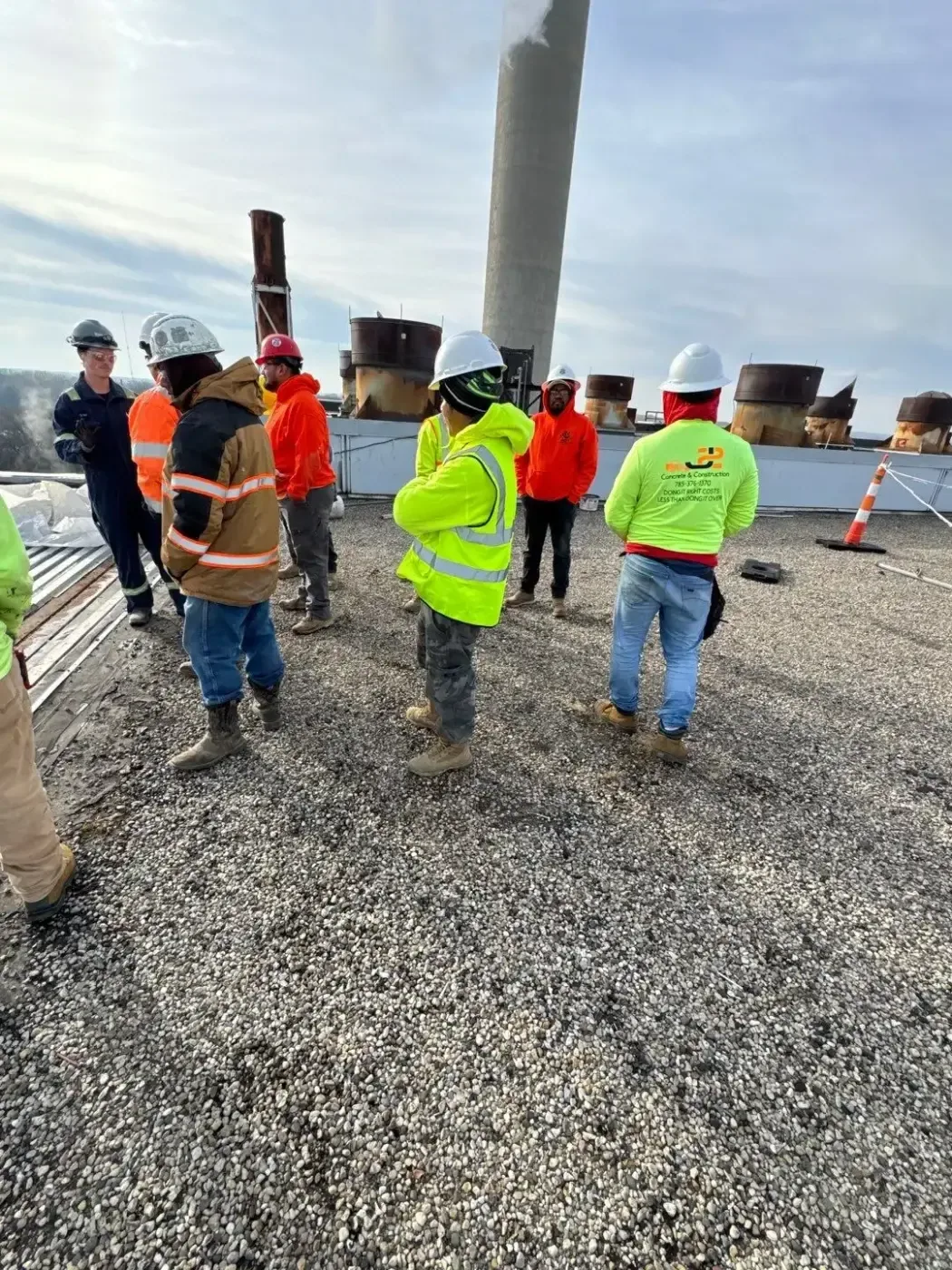
Before we enter a roof area, the agency identifies the contact who can release access, any restricted zone and the receiving or staging instructions. The facility representative establishes what interior space may be affected and who confirms preparation below a planned opening. We describe the roof exposure and temporary closure that a proposed removal creates. If another official, engineer or trade needs to evaluate a condition first, we preserve that handoff rather than assuming the roofing visit answers it.

For each phase, identify who releases the roof zone, who protects rooms below, and who accepts the area after closure. State how deliveries, lifts, waste removal and public circulation will be separated from occupied operations. Keep these controls in the project sequence so a completed roof detail is not delayed by an unassigned site task.

Public facilities have different operating schedules; confirm work windows, escort requirements and protected areas with the building contact before mobilizing. We coordinate a work window with the agency’s designated representative and describe changes if the accessible boundary differs from the original request. For a reported active opening, temporary roof protection can be considered only within released conditions. Where the assigned work reaches an occupied building, occupied-building reroofing should identify the space, opening stage and contact path the agency approves.

For each phase, identify who releases the roof zone, who protects rooms below, and who accepts the area after closure. State how deliveries, lifts, waste removal and public circulation will be separated from occupied operations. Keep these controls in the project sequence so a completed roof detail is not delayed by an unassigned site task.

Commercial Roofing for Public Agencies in Garland, TX

What does the observed roof condition support?

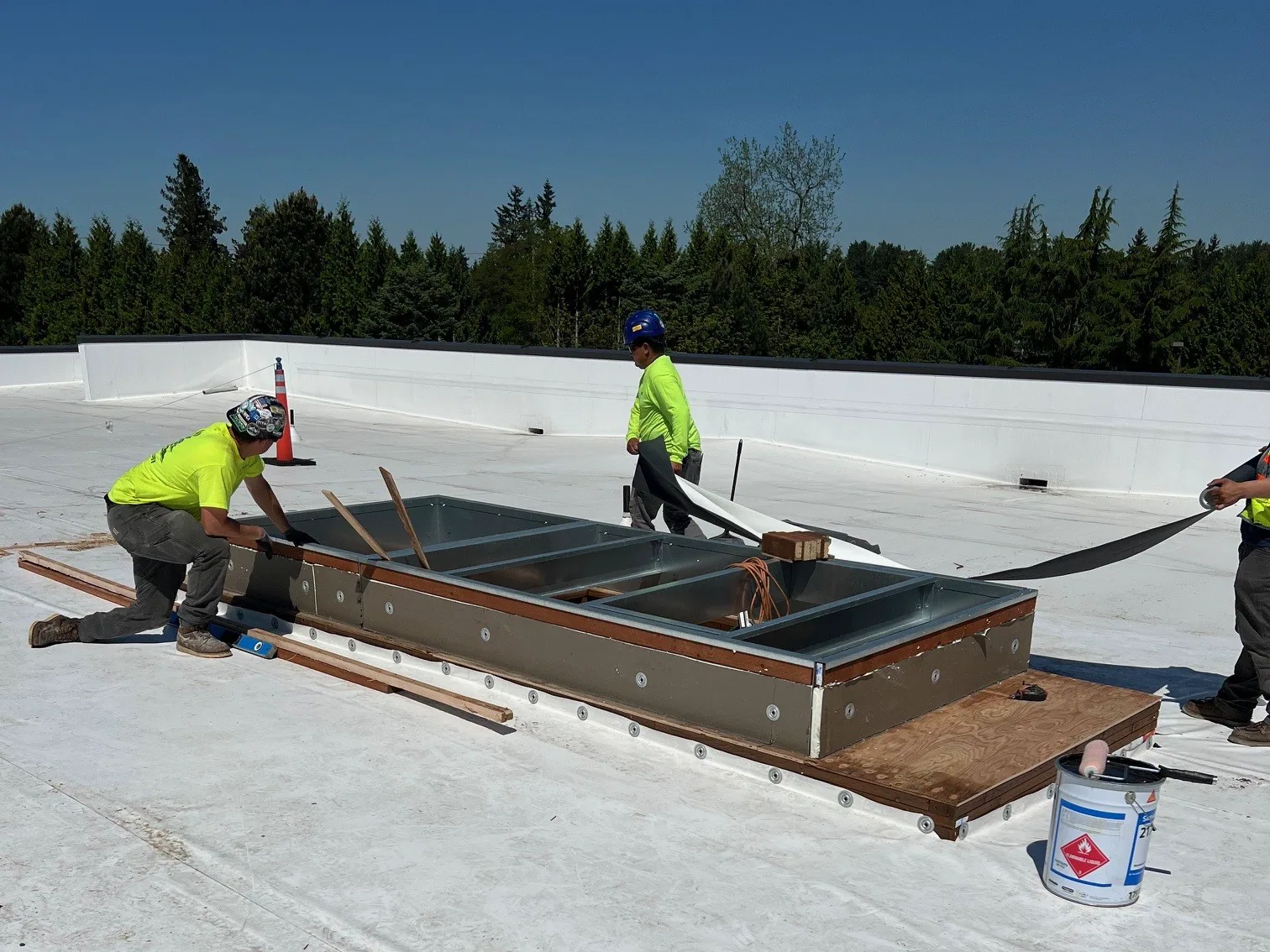
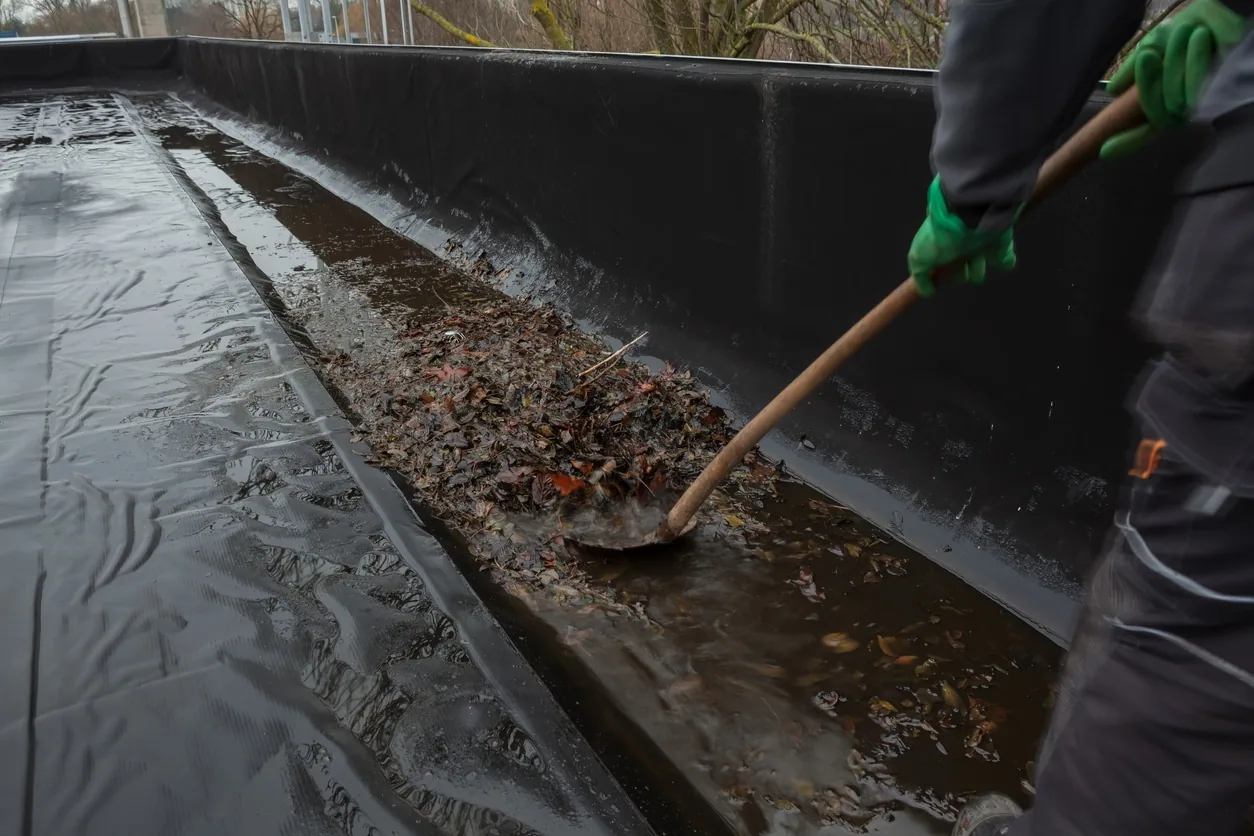
We examine the material around a leak or visible defect before selecting a repair detail. At a drain, wall, curb or seam, the roofer needs to understand how the existing system meets that connection and where sound material begins. If removal reveals wet insulation, compromised cover board or a damaged deck, we photograph and describe the condition, then seek authorization for the changed quantity. A repair boundary should state what the new work joins and what condition remains outside the requested scope.

A flashing repair corrects a transition only when the inspected detail supports that work. A drainage investigation may be a separate decision if water remains because of slope or outlet conditions rather than a failed roof layer. We compare a defined repair with commercial roof replacement by laying out removal, new assembly layers and perimeter tie-ins. The agency can then review what each option completes and which design or approval questions remain.

How is the project code question verified?

Garland’s 2015 International Energy Conservation Code and 2015 International Building Code took effect September 19, 2016. The responsible authority and design professional should confirm which provisions apply to the public project’s ownership, jurisdiction, scope and agency standards. We describe the roofing construction and proposed operations accurately, and we avoid representing a code conclusion that has not been made for the work.

Where procurement documents or design drawings control the assignment, we identify the requested roofing materials, detail conditions, quantities, alternates and exclusions that can be verified. If a drawing or specification conflicts with exposed conditions, we record the difference and refer it to the agency’s designated reviewer before the work proceeds. A general contractor coordination plan can be useful when roofing is one package in a larger project, while a school district roofing review follows the same evidence discipline for a different public owner.

Commercial Roofing for Public Agencies in Garland, TX

Which records should remain available after closeout?

We close a public roofing assignment by checking the completed work against its approved boundary, recording the repaired transitions and listing unfinished items. Photographs should show the location and surrounding context, not only a close view of a material. If a temporary cover remains, we identify the return work or other party needed to finish the permanent detail. The agency receives a record of roofing operations actually performed and findings that were accessible, with unexamined areas left outside the conclusion.

Send the Garland facility address, the roof concern and the representative authorized to arrange inspection. We can document the accessible construction and present a repair or renewal scope with the decisions still needed for agency review. For a specific property such as Downtown Garland, the public owner’s contact supplies the current access and approval instructions. We then keep the technical findings attached to that address so a later reviewer can understand which building and roof area the records describe.

Public owners can improve roof procurement by defining the condition record expected at each stage. Before a bid or repair authorization, identify which roofs were inspected, which areas were inaccessible, and whether any exploratory openings are included. A field change should show the observed layer, the quantity affected, and the decision required from the authorized representative. Keep a record of temporary protection, permanent materials, and remaining exclusions so agency staff can reconcile the closeout with the contract. If the project includes a public access route, assign the person responsible for closures and reopening separately from roof safety controls. This keeps the construction file clear without promising a procurement outcome or assuming one agency's approval process applies citywide.

Commercial Roofing for Public Agencies in Garland, TX

Common Questions

Does a municipal facility listing establish roof access rules?

A municipal directory confirms a facility identity and address only. The agency’s authorized representative supplies current access, staging, restricted-area and work-window instructions.

Can a proposal include concealed repairs before the roof is opened?

It can identify an allowance or unresolved condition, but concealed quantities should be verified after authorized removal and submitted through the agency’s approval path before covering.

Does Garland’s model-code list settle code requirements for every agency project?

The published code list is a reference, not a project determination. The responsible authority and design professional establish jurisdiction and applicable requirements.

What should closeout records show?

They should locate the completed roofing work, describe the approved boundary and connections, record findings and identify unfinished or unexamined items.

Commercial Roofing for Public Agencies in Garland, TX

Prepare a facility-specific roof scope

Share the Garland address, the observed roof concern and the agency contact who can release access and review changes. We can document the available construction and define the work boundary for that facility.

Call 555-555-5555 or request a roof assessment.

Questions About Your Roof?

ServicesRoof SystemsProperty TypesIndustriesService AreasDamage RepairCapabilitiesManufacturersAboutRequest a Roof Assessment555-555-5555
Call us today555-555-5555