Commercial Roofing for Insurance Restoration in Garland, TX

Commercial Roofing for Insurance Restoration in Garland, TX

Insurance Restoration

Industries We Serve

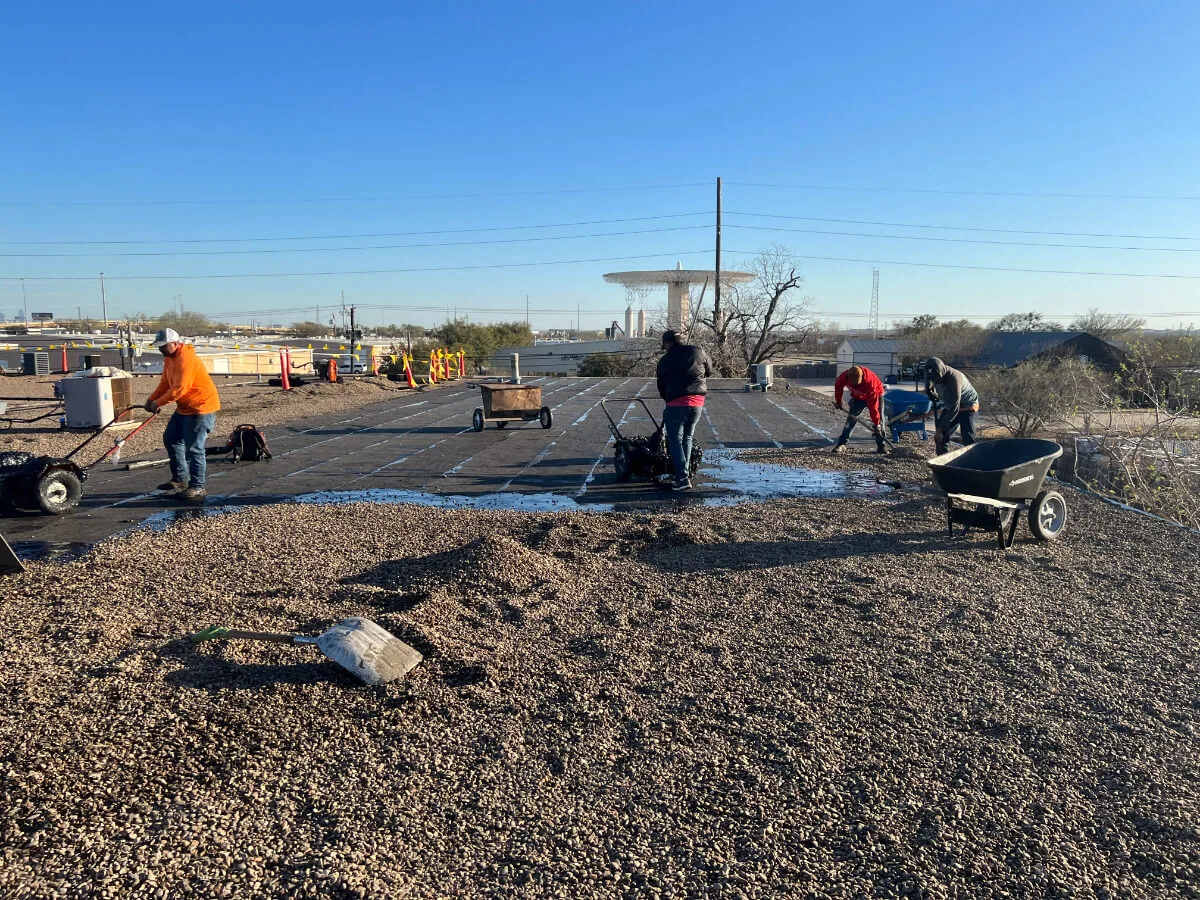
After a reported loss, the roof scope needs to distinguish observed damage, temporary protection and permanent construction. We examine the accessible area, document its material and connections, and state what removal or repair would address. We prepare the roofing observations, photographs and repair scope for the owner and restoration team to review alongside the separate claim, interior and structural decisions handled by their responsible parties.

Hail, tornadoes and damaging wind are part of the North Texas weather risk. For a restoration assignment in Garland’s commercial districts, record the reported event and inspect the affected roof zones before separating observed impact from age, prior repairs or unrelated wear. Commercial properties around the Garland Medical District and Highway 78 serve different operations, so the inspection boundary should follow the owner’s concern and the building’s accessible roof areas. A clear field record identifies the observed condition, temporary protection considered, and permanent work proposed without blending roofing work with interior drying, contents handling or coverage decisions.

Downtown Garland is a designated reinvestment and mixed-use area. For a claim involving a property there, tie the storm date, inspected roof zone, and repair boundary to that building's own evidence and approved scope.

What can the roof record establish after a reported loss?

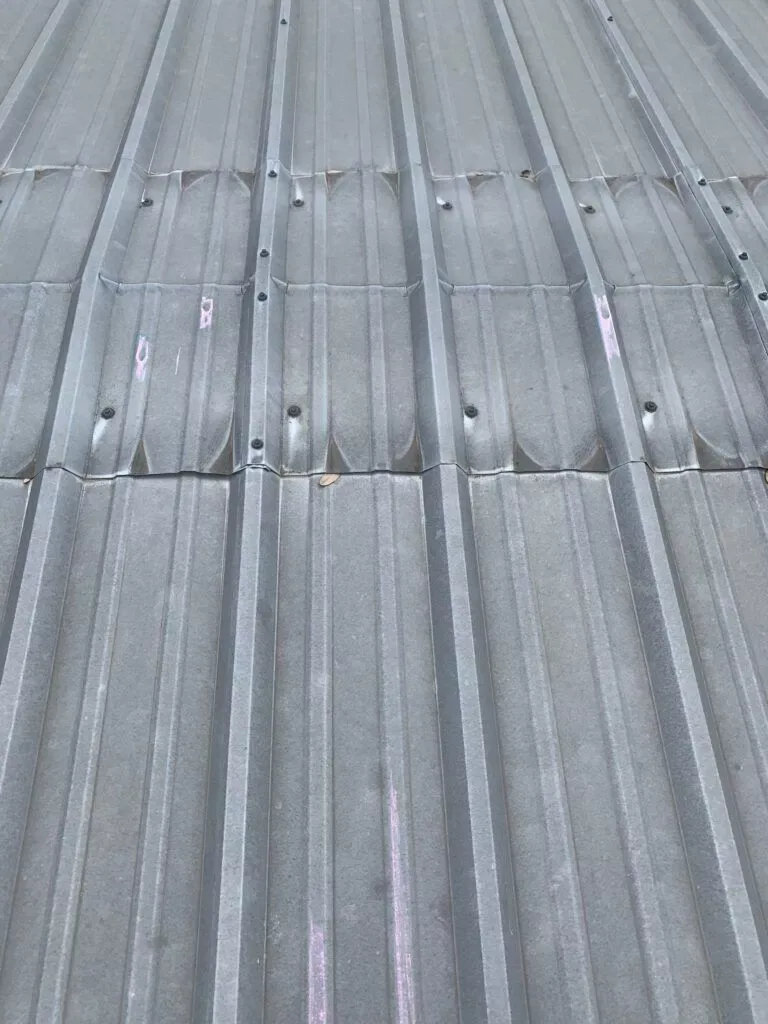
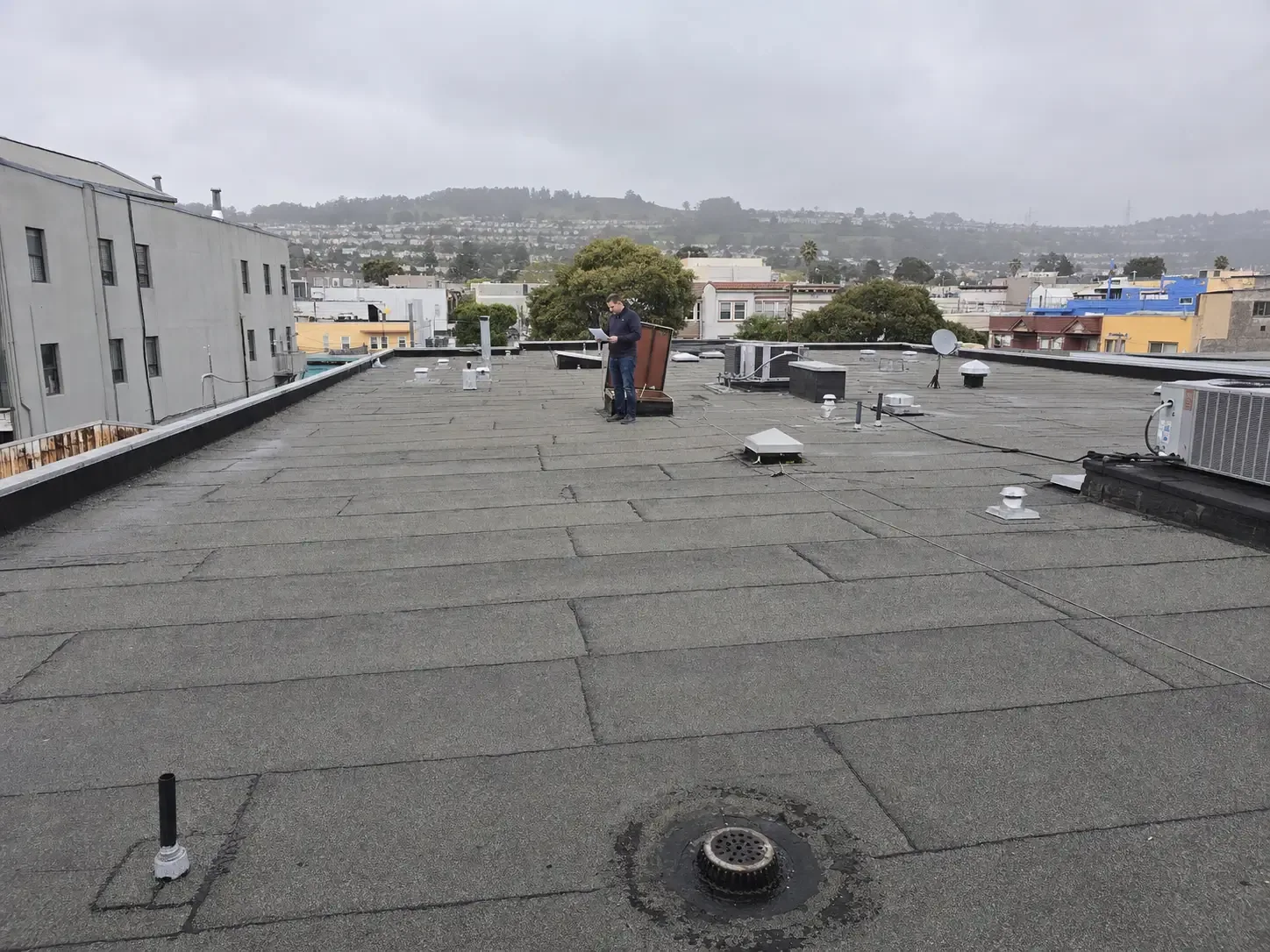
We can document the area examined, visible material, reported leak locations, seams, penetrations, perimeter conditions and any opening found. Photos should identify where each condition sits on the building as well as show its detail. We note access limitations, pre-existing conditions visible during the visit and any question that needs another evaluator. When a condition is concealed, we record it after authorized removal and before the material is covered. That gives the owner a basis to compare a repair scope with the exposed construction.

A commercial roof inspection can distinguish the roof observations from interior drying, contents handling, electrical work and structural evaluation. If an opening is present and access permits a response, temporary protection can be considered while a permanent detail is developed. We specify the boundary covered and any return task rather than treating temporary material as completed restoration. The restoration contractor can coordinate its own operations against that information.
Commercial Roofing for Insurance Restoration in Garland, TX

How should regional hazards be separated from site evidence?

Use the owner's event timeline to focus inspection and record roof conditions at each affected zone. Impact marks, edge displacement, open seams, punctures and water staining may have different explanations. We compare the report with accessible construction, distinguish visible condition from interpretation, and identify when an adjuster or specialist must determine cause. Keep pre-existing conditions separate from new findings.

Spring and fall storms can bring heavy rain to the DFW area. For a reported Garland loss, compare the owner’s event timeline with the roof conditions observed at the affected zones, and keep unrelated aging or prior repairs separate in the scope. If the reported work involves hail-related roof concerns or tornado-related damage, we document each area and the construction it affects. We keep each reported event and affected roof zone distinct unless inspection connects the conditions and the owner approves a combined scope.

Commercial Roofing for Insurance Restoration in Garland, TX

Which repairable construction belongs in the estimate?

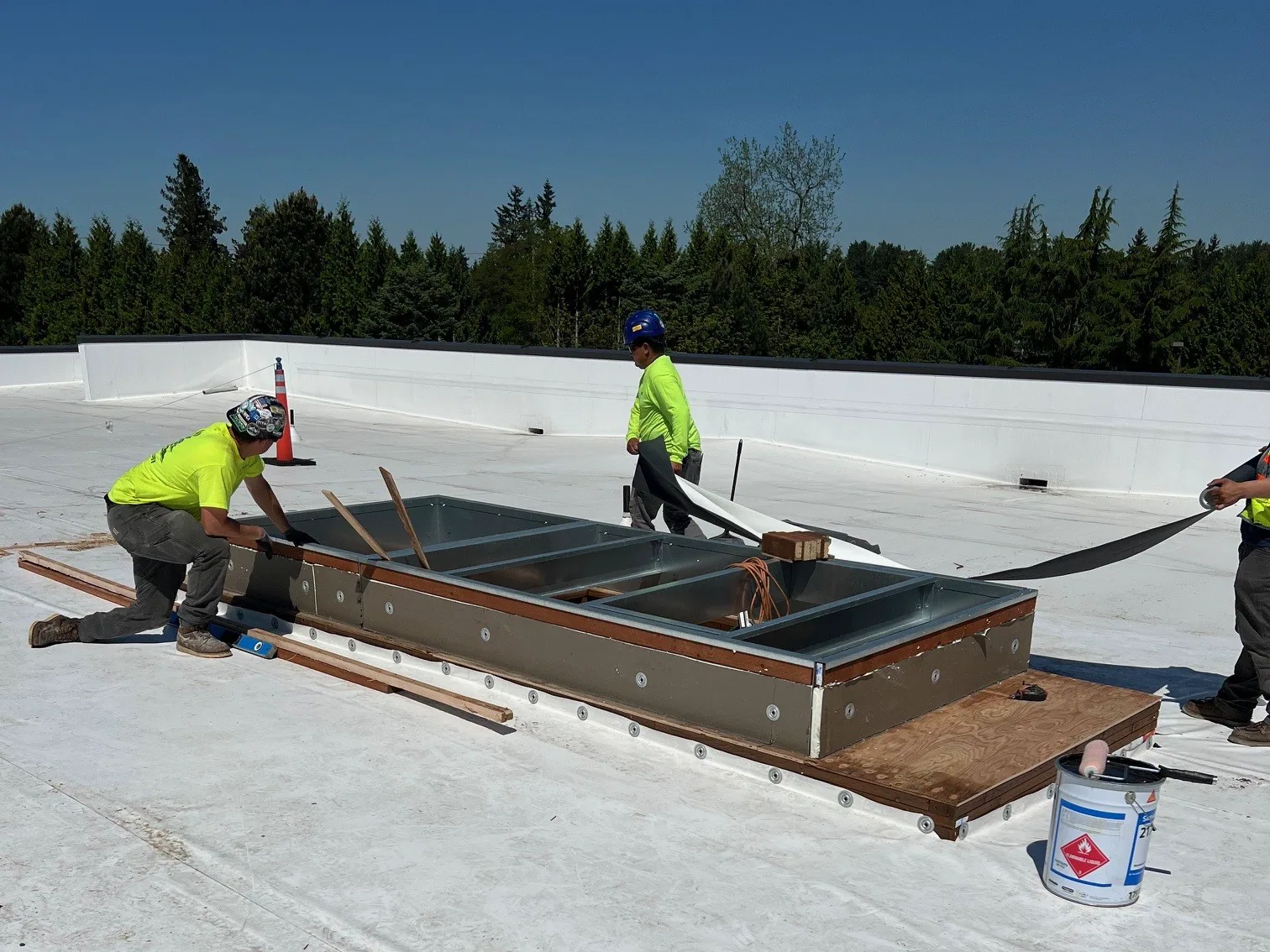
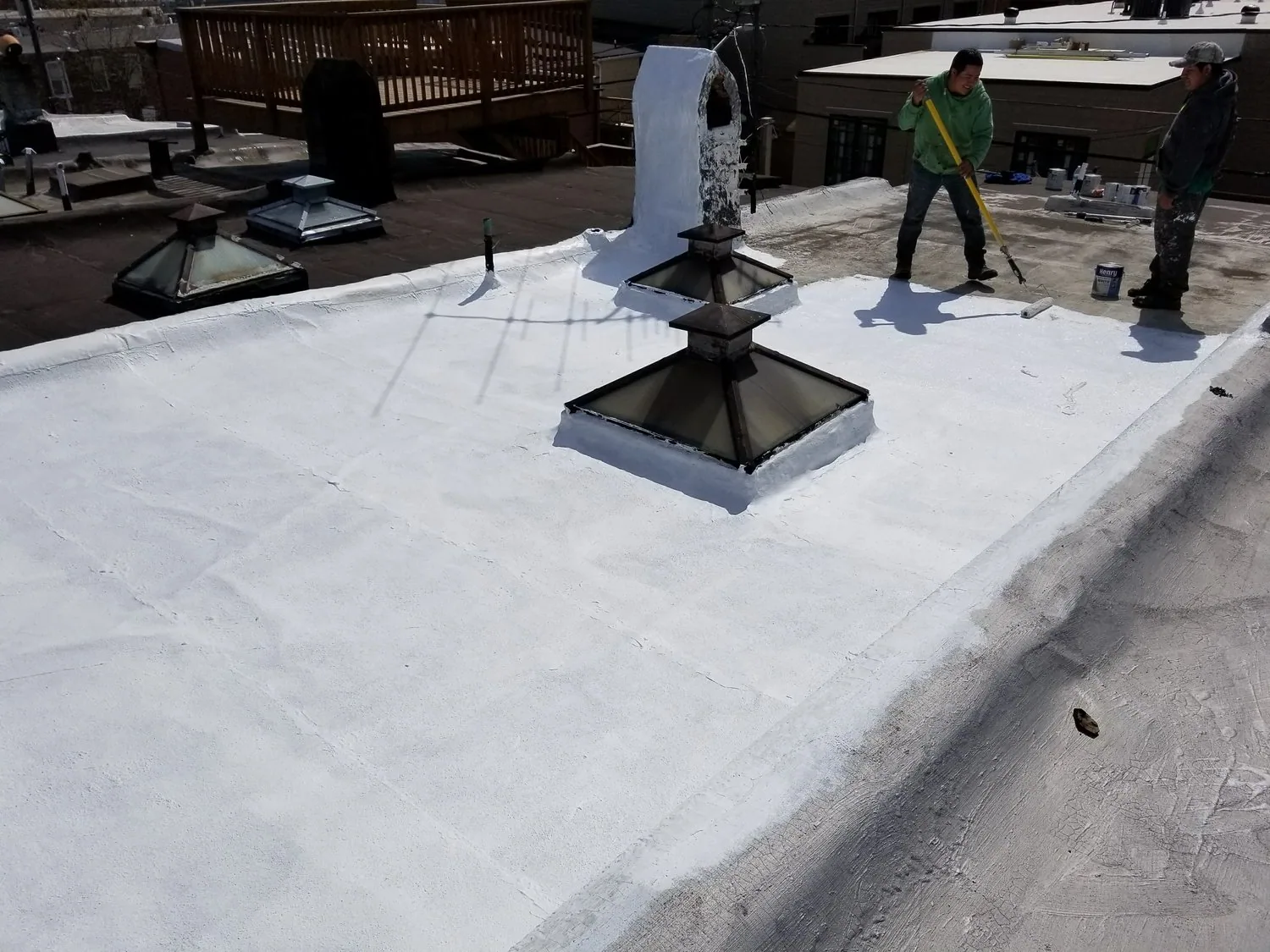
A roof repair proposal should identify preparation, compatible materials, transitions, quantity and the point where work terminates. If removal exposes wet insulation, a damaged deck or a broader failure than visible from above, we document the finding and present the added scope for authorization before covering it. The owner can then discuss that construction with the restoration team and adjuster. The proposal should not promise reimbursement or imply that an adjuster has accepted work that remains under review.

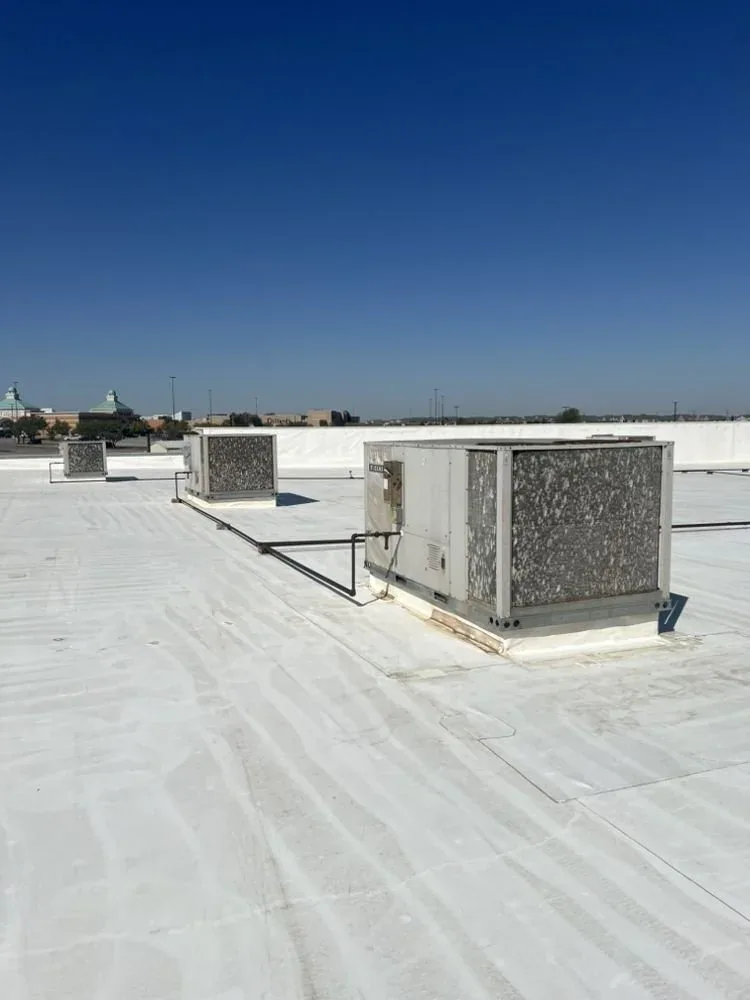
If the observed condition supports a local repair, we describe its limit and the surrounding material left in place. A flashing correction or seam repair should explain the roof connection being restored. If broader renewal is recommended, a commercial roof replacement scope should set out removal, replacement layers and tie-ins. The owner can compare each option by the construction it completes and the residual conditions it leaves.

Who controls each restoration handoff?

The owner controls property access and the approval route. The restoration contractor coordinates interior drying or reconstruction. The adjuster and insurer determine claim administration and policy questions. We describe the roofing task, access boundary, temporary exposure and permanent repair detail within our assignment. If another trade must move equipment, isolate utilities or restore an interior finish before the roof connection can be completed, we identify the dependency and the return condition.

For Garland restoration work, the project professional and building authority confirm the code edition and permit path that apply to the specific repair before details or sequencing are finalized. A roof condition report can keep photographs, locations and scope observations together. If the loss involves a public facility, public agency review may add its own approval process; where a GC is managing construction, general contractor coordination can define trade interfaces.

Commercial Roofing for Insurance Restoration in Garland, TX

What should the roofing closeout document?

Before closeout, we inspect completed roofing details against the approved scope, document repaired connections and list any open boundary or return visit. We list conditions that were not examined or remain assigned to another trade. The closeout describes the roofing performed and the findings observed, while the restoration team and insurer continue their separate reviews. If the owner is considering broader work, we identify which roof areas are complete and which remain under review.

To discuss a Garland restoration assignment, provide the property address, event or leak information available, current access status and contact who can approve the roofing work. We can examine the released area and prepare a condition-based scope for the owner’s review with its restoration partners. For any healthcare or civic restoration property, confirm current access, the authorized contact and the roof zones released for inspection before setting a work window. We base the roofing scope on the inspected construction and the owner's approved work boundary.

A restoration estimate is stronger when each proposed line item connects to a roof observation and a specific work boundary. Record the weather event as the owner reports it, inspect the roof surface, and separate visible impact or displacement from age, prior repairs, and concealed questions. Where an opening is authorized, photograph the layers before replacement and note any condition that changes quantity. Temporary protection should appear as its own completed task, not as proof that the permanent repair is finished. The property representative and adjuster can then review what was observed, what work is proposed, and what remains subject to approval. The adjuster can compare those observations with the policy and claim file; the roofing scope remains a description of work supported by the inspection. Include the material, repair limit, temporary-protection status and any concealed area not opened so the reader can separate observed construction from follow-up work.

Commercial Roofing for Insurance Restoration in Garland, TX

Common Questions

Does a roofing report establish that insurance covers the work?

A roofing report records observations and proposed construction. Coverage, causation and claim decisions belong to the insurer and other responsible parties.

Can temporary protection be included before a claim decision?

It may be discussed when the area is released and an opening can be approached safely. The owner approves the work and receives a clear description of its temporary boundary.

What happens when roof removal reveals additional damage?

We photograph and measure the exposed condition, explain the added roofing operation and present it for authorization before covering it.

How do you determine whether a Garland roof needs storm repair?

We inspect the property's roof for the reported impact, displacement or opening, then document the construction and repair boundary found there.

Commercial Roofing for Insurance Restoration in Garland, TX

Prepare a roof scope for restoration review

Share the Garland address, available event or leak details, released access area and owner contact. We can document the inspected roof construction and state the repair boundary for the restoration file.

Call 555-555-5555 or request a roof assessment.

Questions About Your Roof?

ServicesRoof SystemsProperty TypesIndustriesService AreasDamage RepairCapabilitiesManufacturersAboutRequest a Roof Assessment555-555-5555
Call us today555-555-5555