Commercial Roofing in Plano, TX

Commercial Roofing in Plano, TX

Plano

Service Areas

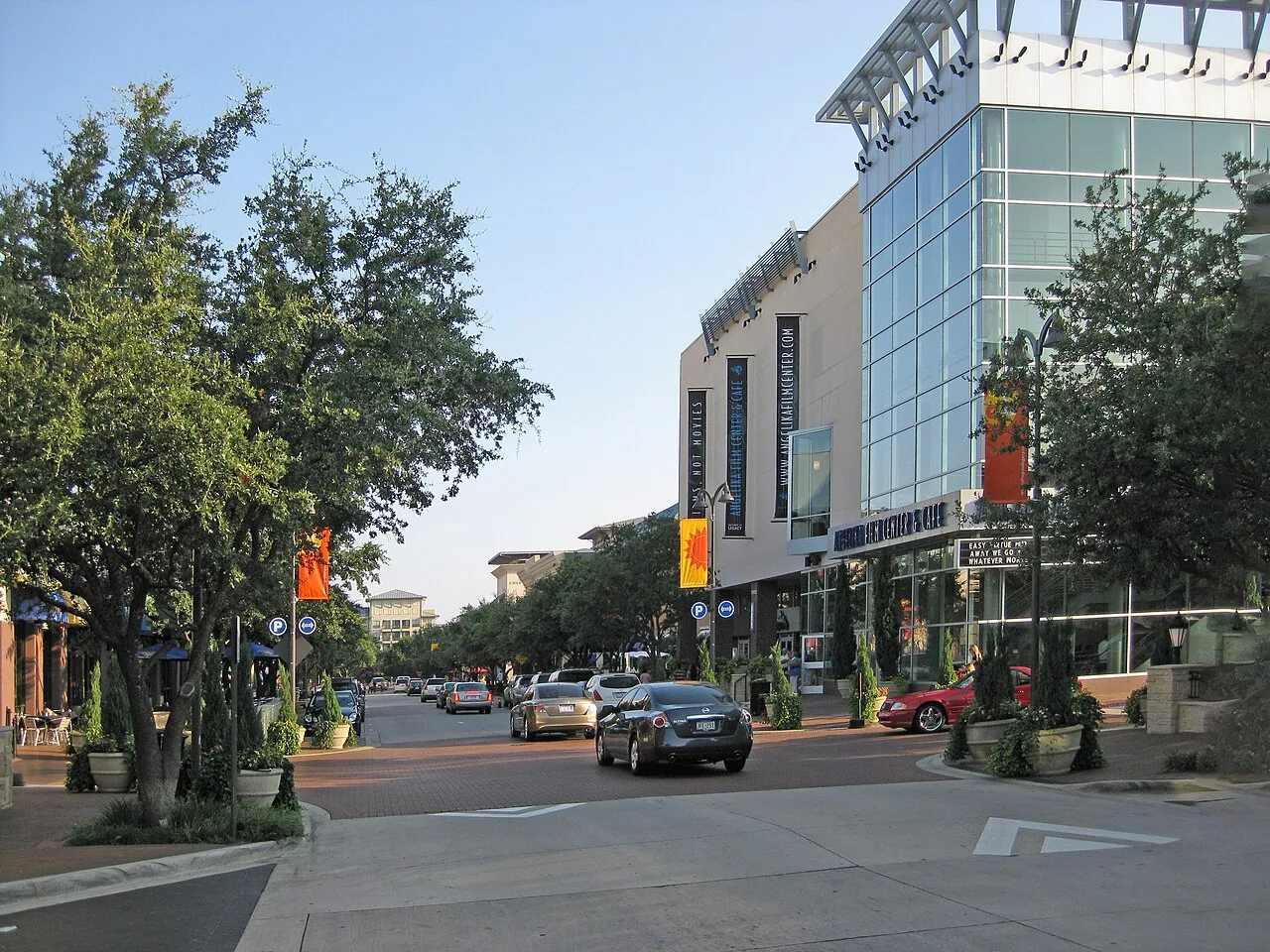
Water entering beside a parapet can move behind a wall before it shows inside an office or retail space. Plano, TX, has multiple heritage districts and a Downtown Plano reinvestment area supported by local planning tools. That broad redevelopment context makes reliable roof records useful, while the repair still has to be based on the building’s specific assembly and failure. We inspect the affected zone, show what can be corrected, and identify what remains uncertain.

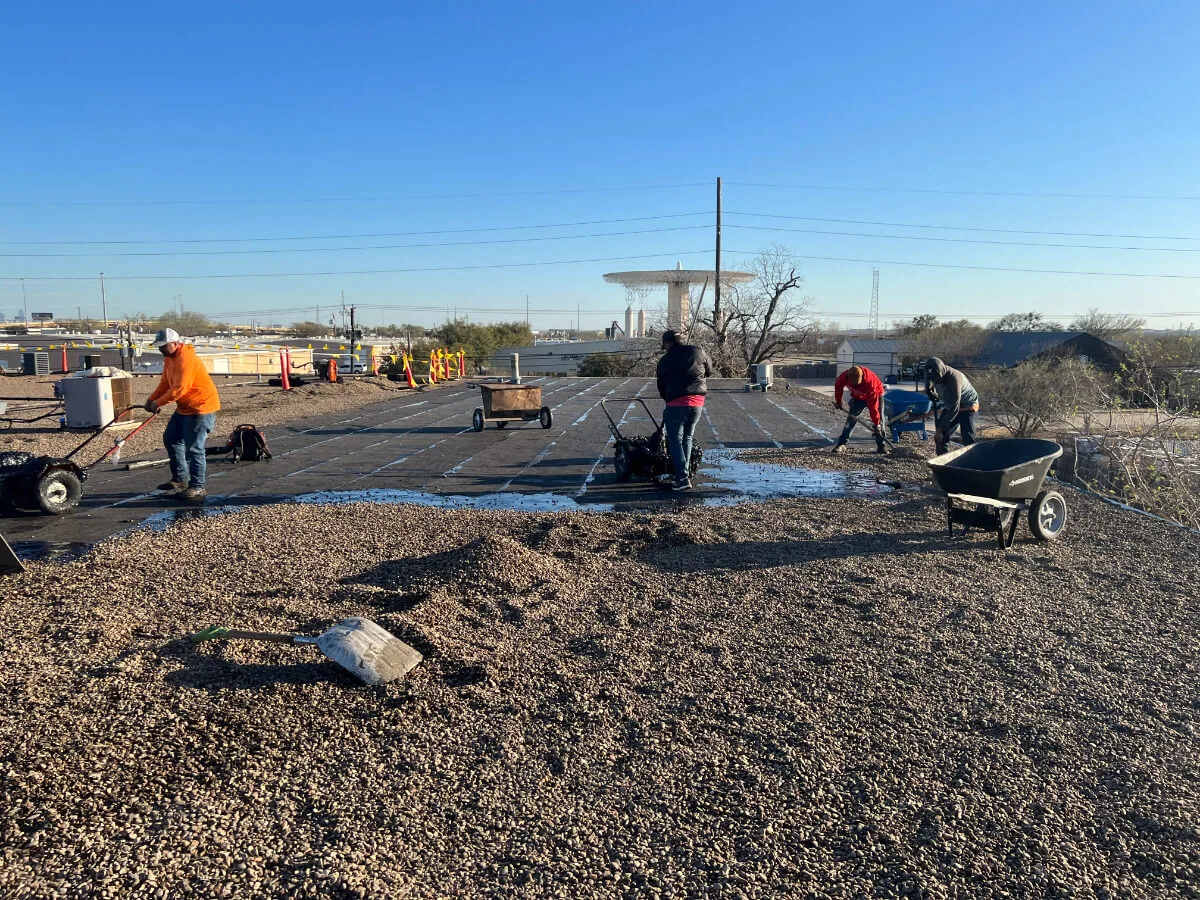
For active water entry, emergency roof repair can control exposure while permanent work is prepared. A commercial roof inspection documents the roof details and the repair boundary.

How should an owner prepare for inspection?

Provide the property address, the interior room or roof section involved, and the building contact who can arrange access. Note whether water appeared during a storm, after mechanical work, or without a clear trigger. A photograph of the interior can help locate the concern, but the inspection must trace it through the roof and identify the failed material before a permanent scope is set.

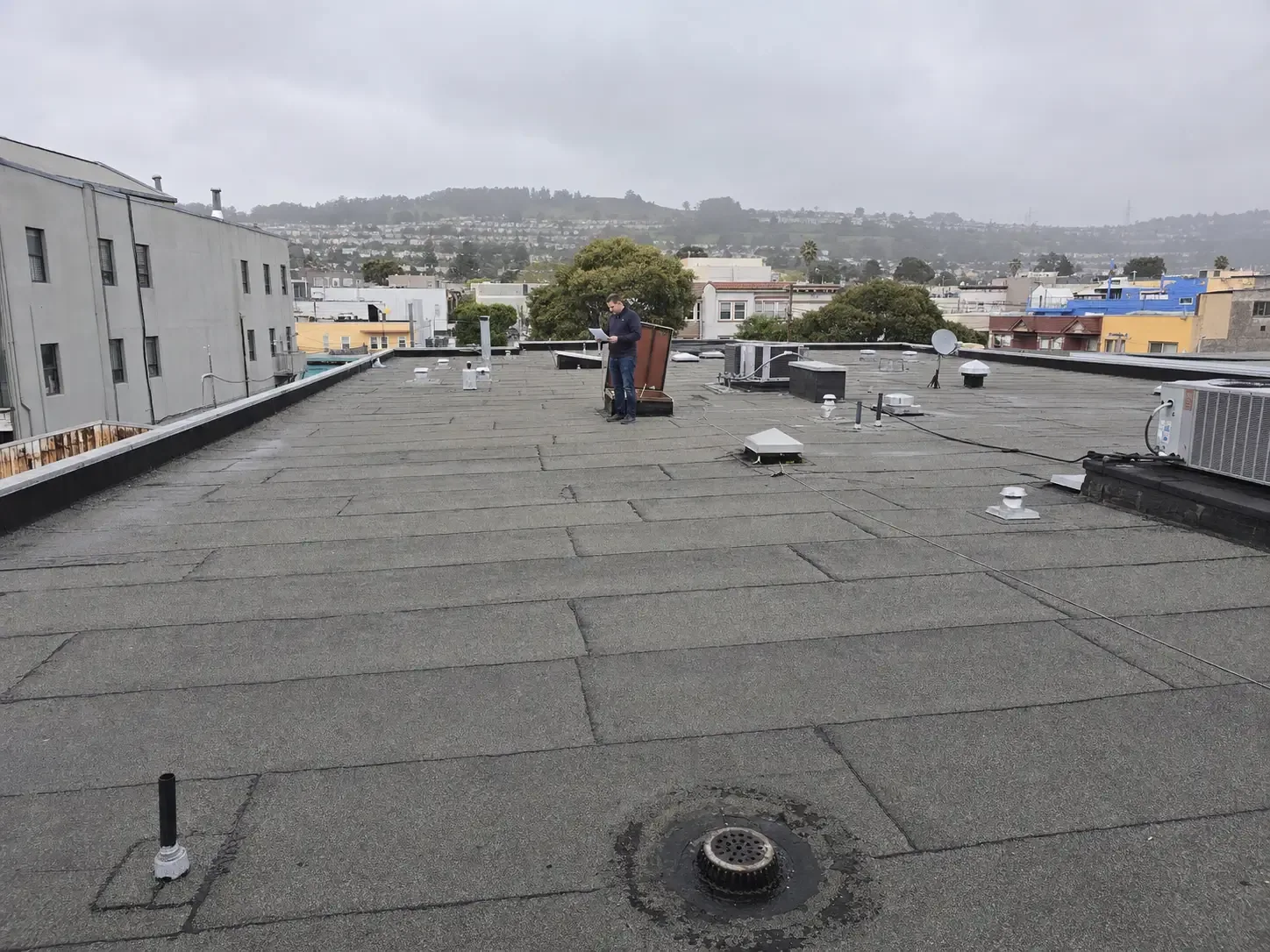
Map each building and roof level separately. Include drains, scuppers, wall lines, curbs, skylights, expansion joints, and previous repair areas. On a large roof, identify the nearest bay or fixed equipment so a crew can return to the same detail. Confirm which surfaces are accessible and whether equipment must remain in operation during the visit.

Plano’s business and planning resources cover commercial development, historic districts, and reinvestment areas. At each Plano property, confirm the existing roof assembly from available plans and field inspection before setting repair details. Confirm the building use and any preservation or access requirements directly with the property representative before selecting work methods.
Commercial Roofing in Plano, TX

Why can water appear away from the opening?

Water can move beneath a membrane, along a deck flute, or behind a parapet before it reaches the interior. The stain may sit several feet from the failed seam. Inspect above the symptom and nearby details, then trace outward to roof slopes and drainage. Look for open laps, a punctured surface, failed base flashing, loose coping, or a drain connection that allows water beneath the assembly. Keep the source as a finding only when the observed material supports it.

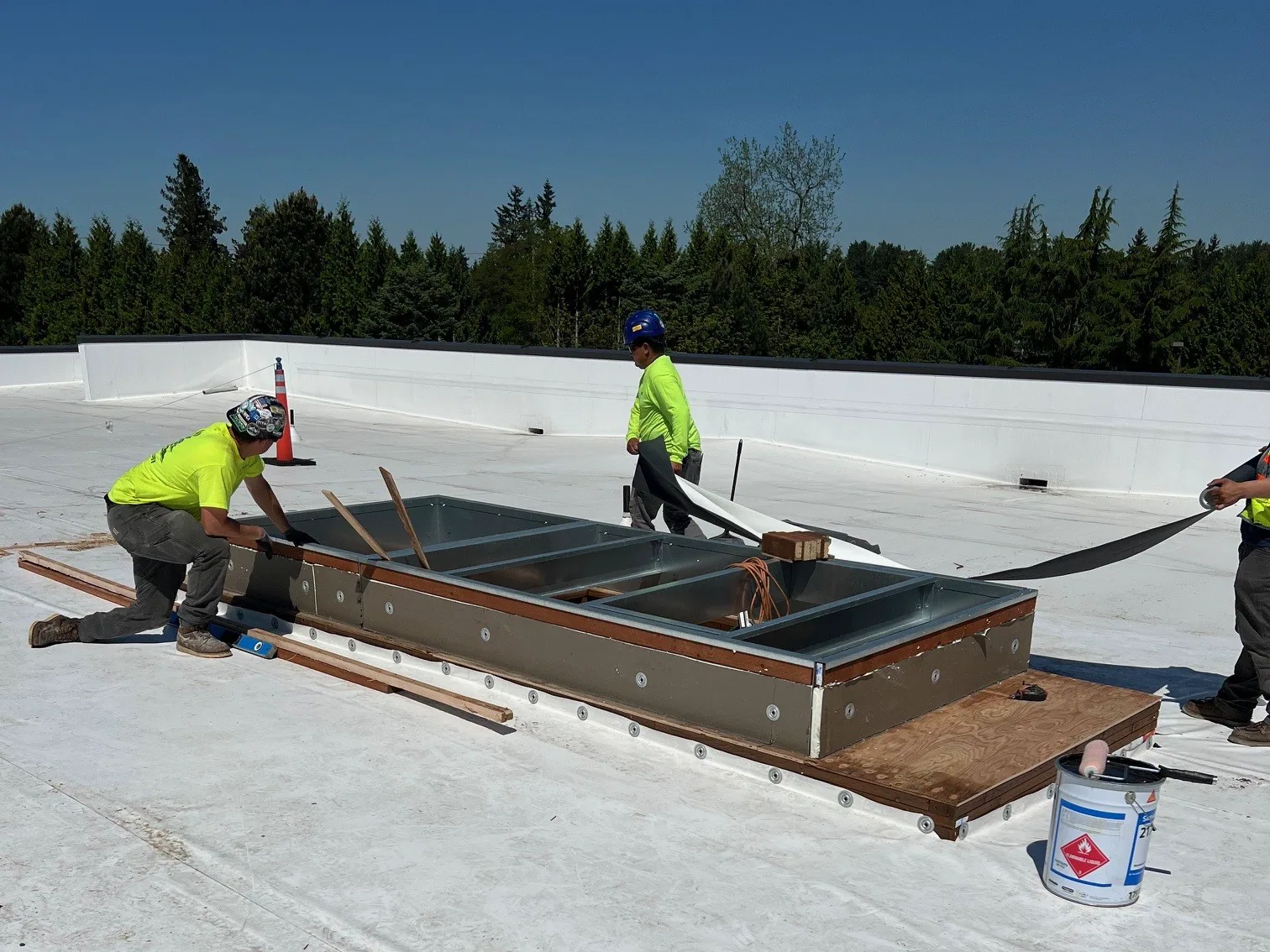
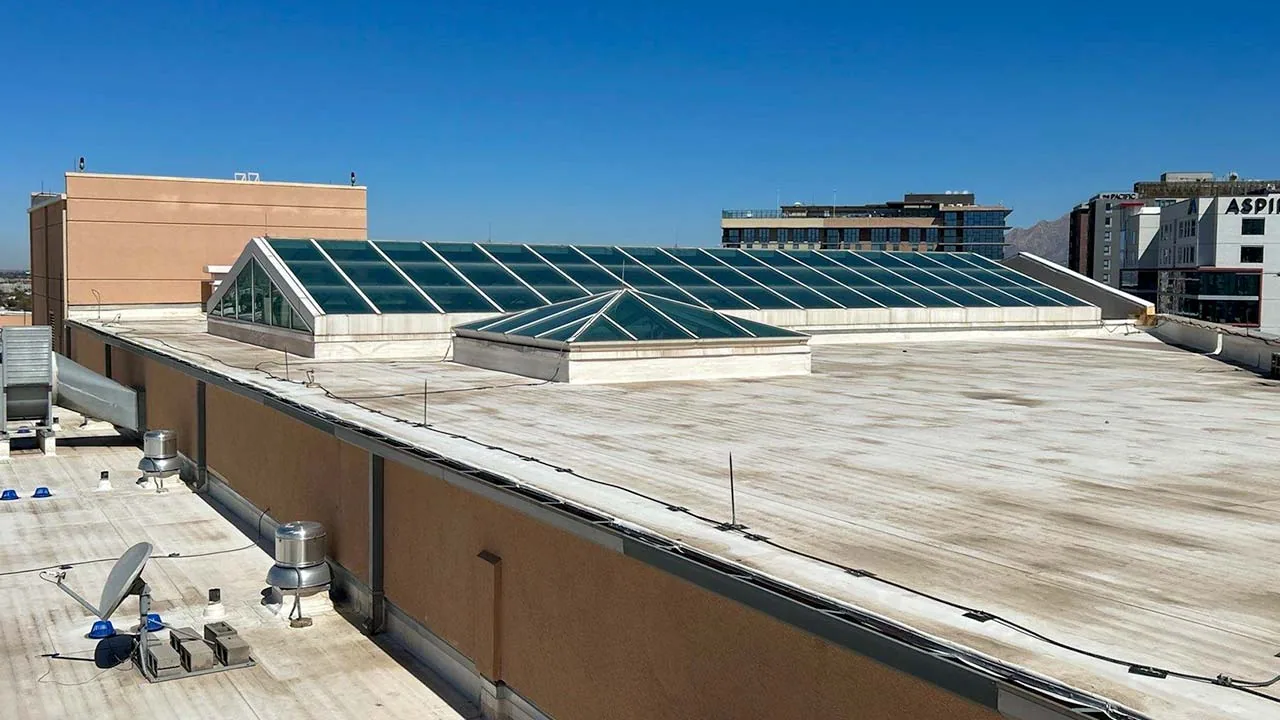
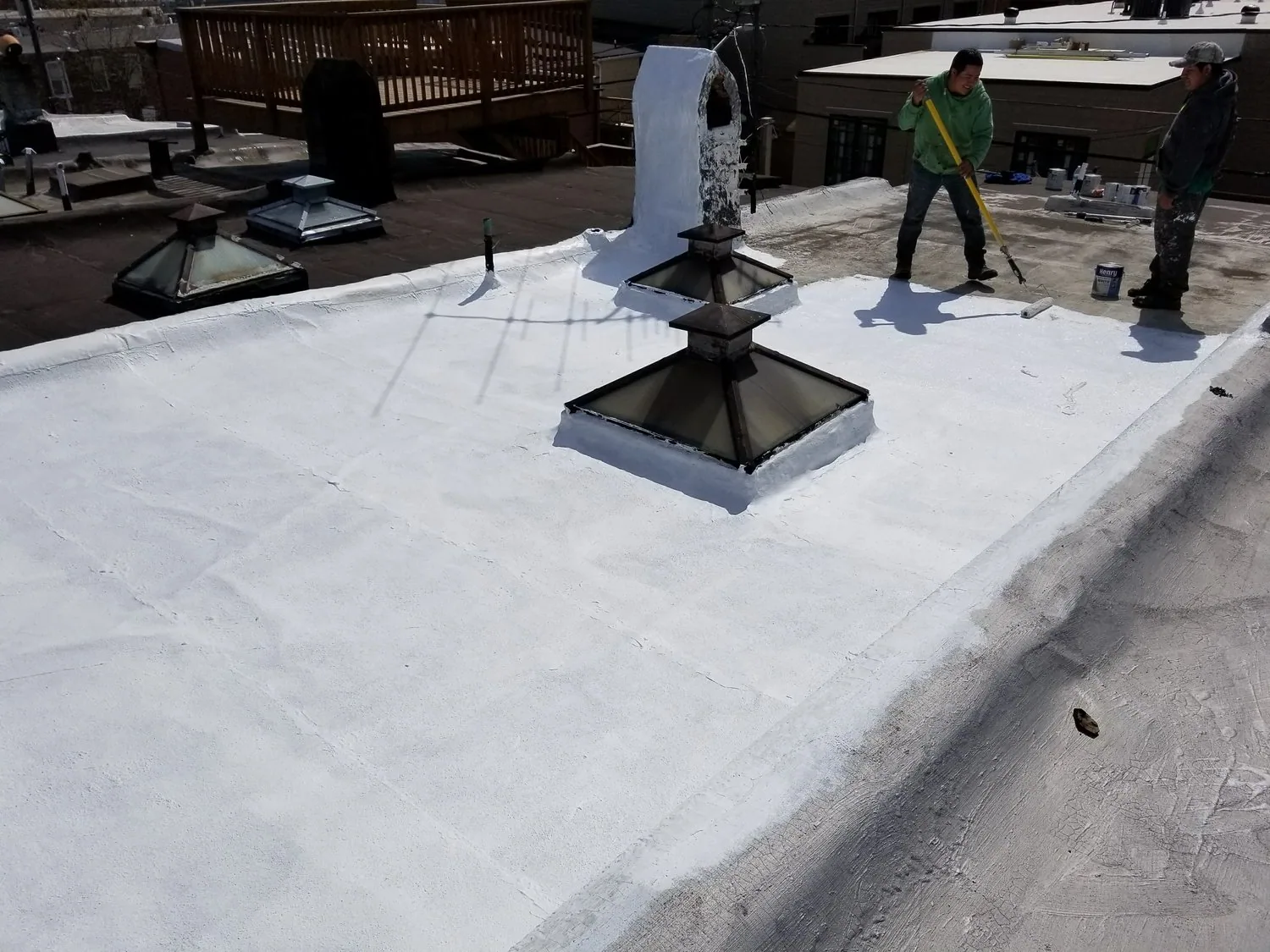
At a wall transition, inspect the membrane termination and metal coping together. At equipment curbs, look at each corner, the base flashing, and any recent service work. At a skylight, verify the curb and surrounding membrane rather than assuming the glazing itself is the roof issue. Photograph the finding with a fixed reference and record any area that could not be inspected.

For an owner managing several sites, roof condition reporting can connect photos to stable roof-zone names. Keep a separate record for each building so a previous repair at one address does not become the assumed cause of another leak.

Commercial Roofing in Plano, TX

What should be checked after heavy rain?

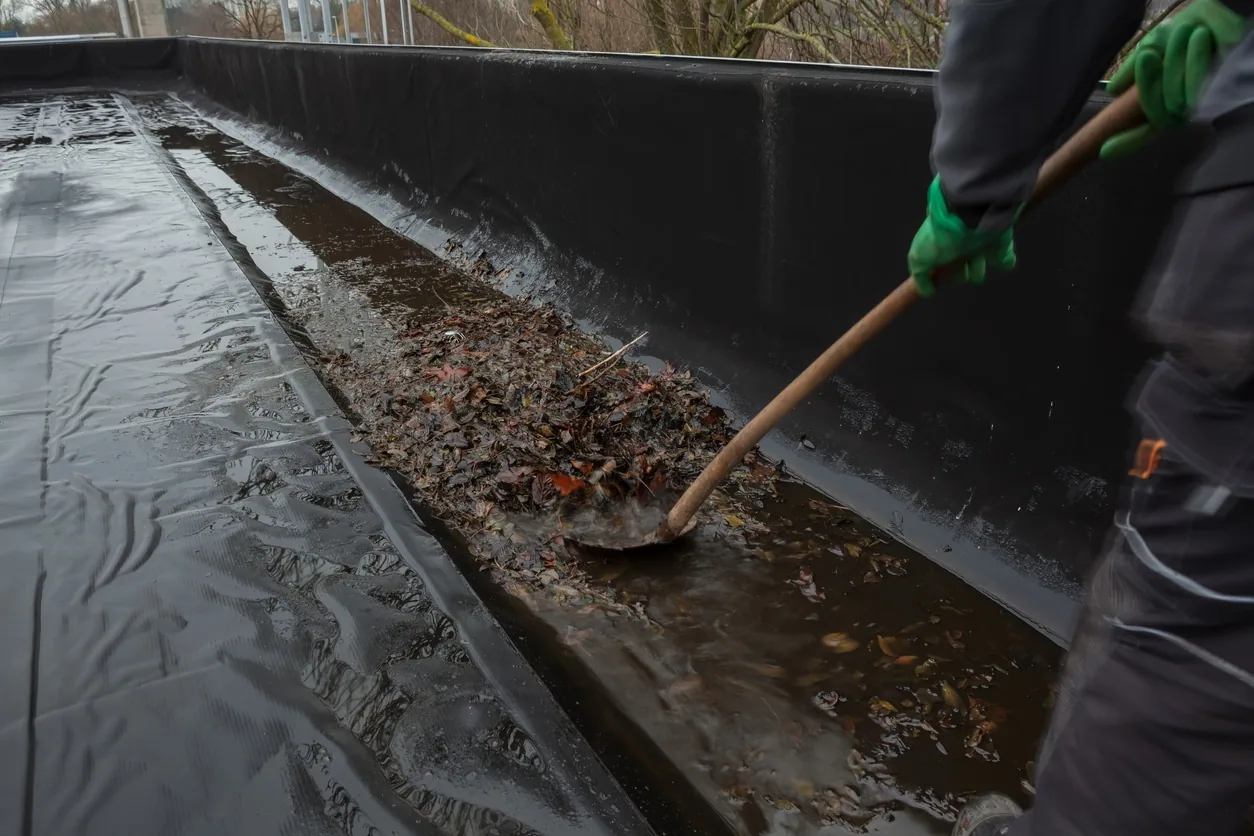
Inspect the drainage path from the roof high point to the outlet. Note blocked strainers, waterlines at scuppers, debris, and ponding that persists after surrounding areas clear. If a drain is open but water remains, check whether slope, insulation, or the deck has created a low section. A new patch near the outlet will not correct a low point that continues to hold water.

Dallas-Fort Worth spring and fall storms can bring periods of heavier rainfall. After a storm, photograph outlets and membrane seams, then distinguish an obstruction from a damaged connection. drain and scupper repair should describe the bowl, flange, sleeve, and surrounding roof included. If an edge or curb also failed, keep that work as its own line item.

Where water reached an occupied room, protect equipment and finishes while the roof is evaluated. Temporary protection can reduce exposure but does not confirm insulation condition. If a test opening is needed, specify its position and closure method before removal begins, then share what the opened assembly reveals before the owner approves an expanded scope.

Which roof correction is appropriate?

Identify the installed roof system before selecting a patch. TPO, EPDM, modified bitumen, built-up, and metal systems have different seam and flashing details. Determine whether a prior coating changes the receiving surface and whether the substrate is sound. A permanent repair should connect to material that remains attached; loose edges or wet insulation may need removal before new flashing can hold.

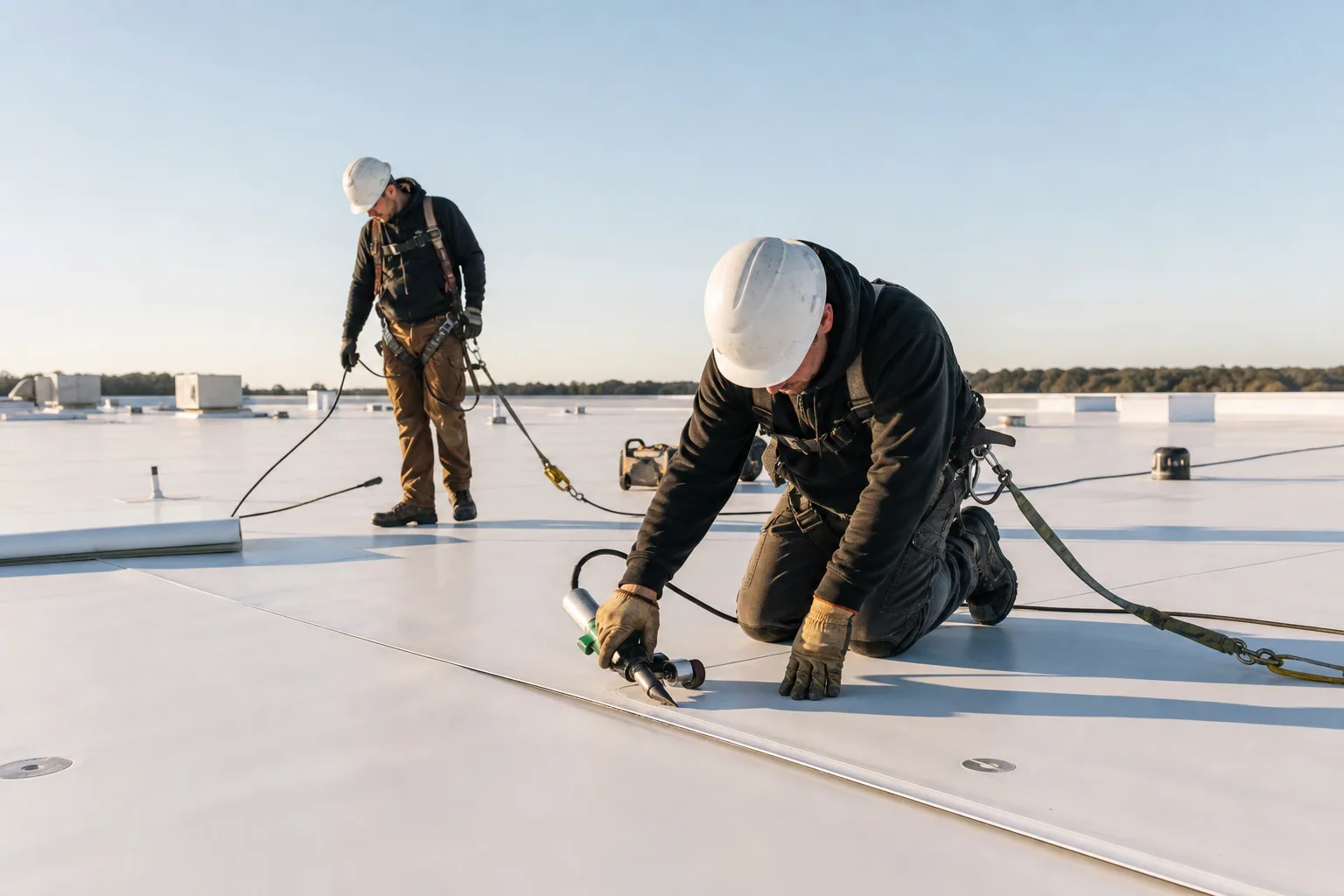
For single-ply roofs, TPO repair uses a welded seam, while EPDM repair uses another joining method. Confirm the membrane from inspection or reliable property records. If deterioration spans multiple zones, compare localized work with replacement. Include tear-off, insulation, cover board, edge metal, drains, penetrations, and protection in a replacement scope. A coating is not a substitute for repairing a wet assembly or failed attachment.

Plano project requirements depend on the property, permit, and scope. Confirm what applies before changing insulation, attachment, drainage, or roof height. Put the assembly and detail requirements in the proposal so the owner can review the intended system.

Commercial Roofing in Plano, TX

What should proposals explain?

For a repair, state the roof zone, observed failure, measured area, material, and tie-in. Separate confirmed work from any allowance for concealed conditions. If the crew may need to open the roof, set an approval point and describe how it will remain dry while the owner reviews photographs. Do not bundle interior finish or mechanical work into roofing quantities without identifying who performs it.

A replacement scope should show which roof areas are included, what is removed, whether insulation or cover board changes, how drains and edges are rebuilt, and what protection is used each day. Cost and timing depend on access, material delivery, roof height, substrate, and occupied-building requirements. A schedule should name the zone that will be closed at each stopping point.

A commercial roof replacement proposal should compare the same areas and assembly assumptions as the repair option. For a second location in Garland or Richardson, use a separate survey rather than transferring Plano quantities or roof history.

Commercial Roofing in Plano, TX

What should remain in the roof file?

Record the property, building identifier, roof zone, date, materials installed, and before-and-after photographs. Note what was removed, whether concealed layers were opened, and any area outside the approved work. If testing occurred, state what was tested and the result. A closeout that identifies remaining work gives the owner a clear next decision rather than a generic completion note. If contents were moved during repair, record where they went and whether they need drying or replacement.

A preventive maintenance inspection can return to repaired seams, edges, outlets, and penetrations. Compare each visit with the roof map and earlier photos. Reinvestment or tenant changes can alter access and work timing, so update building contacts and roof-entry information before the next visit.

For a nearby site in the Garland Medical District, retain a separate plan and condition history. After a regional storm, inspect each requested roof for its own impact, open seams and drainage conditions.

Commercial Roofing in Plano, TX

Common Questions

Can I rely on the ceiling stain to locate a roof leak?

No. Water may travel through the roof assembly before entering indoors. Inspect and document the roof above and around the symptom.

What should I provide for a multi-building inspection?

Give each building a name or identifier, roof plan if available, reported area, access contact, and operating constraints.

Does a historic district identify the roof assembly?

No. Confirm the materials and any property-specific preservation requirements at the site.

How do I compare a roof repair and replacement?

Compare the same mapped zones, materials, substrate assumptions, edges, drains, and concealed-condition approvals.

What belongs in a roof closeout?

Keep roof-zone references, photographs, materials, work completed, tests, limitations, and any remaining follow-up.

Commercial Roofing in Plano, TX

Arrange a Plano commercial roof inspection

Share the property address, affected roof or interior area, and building contact. We can identify the assembly, trace the condition, and define repair or replacement options.

Call 555-555-5555 or request a roof assessment.

Questions About Your Roof?

ServicesRoof SystemsProperty TypesIndustriesService AreasDamage RepairCapabilitiesManufacturersAboutRequest a Roof Assessment555-555-5555
Call us today555-555-5555