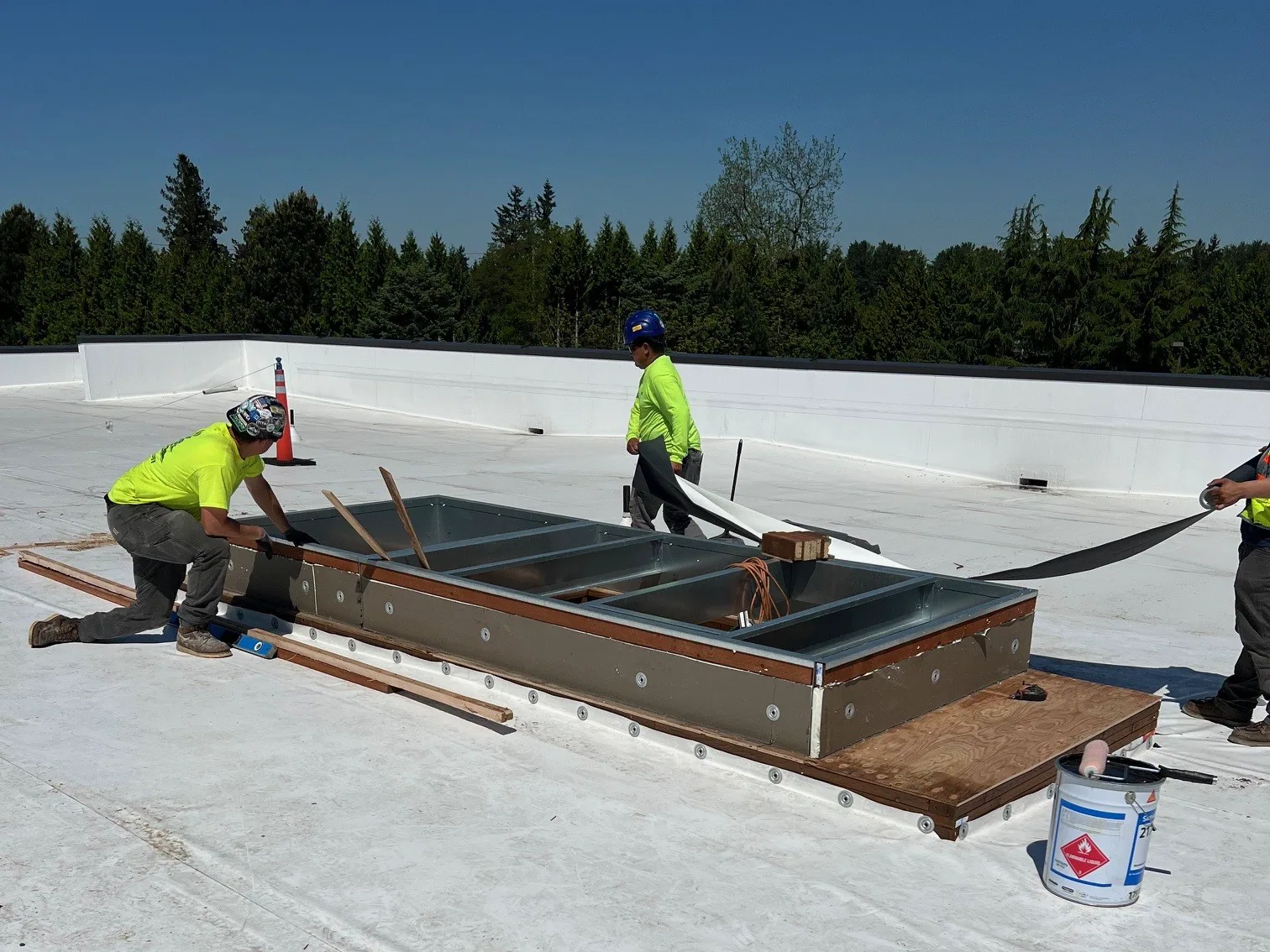
Standing-Seam Metal Roofing in Garland, TX

Standing-Seam Metal Roofing in Garland, TX

Standing-Seam Metal Roofing

Roof Systems

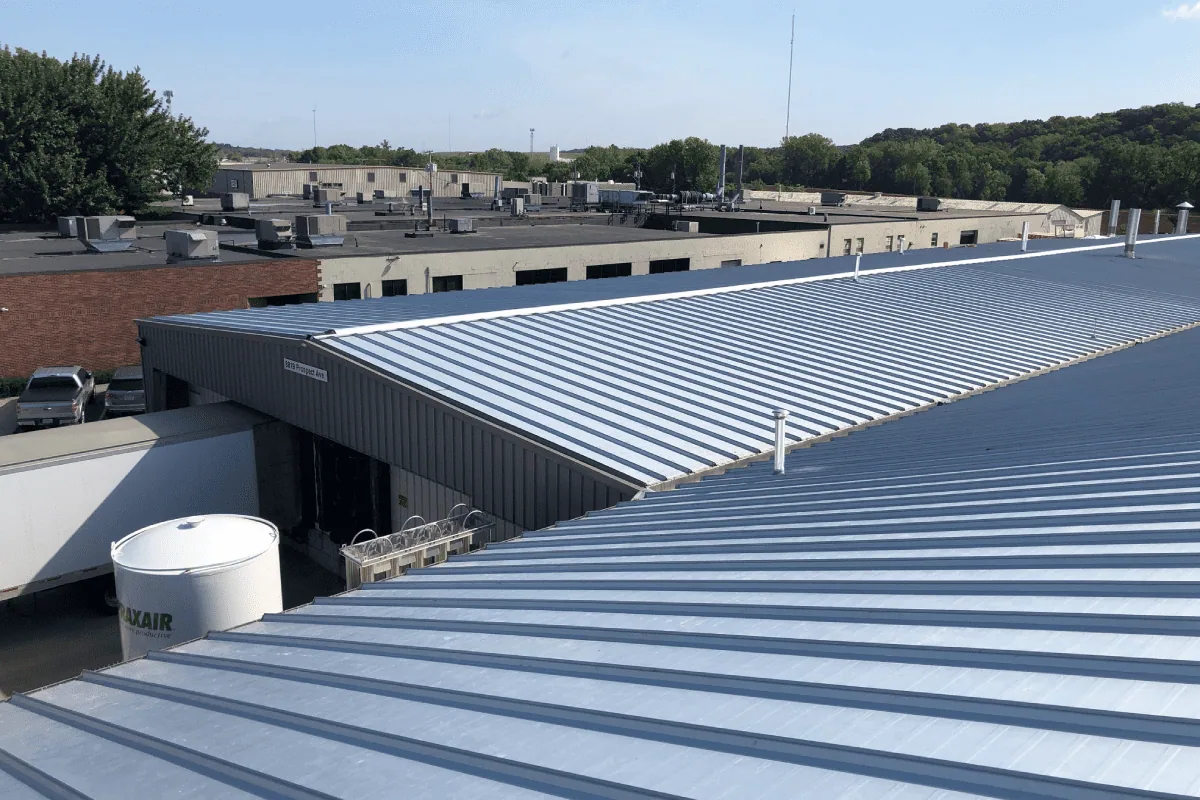
A standing-seam panel system moves as its metal warms and cools, so the clips, panel length and attachment details must be considered together. We inspect the actual panel profile, seam condition, supports, penetrations and perimeter before deciding whether a leak calls for a local repair or broader reconstruction. A metal surface can look continuous while a fastener, end lap or transition remains the point that admits water. The owner needs a finding tied to that exact connection.

Garland sits in the Dallas/Fort Worth region, where summers are hot and winter temperatures vary. Check panel movement, clips and fasteners as part of routine inspection, then scope any correction from the observed condition. For a property near Forest/Jupiter Station or Firewheel Town Center, use the exact property address and roof plan to set the inspection area.

How do panels and clips work together?

A concealed-clip standing-seam assembly uses connections selected for the panel profile, supporting structure and design loads. Some systems permit panel travel at clips as metal dimensions change with temperature; the clip and seam details must match the manufacturer’s assembly. A fixed point, sliding clip, fastener pattern or panel length cannot be selected by appearance alone. We inspect visible terminations and review records before describing what the installed connection can accommodate.

The Metal Construction Association’s clip guide focuses on clip-attached systems and calls for panel-manufacturer or structural-engineer input on specific selection. That is why a repair proposal identifies the seam and support actually present rather than applying one clip rule to every roof. If clips or fasteners are exposed during approved work, document their type and condition, then compare them with the applicable project details before closing the panel field.
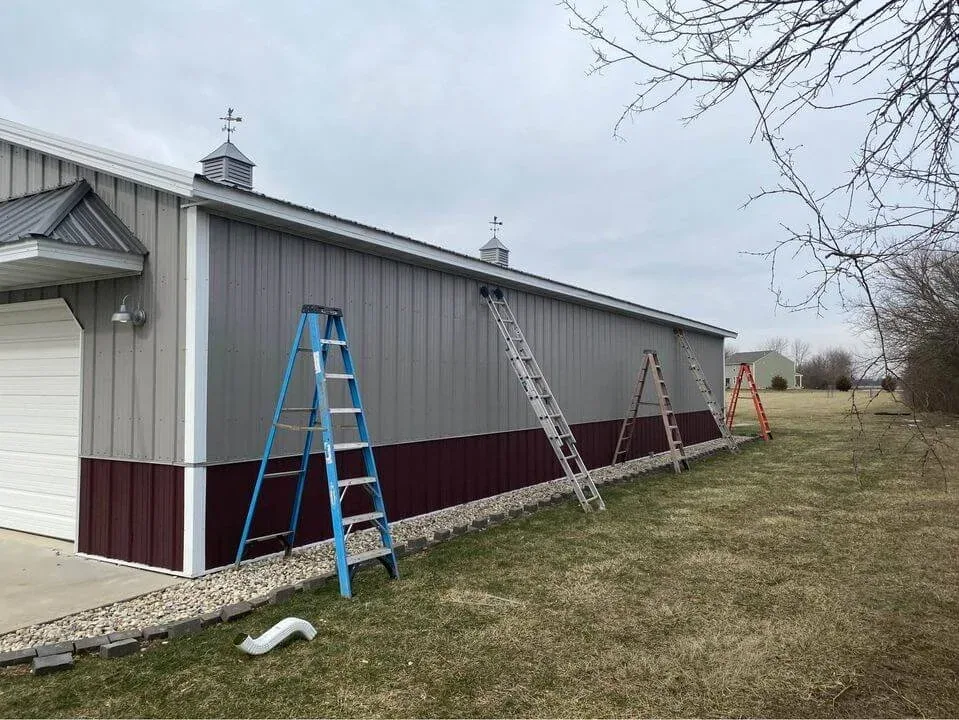
Standing-Seam Metal Roofing in Garland, TX

Where can a leak enter a standing-seam roof?

Trace the report across panel ends, side seams, ridge and eave conditions, valleys, curbs, wall transitions and penetrations. A leak at a screw-down accessory or flashing may be separate from the standing seam itself. Look for open seams, sealant that has pulled away, displaced closures, corrosion, punctures and evidence that panels have shifted against a fixed transition. Compare the interior stain with panel seams, penetrations and eaves along the water path before identifying the roof opening.

A focused roof inspection can record accessible details and limits, while seam-failure repair concerns the specific connection after examination. If water appears after a storm, compare observations with wind-related roof damage without assuming the event caused a visible condition. Photograph the wider panel run and the close detail so a later repair crew can locate both.

Panel length and the fixed points in the assembly influence how movement appears at end conditions. A pinched eave, restrained ridge or altered clip may concentrate movement at a seam or fastener. We record where panels have shifted, inspect closures and attachment nearby, and compare the field observation with available installation details before proposing a correction. Do not force a panel back into position until the support and clip arrangement are understood.

Standing-Seam Metal Roofing in Garland, TX

What repair can preserve the existing panel system?

A repair should re-establish the affected seam, penetration or transition in a way compatible with the installed system. Adding sealant across a seam may leave panel movement, failed closure or unsupported flashing unresolved. Identify the metal, finish and panel geometry, then determine whether the damaged part can be removed and reformed or whether a larger section must be replaced. Keep a repair boundary that reaches stable, compatible construction and record what remains outside it.

Where a metal panel is punctured or corroded through, inspect the supporting substrate and nearby seams before choosing a patch. A coating or sealant is not a substitute for restoring structural attachment. If a broader assembly needs renewal, compare the existing roof with a metal retrofit roof or a roof replacement. The choice depends on verified condition, support capacity, drainage and the owner’s project scope.

How do curbs, edges and drainage affect the system?

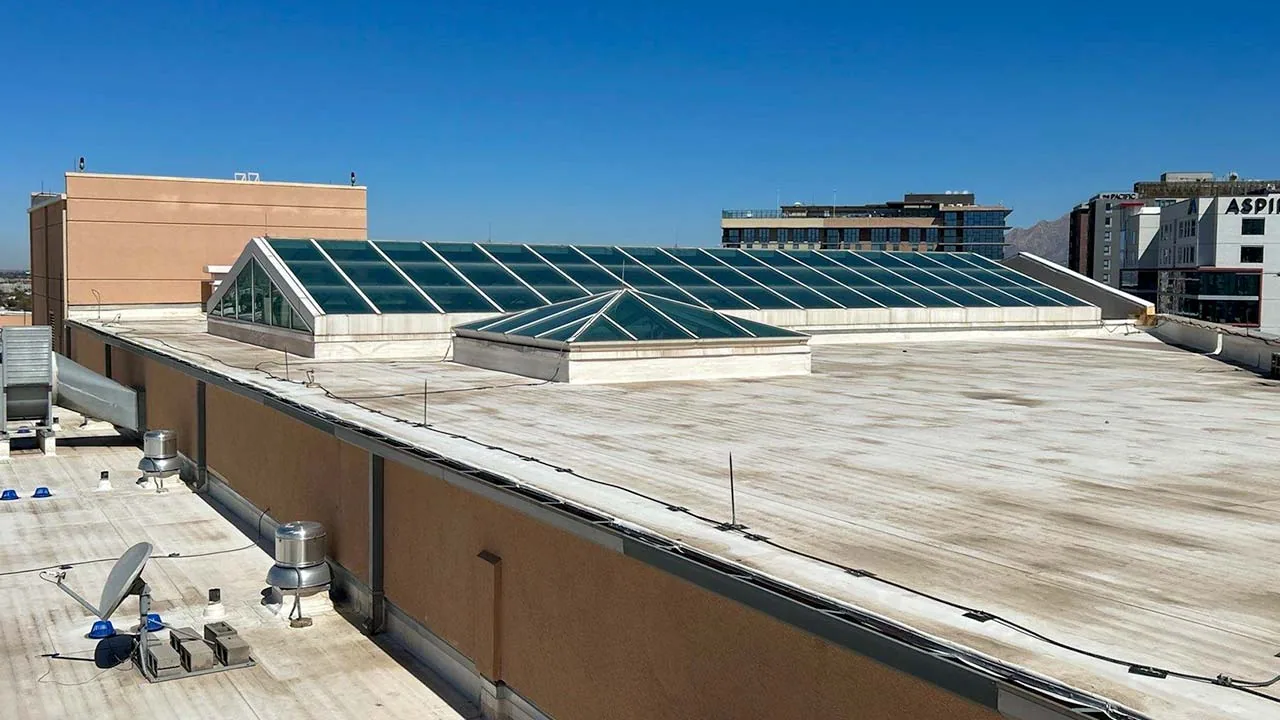
A panel field must terminate cleanly at eaves, rakes, ridges, parapets and openings. Check whether the flashing allows the panel to move as intended and whether dissimilar materials or previous repairs bind the edge. Equipment curbs and skylights need a compatible transition; the roofer must know if another trade will change the unit or support before the final metal detail is made. A water path at a valley or gutter can involve more than the panel seam.

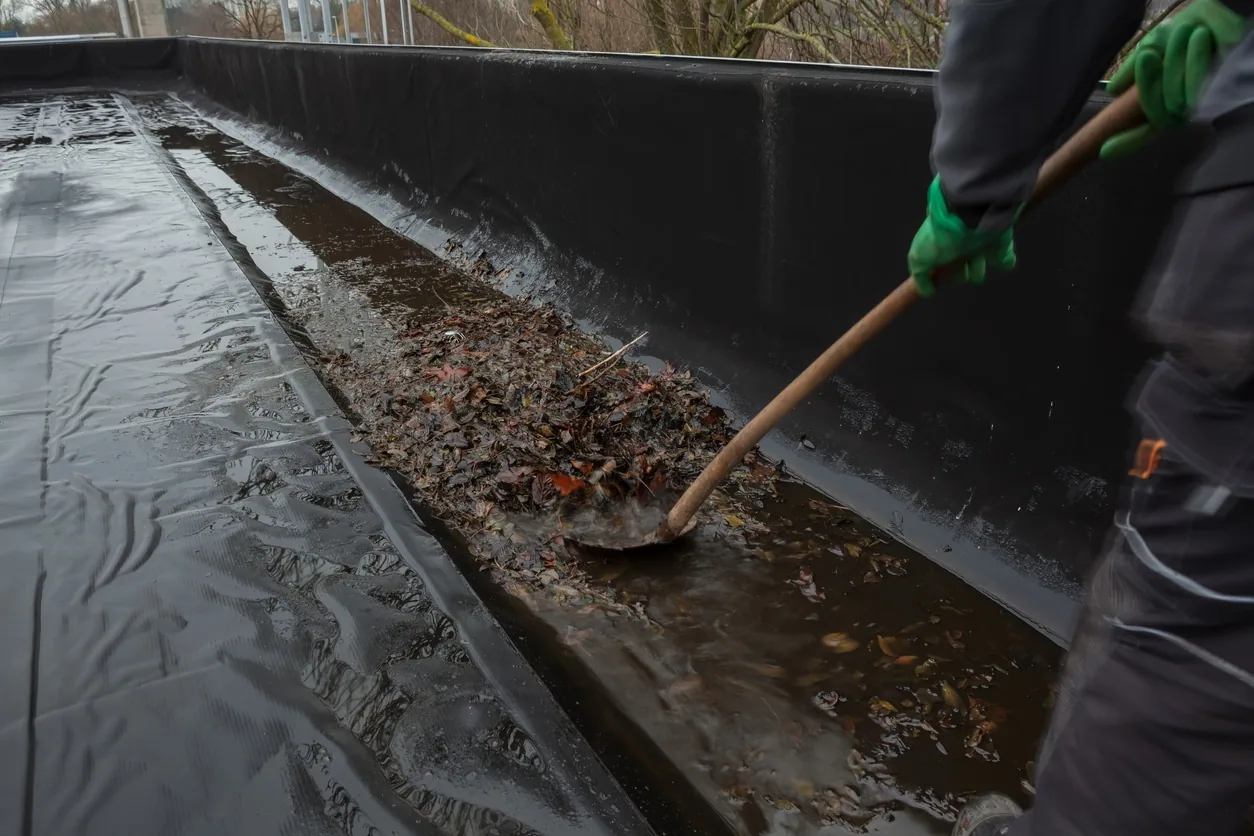
DFW spring and fall bring wetter regional periods with thunderstorm rainfall. Before wet-season storms, inspect the roof outlet and discharge path and correct any obstruction or failed connection found. A roof-edge and gutter review or drain and scupper inspection can separate discharge problems from panel work. For continued care, planned roof maintenance can record seam and flashing changes after repairs.

Metal finish and base material also matter when selecting a repair method. Corrosion, scratches, dissimilar metal contact and water held against a lap can affect whether a panel is reusable. Identify the exposed metal and coating condition, then verify replacement or touch-up materials for compatibility. A repair record should name the panel section and note which factory finish or adjacent component remains, especially where work stops at a transition.

When a curb or pipe crosses the panel field, the flashing detail must accommodate panel movement without pinning adjacent seams. Check that closures, clips, and trim remain compatible with the roof slope and that water has a clear path around the penetration. At eaves and valleys, look for debris, loosened fasteners, and sealant repairs that may restrict drainage. A panel replacement or patch should match the existing profile and finish as closely as the approved scope allows, while leaving room for thermal movement at the connection.

Standing-Seam Metal Roofing in Garland, TX

What should the owner compare before changing the roof?

Compare targeted repair, panel replacement and a full assembly change against what the inspection confirms. A local seam correction may leave an older field in service; a retrofit can address broader performance goals but requires an engineered support plan and careful review of existing layers. The proposal should identify metal type, panel areas, clips or attachment assumptions, flashings, drainage changes, removal limits and closeout evidence. For a membrane alternative, compare the assembly details for TPO roofing only after substrate and drainage requirements are reviewed. Do not infer remaining service life from the surface alone.

A Garland address near Downtown Garland Station still requires its own access and assembly review; station geography does not identify a roof system. We document the specific panel and detail, then explain what additional design information would settle unresolved support or movement questions. For an active leak, note the affected panel run and any interior staining, then ask the building contact to coordinate immediate containment while the permanent seam or flashing scope is assessed.

Standing-Seam Metal Roofing in Garland, TX

Common Questions

Does every standing-seam roof use sliding clips?

Clip type and movement provisions depend on the panel system and design. We identify what is installed and compare the relevant connection with the system documentation.

Can a leaking seam be sealed from above?

That depends on the seam, panel condition and approved repair method. A bead of sealant may not correct a displaced panel, failed clip or transition that restrains movement.

Can you install new panels over the existing metal?

A retrofit requires evaluation of the support structure, existing roof, attachment, drainage and design. We do not assume an overlay is suitable based on the roof surface alone.

What records help with a standing-seam inspection?

Provide the roof plan, panel or project information, prior repair notes and the reported leak location. The building contact should identify roof access and any equipment coordination.

Standing-Seam Metal Roofing in Garland, TX

Inspect the panel connection before repair

Share the Garland property address, reported leak or panel concern and building contact. We can examine seams, clips, edges and penetrations, then explain the repair or design review supported by the existing assembly.

Call 555-555-5555 or request a roof assessment.

Questions About Your Roof?

ServicesRoof SystemsProperty TypesIndustriesService AreasDamage RepairCapabilitiesManufacturersAboutRequest a Roof Assessment555-555-5555
Call us today555-555-5555