Which roof details should be checked at a leak?
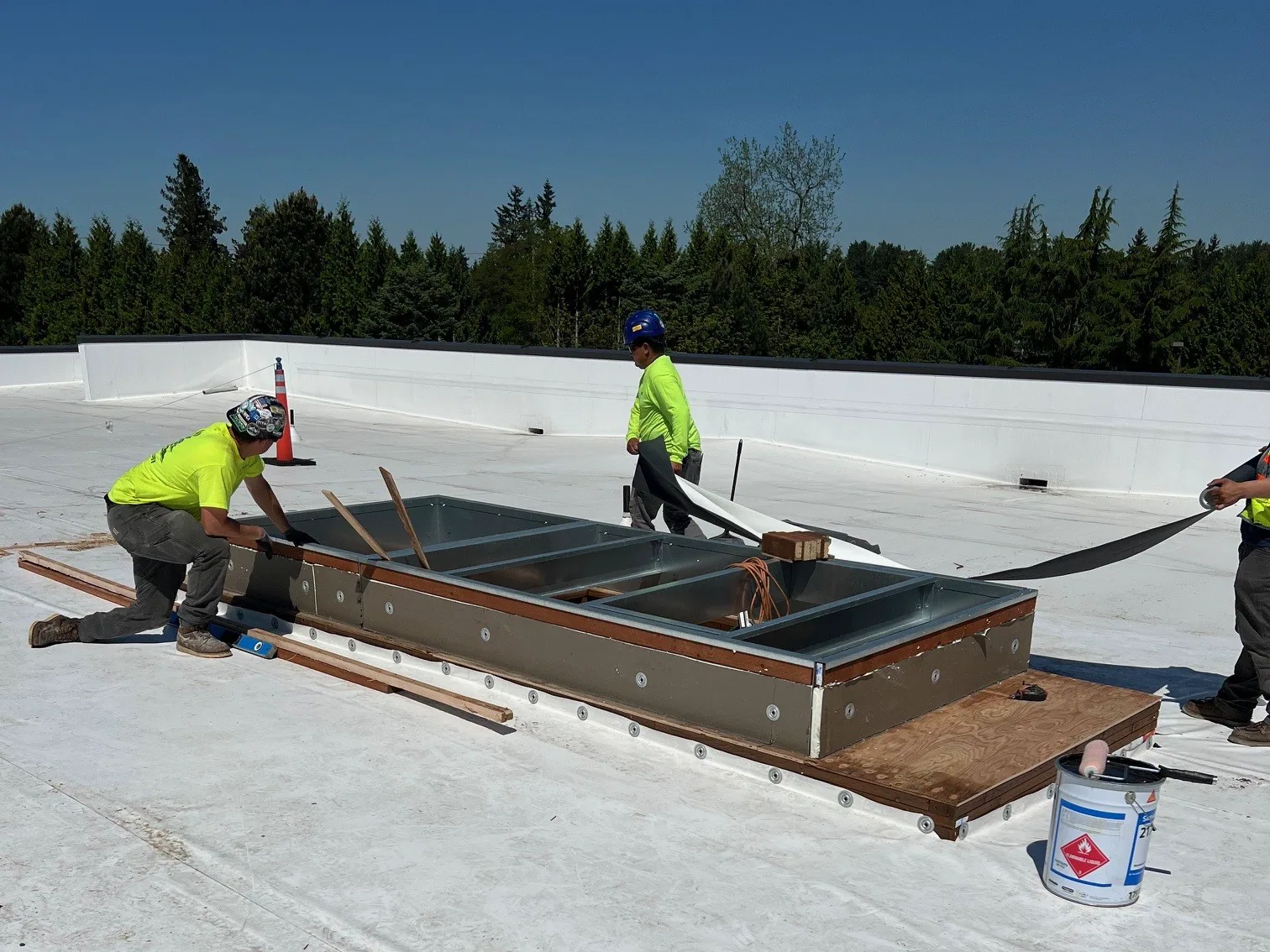
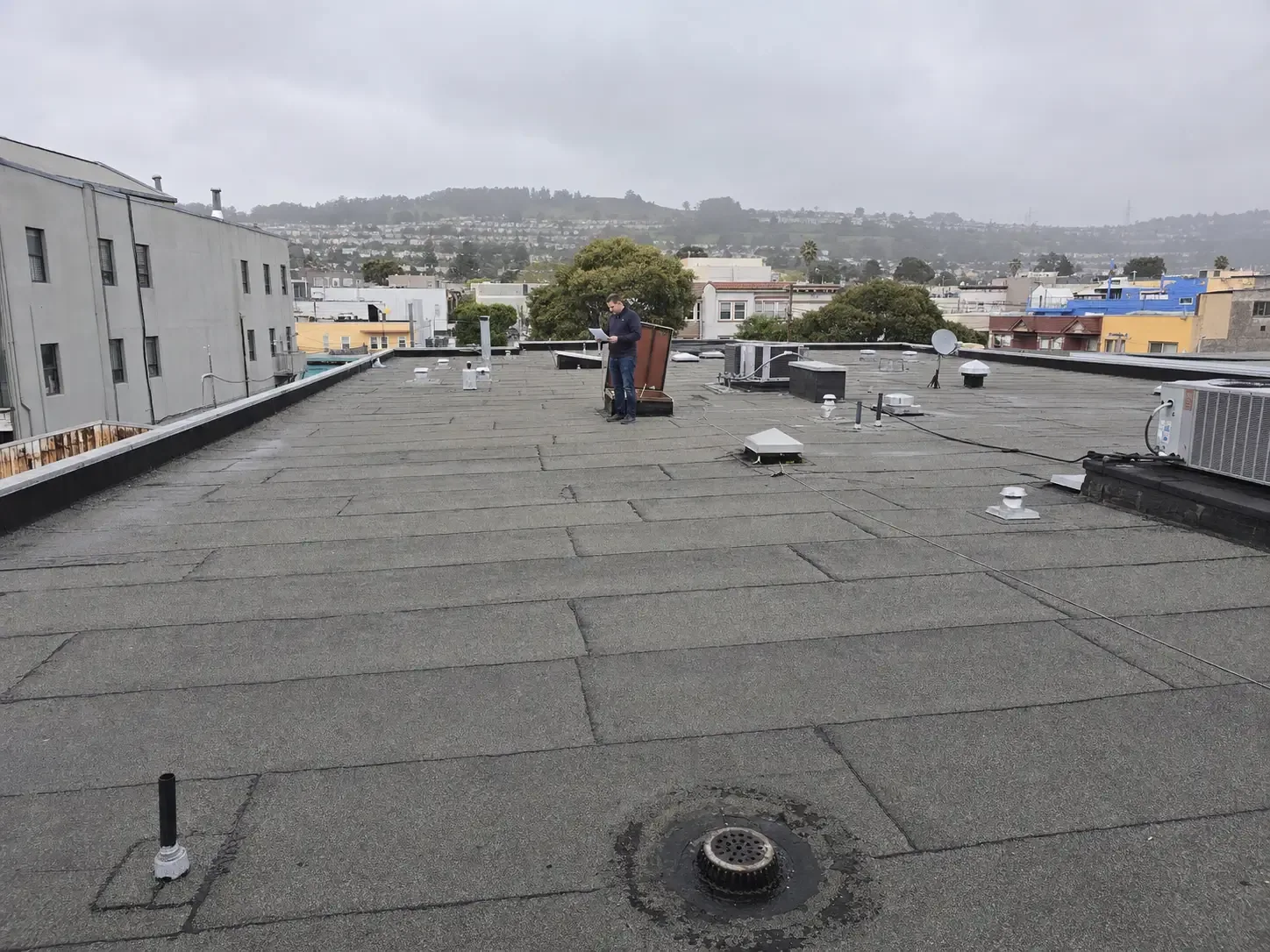
Leaks near rooftop equipment often involve more than a single bead of sealant. Inspect the curb base, flashing height, counterflashing, adjacent membrane seam, and the path from the equipment to the deck. Note whether a technician has worked on the unit recently and whether the service task disturbed roof materials. Keep mechanical work and roofing work separate until both conditions are visible; replacing flashing over a loose curb or incomplete equipment repair can leave the same entry path active.
At smaller pipe and conduit penetrations, check whether the boot or pitch pocket has split, pulled away, or lost adhesion. Record the condition on each side rather than assuming one intact face proves the full detail. A wall intersection needs a different correction from a curb, and a metal edge requires attention to both the panel and its termination. Label each item so the owner can authorize the specific repair rather than a vague allowance.
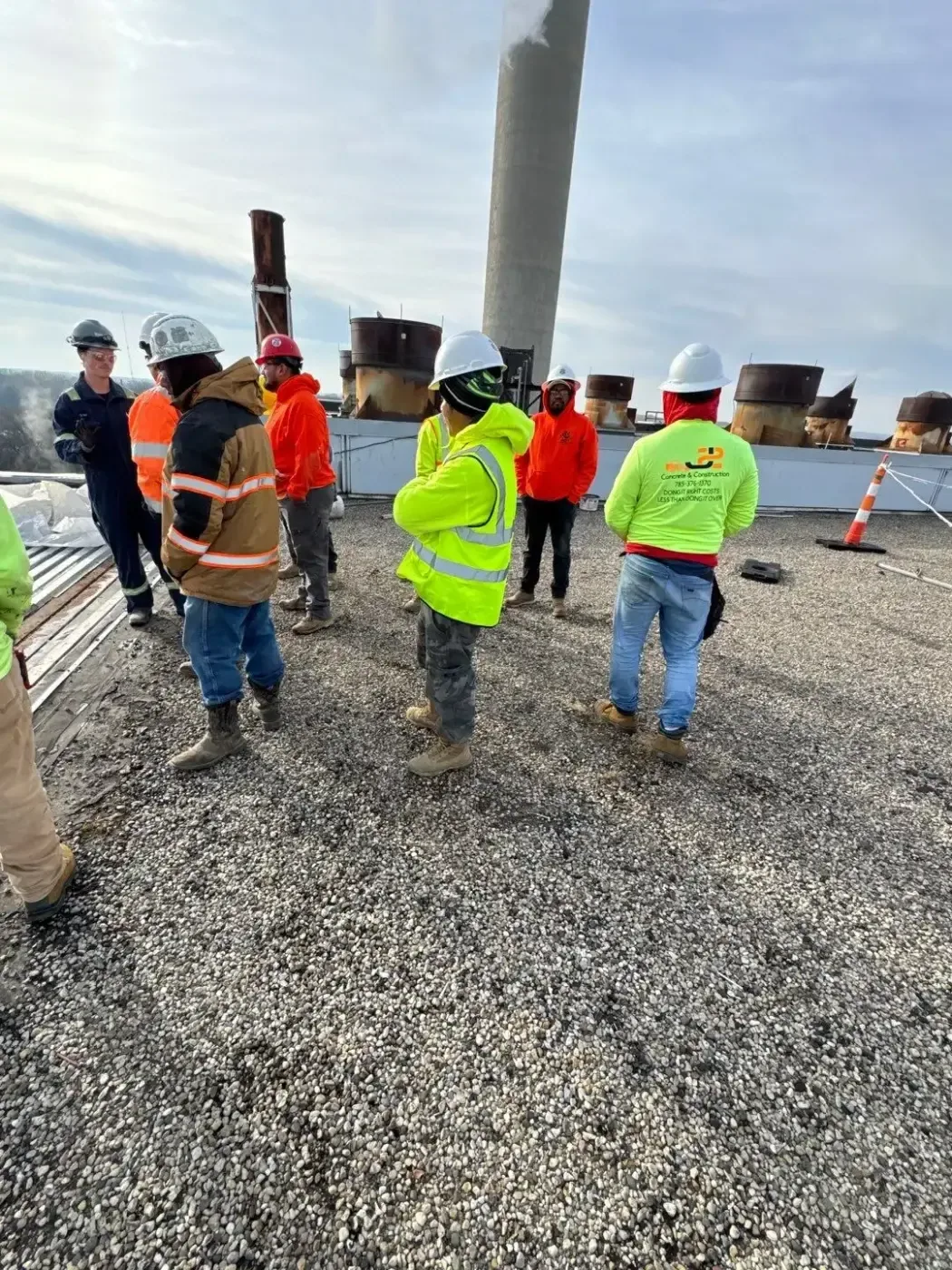
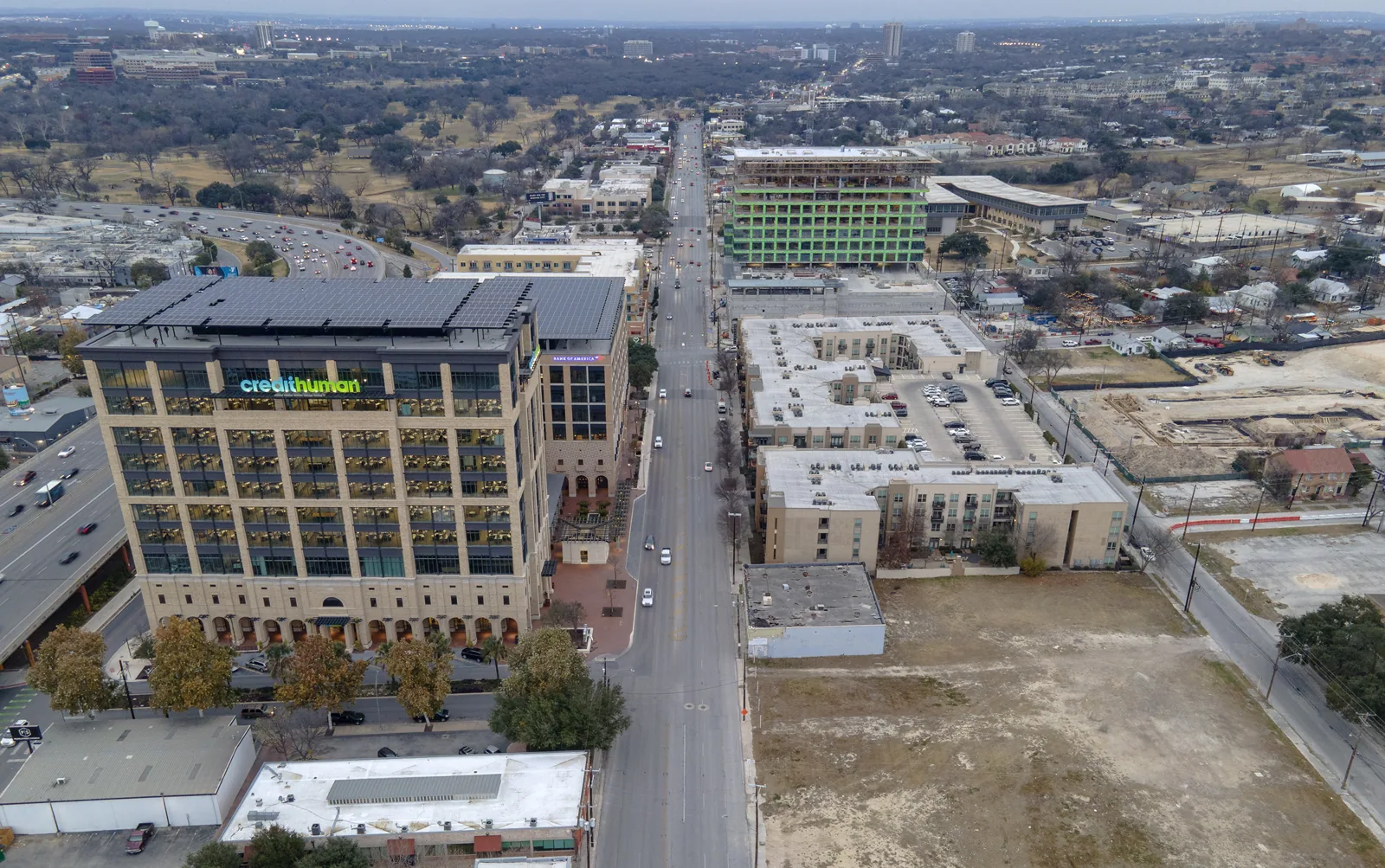
The surrounding Broadway/Centerville area includes a medical-office cluster. Before work, the building contact should identify occupied rooms below the roof zone and any protection needed for people, equipment or inventory. Confirm sensitive equipment, interior areas, and access limits with the property contact before opening the roof.