Self-Storage Roofing in Garland, TX

Self-Storage Roofing in Garland, TX

Self-Storage Roofing

Property Types We Roof

A roof leak at a self-storage property should be traced to a verified roof detail before a repair is priced. We inspect the covering, seams, penetrations, perimeter and drainage, then compare that evidence with the reported interior area. The result should identify whether a local connection can be repaired or whether material below the surface needs removal. For the owner, a defined repair boundary helps separate temporary protection from permanent work and makes clear which nearby areas were not part of the examination.

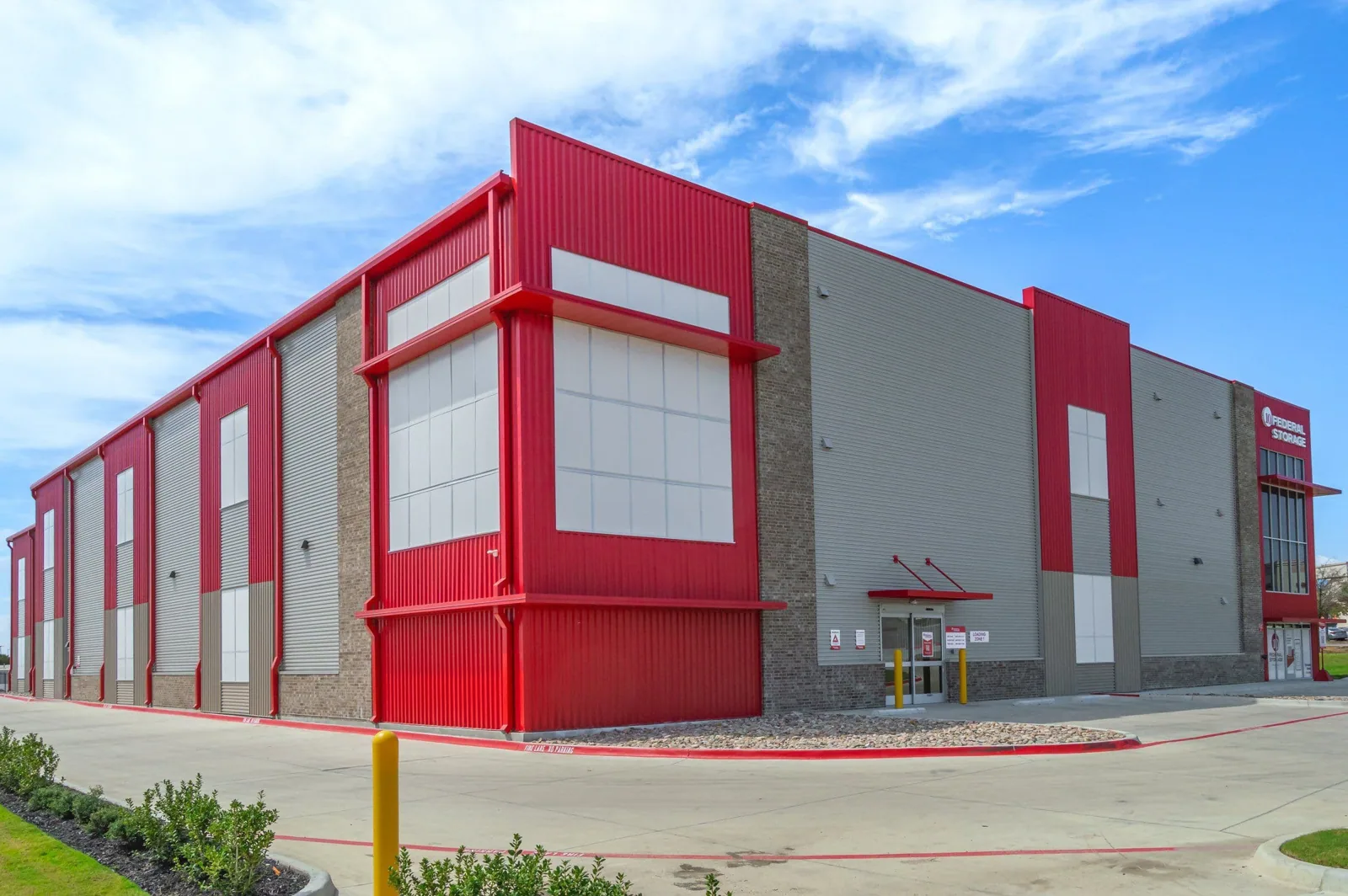
Forest/Jupiter and Firewheel are distinct Garland-area reference points for scheduling work across the city. For a self-storage roof, confirm the requested property, gate and lift access, unit-protection requirements and contact authorized to release the work zone. Keep temporary protection clear of tenant circulation and identify which rows or buildings remain outside the inspected boundary.

How should the affected roof area be mapped?

Begin with the reported unit row or interior zone, then relate it to the roof plan and details overhead. A ceiling mark or stored-item concern can help narrow the search but cannot locate the breach by itself. Water may travel along a deck, joint or insulation layer. Inspect the likely path and identify the roof-level condition before opening material. If access to the interior is needed, the owner arranges it; do not assume tenants have been notified or that units can be entered.

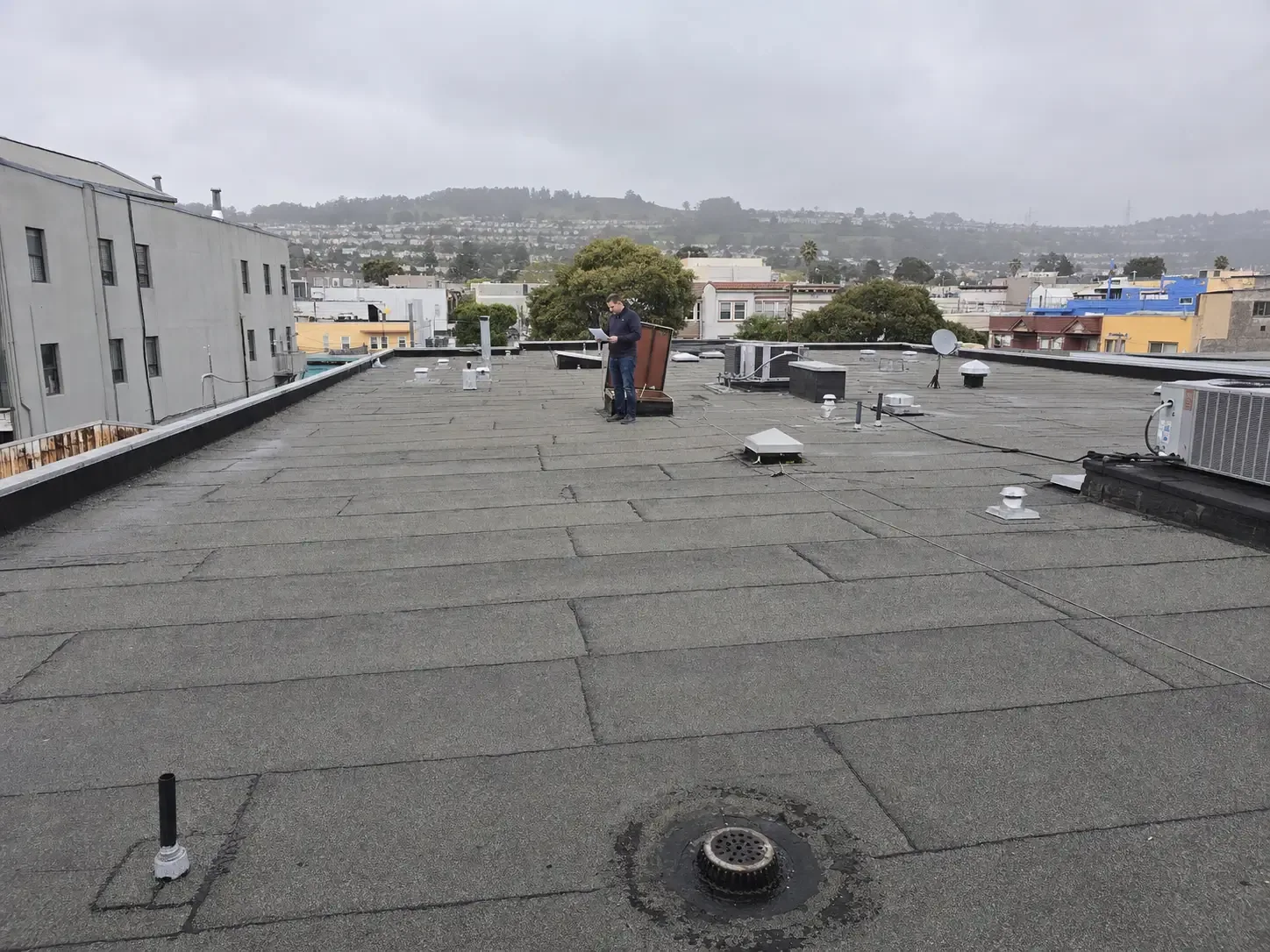
At properties with repeated bays, map the observation by building, roof area and nearby feature rather than saying only that the roof leaks. Photograph the detail, note the assembly visible at the edge and record the condition of adjoining material. A repeat concern at multiple locations may warrant a broader survey, while isolated damage may support a localized scope. The evidence and access actually provided determine the right next step.
Self-Storage Roofing in Garland, TX

Does the property label identify a metal or membrane roof?

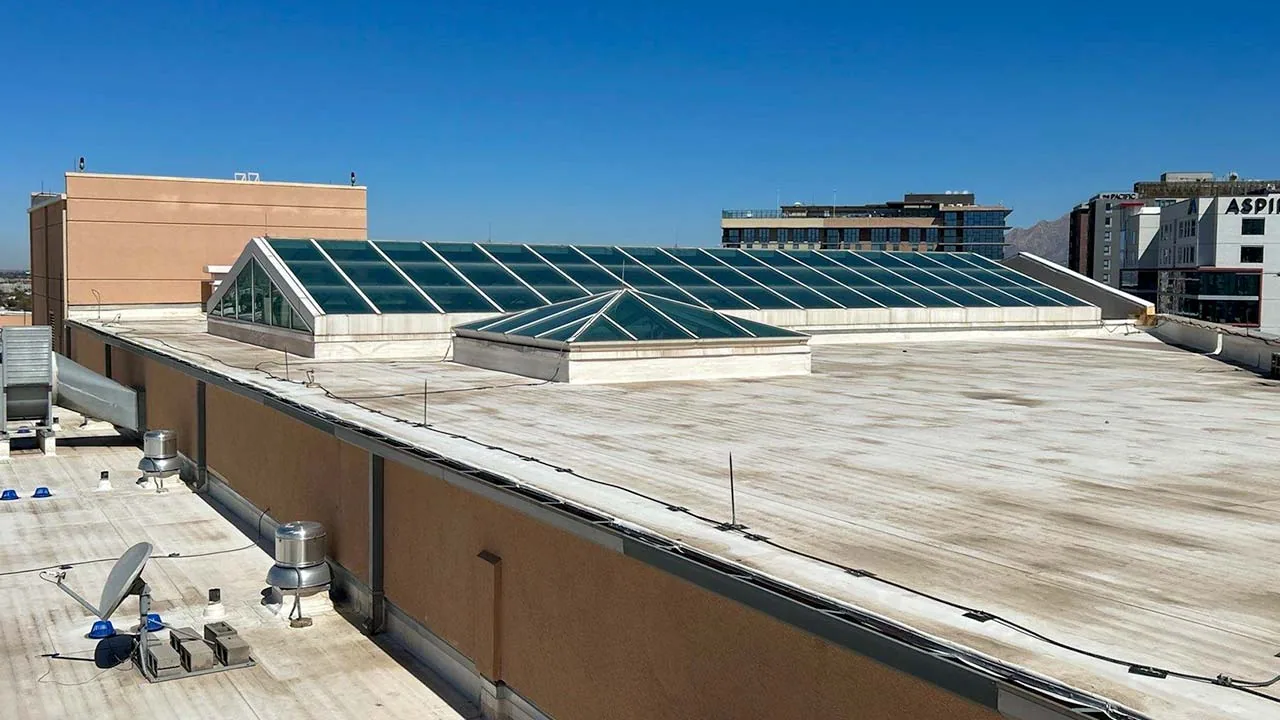
No. Storage facilities can have different roof systems, additions and repair histories, and the available Garland sources do not inventory them. Field verification should identify the covering, attachment, insulation and substrate where accessible. At a metal roof, panel laps, fasteners and transitions may be relevant; on a membrane roof, seams and penetrations may govern. These are inspection possibilities, not claims about a particular facility. Select repair materials only after confirming which construction is present.

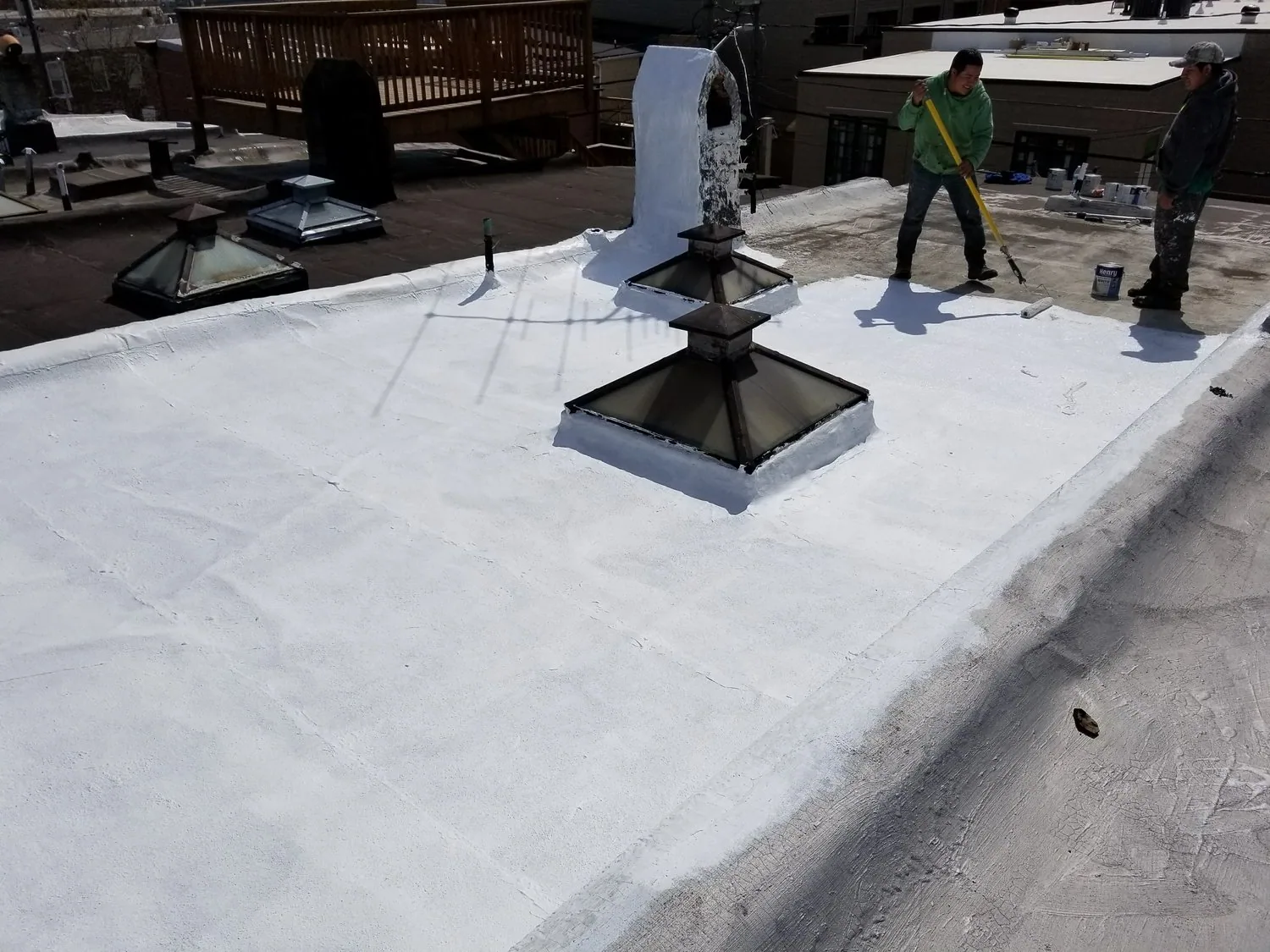
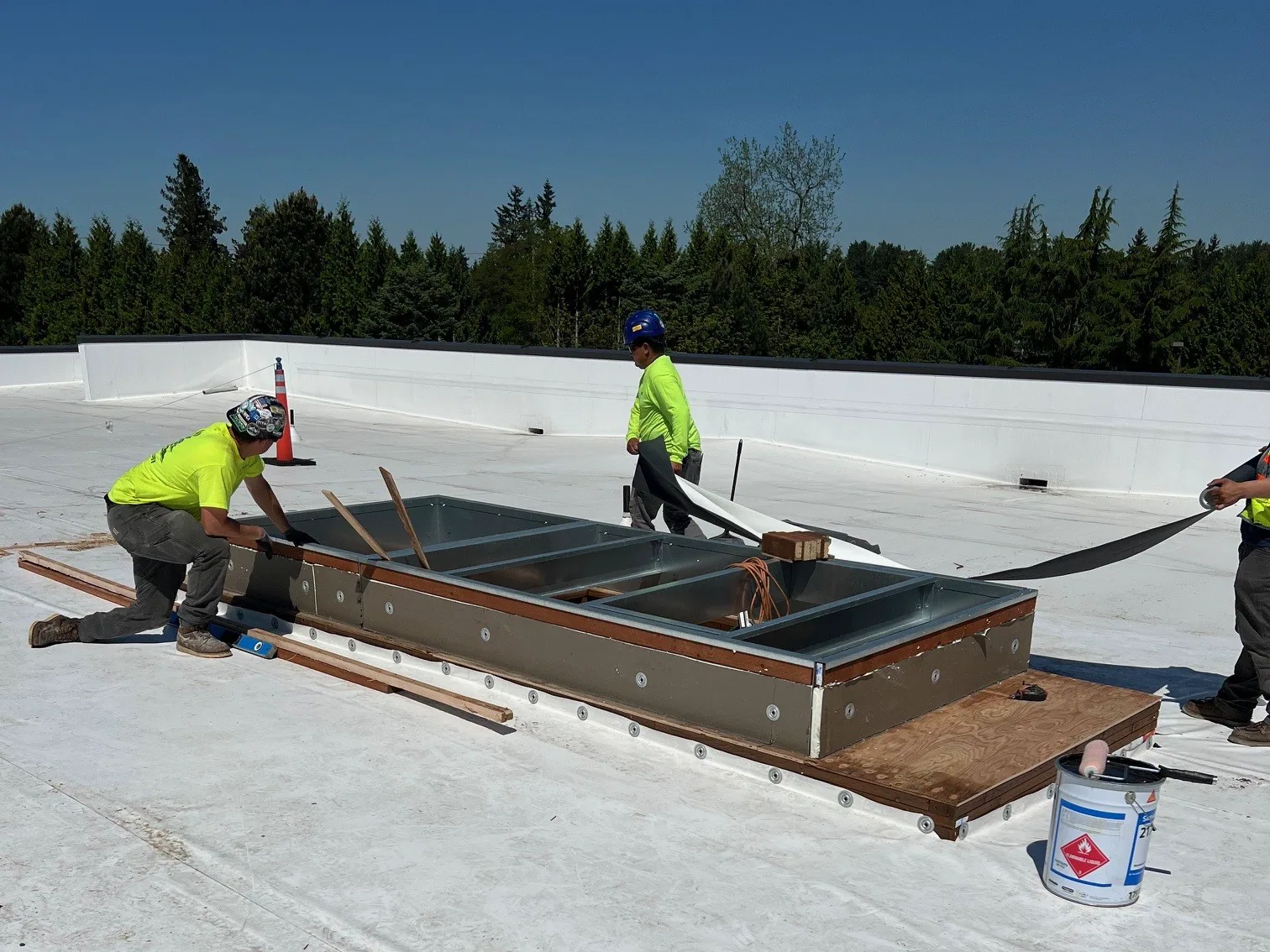
If surrounding material remains sound, a localized correction may make sense. If water has reached deteriorated insulation or deck, extend removal only after documenting the condition and getting approval for the changed boundary. Warehouse roofing and flex industrial roofing offer related examples of roof planning by building type, but neither proves what is installed at a self-storage site. Include perimeter, drainage and transitions when comparing a repair with a replacement proposal.

Self-Storage Roofing in Garland, TX

What site access affects the roofing work?

The property representative sets access to the roof, drive aisles, gates and any affected interior areas. Confirm where material can be received, what route reaches the roof and which area must be clear. These questions matter because a repair boundary may sit above occupied storage or vehicle circulation. The contractor can describe the needed work zone, but the owner decides how to notify tenants, direct traffic and protect stored goods. Do not imply that roofing staff will enter units or move property without authorization.

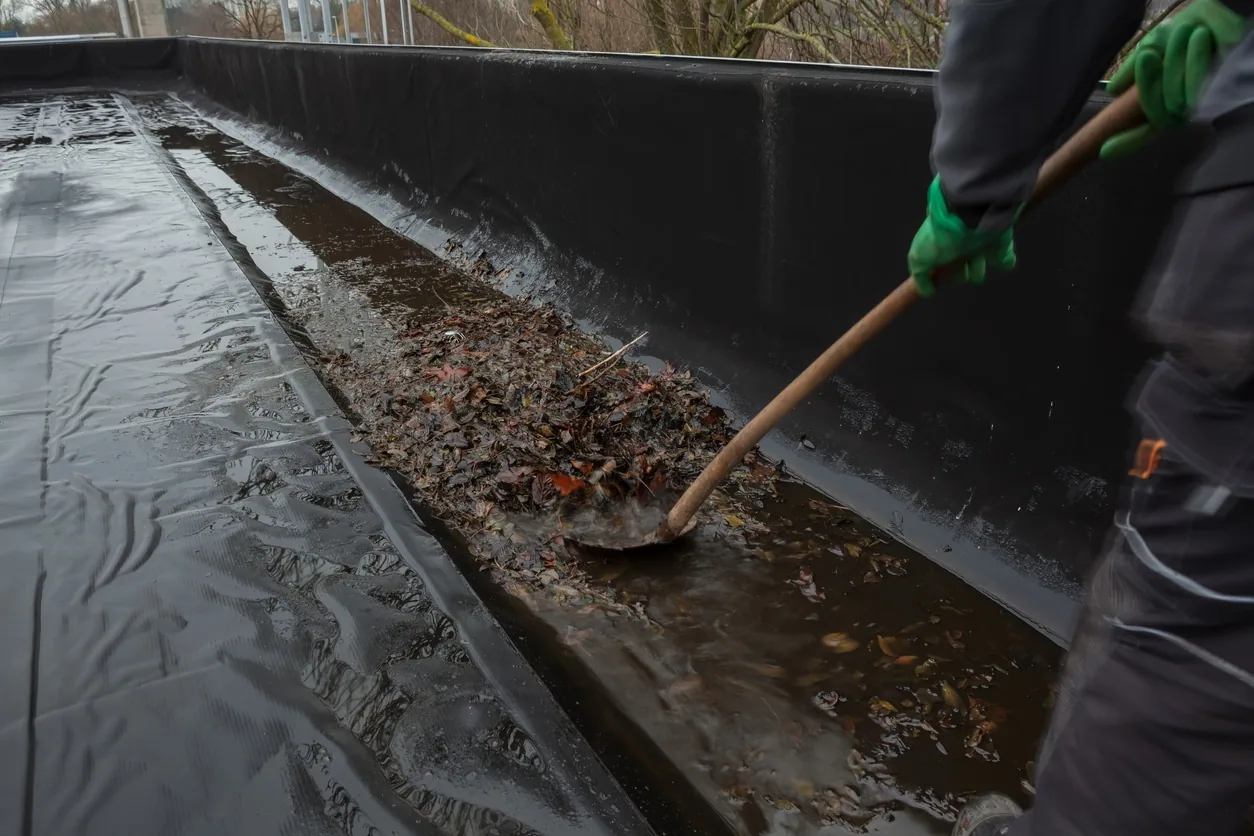
Inspect drainage at the outlet and surrounding roof instead of assuming ponding caused the report. A blocked or disconnected drain, damaged flange or depressed assembly each points to a different response. Preventive roof maintenance can record drain and detail conditions at repeat visits, while commercial roof replacement should define how removal and perimeter work will be staged. Any recommendation must reflect observed material, actual access and the agreed work area.

What should a multi-building owner compare?

For a confirmed property near Firewheel Town Center, verify the exact address and access contact; the local place name does not identify a storage property. Roof asset management can help organize observations and capital questions by structure, while a current inspection establishes the condition. For each building, note which roof area was examined, the verified assembly, moisture evidence, repair boundary and date of completed work. Mark any uninspected section as unknown rather than extending a result from a neighboring building. If a later opening reveals a different deck or insulation condition, record the change and obtain approval before enlarging removal. This gives an owner a defensible comparison across structures without treating similar symptoms as identical causes. Closeout should identify the material installed, adjacent areas left outside scope, temporary protection still present and the event or observation that warrants a return visit. Tie each photograph and finding to a building identifier so a future maintenance decision can be traced to the correct roof. If an owner wants to prioritize work across a portfolio, compare verified condition, consequence of continued water entry, access constraints and the scope needed to reach sound material. Do not use the number of units beneath a roof as a substitute for observed assembly condition. A repair file can flag recurring findings for a broader survey, while leaving uninspected buildings clearly outside that conclusion. This keeps a portfolio-level maintenance decision grounded in the specific evidence collected at each address.

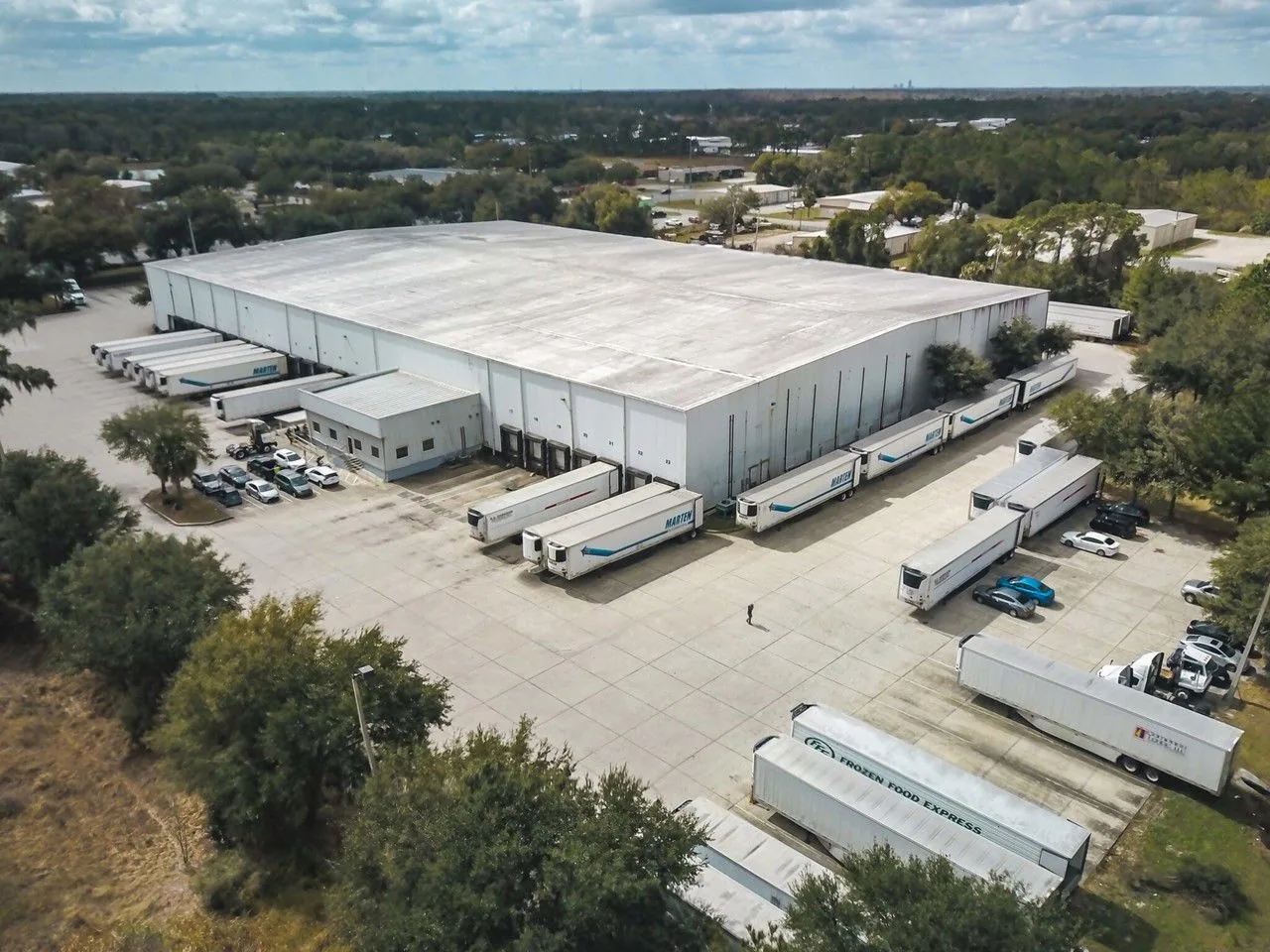
A self-storage property may contain several buildings with different roof ages, repairs, and drainage paths. Number each structure and map the reported unit row to the roof zone above it before assigning the work. The property contact should confirm which drive aisles must remain open, where customers can safely pass, and whether any unit contents require added protection. At a leak, compare the interior report with the roof surface, seams, penetrations, and nearest outlets; water can travel before it appears inside. If removal exposes wet insulation or a damaged deck, stop at the approved boundary and document which building and zone need a revised scope. A portfolio record should keep each structure's completed repair separate from the rest of the property.

When several units report moisture after one storm, do not combine them into a single repair quantity without checking the roof layout. Map each interior report to its building and nearest drainage or penetration detail, then compare the locations with prior repair records. If the reports fall under different roof sections, preserve separate photographs and separate work boundaries. That lets the owner authorize a contained correction first and make a later decision about broader renewal from evidence tied to each structure.

Self-Storage Roofing in Garland, TX

Common Questions

Can roofing crews access individual storage units?

Only if the owner authorizes that access and arranges any required notice. Roof-level inspection should not imply unit entry, tenant contact or handling stored goods. Define the affected building area and permissions before work.

How do you know whether the roof is metal or membrane?

Review available records and examine the actual roof. For a Garland self-storage property, identify the membrane, attachment and any previous overlay from available records and field inspection before setting a repair scope. Repair materials and tie-ins depend on verified panels, membrane, insulation and substrate.

Can you repair the roof without closing a drive aisle?

The property representative determines access and traffic needs. The proposal can identify the roof area, receiving route and expected work zone so the owner can decide whether temporary routing or a different work period is required.

What belongs in a multi-building repair record?

Tie each observation to the right structure and roof area. Record photographs, assembly information, the repair limit, completed material work, any unresolved moisture and the next condition that should prompt another examination.

Self-Storage Roofing in Garland, TX

Request a self-storage roof examination

Provide the property address, roof area or reported leak, and the contact who can direct access. We can verify the existing assembly, document the affected boundary and outline temporary or permanent work for owner review.

Call 555-555-5555 or request a roof assessment.

Questions About Your Roof?

ServicesRoof SystemsProperty TypesIndustriesService AreasDamage RepairCapabilitiesManufacturersAboutRequest a Roof Assessment555-555-5555
Call us today555-555-5555