
Military Hangar Maintenance Facility Roofing near Garland, TX

Military Hangar Maintenance Facility Roofing near Garland, TX

Military Hangar Maintenance Facility Roofing

Property Types We Roof

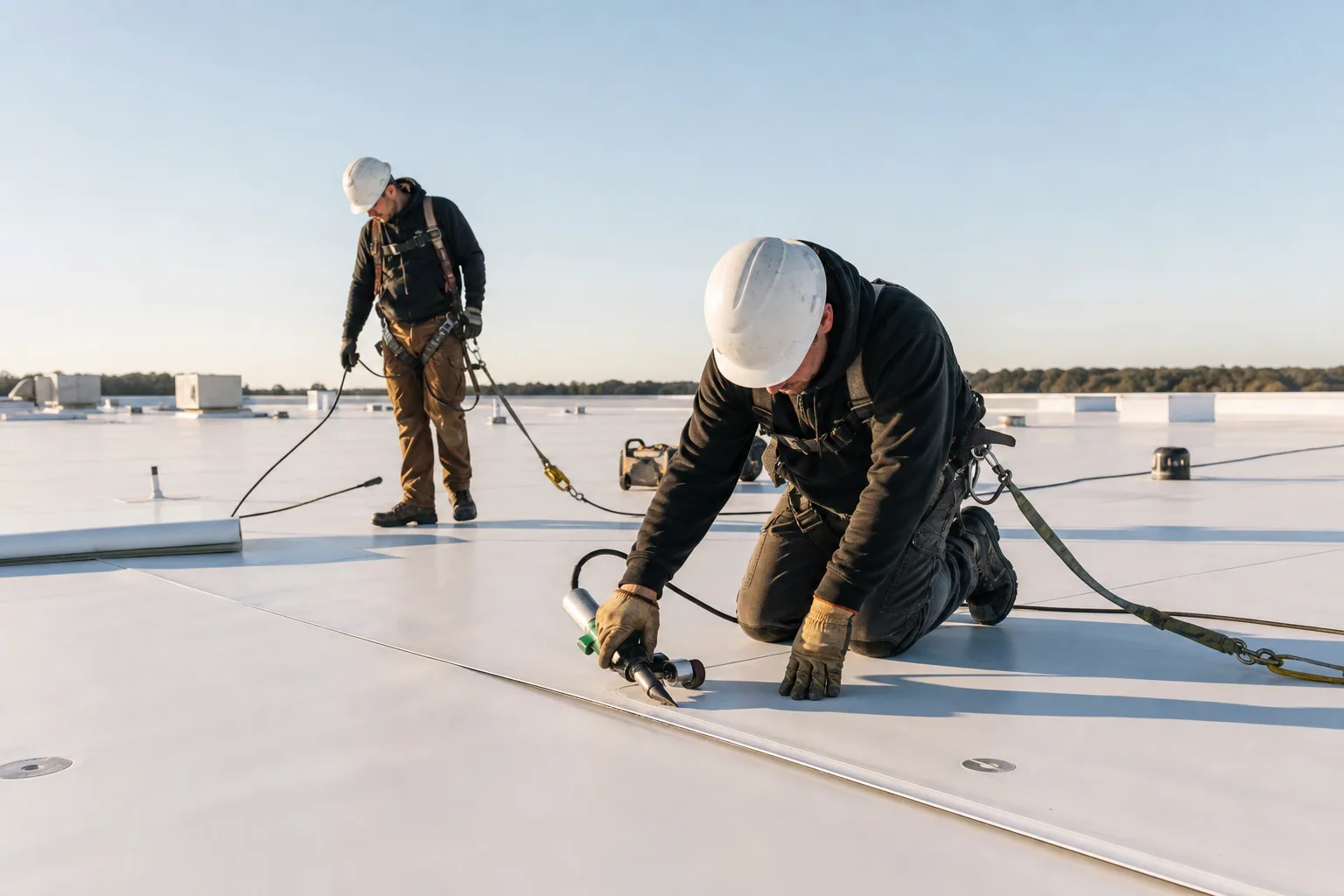
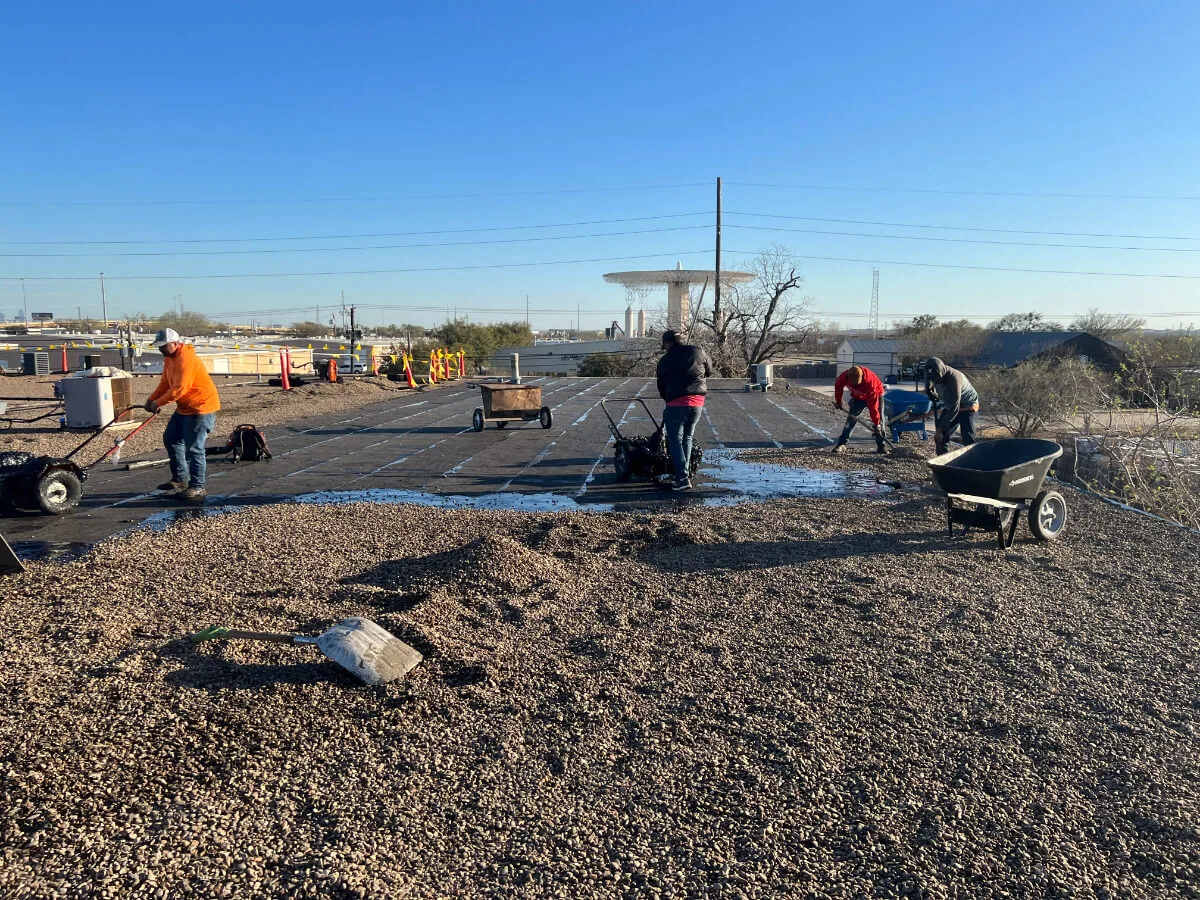
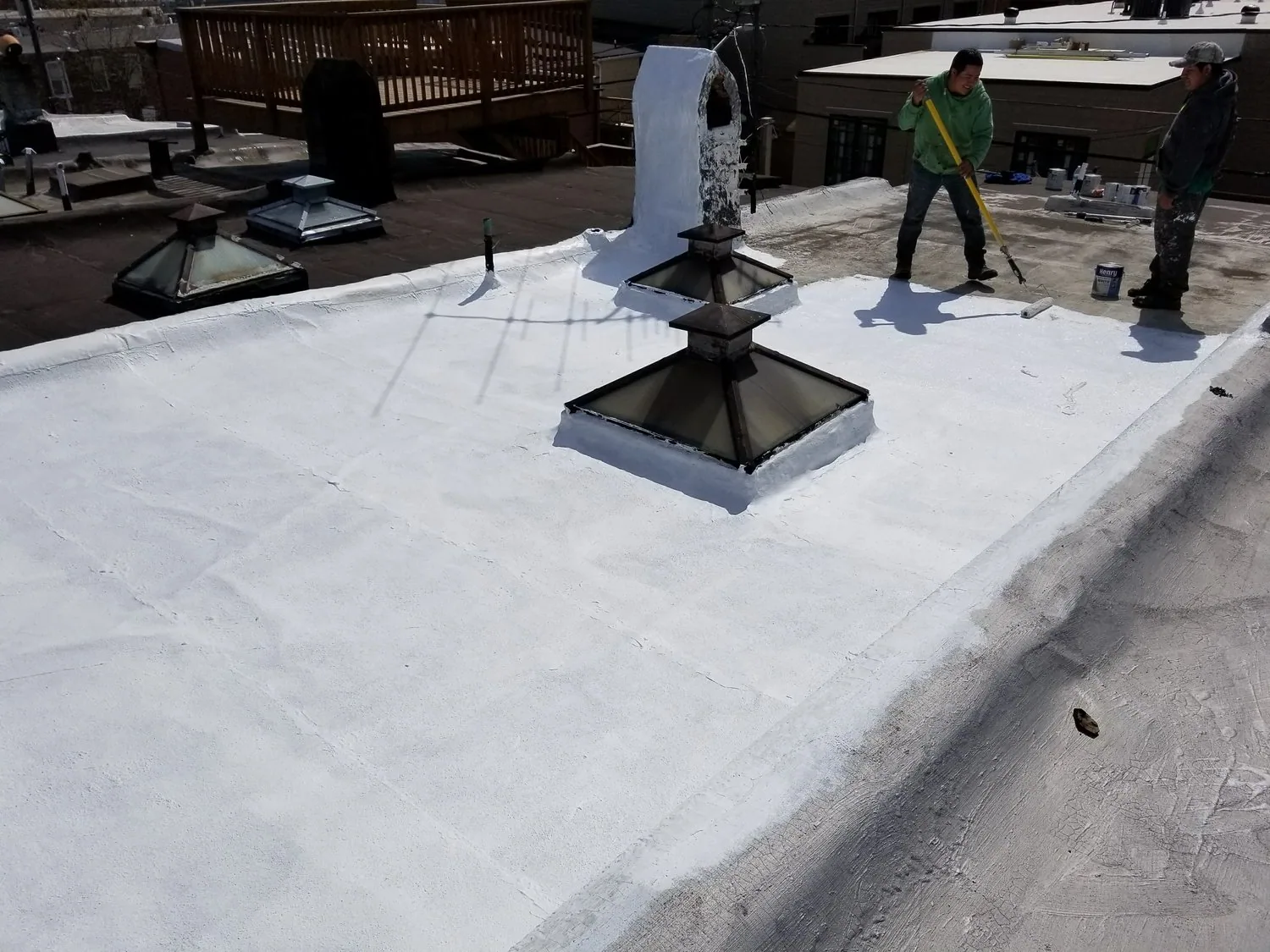
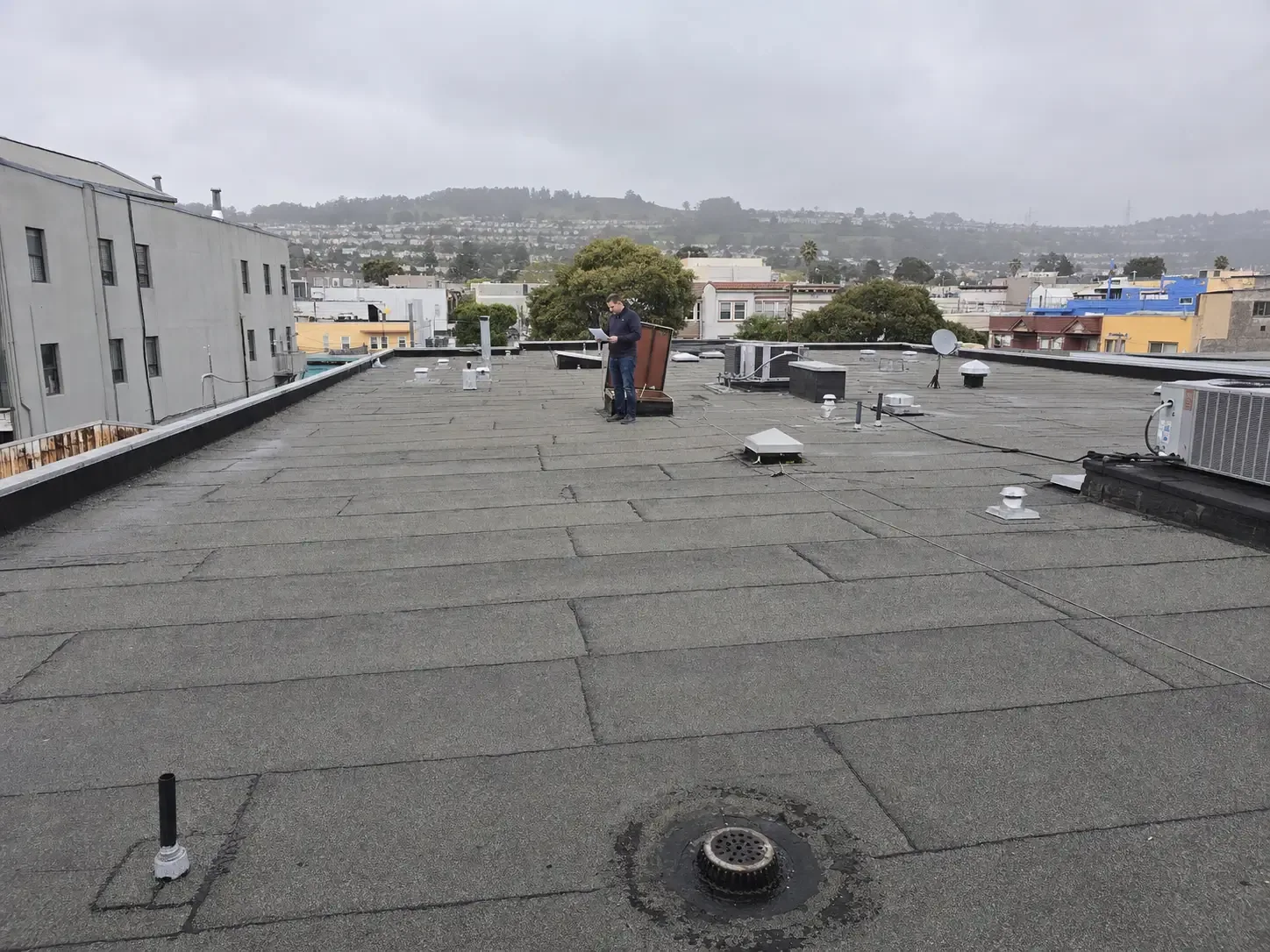
A hangar roof repair starts by locating the reported water path and determining how a roof opening can be inspected, protected and permanently closed. We examine the installed covering, seams, penetrations, drains, perimeter transitions and exposed layers before setting a removal boundary. A drip near an aircraft bay or maintenance zone does not prove the roof entry point; water can travel across a deck or concealed layer before appearing inside. The building contact confirms the affected space and what must remain protected.

Garland's verified nearby military aviation example is TXARNG's Redmond Taylor Army Heliport and Dallas Army Aviation Support Facility in Grand Prairie, about 23 to 24 miles over a straight line from Garland's municipal origin. Current FAA records classify TX18 as private-use and list the Texas Army National Guard as owner and manager. An Army National Guard FY2023 site inspection described a Grand Prairie AASF hangar used for helicopter maintenance and training at that time. For a military maintenance hangar, confirm escort, badging, tool-control and aircraft-movement procedures with the authorized facility contact before scheduling roof access.

Which hangar is military and which is the Garland city heliport?

Redmond Taylor AHP and Dallas Army Aviation Support Facility are in Grand Prairie. The facility context includes aircraft-maintenance activity, but it does not locate a specific hangar roof. For any actual request, confirm the building, authorized contact, escort, and work-zone release before planning access. The roofing scope should identify the observed assembly, temporary protection, and permanent detail while leaving aircraft, door, and maintenance systems with their assigned trades.

The City of Garland's public-use Garland/Dallas Fort Worth Heliport is a different facility, owned by Garland and operated by SKY Helicopters. Its public description of fuel, maintenance and hangar space for piston and turbine rotorcraft applies to that city heliport only. It does not describe TXARNG's hangar, aircraft, services or site rules. Garland's Downtown Garland area is only a municipal geographic reference; neither the location link nor the roughly 24-mile straight-line figure establishes a service radius or a route to the Grand Prairie site.
Military Hangar Maintenance Facility Roofing near Garland, TX

How do wide openings change the inspection boundary?

If a hangar has a large door, inspect the roof-to-wall and roof-edge details around its opening separately from the door equipment itself. Look for loose coping, panel laps, fasteners, membrane termination, head flashing and water marks near changes in plane. A door seal or track can be part of the water path, but the roofing scope should identify whether it includes roof-side flashing, metal closure or another component. Do not attribute a leak to the door without tracing the evidence above it.

Span, door type, roof slope and support arrangement vary by building and are not established for the Grand Prairie facility by the public sources cited here. An approved inspection can compare the interior report with seams and transitions above it, then record the actual limits. For another large-roof context, warehouse roofing addresses broad commercial roof areas, while Army facility roofing discusses installation-level work boundaries. Neither page substitutes for a site-specific assembly check.

Military Hangar Maintenance Facility Roofing near Garland, TX

What determines the compatible repair at a hangar roof?

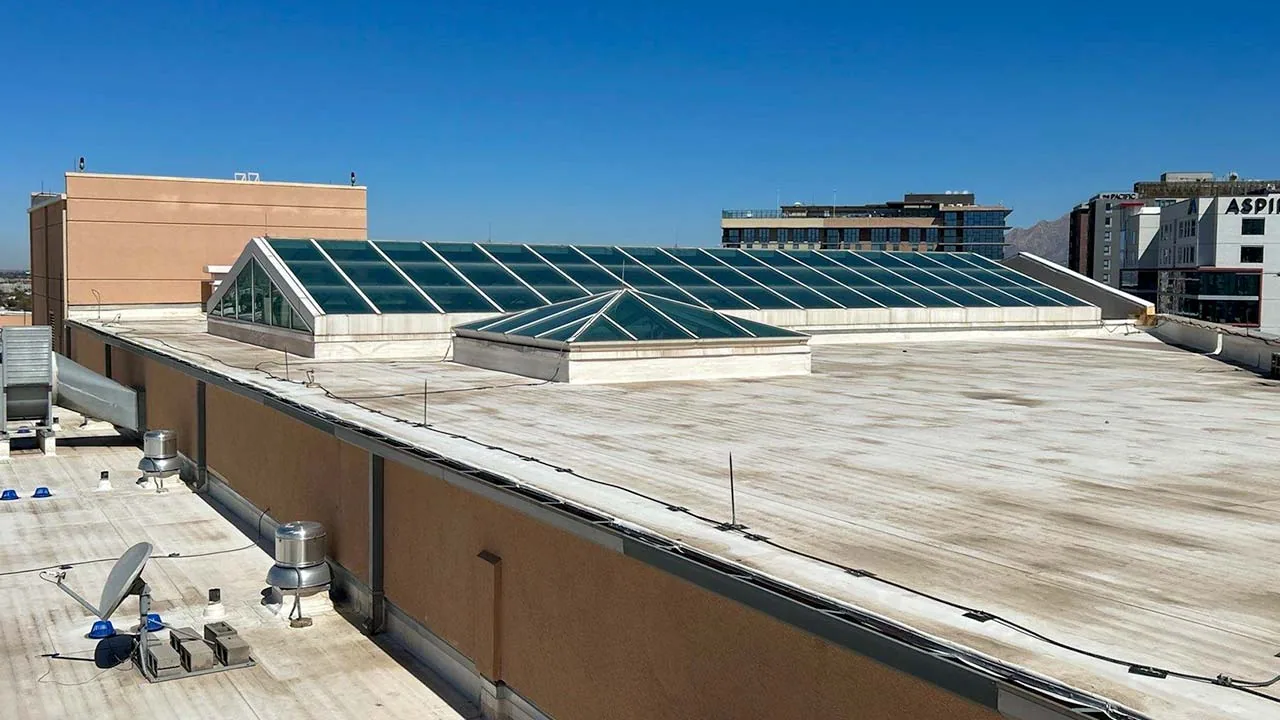
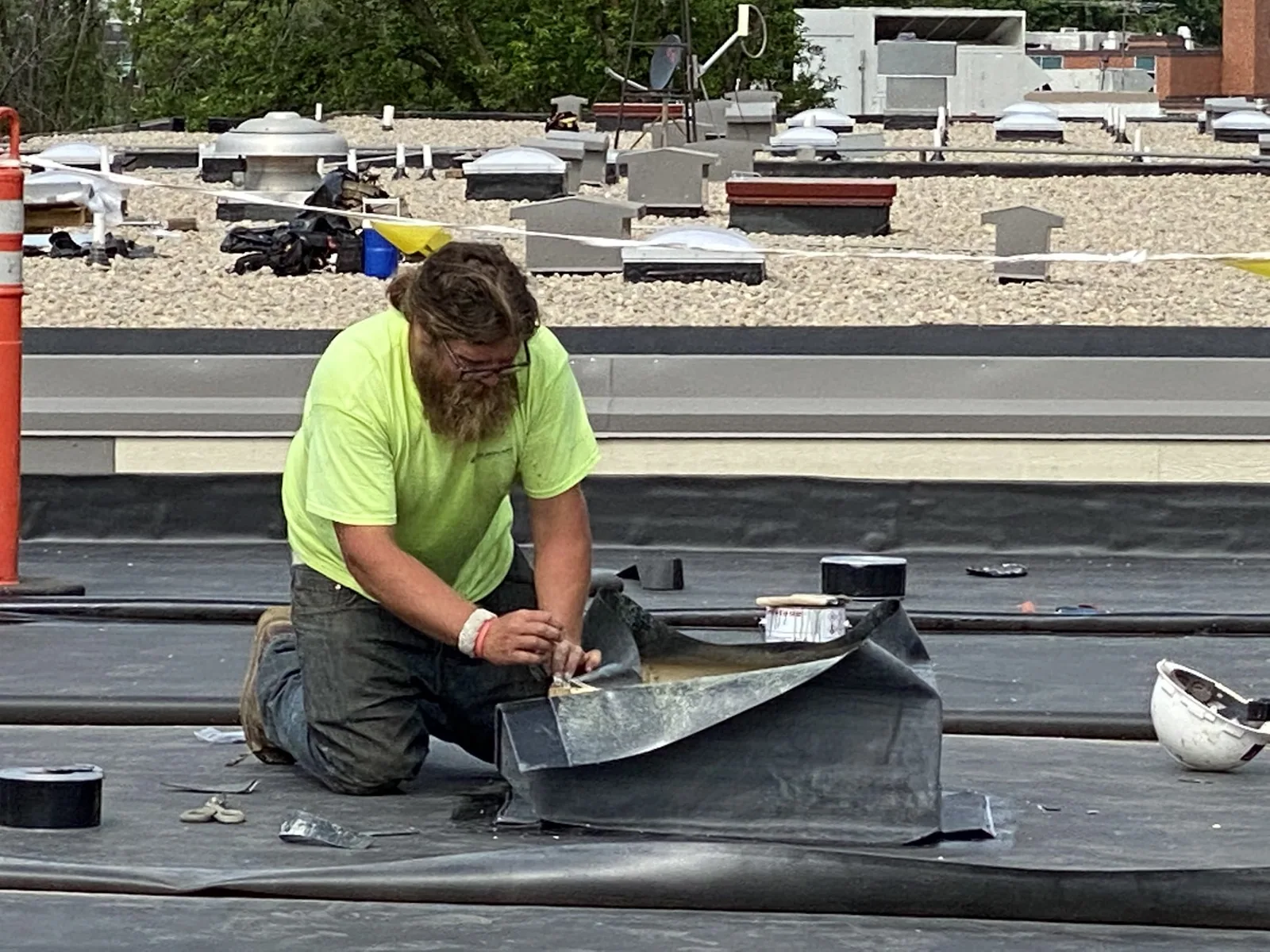
Identify whether the examined roof is metal panel, membrane or another assembly before choosing a repair material. On metal, a lasting correction may require a panel seam, fastener or trim detail to connect into sound material; surface sealant over a moving joint may not restore the original drainage path. On membrane, verify the seam condition, attachment and substrate at the approved opening, then prepare an edge that will accept compatible flashing. Hidden wet insulation or a deteriorated deck can change the repair extent, so expose and document it before covering.

At curbs, pipes, supports and roof-mounted equipment, check the flashing termination, corners and receiving surface. If a mechanical contractor must disconnect or ready a unit, leave the roofing boundary protected while the authorized contact coordinates that task. A rooftop equipment curb and support review can separate the connection detail from another trade's work. A commercial roof inspection can document the verified area, but no public TX18 record states what roofing assembly is installed there.

What should temporary protection cover while work is paused?

When a roof opening cannot be permanently closed during the same visit, describe the temporary cover, area protected and expected limit. Set it so wind or runoff does not pull water beneath an exposed edge, and inspect the adjacent surface that will receive the tie-in. If weather changes or material delivery is delayed, the facility should know what remains temporary and who is responsible for checking it. A patch intended only to reduce immediate exposure should not be described as a finished assembly.

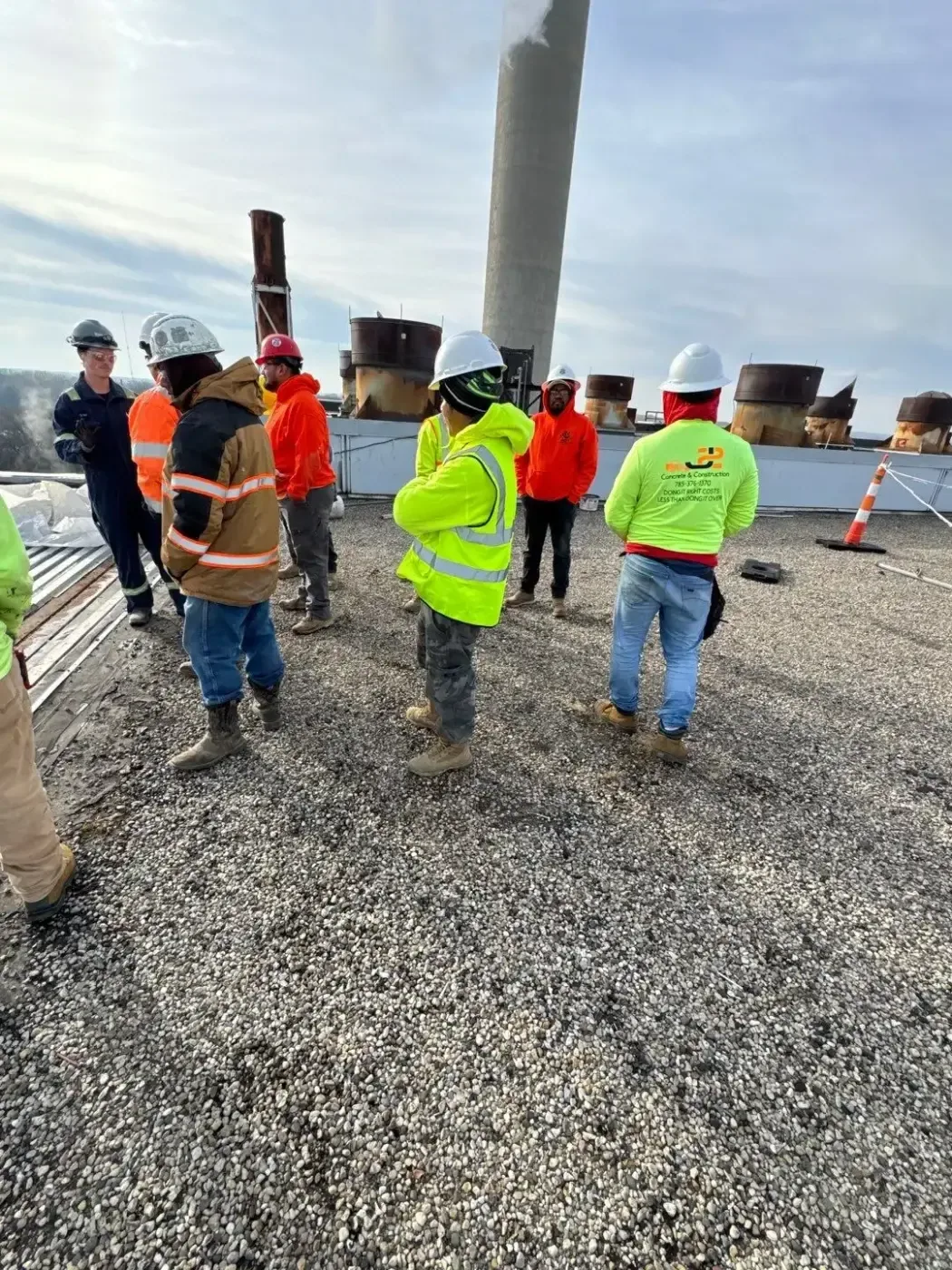
Facility representatives control site access, aircraft or equipment movement, work windows, escorts, delivery paths and restricted areas. The roofer can explain the opening size, material handling and roof-entry needs; the facility decides what it authorizes. Access procedures vary by installation; follow the assigned facility’s current security and operational requirements. If immediate protection is needed, emergency roof repair still requires a confirmed location, condition and approved access; the label does not promise a response time.

Military Hangar Maintenance Facility Roofing near Garland, TX

When should a hangar owner compare a local repair with renewal?

A local repair may be appropriate when the failure is isolated and the surrounding assembly can receive a compatible permanent connection. Repeated seam failures, widespread corrosion, wet insulation across several areas or deteriorated deck support can justify examining a larger area before a scope is chosen. Document the locations and extent actually inspected. If new findings cross the approved limit, stop at a protectable edge and obtain the revised decision before removing more material.

The Army Guard report confirms the hangar's reported use at the time of its inspection, not a damage event or current roof condition. A roof condition report can separate observations, concealed areas and return questions after authorized inspection. If replacement is under consideration, commercial roof replacement should specify verified roof layers, insulation, drains, perimeter edges, door transitions and equipment interfaces. The facility contact should receive a closeout that distinguishes finished permanent work from temporary protection and remaining trade tasks.

Wide hangar spans can make an interior symptom hard to align with a roof defect. Mark the reported area against structural bays or another facility-approved roof map, then check nearby seams, drains, curbs, and door transitions. The military facility contact should define escort and staging requirements, while aircraft maintenance staff identify equipment or operations that cannot be interrupted. Roofers can repair the covering and its flashing, but door mechanisms, aircraft systems, and specialized equipment remain with their assigned trades. For a paused opening, record the temporary protection and the weather conditions that would require an earlier return. The permanent scope should state which bay and detail have been restored and what remains outside the inspected area.

Military Hangar Maintenance Facility Roofing near Garland, TX

Common Questions

Does Garland have a verified military hangar?

FY2023 facility use included helicopter maintenance and training at a Grand Prairie hangar. Before planning current work, confirm authorized access, roof conditions and the released work area with the facility contact. The City-operated Garland/Dallas Fort Worth Heliport is a separate civilian facility.

How far is the Grand Prairie AASF from Garland?

Current FAA and Texas Military Department location references are roughly 23 to 24 straight-line miles from Garland's municipal reference. The figure is not driving distance, a service radius or an exact hangar-footprint measurement.

Does the public record identify the AASF roof system?

No. An Army Guard report describes a hangar and its use at report time. Roof assembly and condition require current records and an authorized site inspection.

Can a roofer coordinate aircraft movement or enter the site from public data?

No. The facility's authorized representative sets access, escorts, movement limits and work windows. Public FAA and Army information does not grant contractor entry or establish site procedures.

Military Hangar Maintenance Facility Roofing near Garland, TX

Review a military hangar roof condition

Provide the confirmed property address, reported condition and authorized facility contact. We can examine the approved roof area, document the actual assembly and describe the protected opening, repair tie-in and any coordination still required.

Call 555-555-5555 or request a roof assessment.

Questions About Your Roof?

ServicesRoof SystemsProperty TypesIndustriesService AreasDamage RepairCapabilitiesManufacturersAboutRequest a Roof Assessment555-555-5555
Call us today555-555-5555