Aircraft Hangar Roofing in Garland, TX

Aircraft Hangar Roofing in Garland, TX

Aircraft Hangar Roofing

Property Types We Roof

A hangar roof repair begins with the actual roof assembly and a work boundary that protects an opening from weather while the permanent detail is completed. We inspect the reported leak, seams, penetrations, drains, edge metal and visible support interfaces before recommending removal. Compare the reported hangar bay with the roof above, then trace water across seams, drains, penetrations and edges before setting a repair boundary.

Garland aviation operations include hangar space for piston and turbine rotorcraft. At an aircraft-support property, sequence roof access around aircraft movement, maintenance activity and the operating boundary below. The facility contact should coordinate roof entry, aircraft clearance, ground protection and any restrictions on lifts or staging. A request for any hangar needs the exact property address and direction from its owner or authorized facility representative.

What needs to be protected below a roof opening?

Before roof material is lifted, identify the area beneath the proposed work and the items or equipment the owner wants protected. Hangars can have large interior volumes, but the roof span, door geometry, aircraft layout and operation at a particular building must be confirmed. We locate the reported water, inspect the plausible path above it and define the opening that can be examined and closed. If the exposed insulation or deck is wet beyond the first boundary, show the owner before expanding removal.

The facility representative determines which aircraft or equipment must be moved, who can authorize movement and how an open work area is isolated. Roofing staff should not assume aircraft readiness, flight schedules, maintenance procedures or clearances from a hangar label. A temporary cover can reduce immediate exposure while a decision or another trade is pending, but it needs a stated limit and a planned path to permanent restoration. The closeout should say what roof area was sealed and what remains open.

Aircraft Hangar Roofing in Garland, TX

How does the existing hangar roof determine repair materials?

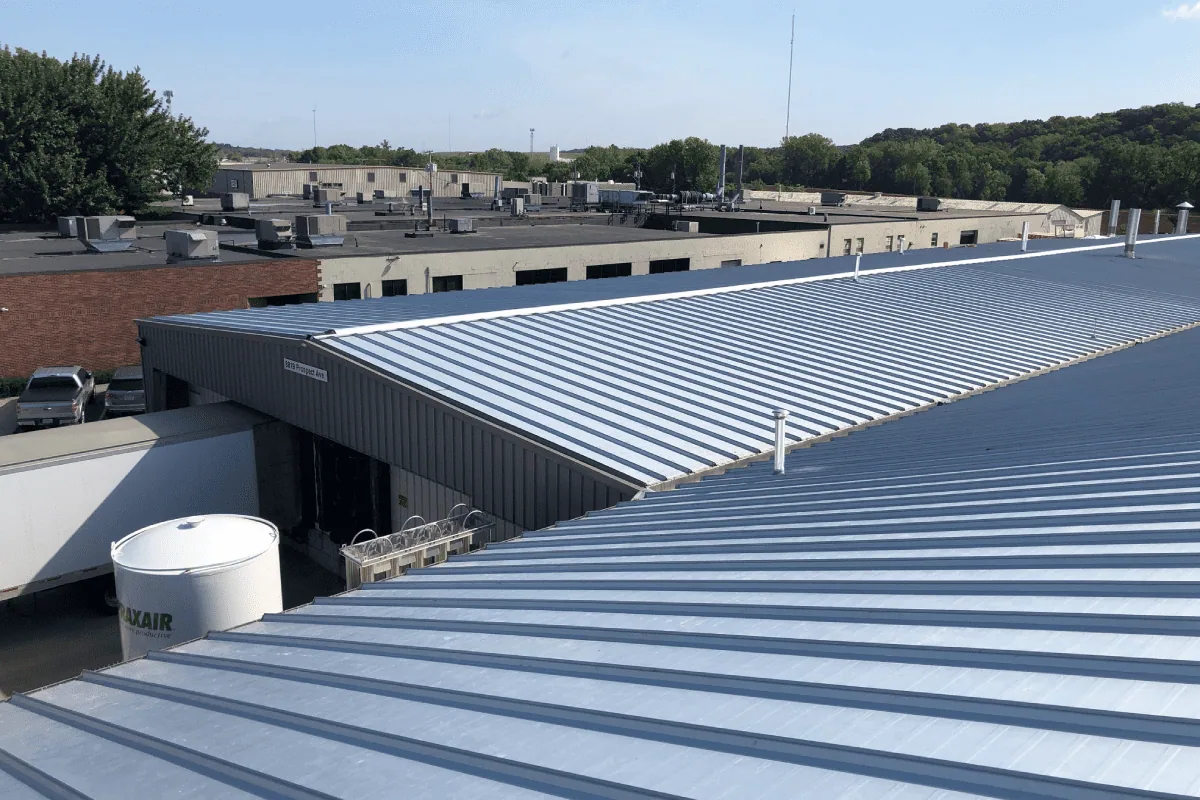
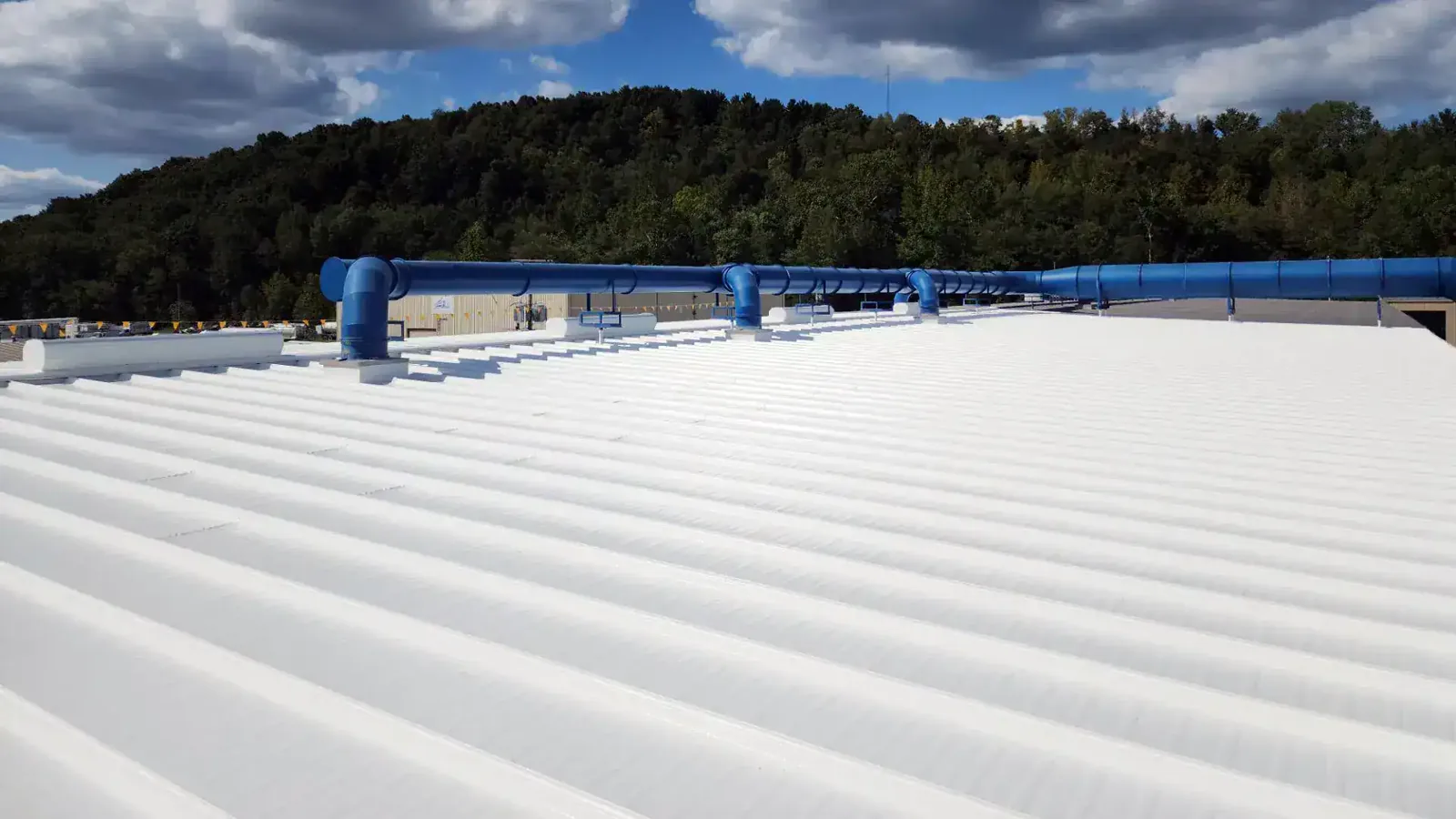
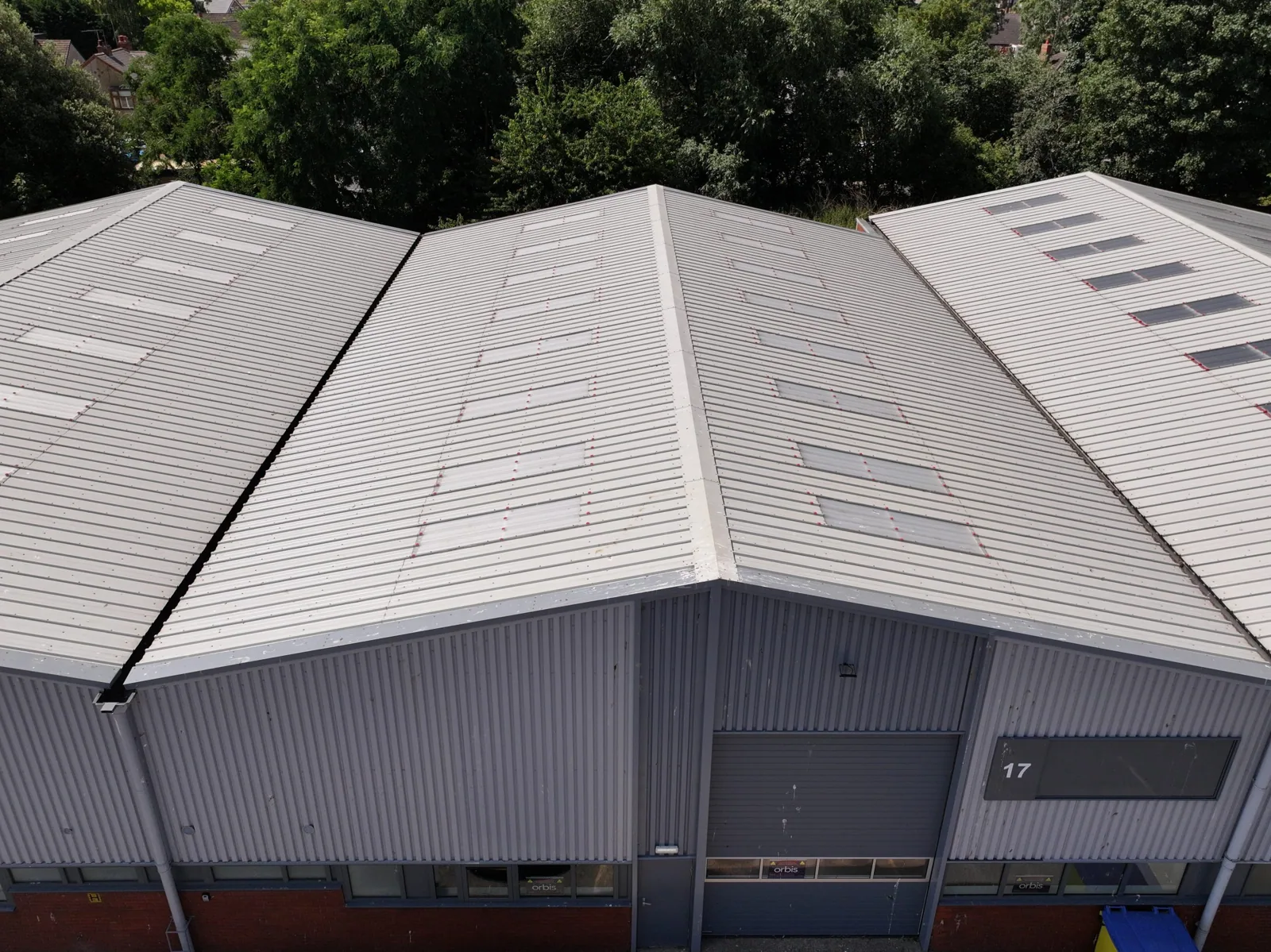
Confirm whether the roof is metal panel, membrane or another construction before selecting a repair. On a metal roof, inspect panel laps, fasteners, trim and changes in direction; on membrane, check seams, flashings, attachment and the substrate at an approved opening. Those are inspection points, not assumptions about a City facility or another operator's building. New material must be compatible with what remains and connect to a sound prepared edge. If the roof has prior overlays or multiple repair generations, document what is bonded and what needs removal.

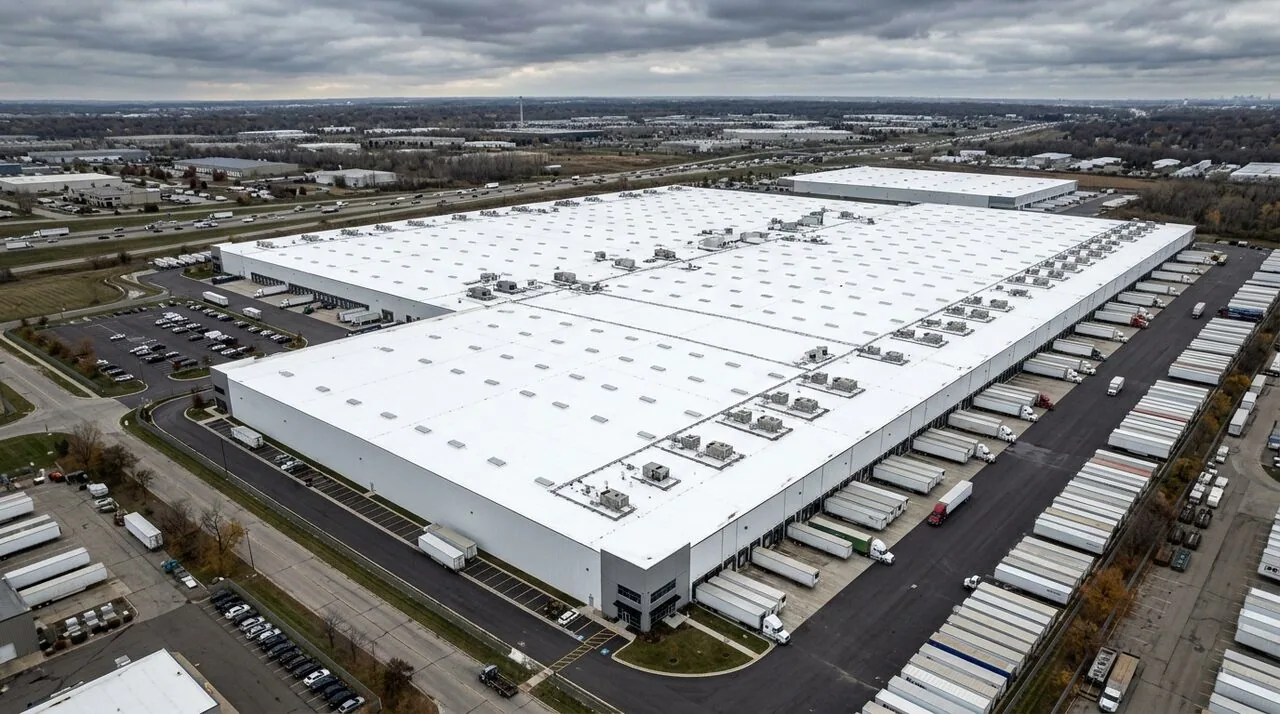
Roof openings, large doors, equipment supports and perimeter transitions can each create a different detail. A warehouse roof assessment can offer a comparison for large commercial roof areas, while manufacturing plant roofing examines related roof interfaces around industrial equipment. Neither establishes a hangar's assembly. If a large area cannot accept a durable local correction, commercial roof replacement should state the assembly layers, edge work, door transitions and penetrations included.

Aircraft Hangar Roofing in Garland, TX

Who controls airfield, aircraft and equipment coordination?

The facility owner or operator sets access, escorts, work clearances, movement restrictions, vehicle routes and any aviation-specific coordination. Those instructions must be obtained for the site and work date. The roofer can identify material delivery, roof access needs and the physical work boundary, but cannot infer authorization to enter a hangar, approach an aircraft or work around active flight operations. If equipment or a support must be disconnected, assign the task to the responsible trade before the roofing connection is closed.

For a hangar roof, coordinate lift placement, debris control and temporary protection with the operator before work begins. It does not provide a universal hangar work protocol. A question about maintenance access, aircraft storage or authorized work must go to the facility representative. Garland's Downtown Garland location and Forest/Jupiter service area are separate geographic references; they do not identify heliport access or another aviation customer's address. An inspection should be arranged only after the owner confirms site access.

How should drainage, wind exposure and close-in be reviewed?

Inspect the roof route to visible drains, scuppers and gutters, then check the outlet connection and nearby membrane or panel edges. A standing-water observation does not by itself diagnose slope, structural capacity or the leak source. If flow beyond the roof fitting is unclear, identify a separate plumbing review. At the perimeter, examine coping, edge metal and door transitions for loose material or gaps that would prevent a durable tie-in. The owner should receive a description of the exact detail corrected and any adjacent condition not included.

Hangar geometry and site conditions vary, so plan each opening around the material that can be protected and permanently closed. If work pauses, explain whether the temporary protection is weather-limiting only or whether the permanent assembly is complete. Drain and scupper work can address a verified roof-side outlet detail; emergency roof repair can be considered for immediate protection after the site and condition are confirmed. Neither link states a response window or a hangar-specific service history.

Aircraft Hangar Roofing in Garland, TX

When should a hangar owner compare repair and renewal?

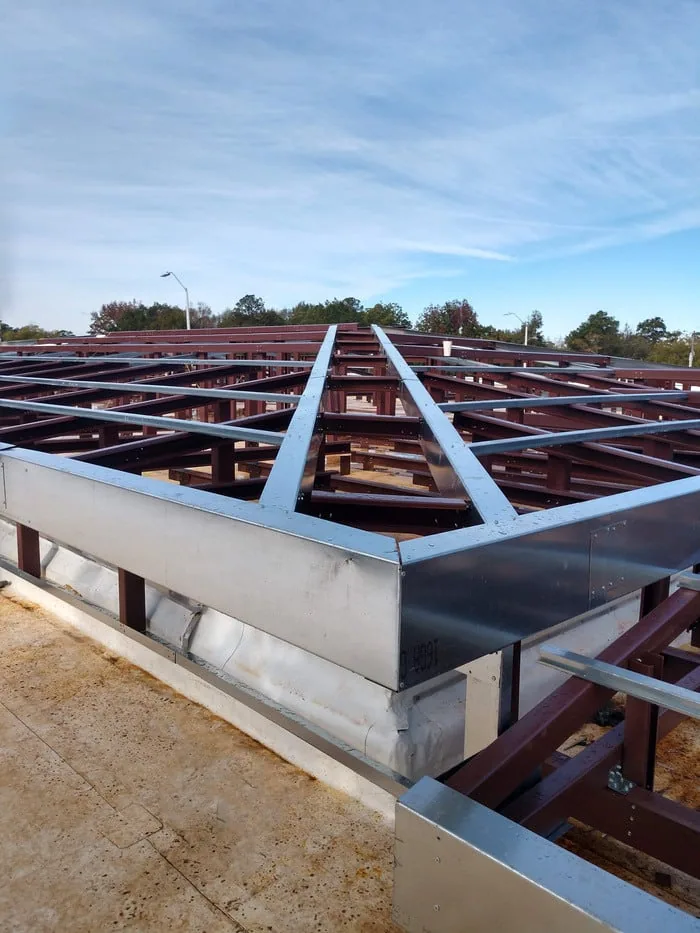
A local correction can be appropriate when the failure is isolated and adjacent roof material is sound enough to accept new flashing or a compatible patch. Repeated seam or fastener problems, wet insulation across several areas or widespread edge deterioration may call for a broader condition survey. Record the location, measured repair boundary, exposed layers and uncertainties. If hidden damage extends past the approved limit, pause and obtain a revised scope decision before covering the finding.

For a second Garland aviation reference, the City's public-use heliport has published hangar capacity for piston and turbine rotorcraft. That fact describes the heliport, not a customer's building or its roof. A roof condition report can keep observed details, photographs and pending questions tied to the confirmed address. If replacement is being considered, include door interfaces, edges, drainage, insulation and roof supports in the scope. The owner should decide how the completed area, temporary protection and any outstanding aircraft or equipment coordination will be recorded before the crew leaves.

A hangar inspection should account for the large door opening as a separate perimeter detail. Examine the head, jambs, guides, and adjacent roof edge for movement, loose metal, or a failed transition, but do not assume the door contractor's adjustment is part of roofing. Where aircraft or ground equipment must remain in place, the facility contact should identify the clear work area and any lift or fall-protection restriction. A roof repair near a wide opening may need staged temporary protection if wind or rain could reach the interior before the permanent edge detail is ready. Document the door position, roof zone, and finished connection so the owner can distinguish a roofing correction from a door-system service call.

Aircraft Hangar Roofing in Garland, TX

Common Questions

What should a hangar owner confirm before a roofing visit?

Garland’s public heliport accommodates piston and turbine rotorcraft. For a hangar project, the owner should confirm the building’s roof assembly, aircraft clearance, access rules and work-area restrictions with its operator.

Can a roof inspection proceed while aircraft remain inside?

The hangar owner or operator decides whether aircraft must move and sets site access and work restrictions. Confirm those directions before scheduling; do not infer them from the building type.

Can a temporary patch serve as the permanent repair?

Only if inspection confirms sound surrounding construction and a compatible tie-in. A temporary cover should have a stated limit, with wet or deteriorated layers and any return work documented.

What should replacement planning include?

Verify the roof system and include the inspected layers, perimeter, door transitions, equipment interfaces and drainage. Any aircraft movement or access coordination remains with the authorized facility representative.

Aircraft Hangar Roofing in Garland, TX

Review a hangar roof condition

Provide the property address, reported roof condition and authorized facility contact. We can examine the verified assembly, define a protectable repair boundary and identify the access or equipment coordination the owner must arrange.

Call 555-555-5555 or request a roof assessment.

Questions About Your Roof?

ServicesRoof SystemsProperty TypesIndustriesService AreasDamage RepairCapabilitiesManufacturersAboutRequest a Roof Assessment555-555-5555
Call us today555-555-5555