SOPREMA Commercial Roofing in Garland, TX

SOPREMA Commercial Roofing in Garland, TX

SOPREMA Commercial Roofing

Roofing Manufacturers

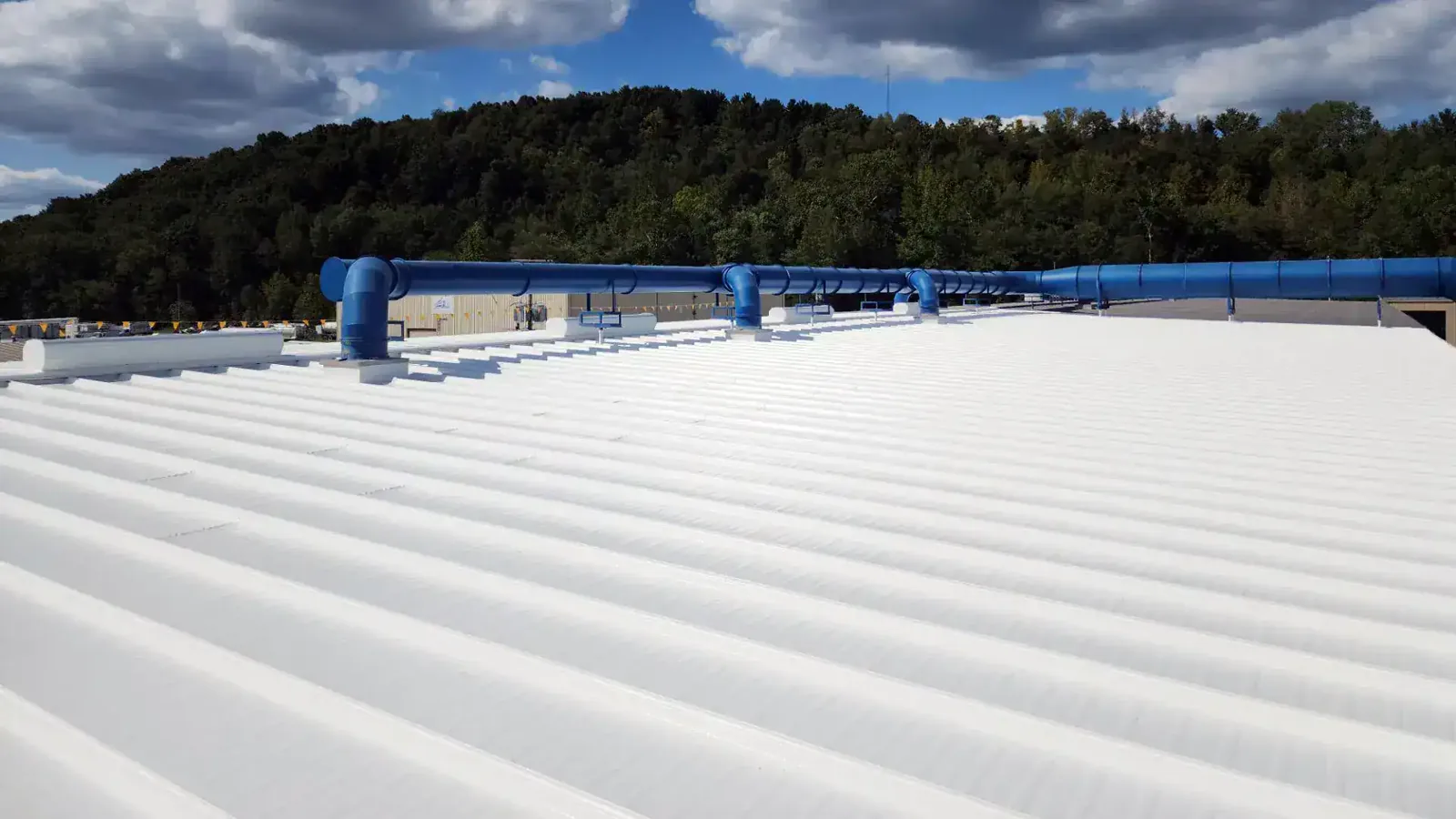
A SOPREMA roof decision may involve a layered asphaltic membrane, a PVC sheet or a liquid-applied product. SOPREMA’s commercial roofing families include SBS-modified bitumen, PMMA/PMA liquid-applied membranes and synthetic PVC systems. These are different technologies with different preparation and installation requirements. Confirm which product is present and what layers support it before authorizing a repair in Garland. A modified-bitumen system comparison should be based on the actual product and assembly, not the broad manufacturer name.

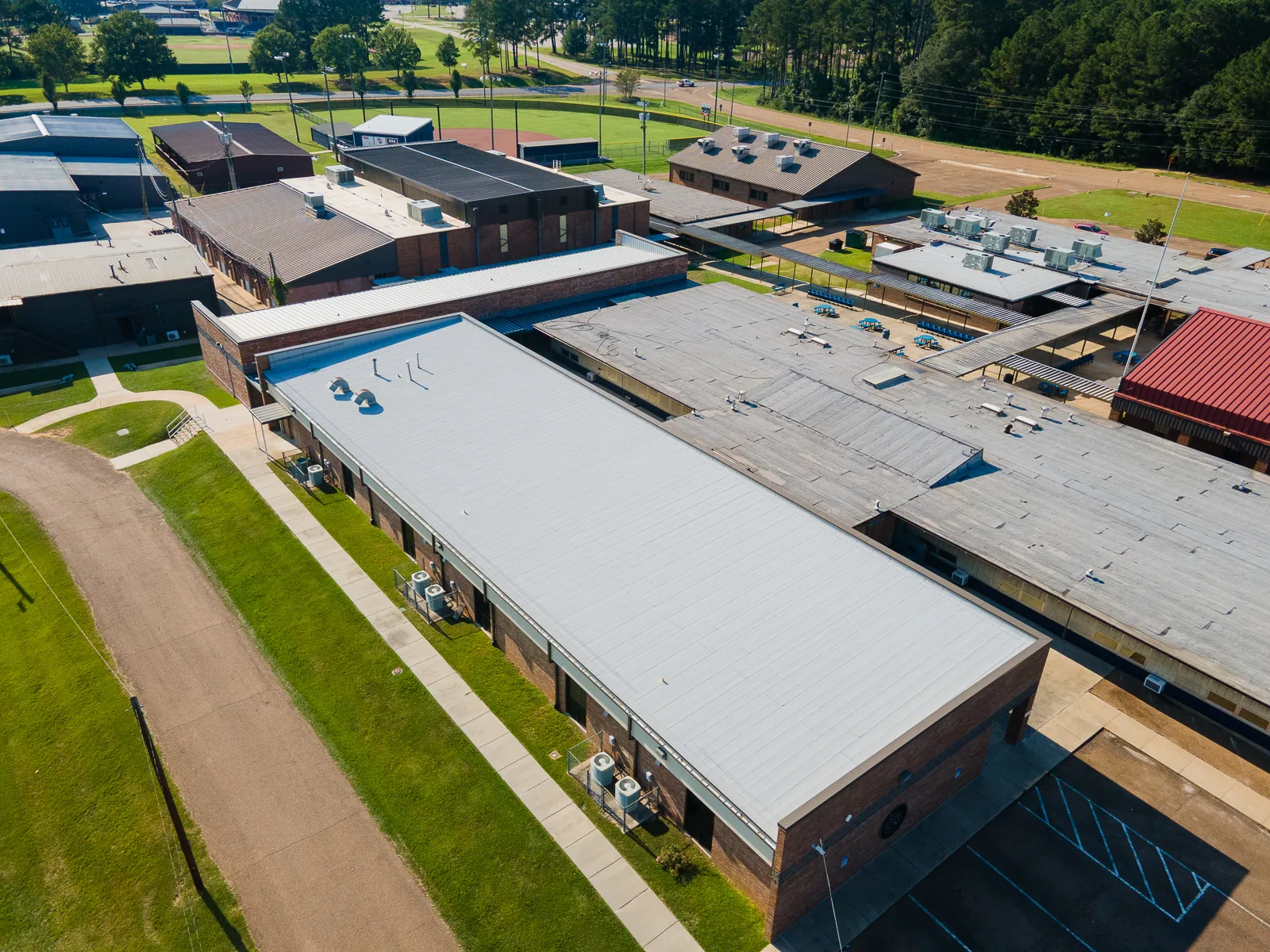
For a Garland property, the roof substrate, transitions and actual site conditions guide the work. Record the affected location and exposed material, then select the SOPREMA product and application method for the assembly under review. The DFW region's variable weather also makes the installation window part of the work plan.

The Garland Medical District has phased streetscape work. For a nearby property, confirm staging and roof access with the building contact, then match a Soprema detail to the assembly actually present.

Which SOPREMA roofing technology is on the table?

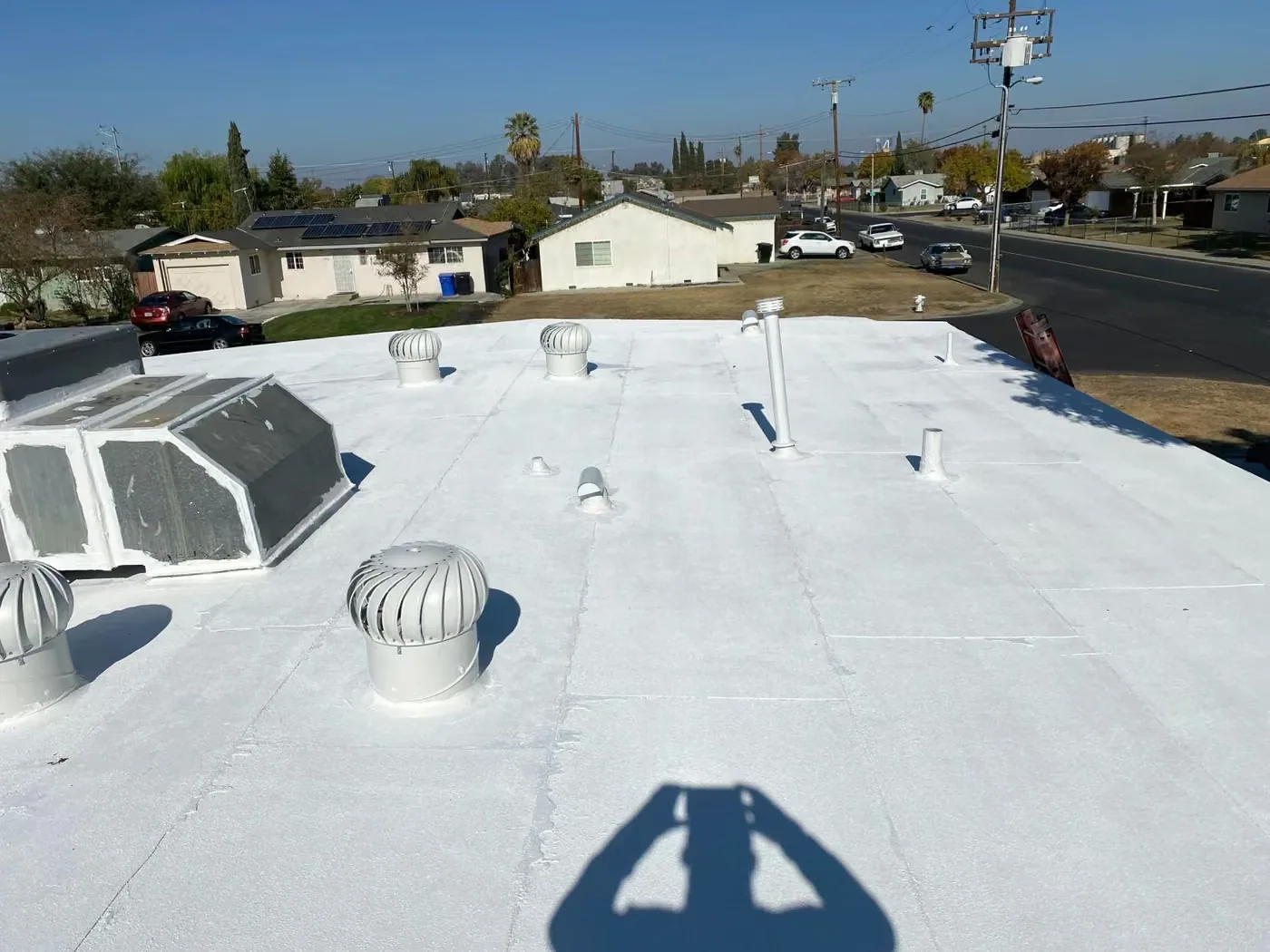
SOPREMA's commercial roofing families include SBS-modified bitumen membranes, PMMA/PMA liquid-applied membranes and synthetic PVC single-ply membranes. These product categories do not confirm a specific assembly or warranty for the property. Identify whether the proposal concerns plies and asphaltic layers, a thermoplastic sheet, or a liquid-applied construction. The roof’s existing materials and substrate matter before any new system can be specified. Compare options by their actual work steps: surface preparation, removal or retention, reinforcement or cover layers, transitions, curing or seam work, and access constraints. A coating alternative should be treated as a different system decision, not presumed equivalent to SBS or PVC. Confirm the chosen product’s current details and limitations in its technical documents before carrying a price or making a performance representation.

The three technologies also create different inspection questions. With bituminous plies, record the surfaced layer and exposed ply construction where available. With PVC, identify the sheet and seam condition. With a PMMA or PMA liquid-applied system, describe coating continuity and substrate at the area examined. These observations help set a repair boundary without suggesting that the products share preparation or installation methods.
SOPREMA Commercial Roofing in Garland, TX

How should the owner investigate a reported defect?

Map the reported area and inspect the nearest seams, flashings, drains, equipment transitions or laps appropriate to the system found. Note whether the defect is in the field material or an interface and what is visible below it. Trace a ceiling mark to the roof area above it and identify the material and damage extent during inspection. If an opening or test is needed, define the location and decision it will answer before extending removal. For a sheet membrane, document sheet identity and seam condition. For a bituminous roof, identify the observed plies or surfacing where exposed. For a liquid-applied roof, note coating continuity and substrate condition; test adhesion where it will affect the repair boundary. An inspection report should label observed facts, interpretations and limitations so the repair scope stays connected to evidence. Choose the repair detail from the installed product, substrate and transition, then confirm the preparation and closure required for that assembly.

An asphaltic ply, PVC sheet, and liquid-applied membrane need different preparation and closure details. Identify the layer that is damaged and whether the transition includes a compatible flashing or reinforcing fabric. For a liquid-applied repair, confirm the required substrate condition and curing window; for sheet or bituminous work, document the laps and tie-in surface. Do not combine methods across product families without an approved detail.

SOPREMA Commercial Roofing in Garland, TX

What makes an appropriate permanent repair?

A repair needs a defined boundary and a method compatible with the actual product and supporting layers. State the preparation, materials, tie-in and limits, and identify the trigger for additional review if removal reveals unsuitable substrate. Different SOPREMA technologies call for different work methods; a liquid-applied detail cannot be presumed interchangeable with a welded sheet or asphaltic ply repair. The owner should receive a plain explanation of the construction selected and why it addresses the observed condition. If the roof shows broader deterioration, compare localized work against a larger replacement with explicit assumptions for removal, deck, insulation, cover board and edge details. A repair quantity by itself is not a condition assessment. Keep drainage, penetrations and transitions inside the scope where they affect the water path. A replacement evaluation should match the candidate system’s current product and design documents and identify all unverified conditions that could change the work.

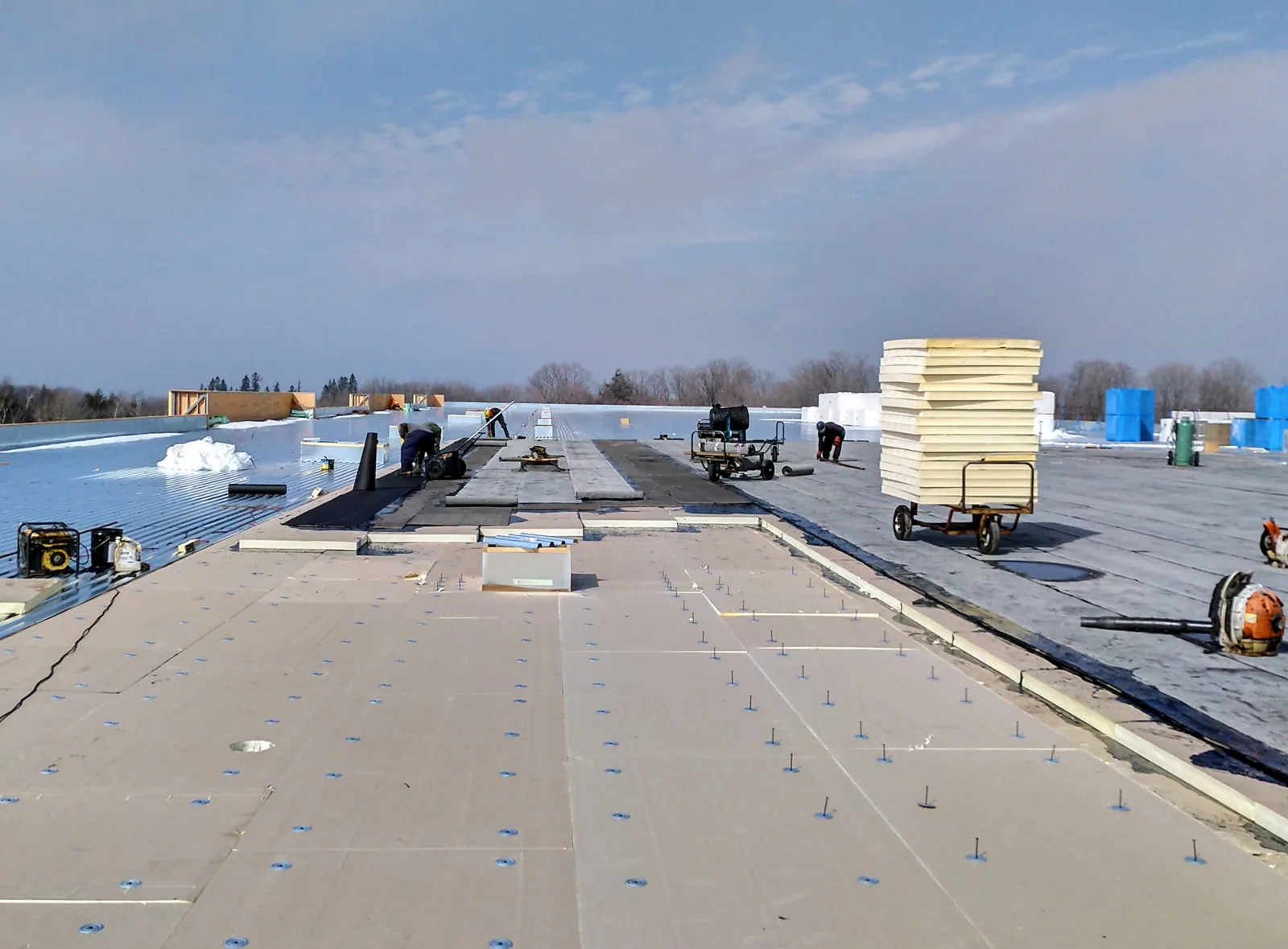
Work method should also follow the actual product form. A torch-applied or cold-applied bituminous option, a hot-air welded sheet and a liquid-applied flashing resin create different preparation, safety and cure considerations. The product submittal and current instruction should identify those steps before a schedule is set. If a repair crosses from one technology to another, confirm the transition detail rather than assuming direct contact is permitted.

If work pauses for another trade, define the temporary protection and the surface condition required before the roofing detail can be completed. A return visit should begin with the same product and substrate information used to approve the repair.

What Garland building constraints must be confirmed?

Before work, ask the building contact about access, staging, delivery, operating hours and areas requiring interior protection. If another trade controls rooftop equipment, record the release required before flashing or coating transitions can be completed. Temporary protection and permanent repair are different activities when work must pause. A clear handoff identifies the condition being protected, the responsible contact and the work remaining at the return visit. For a Garland installation, confirm the permit path with the project authority and set the work window around the roof's actual surface conditions and the selected product's installation requirements. DFW's hot summers, variable winter temperatures and wetter spring and fall seasons can affect when preparation and application are practical. Keep those constraints visible in the schedule rather than assuming all systems share one weather window.

SOPREMA Commercial Roofing in Garland, TX

How should SOPREMA work be documented?

Record the product and system installed, the surface or substrate encountered, repaired locations and transitions, and the areas excluded from investigation. Keep photos of preparation as well as finished work. If a product warranty or system warranty is discussed, retain its issued terms and eligibility evidence. A manufacturer’s description of product families does not show that a specific roof meets prerequisites or has received coverage. Make any inspection or manufacturer consultation traceable to the actual property and product. Owners can preserve this information in roof condition reporting, alongside maintenance observations and later alterations. For layered or liquid-applied systems, noting product identifiers and repair material is particularly useful when a future crew needs to select a compatible detail. Documenting what was not confirmed also prevents a later reviewer from treating a limited repair as proof of whole-roof condition. A building owner coordinating a visit near Holford Recreation Center or Downtown Garland can provide the property address and building contact to plan access. The product instructions for Johns Manville and Duro-Last apply to their own materials.

SOPREMA Commercial Roofing in Garland, TX

Common Questions

Which commercial roofing systems does SOPREMA offer?

Its commercial roofing systems include SBS-modified bitumen, PMMA/PMA liquid-applied membranes and synthetic PVC single-ply systems.

Can these systems share the same repair method?

No. Identify the installed product and use its current technical and installation requirements.

Does a product overview establish a roof warranty?

No. Project eligibility and an issued document with its terms are needed to establish coverage.

Does a ceiling stain identify the roof material?

No. Trace the symptom to an inspected roof area and confirm materials where possible.

What should a repair record include?

Name the product and work boundary, document preparation and transitions, and preserve photos and unresolved conditions.

SOPREMA Commercial Roofing in Garland, TX

Identify the SOPREMA roof technology

Share the property address, reported condition and any material records. We can determine whether the assembly is sheet, bituminous or liquid-applied before scoping permanent work.

Call 555-555-5555 or request a roof assessment.

Questions About Your Roof?

ServicesRoof SystemsProperty TypesIndustriesService AreasDamage RepairCapabilitiesManufacturersAboutRequest a Roof Assessment555-555-5555
Call us today555-555-5555