
Commercial Roofing Along the IH-30 Corridor in Garland, TX

Commercial Roofing Along the IH-30 Corridor in Garland, TX

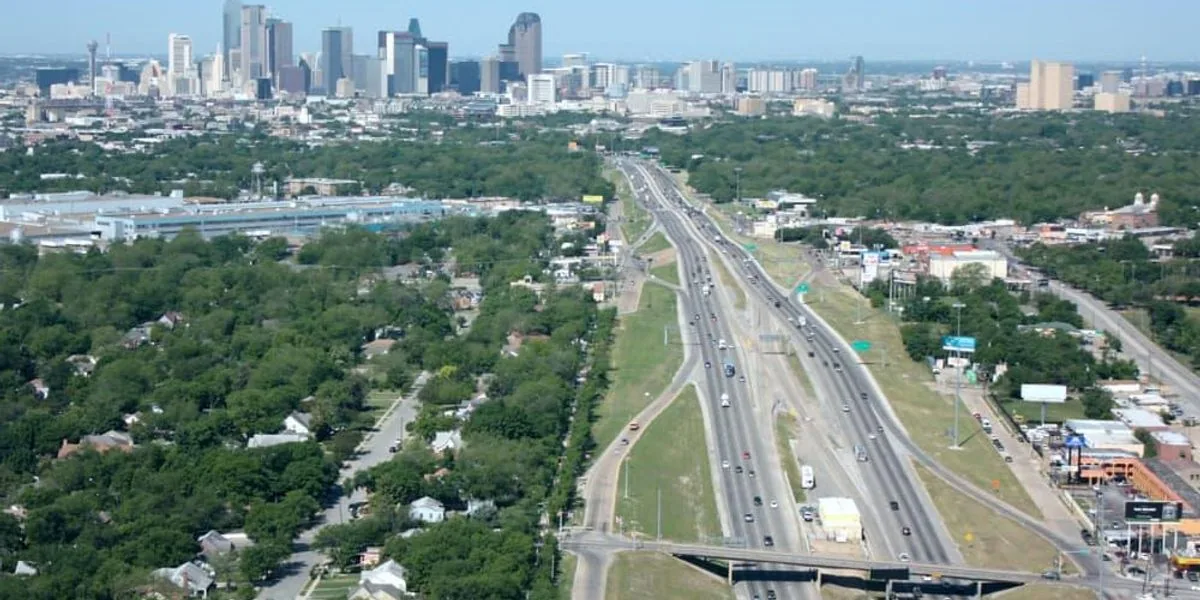
IH-30 Corridor

Service Areas

A leaking curb beside rooftop equipment can stop a tenant operation even when the opening is small. Along Garland’s IH-30 corridor, a roof visit should start with the building and the affected zone, then test whether the observed condition reaches beyond that detail. Garland’s long-range plan recognizes the corridor as a commercial and regional-access area. That geography can orient a call, but the repair decision depends on the assembly, water path, and work boundary at the property itself. Owners managing a second site in the Garland Medical District should keep its roof record separate.

For an active leak along IH-30, emergency roof repair can provide interim protection while the owner confirms access for the lasting detail. A commercial roof inspection then records the visible construction, affected locations, and conditions requiring a closer look.

How should the water path be traced?

Begin inside with the room, inventory, equipment, or finish affected. A ceiling mark identifies an impact point, not necessarily the roof opening. Move to the roof and compare the interior location with drains, seams, curbs, roof edges, and changes in elevation. Water can travel beneath a membrane or along a deck before it appears indoors. Note recent rain, whether the condition is active, and any earlier repair near the same zone.

Then inspect the roof covering where water could enter. A separated lap, cracked sealant, loose termination, puncture, or open flashing joint points to different work. Check whether the surface around the detail remains sound enough to receive repair material. If a drain is slow, distinguish a blocked bowl from a membrane slope or drain-flange problem. Each observation belongs on a roof plan or photograph so the owner can compare the proposed work with the actual location.
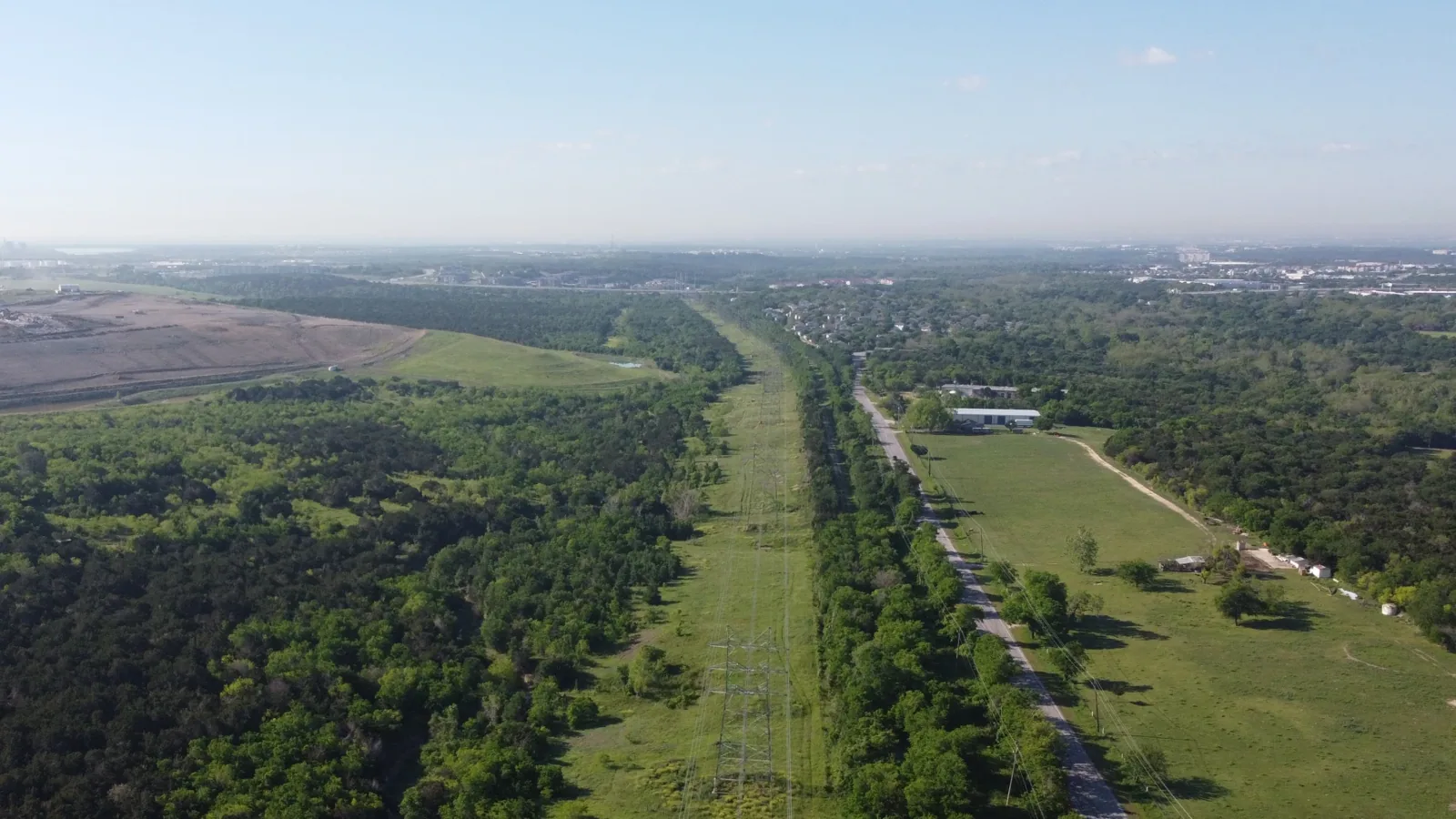
Commercial Roofing Along the IH-30 Corridor in Garland, TX

Where can runoff change the repair scope?

Spring and fall are the wetter parts of the Dallas-Fort Worth year, and thunderstorms can deliver more water than a restricted outlet can move promptly. After a storm, look for debris at accessible drains, water marks at scuppers, displaced edge metal, and ponding that remains after nearby areas have drained. Do not treat every low spot the same way. A clogged outlet, deflected deck, compressed insulation, or earlier patch can produce a similar view while needing a different correction.

Trace where the roof is intended to discharge and compare it with the path visible on the membrane. A drain connection may need cleaning or mechanical correction, while ponding beside the drain can call for review of slope, insulation, or the surrounding assembly. commercial drain and scupper service can address outlet details when they are part of the finding. If water is entering at an edge or curb, keep that flashing repair separate from drainage work so the owner can see what each item resolves.

Garland’s corridor plan addresses a broad area along IH-30, not a single building. Commercial property types and access arrangements vary, so confirm the roof section, equipment dependencies, and occupied spaces with the building contact before setting a work sequence.

Commercial Roofing Along the IH-30 Corridor in Garland, TX

What can be done before permanent materials arrive?

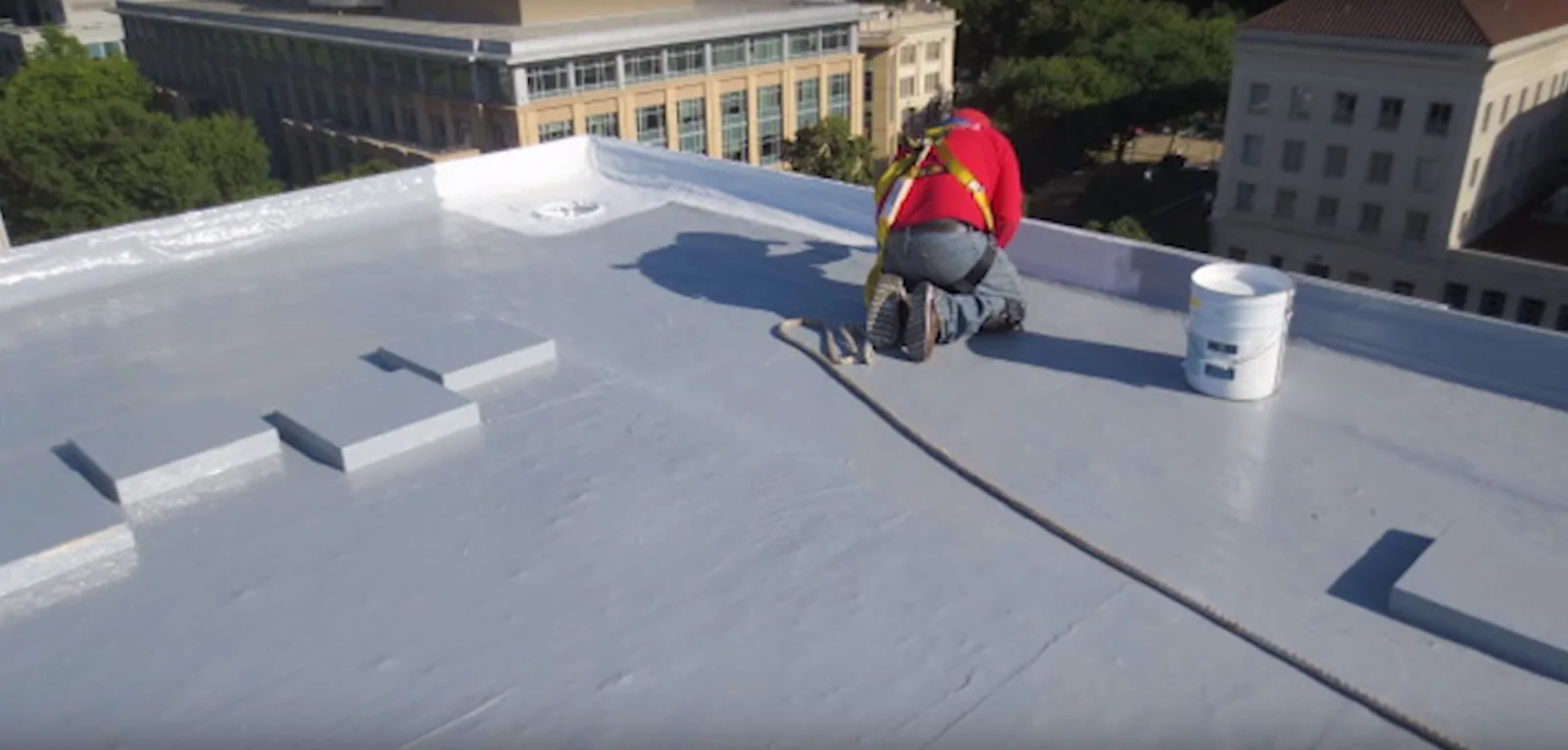
Temporary protection makes sense when an opening is active and the permanent repair cannot be completed on that visit. First determine whether the roof surface can be reached safely and whether rainwater is still entering. Protect the exposed area with a method suited to the observed condition, then record the protected boundary and what remains unresolved. The owner should know whether water can still travel below the covering and what condition must be confirmed before the assembly is closed.

Inside, move or cover vulnerable contents under the reported path when practical. Photograph the condition before cleanup changes it, and avoid promising that a ceiling mark will disappear when the roof is corrected. Wet finishes and stored materials may need their own response. Keep roof repair responsibility clear by documenting the location, temporary measure, and permanent work still required.

Occupied properties near the IH-30 business corridor can have deliveries, tenant access, and rooftop equipment that affect when a repair can proceed. A work plan should identify the roof zone to be closed, the equipment or trade that must be clear, and how the crew will leave the area before the next shift or weather window. Commercial roof repair is easier to review when temporary cover and final restoration appear as separate decisions.

How do repair and renewal options differ?

A localized repair reconnects a limited area to material that remains suitable for a bond or weld. It may be appropriate where the surrounding membrane, flashing, and substrate are sound. A wider replacement or restoration scope comes into view when deterioration repeats across roof zones, the attachment is failing, insulation is affected, or the surface cannot reliably accept a patch. The inspection should distinguish what is observed from what remains concealed so the owner can compare scope without guessing at hidden layers.

On a low-slope system, document membrane type, seam condition, edge termination, penetrations, and drainage before choosing material. TPO roof repair and modified-bitumen work have different field and flashing requirements. A coating is not a substitute for correcting wet insulation or a failed attachment. When replacement is under review, state whether removal, cover board, insulation, edge metal, and drain adjustments are included.

Garland’s code list includes adopted building and energy-code editions. Permit and assembly requirements depend on the work being performed. Confirm the applicable requirements for the specific property and scope before materials are ordered, and show any code-related assumption in the proposal.

Commercial Roofing Along the IH-30 Corridor in Garland, TX

What information makes a proposal usable?

Give the owner a scope that can be checked against the roof. Identify each area by a stable zone name, estimate its boundaries, state the failed detail, and show the material correction. Separate confirmed work from an allowance for concealed conditions. If removal could expose saturated insulation or deck deterioration, define what discovery triggers an approval request and how the roof will be protected while that decision is made.

Timing depends on access, weather, material compatibility, and the number of transitions that must be restored. A small patch may be completed in a short visit, but a repair that requires equipment relocation or interior protection may take longer to coordinate. Larger replacement work adds tear-off, disposal, substrate correction, and daily dry-in requirements. A schedule should say what roof section is expected to be watertight at each stop, not only list a start and finish date.

For Garland buildings near the Harbor Point area or along IH-30, route and site access need confirmation from the property contact. The I-30 corridor connects Garland commercial and employment areas. For each building, confirm loading, roof-hatch access and staging with the site contact before scheduling work.

Commercial Roofing Along the IH-30 Corridor in Garland, TX

What belongs in the closeout?

Closeout should tell the next person what was repaired without relying on memory. Record the roof zone, material and detail, extent opened, photographs before and after, and any remaining limitation. If a temporary measure is still in place, make its status plain and identify who will approve the permanent correction. Keep the observation separate from the conclusion when the visible evidence cannot establish the condition below the membrane.

A future preventive maintenance visit can check the same seams, outlets, edges, and penetrations after the repair has had time in service. Record changes after inspection. Keep each roof in its own property file so a drain or leak is not assigned to another building.

Commercial Roofing Along the IH-30 Corridor in Garland, TX

Common Questions

What should I report about a leak near IH-30?

Share the property address, interior impact location, whether water is active, and any roof zone or equipment near the suspected path.

Can a roof patch be sized from a ceiling stain?

No. Inspect the roof and trace the water route before setting the repair boundary.

When does ponding call for more than drain cleaning?

If an outlet is clear but water remains, review roof slope, insulation, deck condition, and the drain connection before choosing a correction.

Can temporary protection count as the completed repair?

No. Record the temporary boundary and the permanent work still needed to restore the assembly.

What should a replacement proposal identify?

List the roof zones, removal assumptions, insulation and cover-board work, edge and drain details, and how concealed conditions will be handled.

Commercial Roofing Along the IH-30 Corridor in Garland, TX

Review an IH-30 corridor roof concern

Send the Garland property address, affected roof zone, and reported condition. We can inspect the assembly, identify the repair boundary, and coordinate temporary or permanent work with the building contact.

Call 555-555-5555 or request a roof assessment.

Questions About Your Roof?

ServicesRoof SystemsProperty TypesIndustriesService AreasDamage RepairCapabilitiesManufacturersAboutRequest a Roof Assessment555-555-5555
Call us today555-555-5555