Commercial Roofing at I-30 and Rosehill in Garland, TX

Commercial Roofing at I-30 and Rosehill in Garland, TX

I-30 and Rosehill

Service Areas

Wind-torn perimeter metal can expose the roof-to-wall line before water reaches an occupied space. At I-30 and Rosehill in Garland, TX, the owner still needs a building-level answer: which edge or membrane detail failed, how far the condition extends, and what will hold the repair. Garland identifies the area within its I-30 planning corridor. We use that as a location reference, then base the work on roof observations at the property.

For active entry, emergency roof repair can reduce exposure while a permanent detail is prepared. A commercial roof inspection maps the affected section and clarifies which material and transitions are present.

What can a roof edge reveal?

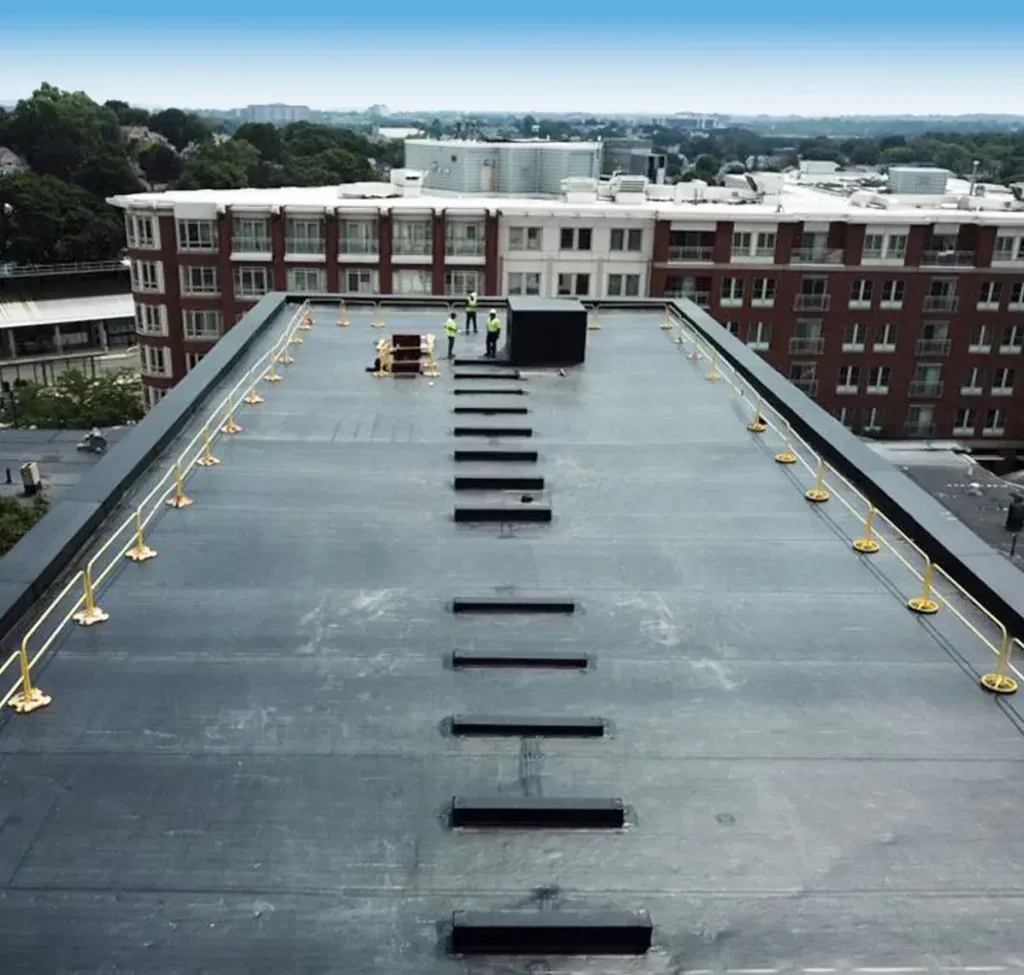
Inspect the edge as a connected assembly. The field membrane, termination bar or cleat, coping, fascia, and wall flashing each have to support a continuous water-control detail. Look for lifted metal, loose fasteners, open joints, cracked sealant, or a membrane that has pulled back from its termination. Photograph the condition from several points and note whether the same detail continues along adjacent roof areas.

A leak at the perimeter may follow the wall or deck before it reaches the interior. Compare the reported room location with parapet corners, expansion joints, roof transitions, and nearby drains. A ceiling stain below a storefront or office wall does not prove the wall flashing is the source; the roof inspection should follow the route and check each plausible entry point. Keep the roof finding separate from interior finish repair.

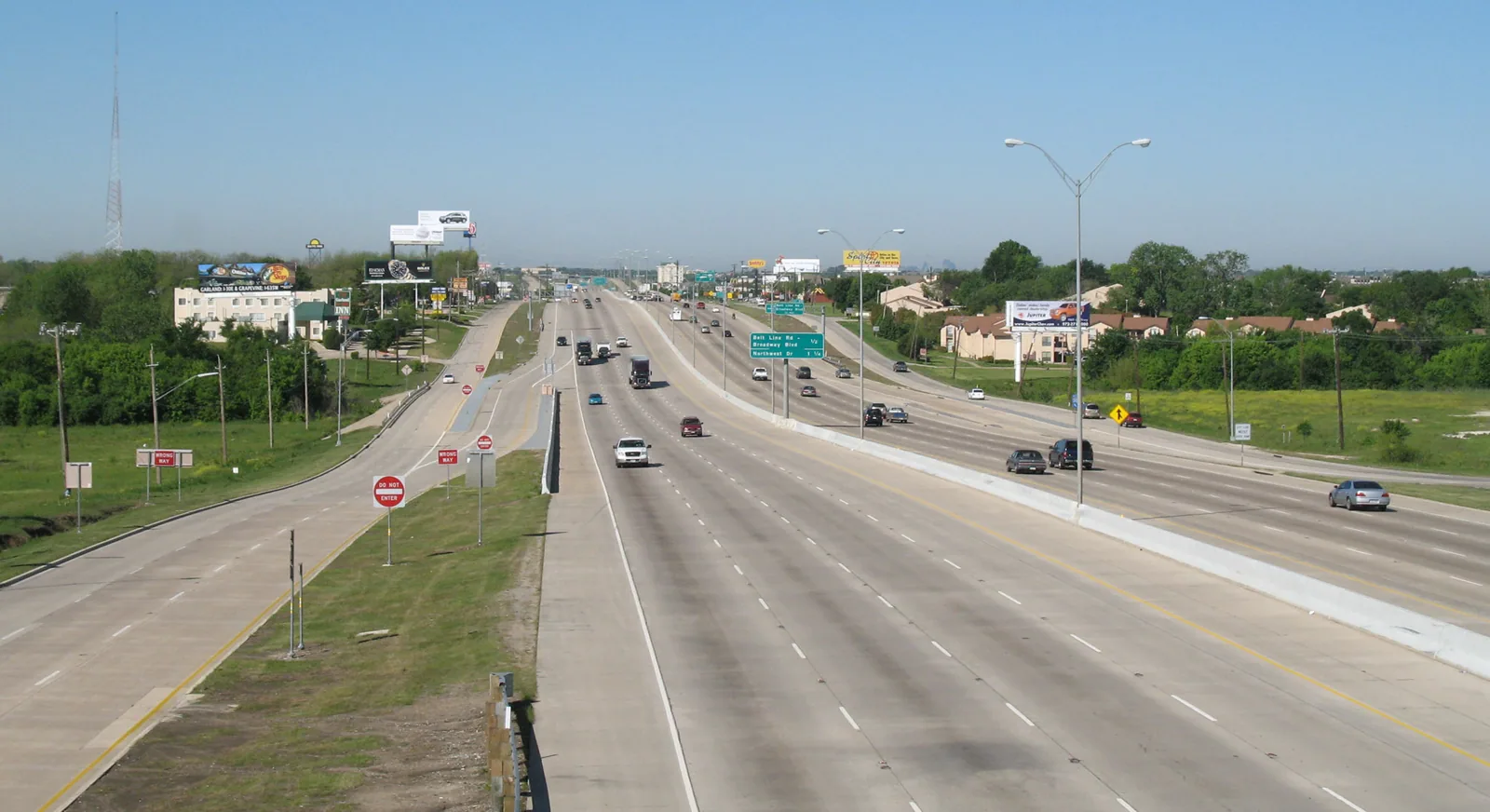
The commercial and regional-access context of the I-30 corridor can help an owner orient a service request, but it does not identify the building's construction. Record the actual roof system and edge assembly before specifying metal or membrane. If the parapet substrate is loose or damaged, identify that repair separately from replacement of the visible coping.
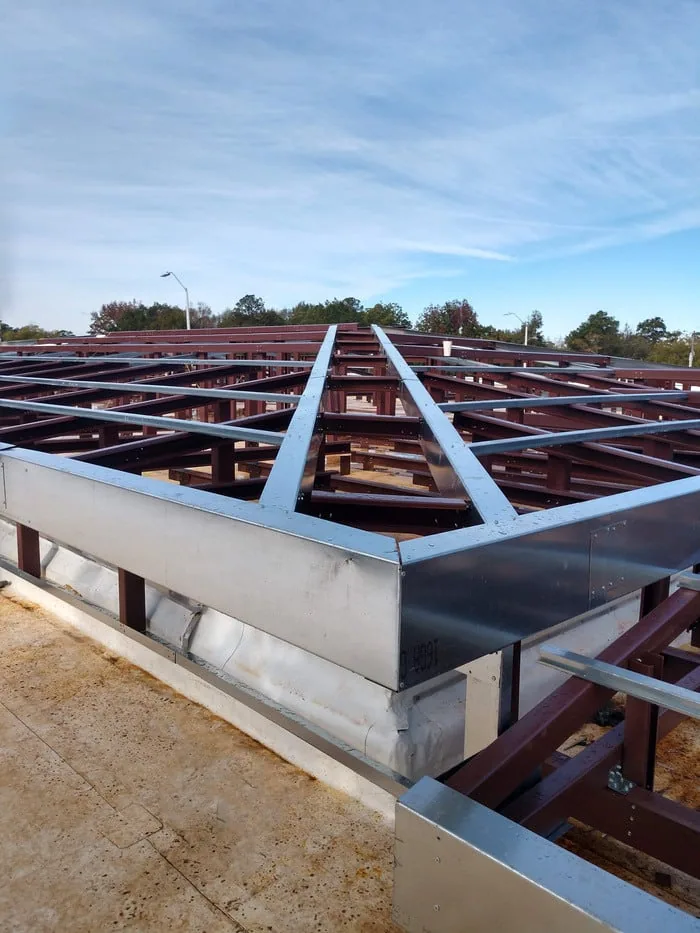
Commercial Roofing at I-30 and Rosehill in Garland, TX

How should water movement be checked?

Water that reaches the edge may reflect a blocked outlet, a low area, a damaged scupper, or a slope that no longer directs flow. Walk the drainage path from high points to outlets and record debris, ponding, water marks, and any displaced components. Distinguish a drainage problem from a flashing leak even when both occur near the same roof edge. Otherwise, a new strip of membrane can be installed while water continues to collect at the original low point.

Regional spring and fall storms can test drains and perimeter transitions. After rain, note how long water remains and whether it is concentrated at a seam, curb, or wall. drain and scupper repair can address the outlet connection where it is part of the finding. If water runs through a scupper but enters at its sleeve, the scope needs to restore both the opening and the surrounding membrane tie-in.

When the inspection cannot establish whether insulation or deck is wet, define a specific investigation area. Explain what an opening may reveal and how it will be closed. The owner can approve that limited verification without committing to an unmeasured replacement area.

Commercial Roofing at I-30 and Rosehill in Garland, TX

How can the building stay protected?

At an exposed edge, temporary protection should cover the opening without hiding its boundary. Record where the cover attaches, what water path remains possible, and what permanent materials are still needed. If the work stops before coping or flashing is complete, leave the roof in a condition suited to the forecast and identify the return task plainly. A temporary measure is valuable when it buys time without being mistaken for final work.

On occupied commercial property, confirm the room or tenant area beneath the edge before staging material or opening the assembly. Keep loose debris and removed metal controlled. If a crew must work near mechanical equipment or building entries, arrange access with the property contact and identify any safety constraint before mobilization. The planning boundary around Rosehill does not determine these building instructions.

Commercial roof repair should specify the existing edge type, the attachment or flashing correction, and the transition back to the roof field. A metal replacement can be incomplete if it covers a loose substrate or fails to engage the membrane termination. Include the backing condition and any carpentry or masonry work required for a secure connection.

What detail should replace a failed one?

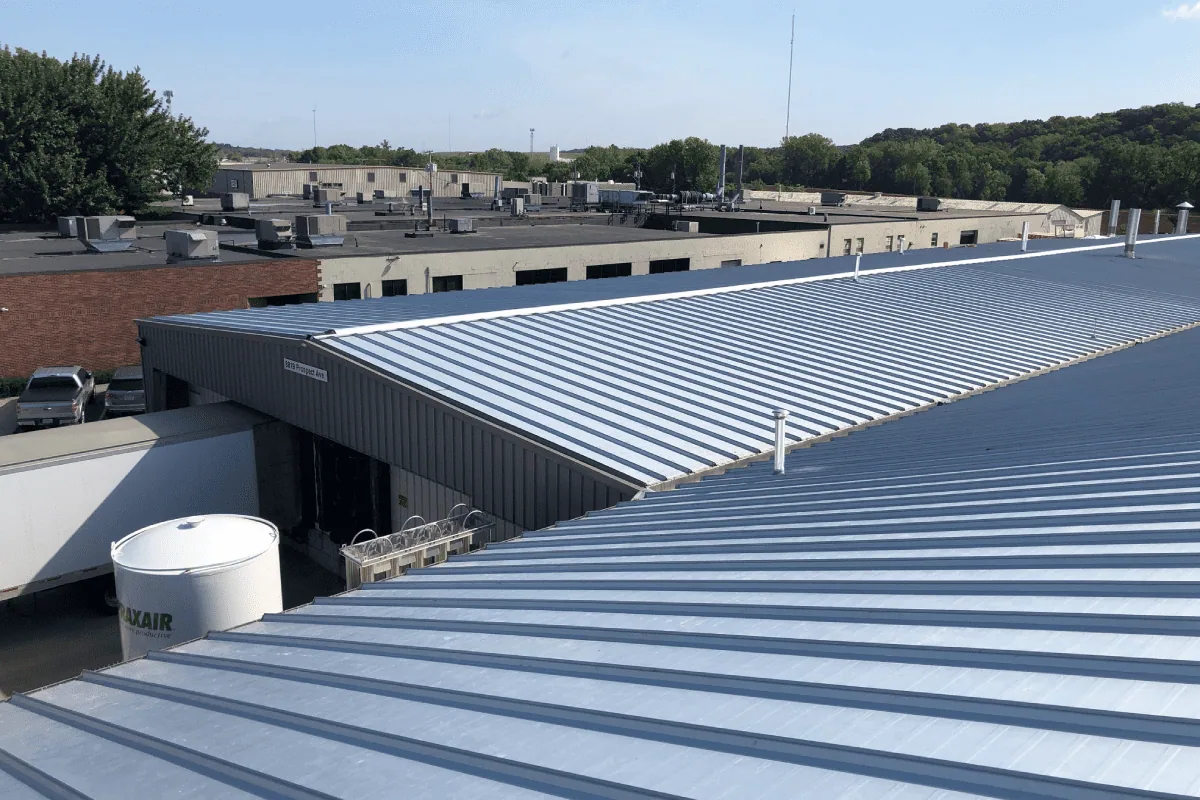
Match the replacement to the roof and edge construction. A single-ply membrane needs a compatible termination and continuous flashing; a modified-bitumen edge requires its own lap and cap detail; metal panels need proper closure and allowance for movement. Before the new work starts, remove materials that cannot support a lasting connection and confirm the substrate can hold fasteners. If the existing assembly includes prior coatings or patches, verify adhesion and compatibility instead of covering them by default.

Where a low-slope membrane is installed, TPO roof work and modified-bitumen roof work require different seams and perimeter treatment. If widespread edge failure accompanies deterioration elsewhere, compare an area repair with replacement of the complete roof section. The proposal should show exactly which sides or elevations are included and how drains, scuppers, and transitions meet the renewed surface.

Garland’s adopted building and energy-code editions may apply when a roof assembly or insulation changes. Confirm permit requirements for the approved scope before ordering metal or membrane. Document the termination and attachment so the owner can review the completed edge rather than relying only on a material description.

Commercial Roofing at I-30 and Rosehill in Garland, TX

What should the proposal say about disruption?

Separate measured work from a contingency for hidden substrate damage. List the length of edge included, metal profile or membrane detail, fasteners, sealant, substrate correction, and the tie-in to the field. For drainage work, identify each outlet. For interior impacts, state whether the estimate covers only the roof or also the ceiling and contents. These limits prevent the owner from comparing proposals that use different assumptions.

Schedule can change if the edge sits above an active entrance, if equipment must be moved, or if weather limits open-roof work. Identify a daily close-in point and the protection needed if wind or rain interrupts installation. Replacement may require a longer staging plan than a single termination repair, especially where material must be placed without blocking tenant circulation.

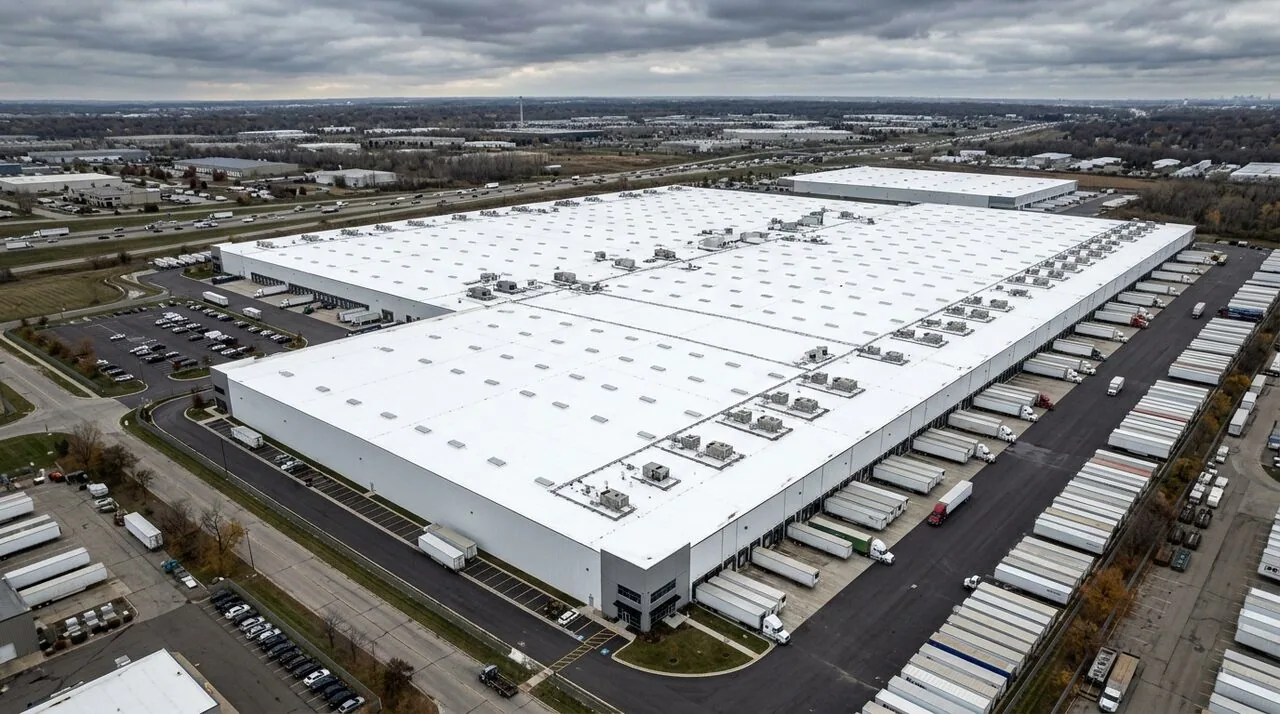
A commercial roof replacement option should show removal and dry-in assumptions, cover board and insulation needs, and the perimeter work needed to complete the new system. If a separate property lies in the Harbor Point area, inspect it on its own terms; a corridor name does not transfer the Rosehill roof history.

Commercial Roofing at I-30 and Rosehill in Garland, TX

What should the final record preserve?

Record the repaired edge, roof-zone reference, photographs before and after, and the final connection between membrane, flashing, and metal. Note any substrate that was opened or replaced, and identify work that remained outside the contract. If a temporary cover remains, make the owner’s next decision visible in the record instead of leaving it as an untracked condition.

At a later maintenance visit, inspect the edge joints, fasteners, seams, and outlets documented during repair. Compare present conditions with the earlier photographs and identify movement or separation before water enters. Keep each roof map tied to its own property so the next reviewer knows which edge was corrected and where further work remains.

For a second Garland planning area, the SH 190/Lavon area needs a fresh property inspection and independent scope.

Commercial Roofing at I-30 and Rosehill in Garland, TX

Common Questions

What should an edge-metal inspection cover?

Check the coping or fascia, fasteners, membrane termination, joints, backing, and transition to the roof field.

Can a wall stain confirm an edge leak?

No. Water can travel through the roof assembly or along a wall. Trace the route and inspect the connected roof details.

When is temporary protection useful?

It can limit exposure while permanent metal, flashing, or substrate work is arranged, but its limits and return task should be recorded.

Can an edge repair be priced before opening the assembly?

The visible correction can be scoped, but uncertain backing or deck conditions should have a defined inspection and approval step.

What should replacement include at the perimeter?

Specify the new termination, metal, attachment, substrate corrections, drainage transitions, and how each edge ties into the roof system.

Commercial Roofing at I-30 and Rosehill in Garland, TX

Review an I-30/Rosehill roof edge

Share the property address, the affected elevation or roof zone, and any active interior impact. We can inspect the edge assembly and explain the permanent repair boundary.

Call 555-555-5555 or request a roof assessment.

Questions About Your Roof?

ServicesRoof SystemsProperty TypesIndustriesService AreasDamage RepairCapabilitiesManufacturersAboutRequest a Roof Assessment555-555-5555
Call us today555-555-5555